Drome Travel Guide
Drome sits in southeast France within the Auvergne Rhone Alpes region, a destination shaped by the Rhone Valley, hilltop villages, and a slower, sunlit pace that feels distinctly Provençal without leaving the region. This guide focuses on practical planning, what to do, what to eat, how to get around, and how to build an itinerary that fits your time and travel style. Use it to decide where to base yourself, how to move between landscapes, and how to prioritize experiences across Drome.
Snapshot
Drome blends river valley energy with lavender colored countryside, medieval silhouettes, and market town rhythms that reward unhurried travel. The signature vibe is scenic and outdoorsy, with cultural stops that feel local rather than staged. Go now if you want a France itinerary that balances nature, food, and small town character without the pressure of major city crowds.
🗺️ Geography and Logistics
📍 Orientation: Where is it within Auvergne Rhone Alpes and France? Name key gateway airports or hubs.
Drome is a department in southeastern France, positioned between the Rhone Valley corridor and the first rises of the Alps and pre Alps landscapes. It is commonly approached via regional rail and road connections in the broader Auvergne Rhone Alpes network, with the Rhone axis acting as a natural north south route. For trip planning, think in terms of arriving through major transport hubs in the region, then continuing by train, rental car, or a mix of both depending on how rural your itinerary is.
🕒 When to Go: Seasonal breakdown. Weather patterns vs. crowd levels.
Spring is a strong choice for fresh landscapes, comfortable temperatures, and a sense of the region waking up, which suits walking routes and village exploring. Summer brings the most sun and the most visitors, which can be ideal for long days outdoors, but it also rewards early starts and mid day breaks. Autumn is often favored for softer light, harvest season flavors, and fewer crowds, while winter is quieter and best for travelers who prioritize calm towns, museums, and scenic drives over long outdoor days.
💰 Budget & Currency: Practical money tips, local price levels, and card vs. cash advice.
The currency is the euro. Cards are widely used in France, but carrying some cash is useful for small purchases at markets, rural bakeries, and parking meters in smaller towns. Budget levels vary by season and by whether you stay in a larger town or a countryside base, so planning around transport costs and accommodation style will usually have the biggest impact on total spend.
⭐ Essential Things to Do
These experiences are designed to help you understand the character of Drome through landscapes, villages, and local food culture. Use them as building blocks, then cluster them by geography to reduce driving time.
- Rhone Valley Scenic Drive. Following the Rhone corridor gives you an immediate sense of how Drome connects to the wider region, with broad views and easy access to towns along the route. It is a simple way to combine viewpoints with short stops for coffee or a market. Practical tip, plan a few fixed stops, then keep buffer time for spontaneous pull offs and photo breaks.
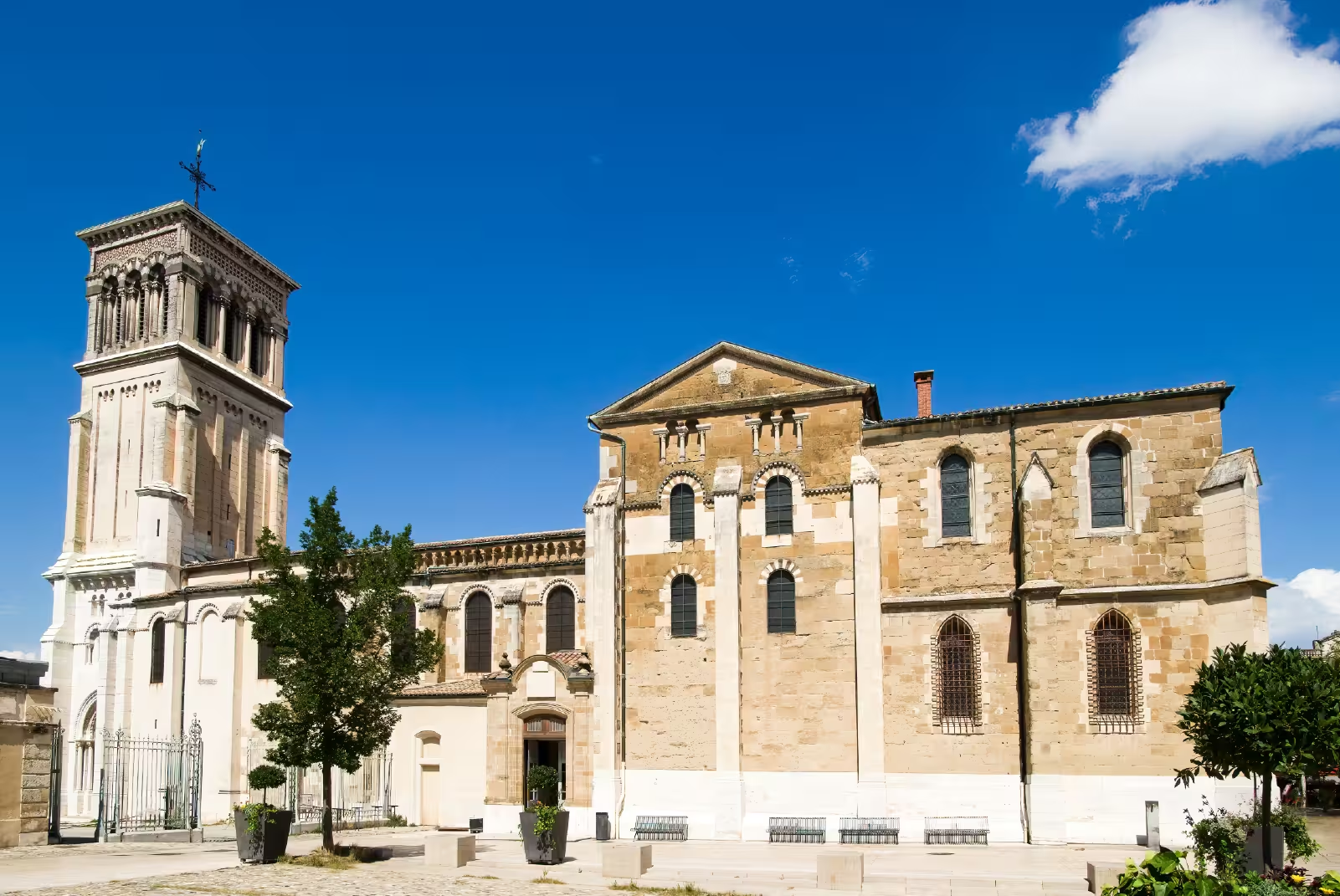
- Hilltop Village Loop. Many villages in this part of France were built for defense and visibility, which is why the streets often climb toward a central church or lookout. The reward is atmosphere, stone architecture, and panoramic viewpoints that make the walking feel purposeful. Practical tip, wear shoes with grip because older lanes can be steep and polished.
- Local Market Morning. Markets are where daily life in Drome becomes visible, with seasonal produce, cheeses, olives, and baked goods. Even if you do not cook, a market stop works as a tasting session and a cultural snapshot. Practical tip, arrive early for the best selection and bring a reusable bag for easy carrying.
- Lavender and Countryside Photo Route. The countryside is part of the region’s identity, and rural roads are often the most memorable part of a trip, especially when fields and farm landscapes dominate the view. This is a slow travel experience, best done with patience and frequent stops. Practical tip, avoid rushing between locations, choose one area and explore it deeply to reduce time in the car.
- Riverside Walks and Picnic Stops. Waterways and riverbanks offer a calmer counterpoint to hill towns, and they are ideal for a low effort afternoon when you want scenery without a big climb. A picnic is also an easy way to turn market purchases into a meal with a view. Practical tip, pack a light layer because breezes near water can feel cooler even on warm days.
- Roman and Medieval Heritage Spots. The wider region carries layers of Roman influence and medieval development, which you will notice in town layouts, stonework, and church architecture. These visits add context to the landscapes, showing how people lived, traded, and defended routes through the Rhone corridor. Practical tip, pair a heritage stop with a café break so it feels integrated rather than like a checklist.
- Outdoor Viewpoints at Golden Hour. The terrain in Drome lends itself to viewpoints, and the light near sunset tends to soften stone villages and highlight valley contours. This is one of the easiest ways to get memorable photos without special equipment. Practical tip, scout your viewpoint in daylight, then return later so you are not searching for parking at the best moment.
- Food Focused Afternoon in a Market Town. Market towns are practical bases because they combine services, walkable centers, and a steady choice of places to eat. A slow afternoon lets you browse shops, stop for pastries, and settle into the rhythm that makes the region feel lived in. Practical tip, keep dinner plans flexible, then follow local cues on where the dining rooms fill up.
🚶 Curated Itineraries
⏰ The Highlights (1 Day): A fast paced Best Of route.
Start with a market morning to anchor the day in local flavor, then move into a hilltop village loop for architecture and viewpoints. After lunch, take a countryside drive that prioritizes scenery over distance, then finish with a golden hour viewpoint and a relaxed dinner in a market town. If you are using public transport, choose one main town as a base and build the day around walkable heritage streets plus a riverside stroll.
⏰ Deep Dive (2 to 3 Days): Adding neighborhood exploration and local secrets.
Day one, focus on a main town base, heritage walking, and a market meal, then add a sunset viewpoint. Day two, commit to a countryside day with a slow driving loop, picnic stops, and time for short walks that do not require technical hiking. Day three, explore a second cluster of villages or a different landscape zone, then leave time for unplanned discoveries, such as a small museum, a bakery detour, or a scenic road you did not expect to love.
🍽️ Flavors of Drome
- Cheese boards and local dairy. Expect a range of textures from soft and creamy to aged and nutty, often served simply so the product speaks for itself. Ordering tip, ask for a mixed plate to taste several styles without committing to one.
- Olives and tapenade style spreads. The flavor profile is salty, rich, and herbal, ideal with bread or as an aperitif snack. Ordering tip, pair it with a simple drink and bread rather than heavy starters so it stays balanced.
- Seasonal market fruit. Depending on the season, fruit can be intensely aromatic and sweet, perfect for a picnic dessert. Ordering tip, buy what looks and smells ripe, then ask the vendor which items travel best if you will be out all day.
- Charcuterie and cured meats. These are savory, often peppered or herbed, and easy to assemble into a no cook meal. Ordering tip, request a small selection and slice thickness guidance if you are building a picnic plate.
- Pastries from local boulangeries. Butter forward, flaky, and best eaten fresh, pastries are a reliable way to start a travel day early. Ordering tip, go in the morning for the fullest selection and consider taking one extra item for later.
- Regional wine and aperitif culture. The Rhone Valley context often means wine is part of the table culture, whether as a tasting or a simple glass with dinner. Ordering tip, ask for a local recommendation by style, such as lighter and fruit forward versus structured and full bodied.
🚌 Navigation and Transport
Getting around Drome depends on your itinerary density. Town centers are often best explored on foot because older streets can be narrow and parking can be limited, while rural viewpoints and village loops usually favor a car. For a hybrid approach, use rail or regional connections to reach a main base, then add day tours, taxis, or a short term rental to reach countryside areas.
Drive with patience on smaller roads and plan for slower travel times than map estimates when you are moving between villages. For accessibility, prioritize larger towns for flatter walking routes and easier services, then add one or two village climbs rather than stacking several steep stops in one day. Standard travel safety applies, keep valuables secure in busy areas and do not leave visible items in parked cars at viewpoints.
🌄 Beyond the Center: Day Trips
- Rhone Valley towns. Travel time varies by base, but these trips are generally straightforward because the valley is a main corridor. Go for riverside walks, café culture, and a sense of how trade and travel shaped the region.
- Provence edge countryside. A short drive can shift the scenery and atmosphere toward a more Mediterranean feel. Go for photogenic rural roads and a change of pace that still complements a Drome itinerary.
- Foothill landscapes toward the Alps. Travel time depends on where you start, but the payoff is a different topography and bigger horizons. Go for fresh air, viewpoints, and outdoor focused stops.
- Neighboring market towns. These are ideal low effort day trips when you want food shopping, a long lunch, and a few cultural stops without a full day in the car. Go for browsing, people watching, and regional specialties.
✅ Insider Tips for Travelers
- Cluster stops by geography, not by popularity, to reduce backtracking and fatigue.
- Start early in summer, then plan a slower mid day block for lunch and shade.
- Carry small cash for markets and small vendors, even if you mostly pay by card.
- Pack a reusable bag and a light picnic kit so market purchases turn into easy meals.
- Wear shoes suited for steep village streets and uneven stone surfaces.
- For photos, scout viewpoints in daylight, then return at golden hour.
- Keep one flexible time slot daily for spontaneous finds, such as a bakery detour or a scenic pull off.
❓ Frequently Asked Questions, FAQ
Is Drome better explored by car or public transport?
A car is usually the most flexible option for village loops and countryside viewpoints. Public transport can work well if you base yourself in a larger town and focus on walkable areas plus a limited number of organized day trips.
How many days do you need in Drome?
One day covers a market morning, one hilltop village, and a scenic drive. Two to three days lets you slow down, add a second area, and build in time for picnics, viewpoints, and unplanned stops.
What is the best season for visiting?
Spring and autumn often balance comfortable weather with lighter crowds. Summer offers long sunny days but benefits from early starts and a slower mid day pace.
What should I pack for village exploring?
Bring comfortable walking shoes with good grip for steep streets and uneven stone. Add a light layer for evenings and breezy riverside walks, plus a reusable bag for market shopping.
Can I do day trips while staying in Drome?
Yes, Drome works well as a base for short drives into the Rhone Valley corridor and nearby countryside zones. Choose day trips that align with your interests, such as markets and food, viewpoints and nature, or heritage focused town walks.