Faroe Islands

logoBlack

Build your dream
experience

dreamimg

More to know about Faroe Islands

Faroe Islands Travel Guide 🌍

🧭 Snapshot

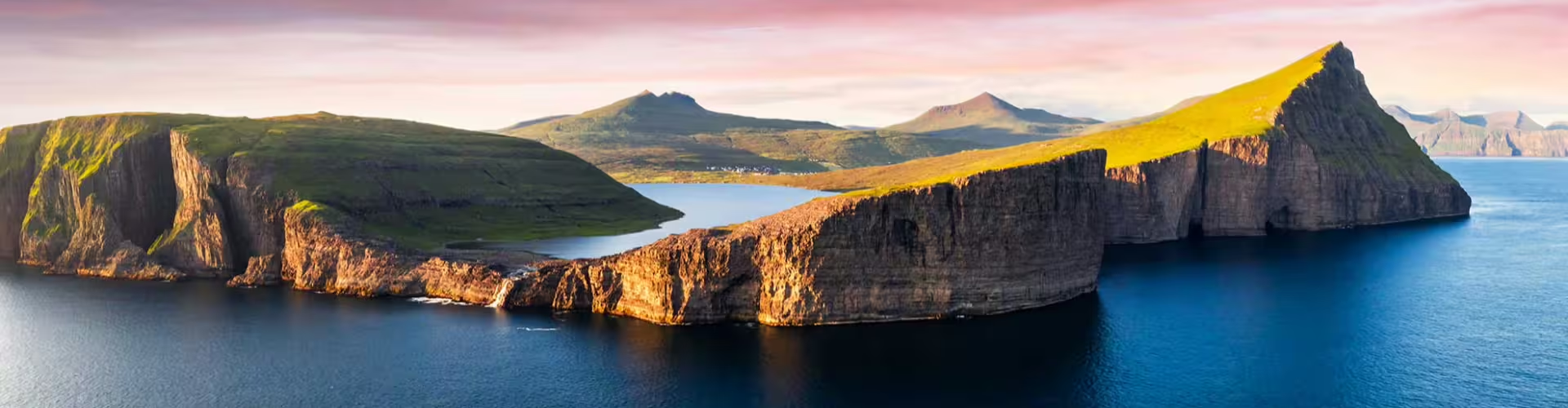
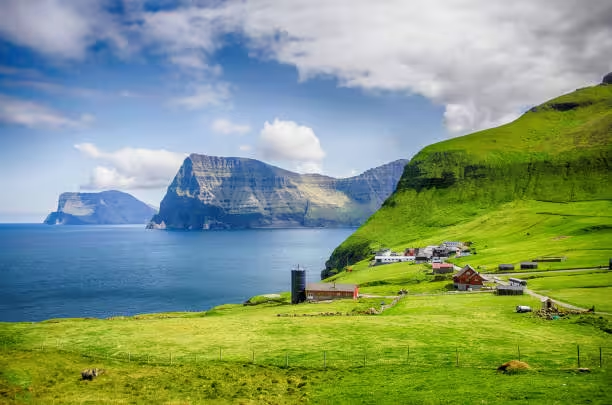
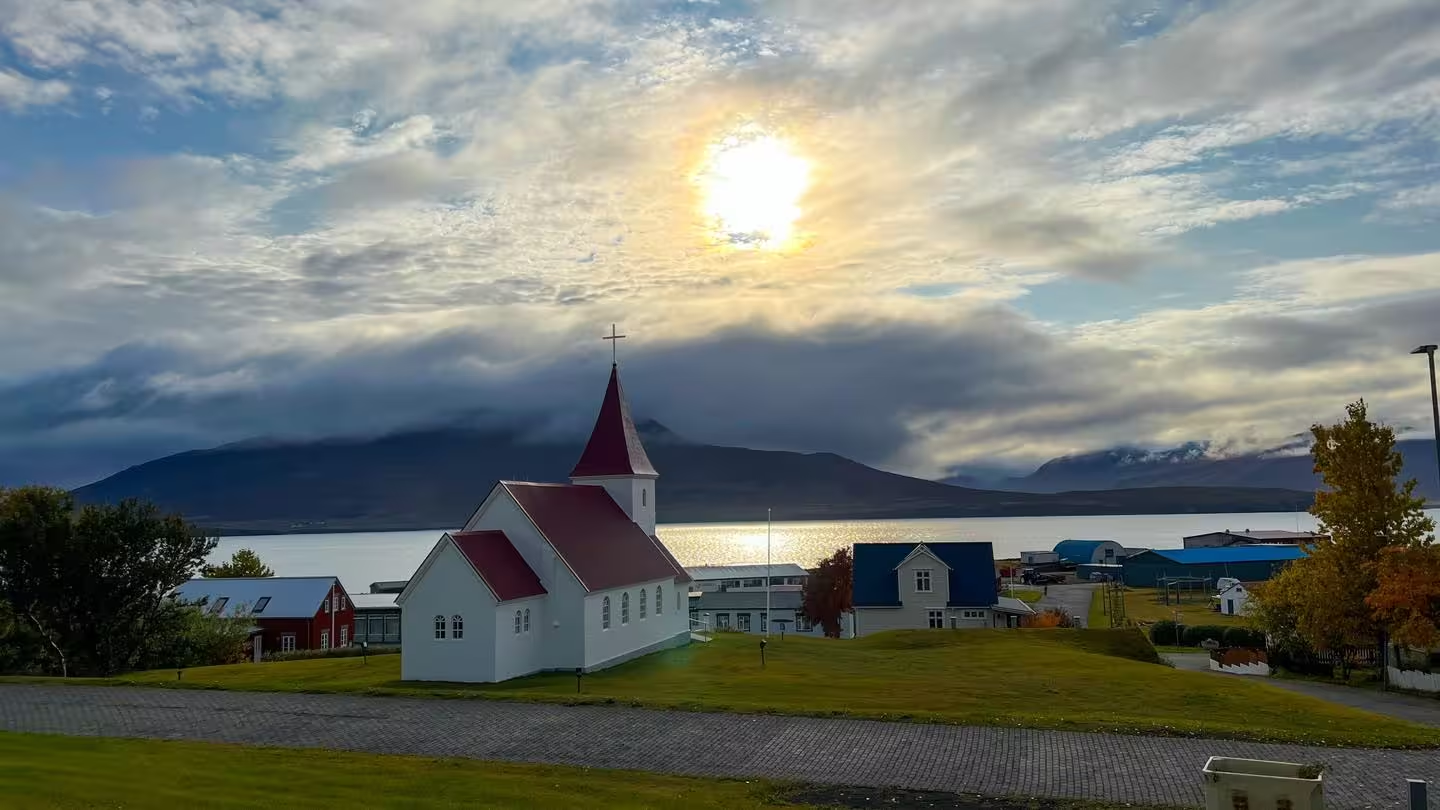
The Faroe Islands captivate with their untouched landscapes and rich Nordic culture. Located in the North Atlantic, they offer a unique blend of rugged cliffs, cascading waterfalls, and friendly villages. Perfect for those seeking adventure and tranquility, the Best things to do in Faroe Islands include exploring dramatic sceneries and indulging in local traditions.


🗺️ Where It Sits

📍 Geography and Nearby Hubs

Nestled between Iceland and Norway, the Faroe Islands are part of the Kingdom of Denmark. Vágar Airport serves as the main gateway, with regular flights connecting to Copenhagen and other Nordic capitals.

🕒 Best Time To Visit

Spring and summer bring milder weather and more daylight for exploring. Signature festivals like Ólavsøka in July offer cultural immersion. Winter visitors can enjoy the dramatic landscapes often dusted with snow.

💰 Typical Costs and Money Tips

Expect moderate European pricing; credit cards are widely accepted. Consider combo tickets for attractions to save money.


⭐ Essential Things To Do

Hike to Slættaratindur: Conquer the highest peak for panoramic views. Suitable for experienced hikers, allow half a day.

Visit Mykines: Home to puffins, this island is a birdwatcher's paradise. Accessible by ferry, plan for a full day.

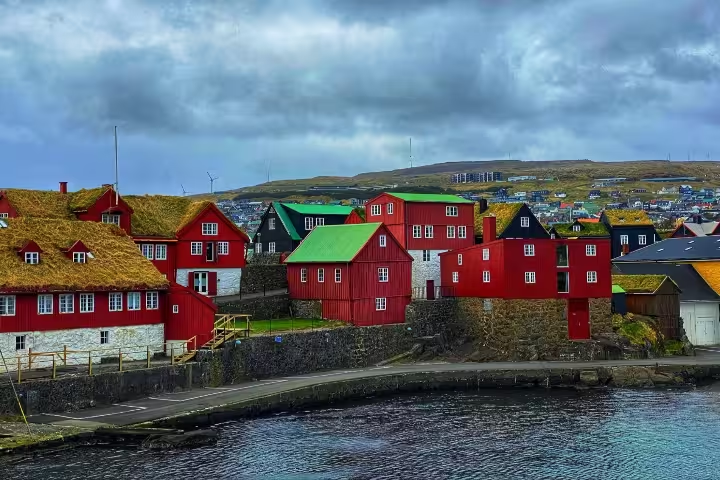
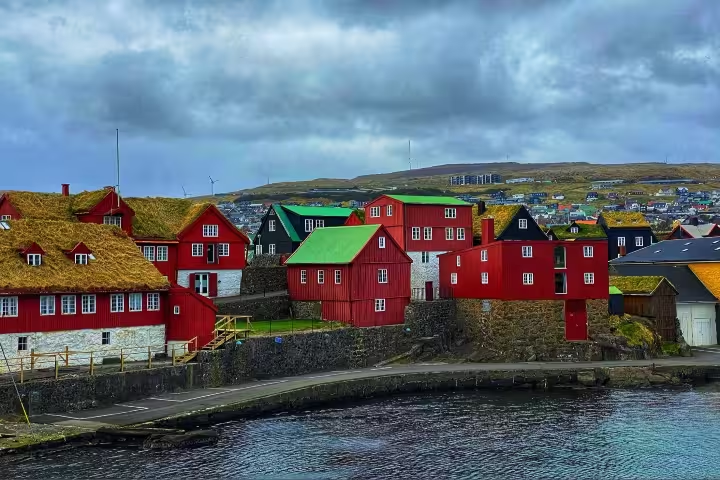
Tórshavn Exploration: Discover the charm of one of the world's smallest capitals with its colorful houses and historical sites. Perfect for a leisurely afternoon.

Saksun Village: Nestled in a picturesque bay, visit this remote village for its serene beauty and traditional Faroese life.

Kirkjubøur: Explore this historical village, home to a 900-year-old church and the oldest inhabited wooden house.

Boat Trip to Vestmanna Sea Cliffs: Experience towering cliffs and sea caves on a scenic boat tour.


🚶 Suggested Short Itineraries

⏰ One Perfect Day

Morning: Start with a hike to Kirkjubøur. Afternoon: Explore Tórshavn's old town. Evening: Dine on local seafood.

⏰ Two Days

Day 1: Discover Tórshavn and Kirkjubøur. Day 2: Trek to Slættaratindur and relax in Saksun.

⏰ Three Days

Day 1: Tórshavn and Kirkjubøur. Day 2: Slættaratindur and Saksun. Day 3: Day trip to Mykines or Vestmanna.


🍽️ What To Eat And Drink

Ræst: Fermented fish, a traditional delicacy.

Skærpekød: Air-dried mutton with a unique flavor.

Fiskur: Fresh fish dishes, often served with potatoes.

Rugbrød: Dense rye bread, perfect with local cheese.

Skerpikjøt: Wind-dried lamb, an iconic Faroese specialty.

Faroese Beer: Try local brews for a taste of the islands.


🚌 Getting Around

Rental cars are the most flexible option for exploring. Public buses connect major villages, and ferries link the islands. Roads can be narrow; drive cautiously.


🌄 Best Day Trips

Mykines: 1-hour ferry, known for puffins.

Vestmanna Sea Cliffs: 30-minute drive, stunning boat tours.

Gjógv: 1-hour drive, famous for its natural harbor.


✅ Practical Tips For Visitors

  • Reserve ferry tickets in advance, especially in summer.
  • Bring layers; weather changes rapidly.
  • Book accommodation early for peak seasons.
  • Consider travel insurance for outdoor activities.
  • Respect local wildlife and stay on marked paths.

❓ Frequently Asked Questions, FAQ

Q: How many days do I need to explore the Faroe Islands?
A: Three to five days is ideal to experience the Best things to do in Faroe Islands, including a day trip to Mykines.

Q: Are there any combo tickets available for attractions?
A: Yes, combo tickets for the ferry and island tours are available, offering savings and convenience.

Q: What are the best neighborhoods to stay in Tórshavn?
A: The old town provides charming, traditional accommodations, while the harbor area offers modern amenities and stunning views.

Q: What is the weather like in the Faroe Islands?
A: The weather is changeable, with cool summers and mild winters. Pack for rain, regardless of the season.

Q: Is the Faroe Islands accessible for travelers with mobility issues?
A: Some areas are challenging, but many attractions offer accessible paths. Plan ahead for specific needs.