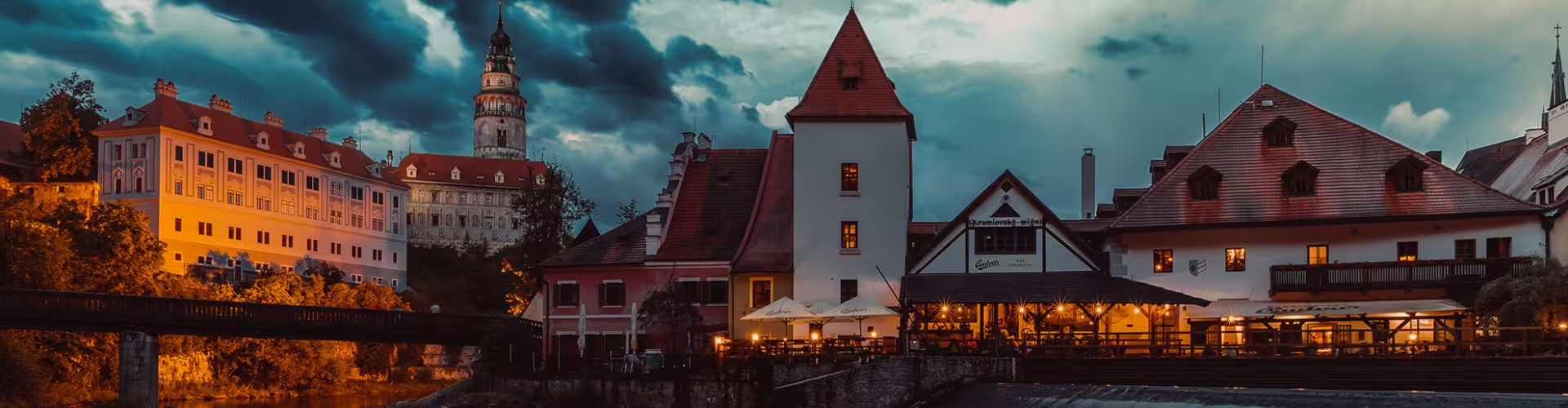

Český Krumlov is a storybook riverside town where a castle complex crowns a tight weave of medieval lanes, Baroque façades, and photogenic viewpoints. It rewards travelers who like slow mornings, gallery stops, and long walks that end with a sunset panorama over red roofs. Use this guide to plan what to do, when to go, how to get around, and how to build a one day or multi day itinerary that fits your pace.
Český Krumlov feels theatrical and intimate, with the Vltava River looping around the historic core like a natural frame. The signature vibe is romantic and timeworn, best enjoyed on foot as you drift between viewpoints, courtyards, and cafés. Go now if you want an easy, high impact Central Europe add on that pairs well with Prague and the South Bohemian countryside.
Český Krumlov sits in the Český Krumlov District within the South Bohemian Region of Czechia. The town is defined by the Vltava River’s curve, which creates natural “inside” and “outside” bends that shape the old town’s compact layout and its scenic overlooks. For most visitors, the main gateways are larger transport hubs in Czechia, then a regional connection onward to town, with the last stretch typically handled by bus, shuttle, or train depending on your route.
Expect the most atmospheric walks when daylight is long and you can linger outdoors, especially for viewpoints and riverside strolls. Peak travel periods bring heavier foot traffic on the narrow lanes, so early mornings and later afternoons feel calmer and more photogenic. Cooler months can be quieter and more reflective, with fewer crowds and a stronger sense of local rhythm, though you should plan for shorter days and weather that can change quickly.
Czechia uses the Czech koruna, and it helps to carry a small amount of cash for small purchases, quick snacks, or places that prefer it. Cards are widely used in many traveler facing businesses, but having cash reduces friction when you are hopping between cafés and small shops. Budget wise, plan for a range, with your biggest variables typically being accommodation style, guided experiences, and how often you dine in sit down restaurants versus grabbing casual bites.
1) Český Krumlov Castle Complex
This is the town’s visual anchor and the reason many first timers fall in love with the skyline. The castle grounds and courtyards create a layered sense of history, where each turn reveals a new perspective over the river bend and rooftops. It matters because it explains the town’s power and identity, and it gives you the best orientation from above. Practical tip, aim for earlier in the day to enjoy quieter courtyards and clearer photos.
2) Old Town Riverside Walks
The old town is compact, so walking becomes your main tool for discovery. The Vltava’s edges offer a calm counterpoint to the busy lanes, and the changing angles make the town feel like a living postcard. It matters because the river loop is the town’s signature geography, and you understand the layout by tracing it. Practical tip, do one loop in daylight for details, then repeat a shorter section near sunset for the warm glow on façades.
3) Viewpoints and Photo Spots
The town’s elevation changes create natural balconies, and even short climbs can deliver wide panoramas. These viewpoints matter because they show the full composition, castle above, river below, and the dense historic core in between. They also help you choose where to spend time, since you can see how close everything really is. Practical tip, bring a light layer because breezier spots can feel cooler than the lanes.
4) Historic Lanes and Hidden Courtyards
Beyond the main thoroughfares, side streets reveal quieter corners, small gardens, and tucked away entrances that make the town feel personal. This matters because Český Krumlov is at its best when you step slightly off the obvious route and let the texture of the town lead you. The experience is less about ticking boxes and more about noticing details, doorways, stonework, and the way light falls in narrow passages. Practical tip, take a slow “no map” hour and simply follow the streets that slope toward the river.
5) Local Museums and Galleries
A museum stop adds depth to the visual beauty, giving context to the region’s culture and the town’s layered past. It matters because the story of South Bohemia is not only architectural, it is also artistic, civic, and regional. Even a short visit can reset your pace and make the next walk feel more meaningful. Practical tip, use museums as a midday break when crowds are highest outside.
6) River Activities on the Vltava
Seeing the town from the water changes the scale and the mood, and it highlights how the river shapes the entire experience. This matters because the Vltava is not just scenery, it is the town’s natural guide rail, curving you through the most iconic views. Water based time also balances out castle climbs and cobblestone walking. Practical tip, pack footwear that can handle damp edges and uneven surfaces near the water.
7) Evening Stroll for Atmosphere
As day trippers leave, the lanes soften, and the town’s theatrical side becomes calmer and more intimate. It matters because Český Krumlov rewards an overnight stay, and the evening hours deliver a different, less crowded version of the same beauty. You will notice more soundscape, footsteps, river flow, and distant conversation, rather than constant camera clicks. Practical tip, choose a short route you already know so you can focus on mood instead of navigation.
8) A Guided Walk for Context
A good guide can turn pretty streets into a coherent narrative, connecting architecture, local legends, and regional history. This matters because the town’s charm is amplified when you understand why it looks the way it does and how it evolved. Guided walks also help you find overlooked viewpoints and explain the town’s layout quickly. Practical tip, book ahead in busier periods, and confirm the meeting point in writing to avoid confusion in the old town.
Start with an early walk through the old town while streets are still quiet, then head toward the castle complex for the best overall orientation. Afterward, follow the river edge to experience the Vltava loop and pick a viewpoint for classic skyline photos. Use the middle of the day for a museum or gallery pause, then return to the lanes for slow browsing and a late afternoon coffee. Finish with an evening stroll that revisits your favorite river bend, when the atmosphere feels calmer and more local.
Day one mirrors the highlights route, but with extra time for detours into hidden courtyards and quieter streets. Day two is for deeper context, add a guided walk, more museum time, and a longer river focused outing so you can see the town from different angles. If you have a third day, use it for a relaxed morning, a scenic viewpoint revisit, and a flexible afternoon that can include a nearby excursion in the South Bohemian Region. This slower approach helps you avoid rushing the most crowded lanes and gives you better light for photography across multiple times of day.
Roast pork with dumplings and cabbage
Hearty, savory, and built for comfort, with tender pork balanced by the mild sweetness of dumplings and the tang of cabbage. Ordering tip, ask what the house style is, since sides and seasoning can vary.
Goulash
Rich and warming, typically paprika forward and ideal after a long walk on cobblestones. Ordering tip, confirm what it comes with, as bread or dumplings can change the portion size.
Svíčková
A classic Czech dish with a creamy sauce and a slightly sweet, aromatic profile that pairs well with dumplings. Ordering tip, if you are unsure, ask for a brief description of the sauce style before ordering.
Fried cheese
Crisp outside, melty inside, and a popular casual option when you want something filling without a long meal. Ordering tip, check whether it comes with tartar sauce and what side is included.
Trdelník style sweet pastry
Sweet, aromatic, and best enjoyed warm, often with cinnamon notes. Ordering tip, treat it as a snack and compare sizes, since portions can be larger than expected.
Czech beer
Clean, refreshing, and deeply tied to local food culture, often enjoyed alongside hearty dishes. Ordering tip, if you prefer lighter flavors, ask for a pale lager style option.
The historic core is best explored on foot, since the streets are compact and many of the most rewarding corners are in pedestrian friendly lanes. Expect cobblestones, small inclines, and occasional steps, so supportive shoes make a noticeable difference. For longer distances or arriving from regional hubs, buses, trains, and private shuttles are common options, and they can be easier with luggage than trying to manage steep streets. If you have mobility concerns, plan a route that prioritizes river level walks and fewer climbs, and consider booking accommodation with straightforward access to reduce daily elevation changes.
1) South Bohemian countryside villages
Travel time varies by route, and the reward is a quieter look at regional life beyond the tourist core. Visit for scenic drives, small town stops, and an easy contrast to the busiest streets.
2) Regional nature areas near the Vltava
Short to moderate travel times can bring you to calmer landscapes and walking routes. Go for fresh air and a break from cobblestones, especially if you want a slower day.
3) Nearby historic towns in the South Bohemian Region
Depending on connections, these can work as half day or full day outings. The main reason to go is variety, you can compare architecture, local food, and the feel of different town squares.
4) Prague as a bookend city
Travel time depends on your chosen transport, but it is a common pairing for travelers building a Czechia itinerary. Visit for big city museums, neighborhoods, and transport connections that simplify the rest of your route.
Yes, the historic core is compact and designed for exploring on foot. Expect cobblestones and small inclines, so supportive shoes help a lot.
One day covers the highlights if you start early and keep a steady pace. Two to three days lets you add museums, viewpoints at different times of day, and a more relaxed rhythm.
Early morning is best for quieter streets and cleaner compositions. Late afternoon and early evening often bring softer light and a more atmospheric feel.
Cards are commonly used, but carrying some Czech koruna is practical for small purchases. Having both options makes it easier to move spontaneously between cafés and shops.
It can be, especially if you want a scenic town base with easy walking days. For wider regional coverage, plan your transport connections in advance so day trips feel smooth.