Zagreb, the vibrant capital of Croatia, offers a delightful mix of historic charm and modern attractions. As a hub of culture and commerce, this city provides the perfect destination for travelers seeking a blend of art, history, and vibrant street life. With its welcoming atmosphere and rich array of experiences, you can explore the Best things to do in Zagreb from its picturesque streets to its lively markets.
Located in the heart of Croatia, Zagreb is well-connected to major European cities by air, rail, and road. The Franjo Tuđman Airport serves as the primary gateway, with quick access to the city center.
Zagreb offers a unique charm year-round, but the best time to visit is during spring and autumn when the weather is mild and the city hosts a variety of festivals. Summers are warm and bustling, while winters offer a festive atmosphere with Christmas markets.
Expect moderate prices for dining and accommodations. Most places accept cards, but it’s wise to carry some cash for markets and small vendors. Consider city passes for discounts on attractions.
Zagreb Cathedral: A stunning example of Gothic architecture, this cathedral is a must-see for its impressive spires and historical significance. Allow at least an hour for exploration.
Museum of Broken Relationships: Unique and thought-provoking, this museum offers a collection of artifacts from failed relationships. Plan a visit for an afternoon.
Tkalčićeva Street: Known for its vibrant nightlife and cozy cafes, this street is perfect for an evening stroll and people-watching.
Dolac Market: Experience the local culture by visiting this bustling market. It's ideal for fresh produce and handmade goods.
St. Mark's Church: Famous for its colorful tiled roof, this church is a symbol of Zagreb. Visit during daylight for the best photos.
Maksimir Park: A peaceful escape from the city, this park is perfect for a leisurely walk or a family picnic.
Start with coffee at Tkalčićeva Street, explore Zagreb Cathedral, enjoy lunch at Dolac Market, and end the day with a sunset view from Strossmayer Promenade.
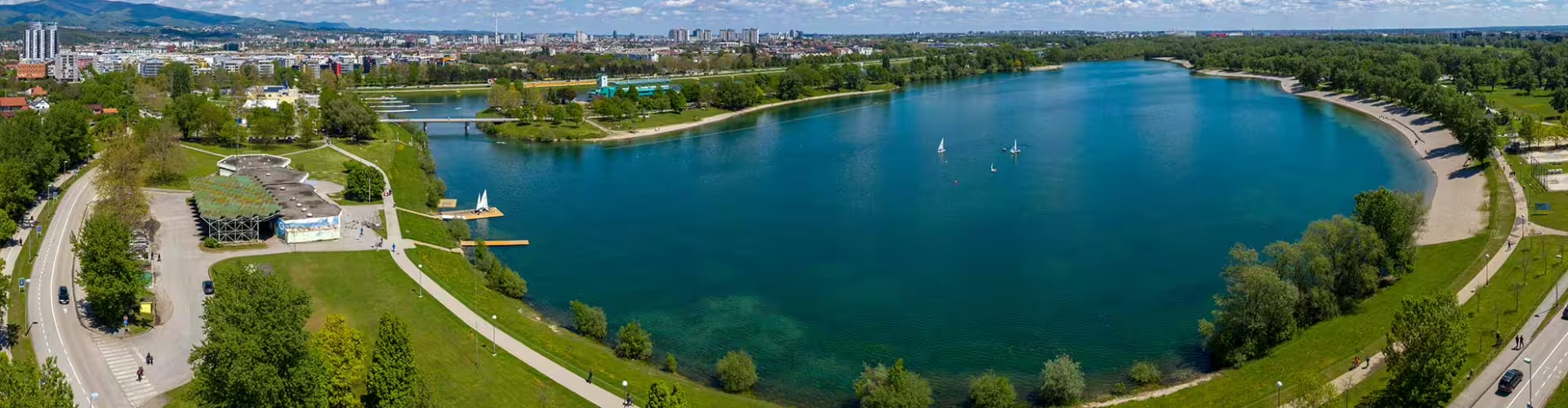
On the second day, delve into the artsy neighborhood of Upper Town, visit the Museum of Broken Relationships, and take a relaxing evening at Jarun Lake.
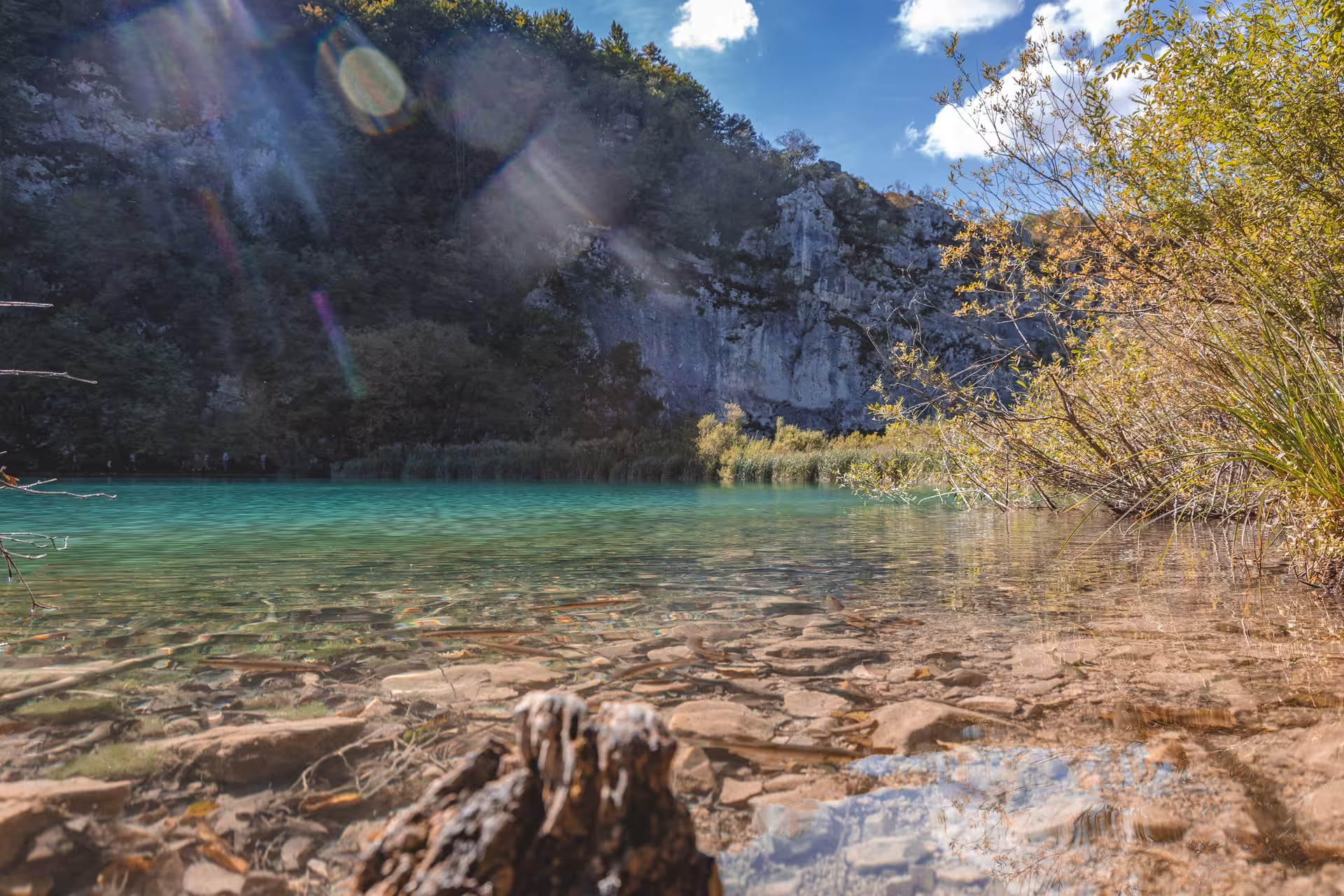
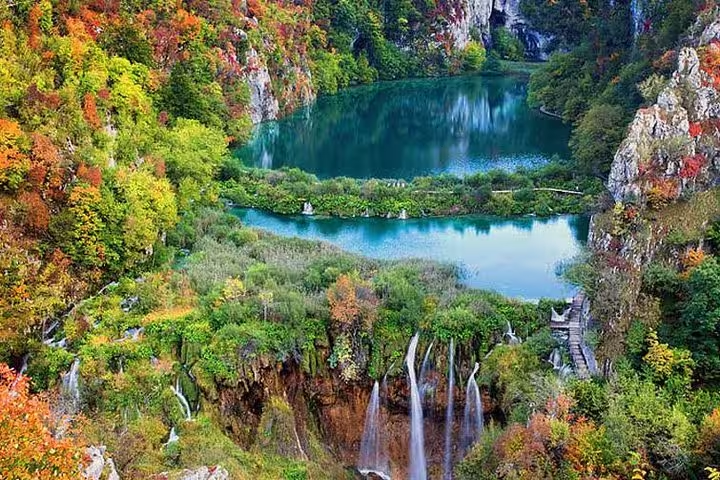
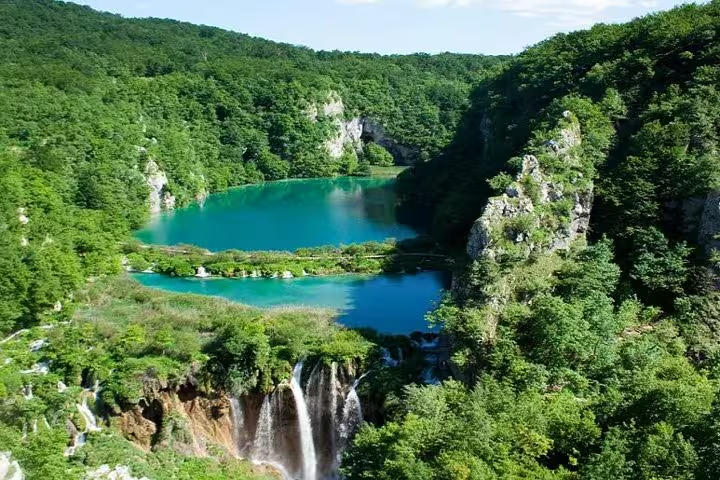
Add a day trip to Plitvice Lakes National Park for breathtaking nature, then return to explore more of Zagreb’s hidden gems like the Art Pavilion.
Štrukli: A creamy pastry dish, often served baked or boiled, perfect for a hearty meal.
Cevapi: Grilled minced meat sausages, often served with flatbread and fresh onions.
Zagorski Štrukli: A traditional pastry from the Zagorje region, commonly enjoyed with sour cream.
Pasticada: A slow-cooked beef dish, typically paired with gnocchi.
Rakija: A potent fruit brandy, a must-try for those looking to experience local spirits.
Zagreb’s public transport system includes trams and buses, making it easy to navigate. Consider purchasing a Zagreb Card for unlimited travel and discounted entry to attractions. Most areas are pedestrian-friendly, but be cautious of uneven cobblestones.
Plitvice Lakes National Park: About 2 hours from Zagreb, this UNESCO World Heritage site offers stunning lakes and waterfalls.
Samobor: A charming town known for its pastries, just a 30-minute drive away.
Varazdin: Known as the ‘Little Vienna’, this town is rich in baroque architecture and history.
Q: How many days do I need to explore Zagreb?
A: Three days is recommended to fully enjoy Zagreb, explore its main attractions, and take a day trip.
Q: Are there any combo tickets available for attractions?
A: Yes, combo tickets for the Zagreb Cathedral and Museum of Broken Relationships are available, offering savings on entry fees.
Q: What are the best neighborhoods to stay in Zagreb?
A: The Upper Town offers charm and proximity to attractions, while the Lower Town provides modern amenities and easy access to shopping.
Q: What is the weather like in Zagreb?
A: Summers are warm and sunny, ideal for outdoor activities, while spring and autumn are mild, perfect for sightseeing.
Q: Is Zagreb accessible for travelers with mobility issues?
A: Some attractions have steps and uneven terrain, but many areas are accessible with assistance. Plan ahead for specific needs.