Imotski

logoBlack

Build your dream
experience

dreamimg

More to know about Imotski


Imotski Travel Guide

Imotski is a small Dalmatian town known for dramatic karst landscapes, a fortress-topped old core, and two iconic sinkhole lakes that define its identity. It suits travelers who want a quieter inland counterpoint to Croatia’s Adriatic coast, with easy access to Split-Dalmatia highlights and a strong local, everyday rhythm. Use this guide to plan what to see, how to get around, what to eat, and how to connect Imotski with nearby coastal and cross-border routes.


Snapshot

Imotski feels crisp and elemental, stone streets, big skies, and viewpoints that make the landscape the main attraction. The signature vibe is relaxed and local, with short distances between major sights, so you can do a lot without rushing. Go when you want clear views and comfortable walking weather, and when you prefer a more grounded Dalmatia beyond the beach scene.


🗺️ Geography and Logistics

📍 Orientation: Where is it within Split-Dalmatia and Croatia?

Imotski sits in Croatia’s Split-Dalmatia County, inland from the Adriatic coast, in a landscape shaped by limestone and karst formations. It works well as a base if you want to combine hinterland scenery with coastal day trips, since the region naturally links towns, valleys, and mountain edges. For international access, the main gateway is Split, and road connections also make it practical to pair this area with nearby coastal hubs and cross-border routes in the wider Dalmatian zone.

🕒 When to Go: Seasonal breakdown

Expect a classic Mediterranean pattern, warmer and busier in peak summer, and generally calmer in the shoulder seasons when walking and viewpoints feel more comfortable. Summer is best if you are combining inland exploring with beach time on the coast, but it can bring higher crowd levels on popular routes. Spring and autumn are often the sweet spot for photography, hiking style walks, and a more local pace, while winter is quieter and best for travelers who prioritize atmosphere over long outdoor days.

💰 Budget & Currency: Practical money tips

Croatia uses the euro, and most travelers find a mix of card payments and some cash useful for small purchases and quick stops. Plan a mid-range budget if you are day-tripping widely, since transport and spontaneous stops add up more than the town itself. Keep small notes and coins for parking areas, kiosks, or quick snacks, and use a no-foreign-transaction-fee card when possible for smoother payments.


⭐ Essential Things to Do List

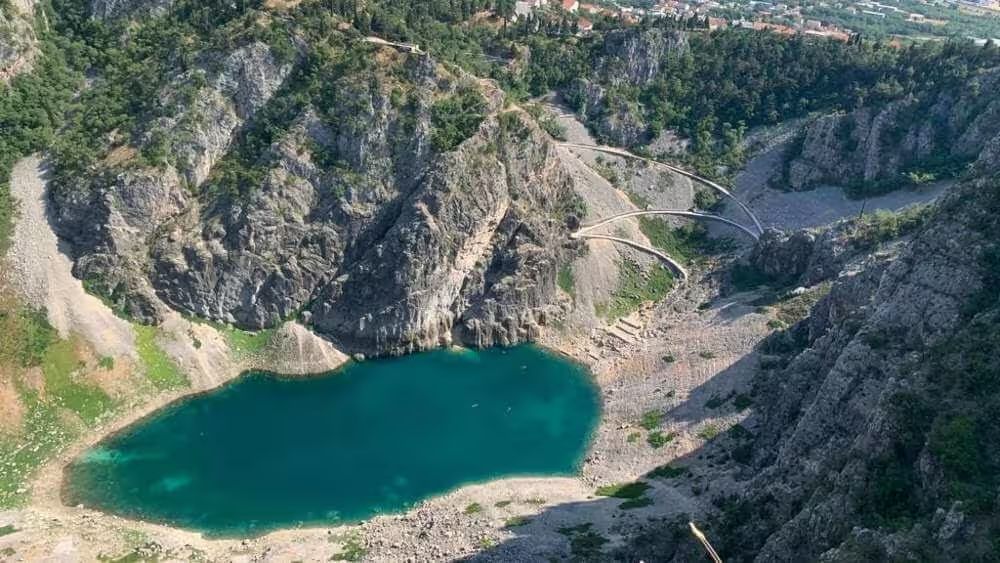
Blue Lake, Modro Jezero. This is the town’s signature natural landmark, a striking karst sinkhole lake that changes character with seasons and rainfall. It matters because it shows how the region’s geology shapes daily life and local pride. Practical tip, visit at different times of day for changing light and color, and wear sturdy shoes since paths can be uneven.

Red Lake, Crveno Jezero. Known for its dramatic depth and steep cliffs, this is one of the most visually arresting inland sights in Dalmatia. It matters because the scale feels almost unreal, and the viewpoint experience is all about perspective and geology. Practical tip, prioritize clear weather for the best visibility, and keep a safe distance from cliff edges.

Topana Fortress, Imotski Fortress. The fortress above town is the best place to understand the strategic history of the area and to get wide views over the landscape. It matters because it connects the old urban core with the natural landmarks that surround it. Practical tip, go in late afternoon for softer light and bring water if you plan to linger.

Old Town Walk, stone streets and viewpoints. A slow wander through the historic core gives you the texture of everyday Imotski, stone architecture, small squares, and lookout points. It matters because the town’s charm is in its scale, you can pause often and still feel like you covered a lot. Practical tip, take a short loop that links the center with the fortress approach so you combine culture and views.

Lake View Photo Stops, best angles and framing. The lakes are not just sights, they are photo subjects that reward patient framing and multiple angles. It matters because the terrain is sculptural, and the mood changes quickly with clouds and sun. Practical tip, use a wide lens or panorama mode, and avoid midday glare if you want richer color.

Local Cafes and People Watching. Sitting down for coffee is part of the rhythm in Dalmatia, and inland towns often feel especially authentic. It matters because it helps you switch from checklist travel to place-based travel. Practical tip, order a simple coffee, take your time, and keep your voice low in quieter spots.

Scenic Drives through Split-Dalmatia Hinterland. The roads around Imotski reveal valleys, stone walls, and changing terrain that contrasts with the coast. It matters because the journey becomes part of the destination, especially if you enjoy landscape travel. Practical tip, plan short stops for viewpoints and keep a buffer in your schedule for spontaneous detours.

Active Time Outdoors, easy walks and lookouts. The area naturally invites walking, not necessarily long hikes, but steady exploration between viewpoints and town. It matters because the landscape is the main attraction, and moving through it helps you understand scale. Practical tip, pack sun protection and a light layer, since conditions can shift between shade and exposed viewpoints.


🚶 Curated Itineraries

⏰ The Highlights (1 Day): A fast-paced best of route

Start with the town center and a short old town loop to set context, then head to the main viewpoints for Blue Lake and Red Lake while the light is still clear. After a relaxed lunch break, climb or approach Topana Fortress for sweeping views and a sense of history. Finish with an easy evening coffee in town, keeping the schedule flexible for extra photo stops if the sky turns dramatic.

⏰ Deep Dive (2 to 3 Days): Add local rhythm and nearby exploring

Day one follows the highlights, but with more time at each lake so you can see how angles and color change. Day two is for slow exploration, a longer old town walk, extra viewpoints, and an unhurried café culture session that makes Imotski feel lived-in rather than visited. If you have a third day, use it for a day trip to the coast or a nearby region, then return inland for a quieter evening and a final fortress view.


🍽️ Flavors of Imotski

Peka. A slow-cooked dish prepared under a bell-like lid, often featuring meat and vegetables with deep, roasted flavors. Ordering tip, ask if it needs advance notice since slow cooking can take time.

Ćevapi. Grilled minced meat served simply, usually with bread and condiments, satisfying and easy after a day of walking. Ordering tip, ask for a portion size that matches your appetite since servings can be filling.

Pašticada. A rich, long-cooked beef dish with a complex, sweet-savory profile typical of Dalmatian home-style cooking. Ordering tip, look for it as a house specialty when available, since it is often made in small batches.

Pršut. Cured ham with a salty, savory bite, often paired with cheese and bread for a simple plate. Ordering tip, order it as a shareable starter if you want to sample multiple flavors.

Dalmatian cheese. Firm, savory cheeses that pair well with cured meats and local bread. Ordering tip, ask for a mixed plate if offered, it is an easy way to taste variety.

Fresh bread and olive oil. Simple but essential, especially when meals are built around shared plates. Ordering tip, ask for olive oil on the side if you want to taste it plainly.

Local wine. Dalmatia has a strong wine culture, and inland tastings often feel relaxed and personal. Ordering tip, ask for a glass recommendation that matches your meal, rather than choosing only by name.


🚌 Navigation & Transport

Imotski is compact enough that the center and many viewpoints can be handled on foot, especially if you enjoy short climbs and scenic detours. For the lakes and wider hinterland, a car is the most flexible choice, letting you stop at viewpoints and adjust your pace without depending on fixed schedules. If you are driving, take extra care on narrow roads and at viewpoint pull-offs, and wear proper shoes for rocky paths near lake edges and fortress approaches.


🌄 Beyond the Center: Day Trips

Makarska Riviera. A classic Adriatic coastline option, ideal when you want to pair inland scenery with beach time. Travel time depends on your route and traffic, so plan a full-day window for a relaxed pace.

Split. Best for Diocletian’s Palace, museums, and a bigger city energy that contrasts with inland calm. Allow enough time for parking and walking, since the historic center is best explored on foot.

Omiš. A good pick for river and coastal scenery, with a more adventurous feel in the wider area. Plan for a full day if you want both viewpoints and time by the water.

Biokovo area. Known for mountain landscapes and dramatic panoramas that complement the karst scenery around Imotski. Choose a clear day for the best views and bring layers since higher elevations can feel cooler.

Mostar, Bosnia and Herzegovina. A rewarding cultural day trip with iconic architecture and a distinct Ottoman-influenced atmosphere. Bring your passport for the border crossing and keep your schedule flexible for traffic.


✅ Insider Tips for Travelers

  • Prioritize clear weather days for lake viewpoints, visibility is a big part of the experience.
  • Wear closed-toe shoes with grip, paths near viewpoints can be rocky and uneven.
  • Bring water and sun protection, many lookouts are exposed with limited shade.
  • Build in extra time for photos, the lakes look different as light changes.
  • Keep some cash in euros for small purchases and quick stops.
  • Drive patiently on narrow roads, and use designated pull-offs for viewpoint stops.
  • For day trips, start early to avoid peak traffic on coastal routes.

❓ Frequently Asked Questions, FAQ

Is Imotski better as a day trip or an overnight stay?
It works both ways, but an overnight stay gives you calmer morning and evening light at the viewpoints. Staying longer also lets you add a coastal or regional day trip without rushing.

How do I get around Imotski without a car?
You can cover the town center on foot, especially if you are comfortable with short climbs. For wider exploring and flexible lake viewpoints, a car remains the easiest option.

What is the best time of year to visit Imotski?
Shoulder seasons are often ideal for comfortable walking and fewer crowds. Summer is lively and pairs well with coastal time, but it can feel busier on popular routes.

How much time should I plan for Blue Lake and Red Lake?
Plan enough time to see both without rushing, since viewpoints and photo stops are part of the experience. If you can, revisit at a different time of day for changing light.

Do I need cash in Imotski?
Cards are widely useful, but carrying some euros in cash helps for small purchases and quick stops. Keeping small notes and coins can make travel days smoother.