Split-Dalmatia

logoBlack

Build your dream
experience

dreamimg

More to know about Split-Dalmatia

Split-Dalmatia Travel Guide 🌍

🧭 Snapshot

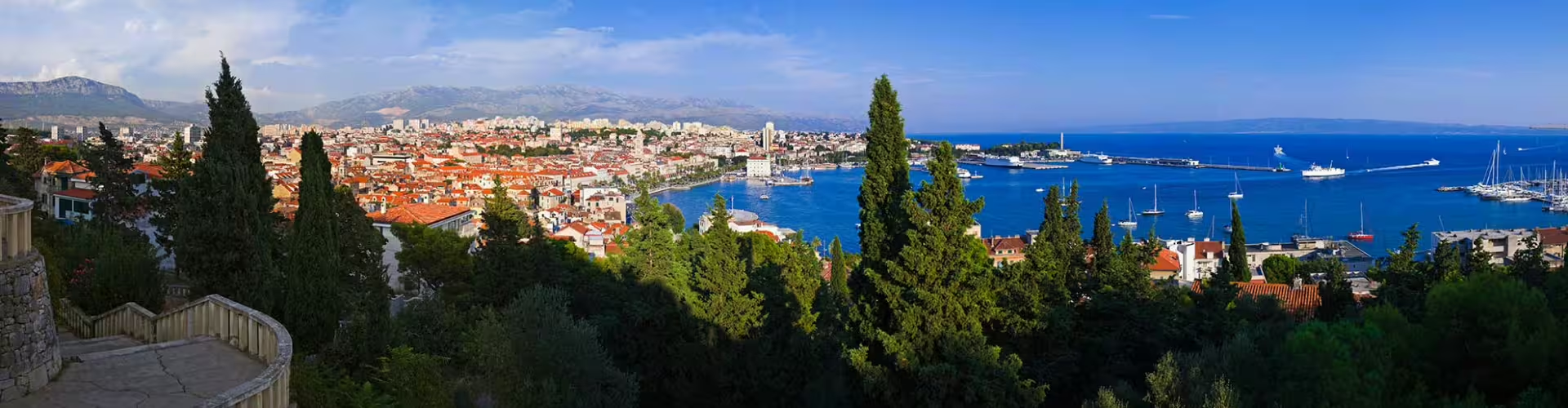
Nestled in the heart of Croatia, Split-Dalmatia offers a captivating blend of historical charm and stunning Adriatic landscapes. This region is a haven for travelers seeking a mix of cultural immersion and outdoor adventure.

🗺️ Where It Sits

📍 Geography and Nearby Hubs

Located in the southern part of Croatia, Split-Dalmatia is easily accessible from major cities like Split and Dubrovnik, with well-connected ferry and train services.

🕒 Best Time To Visit

Visit in spring or fall for pleasant weather and fewer crowds, while summer attracts beach lovers; winter is quieter but offers unique cultural experiences.

💰 Typical Costs and Money Tips

Expect moderate costs with options for budget and luxury. Credit cards are widely accepted. Consider combo tickets for attractions to save money.

⭐ Essential Things To Do

Diocletian's Palace - Explore this UNESCO World Heritage site in Split, allowing a couple of hours for a full experience.

Hvar Island - A short ferry ride from Split, this island is famous for its vibrant nightlife and beautiful beaches.

Klis Fortress - Offers panoramic views over Split, perfect for history enthusiasts and photographers.

Blue Cave - A natural wonder, best visited in the morning for the most striking color display.

Makarska Riviera - Known for its stunning beaches, ideal for family-friendly outings.

Krka National Park - Famous for its waterfalls, allocate a full day to explore its trails and natural beauty.

🚶 Suggested Short Itineraries

⏰ One Perfect Day

Start with a morning visit to Diocletian's Palace, lunch at a seaside restaurant, afternoon at the beach, and evening in the Old Town.

⏰ Two Days

Day one as above, day two visit Hvar Island, enjoy local seafood, and explore its lavender fields.

⏰ Three Days

Day one and two as above, day three explore Klis Fortress and take a scenic drive along the Makarska Riviera.

🍽️ What To Eat And Drink

Peka - A traditional Croatian dish slow-cooked under an iron bell, often featuring lamb or octopus.

Black Risotto - A seafood delight colored with squid ink, popular along the coast.

Pašticada - A beef stew marinated in vinegar and wine, typically served with gnocchi.

Grilled Fish - Freshly caught and simply prepared, a staple of Dalmatian cuisine.

Rakija - A potent fruit brandy, perfect for a local toast.

🚌 Getting Around

Use local buses for city travel, ferries for islands. Consider renting a car for exploring rural areas. Public transport is efficient and affordable.

🌄 Best Day Trips

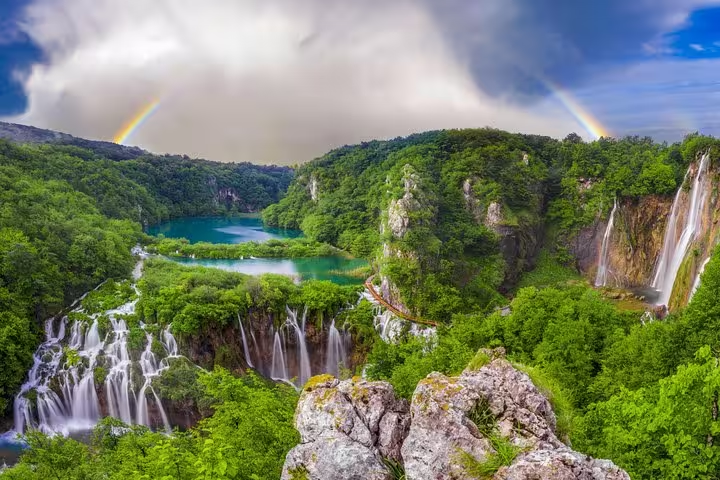
Plitvice Lakes - A UNESCO site, 2.5 hours from Split, known for its cascading lakes and lush landscapes.

Šibenik - Less than an hour away, featuring historic architecture and the stunning St. James Cathedral.

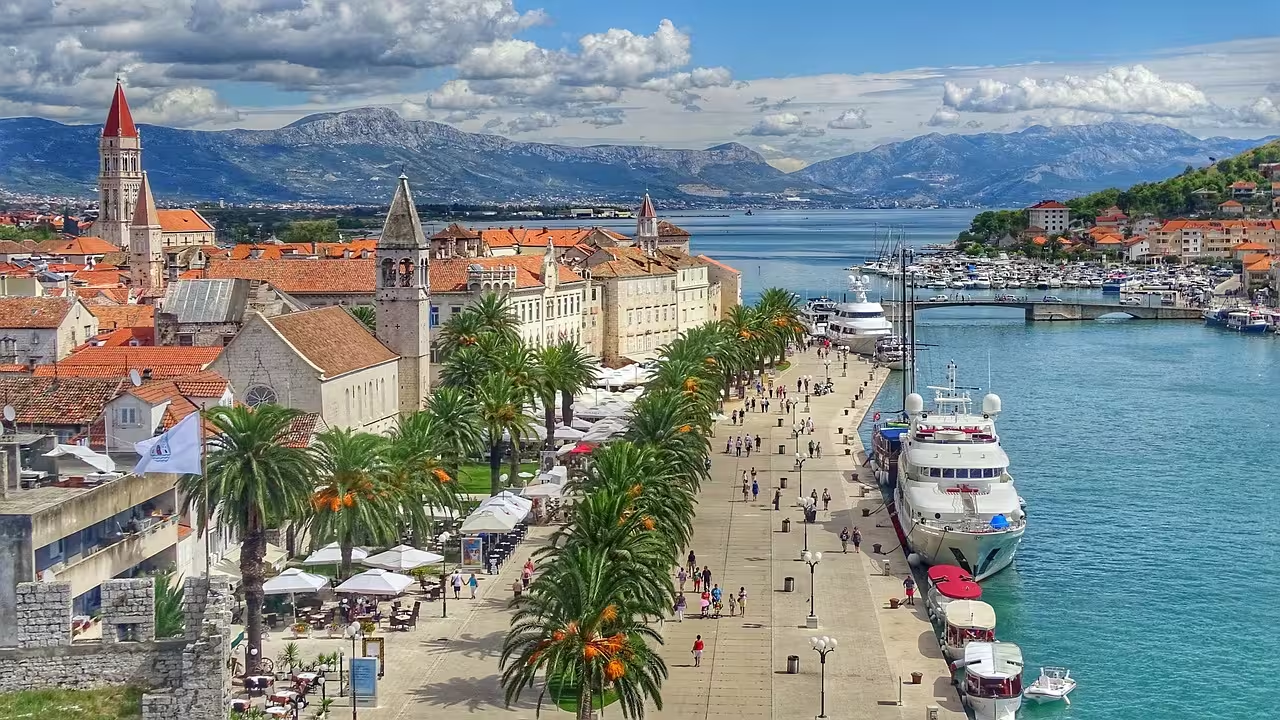
Trogir - A charming coastal town with medieval roots, just a short drive from Split.

✅ Practical Tips For Visitors

  • Book attraction tickets in advance to avoid queues.
  • Wear comfortable shoes for exploring historic sites.
  • Carry a reusable water bottle to stay hydrated.
  • Check weather forecasts and plan accordingly.
  • Respect local customs and dress modestly in religious sites.

❓ Frequently Asked Questions, FAQ

Q: How many days do I need to explore Split-Dalmatia?
A: Three days is recommended to fully enjoy Split-Dalmatia, explore its main attractions, and take a day trip.

Q: Are there any combo tickets available for attractions?
A: Yes, combo tickets for major attractions in Split-Dalmatia offer savings on entry fees and are worth considering.

Q: What are the best neighborhoods to stay in Split?
A: The Old Town offers charm and proximity to attractions, while the beach area provides stunning views and easy access to the sea.

Q: What is the weather like in Split-Dalmatia?
A: Summers are warm and sunny, ideal for beach activities, while spring and autumn are mild, perfect for sightseeing.

Q: Is Split-Dalmatia accessible for travelers with mobility issues?
A: Some attractions have steps and uneven terrain, but many areas are accessible with assistance. Plan ahead for specific needs.