Last updated:


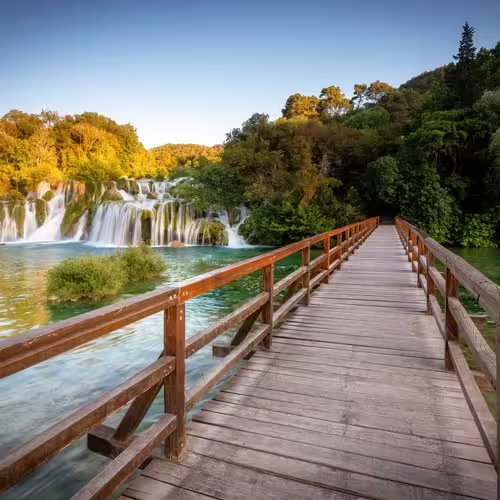
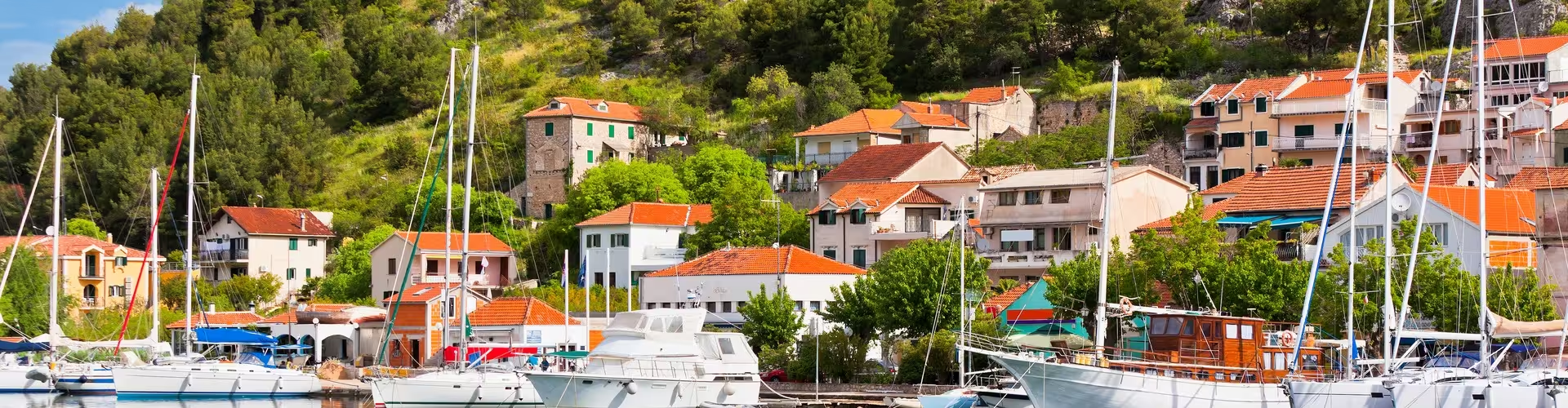
Skradin suits a stay focused on the Krka river and national park, with historic sights to give the town itself a place in your plans. This small Croatian town in Šibenik-Knin County is beside an entrance to Krka National Park, close to the river.
Turina fortress and the Church of the Nativity of the Virgin Mary give a town visit a focus beyond the national park. Turina, traditionally linked to the Šubić family, stands on the hill above the harbour, so it is a natural starting point for exploring Skradin's medieval past. The fortress occupies an earlier Liburnian hillfort site and was built during Ban Paul Šubić's reign, between 1273 and 1312.
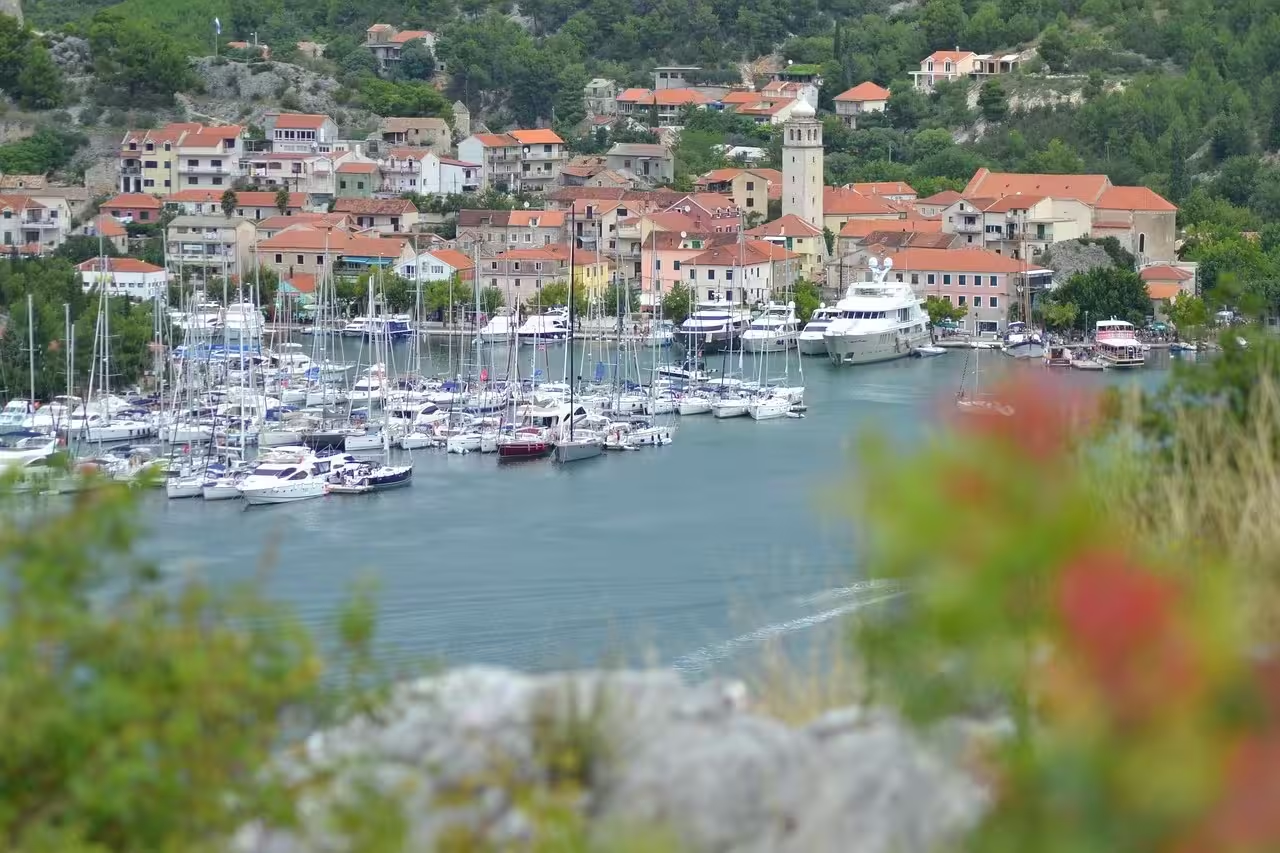
At the Church of the Nativity of the Virgin Mary, the history reaches beneath the building: this Baroque former cathedral was built in the 18th century on the site of an Ottoman mosque, which itself stood on the foundations of an earlier pre-Romanesque church. For another link to the Šubić family, the nearby Uzdah-kula tower was built to keep watch over the road between Skradin and the hinterland.
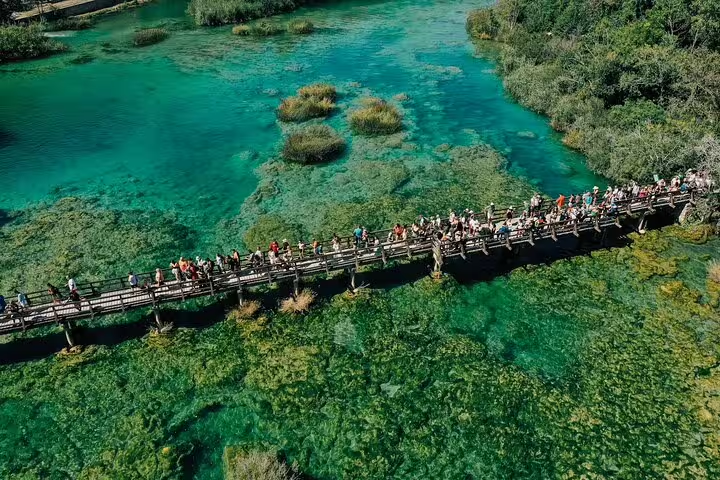
A day focused on Turina fortress and the church is a reasonable starting plan for Skradin itself; allow a separate day if you also want a Krka National Park excursion. Keeping the town and park as separate parts of the trip leaves room for both the medieval sites and the river landscape. The park stretches across about 109 square kilometres along the Krka, so it helps to decide which sights matter to you before filling that park day.
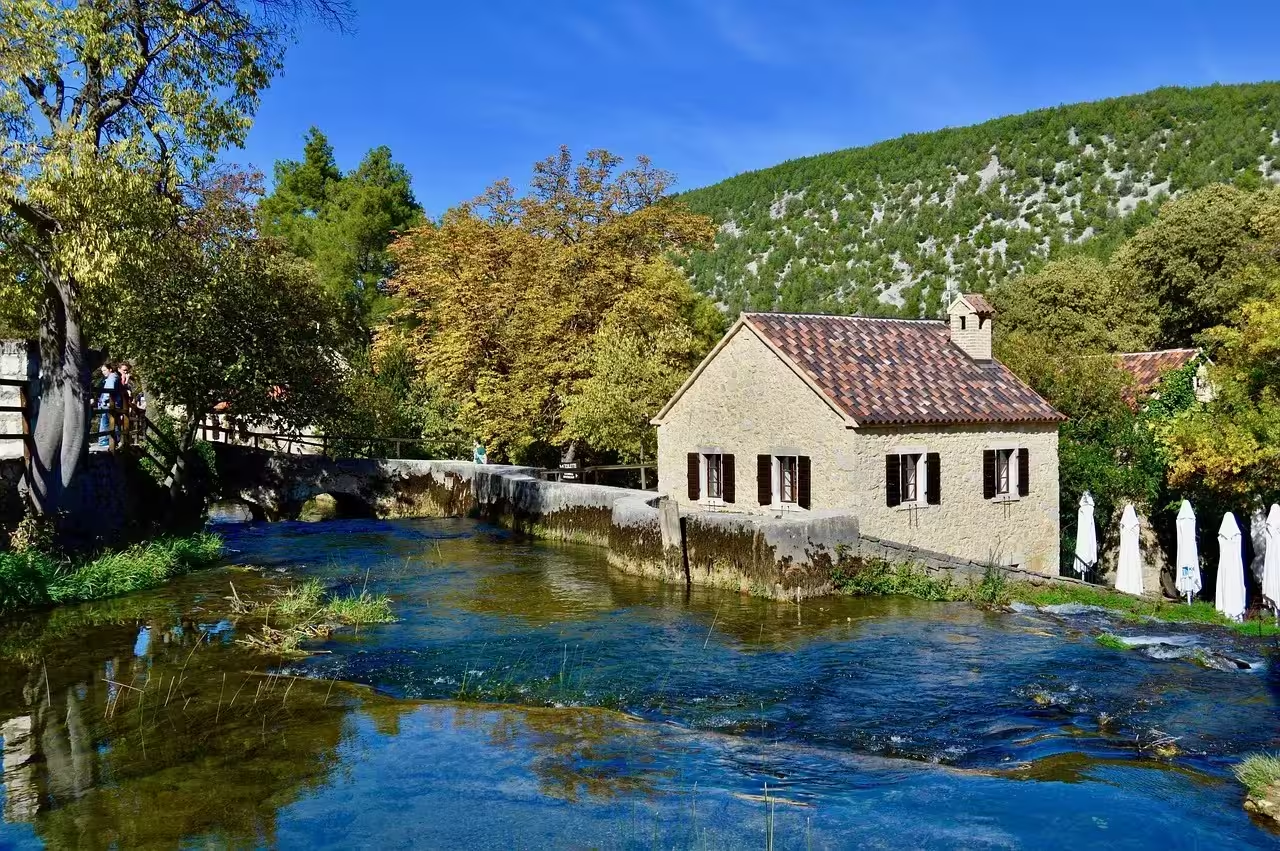
A Krka National Park day trip from Split with swimming takes 9 hours and includes return bus transport from Split, a licensed guide throughout, a boat journey from the park to Skradin and park admission.
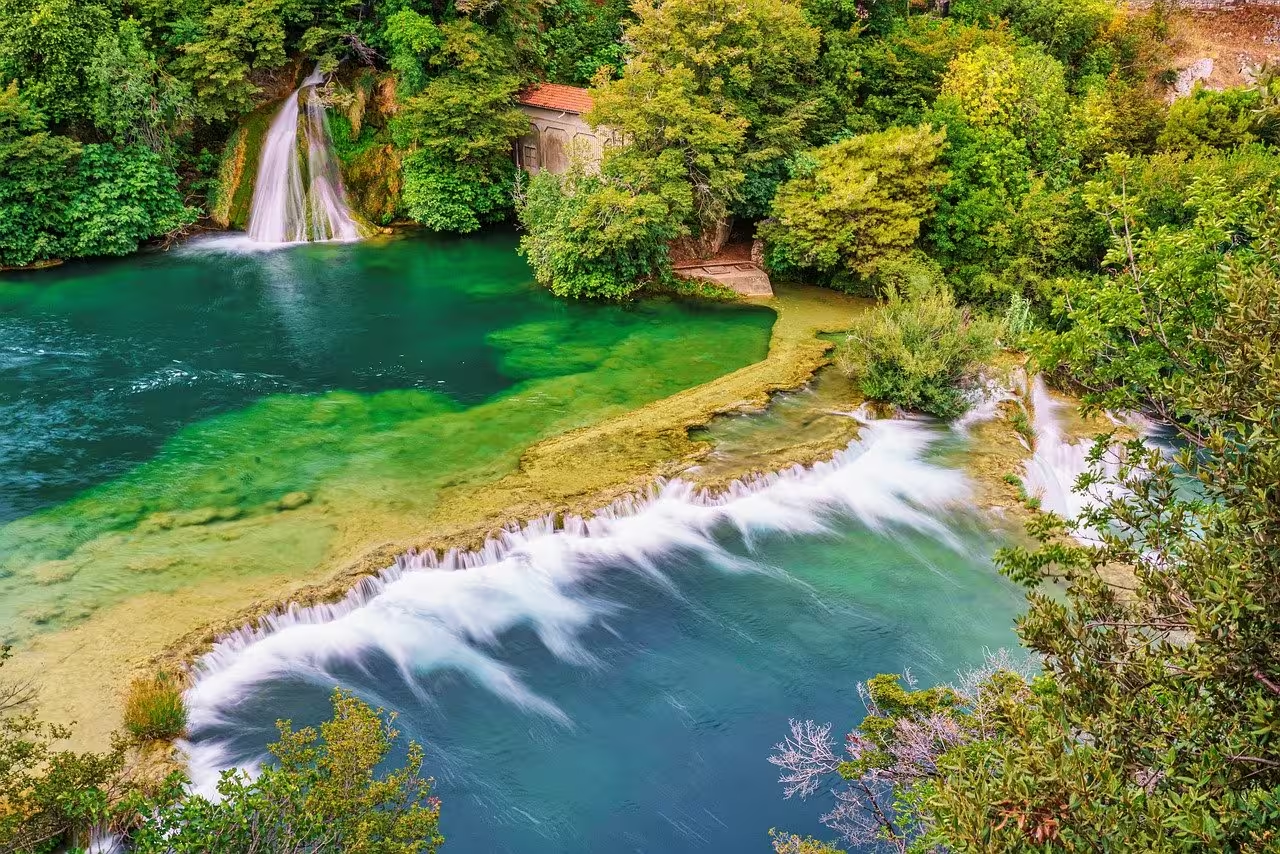
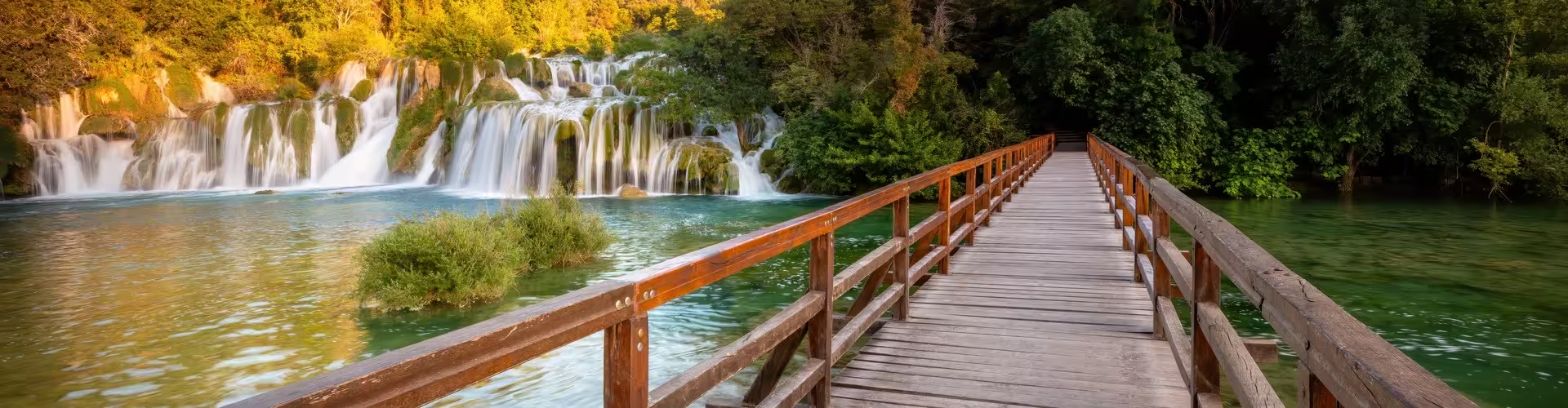
Visovac suits a boat outing, while Roški Slap gives a waterfall visit a clear focus. A Franciscan monastery stands on Visovac island, surrounded by a lake on the Krka, and boat tours reach it from Skradinski Buk, among other departure points. Roški Slap begins with small tufa cascades known as the Necklaces and ends with its highest fall, which drops into Lake Visovac; the whole barrier is about 650 m long and about 25 m high.
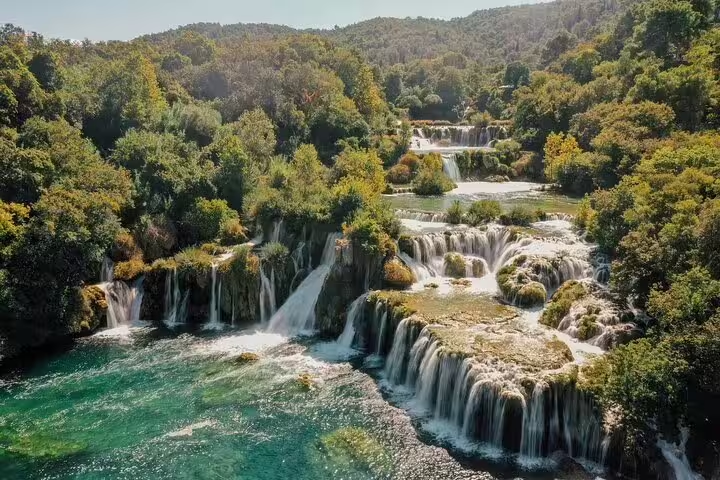
A Krka National Park day trip and lake cruise from Split lasts 6 hours, including a guided park walk, a Lake Skradin cruise and a professional English-speaking guide. A Krka National Park day trip from Zadar with a lake cruise also lasts 6 hours and includes a guided park tour, a Lake Skradin cruise, a traditional Croatian lunch at a local restaurant and a professional English-speaking guide.
Burnum is an outing to plan around Roman remains. Its surviving sights include basilica arches, an amphitheatre in good condition and a military training ground. The camp dates from the early 1st century, and Roman Scardona was the port that supplied the army stationed at Burnum.
Boat tours to Visovac run from Skradinski Buk, among other departure points. For the wider journey, Skradin is about 17 km from Šibenik and about 100 km from Split, useful distances when deciding where to base the trip. Skradin itself makes sense as a base if access to Krka National Park is your priority, because the town stands at a park entrance.
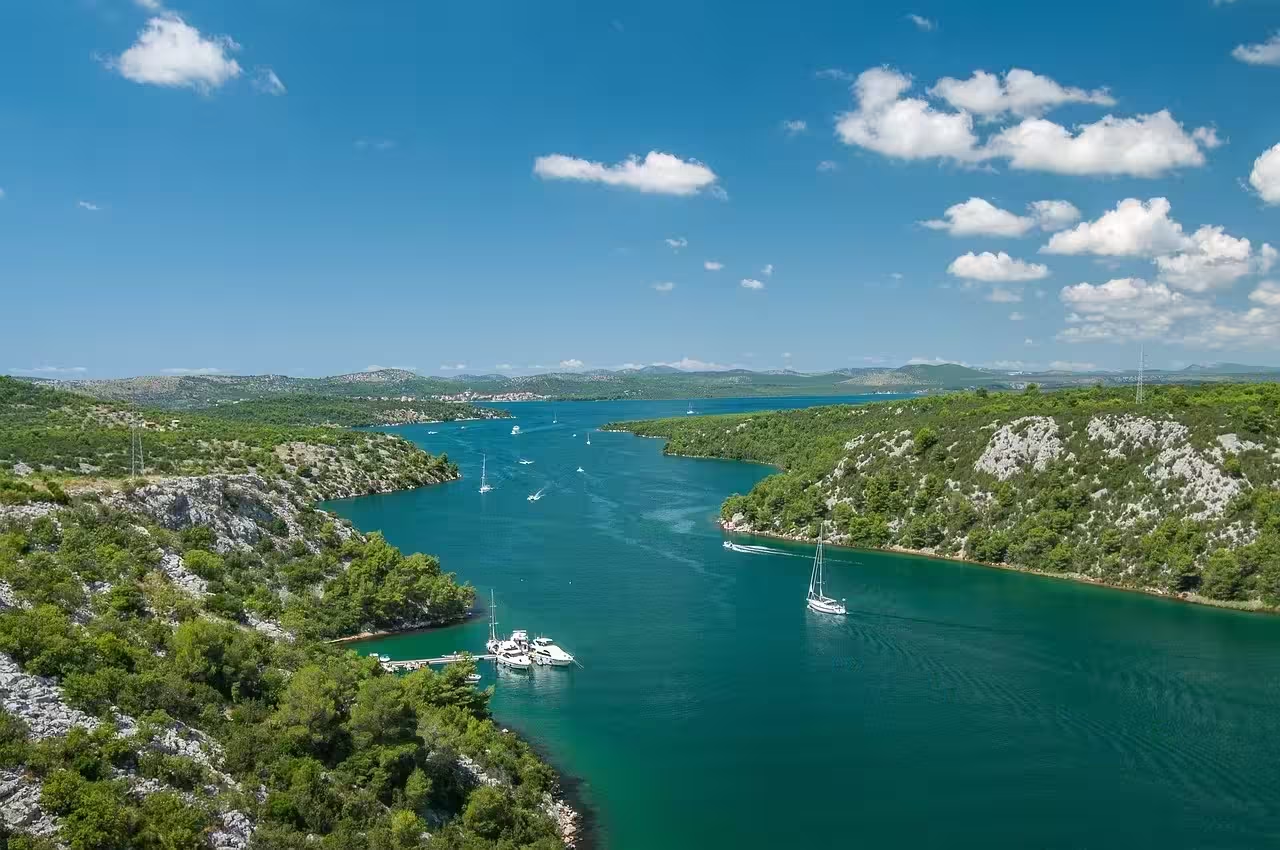
The Krka runs for 73 km. Its source is at the foot of Dinara mountain, near the border between Croatia and Bosnia and Herzegovina.
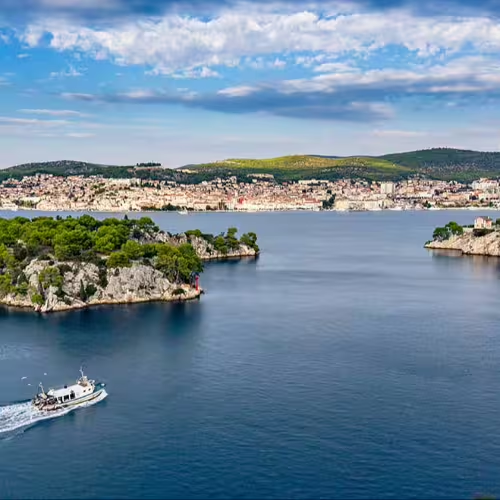
The estuary stretches a little over 22 km, from below the Skradinski Buk falls in the north to St. Nicholas Fortress in the south.
Krka National Park lies within the Mediterranean and sub-Mediterranean region of Southern Europe.