Krka National Park

Plan a smarter Krka National Park day with logistics, best things to do, itineraries, local flavors, transport tips, and nearby day trips, built for decision-making and easy route planning.

logoBlack

Build your dream
experience

dreamimg

More to know about Krka National Park


Krka National Park Travel Guide

Krka National Park is one of Croatia’s most rewarding nature escapes, combining river landscapes, waterfalls, and heritage sites into a day trip that feels both adventurous and easy to plan. The park’s signature vibe is fresh water, shaded trails, and panoramic viewpoints that deliver big scenery without requiring technical hiking. This guide focuses on practical choices, what to prioritize, and how to shape your time so you leave feeling like you saw the best of the park, not just the busiest spots.


Snapshot

Krka National Park is defined by the Krka River and a chain of natural and cultural highlights that can fit into a single day or expand into a slower multi-day trip. Go for the contrast of rushing water and quiet stone villages, plus the sense of stepping into a landscape that has shaped local life for generations. It is especially appealing when you want a nature-forward itinerary that still pairs well with coastal hubs and historic towns in the region.


๐Ÿ—บ๏ธ Geography and Logistics

๐Ÿ“ Orientation: Where is it within Sibenik-Knin County and Croatia? Name key gateway airports or hubs.

Krka National Park sits in Croatia’s Sibenik-Knin County, making it a natural add-on to time in the Dalmatian coast and inland river valleys. For travel planning, think in terms of regional hubs, then connect by road to the park entrances and trail networks. Common gateway options include nearby coastal cities and major airports that serve central Dalmatia, then onward travel by car, transfer, or organized excursion.

๐Ÿ•’ When to Go: Seasonal breakdown. Weather patterns vs. crowd levels.

Seasonality here is mostly about balancing comfort and crowd levels. Warmer months typically bring the highest visitation and the most energetic atmosphere on the main walkways, while shoulder seasons often feel calmer and more spacious on trails and viewpoints. Cooler periods can be ideal for travelers who prioritize photography, quieter paths, and a slower pace, with the trade-off that some services may run on reduced schedules.

๐Ÿ’ฐ Budget & Currency: Practical money tips, local price levels, and card vs. cash advice.

Plan a flexible budget that covers transport, entry, and food, plus a buffer for optional extras such as guided experiences or boat connections where available. Cards are widely used in Croatia, but it is still smart to carry some cash for smaller purchases and rural stops near the park. If you are visiting from the coast, treat the day like a mini-excursion, pack water and snacks, then choose one sit-down meal in a nearby town to keep costs predictable.


โญ Essential Things to Do

Skradinski Buk Walkway Circuit
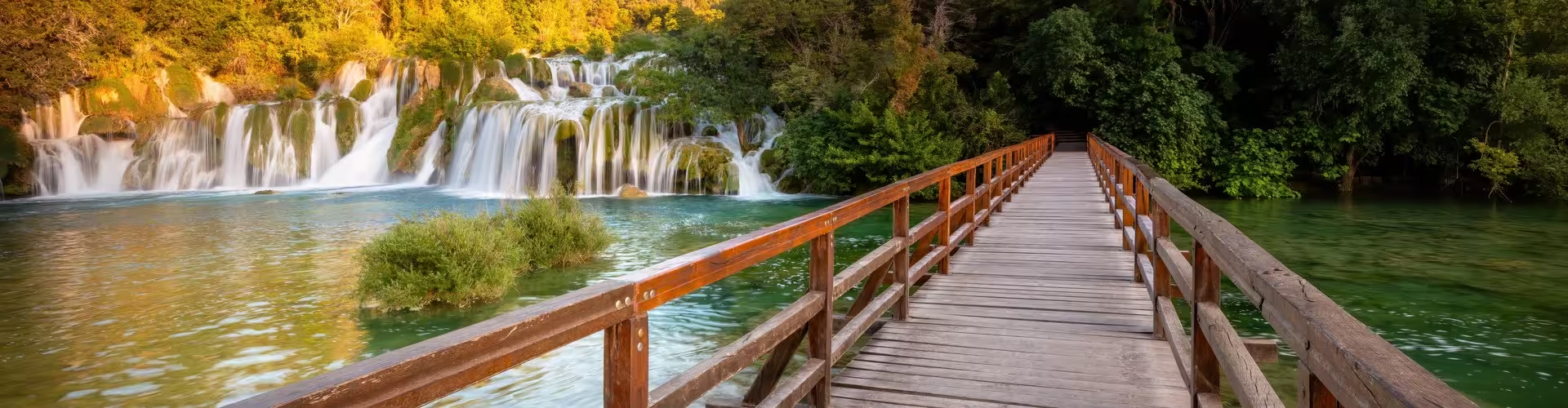
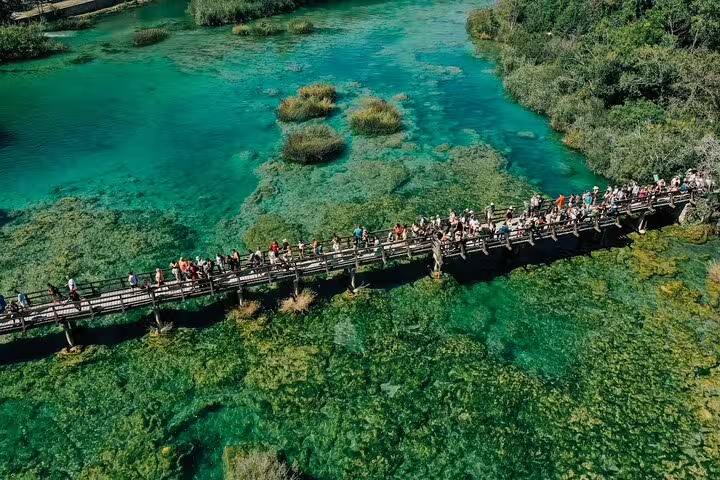
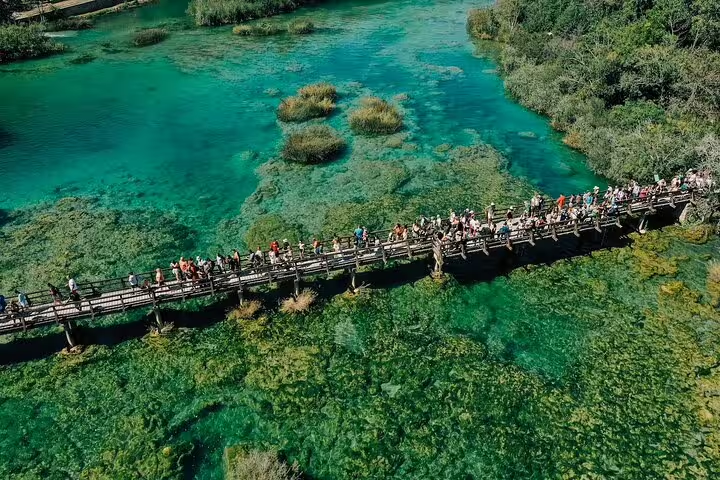
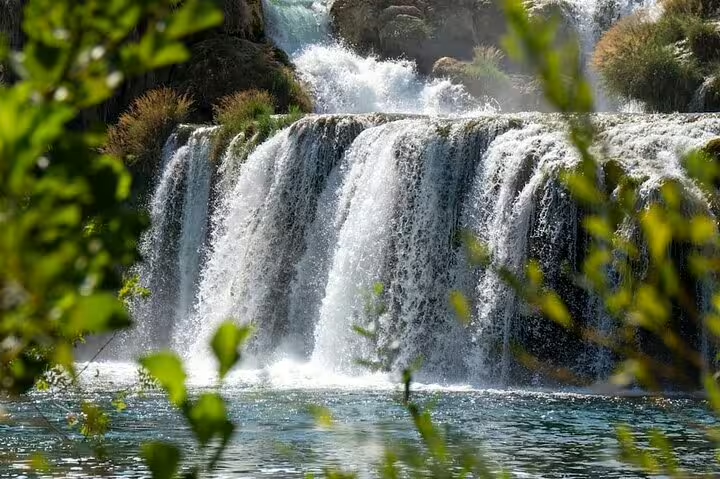
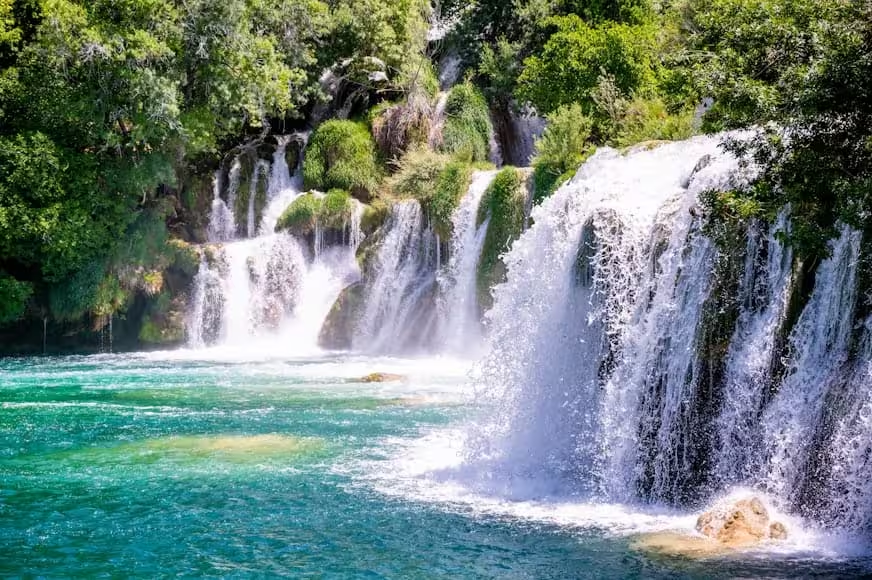
This is the park’s signature experience for many travelers, a classic combination of wooden paths, river views, and waterfall scenery that feels immersive without being strenuous. It matters because it delivers the “Krka” visual identity in a compact route, which is ideal if you have limited time. Practical tip, start early or later in the day to enjoy a calmer atmosphere and more photo-friendly light.

Scenic Viewpoints and Photo Stops
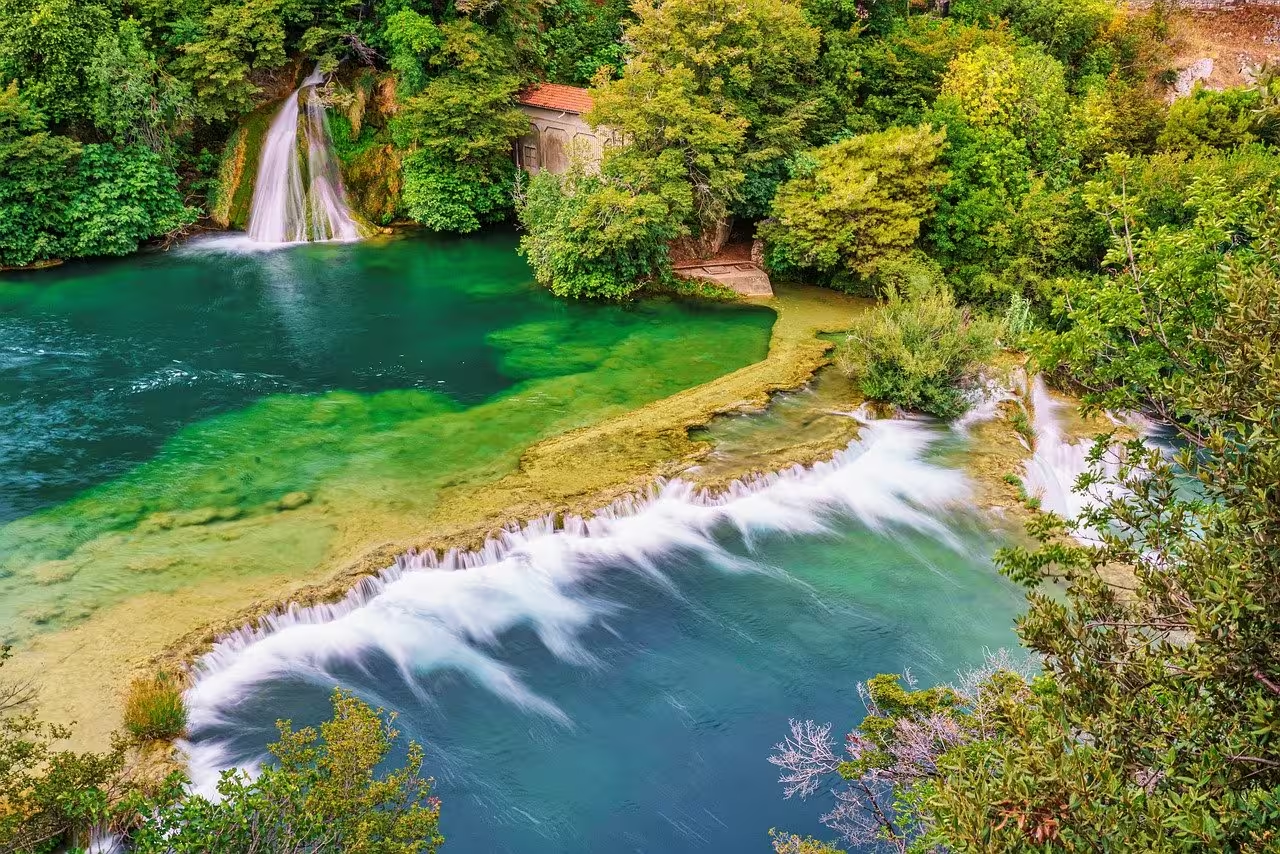
Beyond the main walkway, viewpoints help you understand the park’s scale and the way the river shapes the landscape. They matter because a few minutes at a higher vantage point turns a pleasant walk into a memorable panorama. Practical tip, pause and look for layered compositions, water, stone, and forest, then hold your spot for a gap in foot traffic.

River-Edge Nature Walks
Slower trails along the river are where the park’s quieter side shows up, shaded sections, gentle sounds of moving water, and a more reflective pace. They matter because they balance the busier highlights and make the visit feel less like a checklist. Practical tip, wear shoes with good grip and bring a light layer, shaded paths can feel cooler than open viewpoints.

Historic Monastery and Heritage Sites
Cultural landmarks inside and around Krka National Park add depth to the day, connecting the natural setting with centuries of local history. They matter because they show how communities have lived with the river, not just visited it. Practical tip, dress respectfully and plan a quieter time window if you want a more contemplative visit.

Boat Connections and Water-Based Perspectives
Seeing the park from the water changes the rhythm, the scenery unfolds gradually and highlights feel more cinematic. It matters because it offers a different angle on the river corridor and can reduce time spent on repetitive backtracking. Practical tip, align your route so a boat segment links two key areas, then keep your schedule flexible for queues.

Short Hikes to Lesser-Visited Corners
If you want space, choose a trail that pulls you away from the main concentration of visitors. It matters because you can hear the landscape again, wind in trees, water in the distance, and birdsong, which is often what people remember most. Practical tip, carry enough water and download offline maps, mobile coverage can vary in rural terrain.

Local Food Stop in a Nearby Town
A meal outside the busiest park nodes can feel like a reward, especially after walking. It matters because it anchors your day in regional flavors and supports local businesses beyond the entry gates. Practical tip, aim for a simple seasonal menu, then ask what is freshest rather than chasing the most photographed dish.

Golden Hour Nature Watching
Late-day light can make water surfaces glow and soften the contrast in forested areas. It matters because you will often get your best photos and your calmest moments at the same time. Practical tip, check your return transport plan in advance so you can stay longer without rushing.


๐Ÿšถ Curated Itineraries

โฐ The Highlights (1 Day): A fast-paced “Best Of” route.

Start with the most iconic waterfall-area walkway to secure your core experience early, then add a viewpoint stop to get a sense of the wider river landscape. After that, choose one cultural site, such as a monastery or heritage stop, to balance nature with history. Finish with a relaxed meal in a nearby town, then return with a short river-edge stroll if time allows.

โฐ Deep Dive (2 to 3 Days): Adding neighborhood exploration and local secrets.

On day one, focus on the headline waterfall circuit and a water-based segment if available, then end with sunset viewpoints. On day two, prioritize quieter trails and lesser-visited corners, this is where the park feels more personal and less tour-driven. If you have a third day, use it to explore nearby towns and coastal heritage hubs, creating a balanced trip that mixes rivers, stone architecture, and regional cuisine.


๐Ÿฝ๏ธ Flavors of Krka National Park

Grilled Fish
Expect clean, simple flavors, olive oil, herbs, and a focus on freshness. Ordering tip, ask what is local and in season, then pair it with a light side rather than heavy sauces.

Dalmatian-Style Meat Dishes
Hearty plates are common in the region, often built around slow cooking and straightforward seasoning. Ordering tip, if you want value, choose a house specialty rather than an international option.

Cheese and Cured Meats
These are ideal for a picnic-style meal when you want to maximize time on trails. Ordering tip, buy smaller portions from a local shop, then build a simple spread with bread and fruit.

Seasonal Vegetable Sides
Think grilled or marinated vegetables that complement fish and meat without stealing the spotlight. Ordering tip, ask for a seasonal side, it is often the freshest part of the menu.

Pastries and Coffee
A café stop can reset your energy between sites, especially on a multi-day plan. Ordering tip, keep it simple, coffee plus one pastry, then save a bigger meal for later.

Local Wine
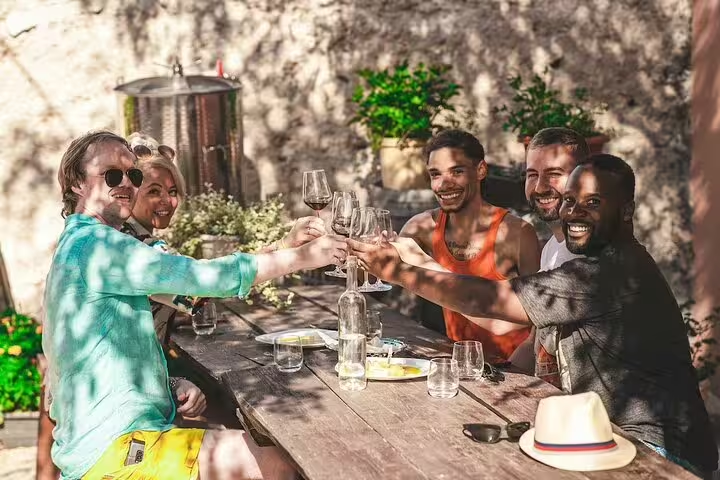
Dalmatia is known for food-friendly wines that pair well with grilled dishes. Ordering tip, if you are unsure, ask for a glass recommendation that matches your main course rather than choosing by name alone.


๐ŸšŒ Navigation and Transport

Most visitors move through Krka National Park using a mix of walking routes and road connections between key areas. Walking is the best way to experience the waterfalls and river-edge scenery, while a car, transfer, or organized tour helps link different entrances and sites efficiently. If you are relying on public transport, plan carefully and build in time buffers, rural schedules can be less frequent than coastal routes.

For safety and comfort, wear stable shoes for boardwalks and natural paths, bring water, and plan for sun exposure on open viewpoints. If accessibility is a priority, focus on the most developed walkways and viewpoints, then confirm route suitability on arrival based on current conditions and posted guidance.


๐ŸŒ„ Beyond the Center: Day Trips

Sibenik
Travel time varies by route and starting point, but it is typically a practical add-on from the region. Visit for coastal atmosphere, historic streets, and a strong sense of Dalmatian heritage.

Skradin
Often used as a gateway town, it is a relaxing place to slow down with waterfront views and a more local pace. Visit for a scenic base and an easy transition between town life and nature.

Knin
An inland counterpoint to the coast, offering a different regional feel. Visit to add context to the county beyond the shoreline and to explore the broader landscape.

Split
A major hub for transport and urban energy, useful if you are stitching together a multi-stop Croatia itinerary. Visit for history, food, and connections to other destinations.

Zadar
Another coastal option with a strong promenade culture and sunset views. Visit if you want to pair nature time with an easygoing seaside city break.


โœ… Insider Tips for Travelers

  • Arrive early or later in the day to reduce time spent in queues and to enjoy clearer viewpoints.
  • Prioritize one main waterfall walkway plus one quieter trail, this mix delivers both iconic scenes and calm moments.
  • Pack water, sun protection, and a light layer, shaded river sections can feel cooler than open paths.
  • Keep your schedule flexible if you plan to use boat connections or transfers, short delays can ripple through the day.
  • Choose a nearby town meal to avoid peak-time crowds at the most central visitor nodes.
  • Bring a small amount of cash for minor purchases and rural stops, even if you plan to pay mostly by card.
  • For better photos, pause at viewpoints and wait for gaps in foot traffic rather than rushing through.

โ“ Frequently Asked Questions, FAQ

How much time do I need for a visit?
A well-planned day is enough to see the main waterfall walkway and one additional viewpoint or cultural stop. If you want quieter trails and a slower pace, consider spreading your visit across two days.

Is it better to visit in the morning or afternoon?
Morning often feels calmer and can make logistics easier if you are connecting from a coastal hub. Late afternoon can be excellent for softer light and a more relaxed atmosphere if your return transport is secure.

Do I need a car to get around?
A car or transfer makes it easier to link different areas and entrances, especially if you are short on time. It is still possible to visit Krka National Park on an organized tour if you prefer not to drive.

What should I wear and pack?
Wear comfortable walking shoes with good grip and bring water and sun protection. A light layer is useful because shaded river paths can feel noticeably cooler.

Can I combine Krka with nearby towns in the same trip?
Yes, many travelers pair Krka National Park with a nearby gateway town for a meal or an evening stroll. This works best when you keep your park route focused and avoid trying to cover every trail in one day.