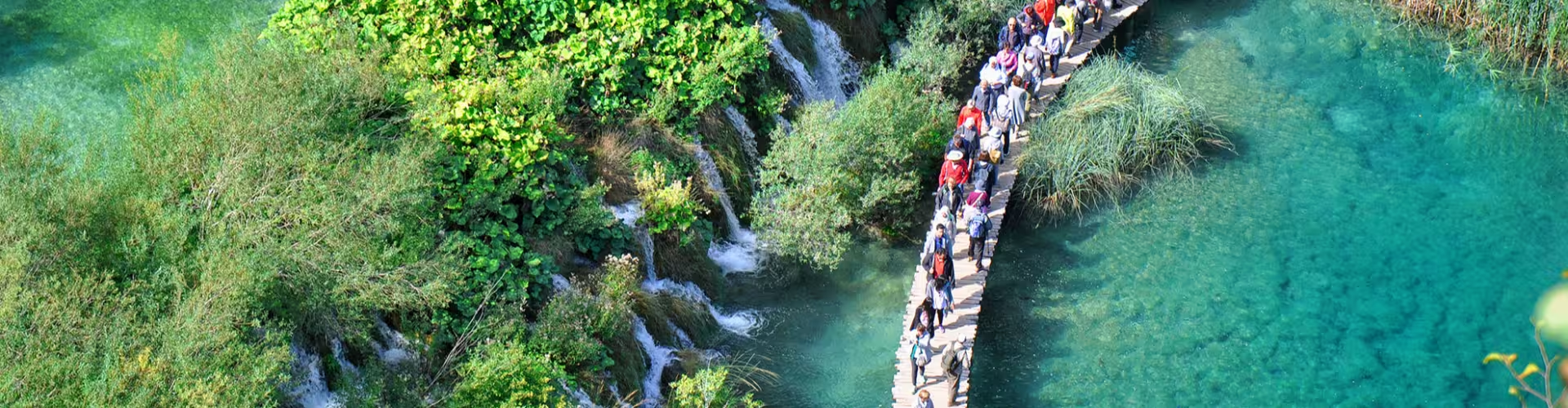
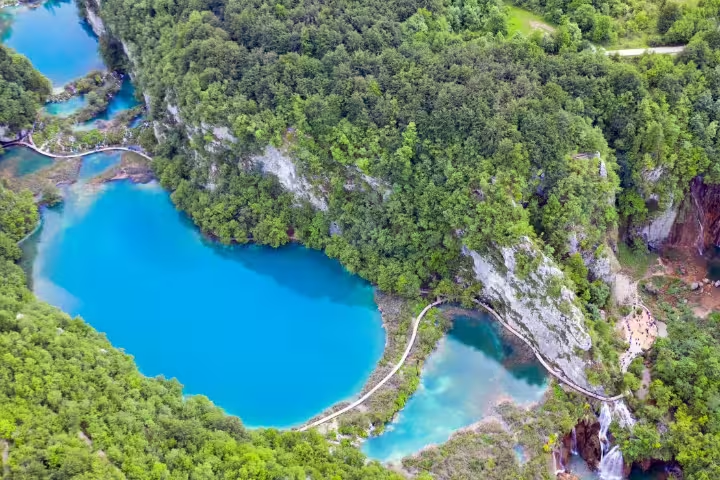
Plitvička Jezera is a nature-first destination defined by layered lakes, waterfall soundscapes, and wooden walkways that keep you close to the water without disturbing it. The signature vibe is slow, photogenic, and restorative, a place where you plan your day around light, mist, and trail rhythm rather than city schedules. Go now if you want a high-impact outdoor experience that rewards early starts and smart routing, especially if you pair Plitvice Lakes National Park with nearby countryside stops.
Plitvička Jezera sits in Croatia’s inland landscape, within Lika Senj County, a region known for forests, karst terrain, and low-density villages. Travelers typically approach via Croatia’s main transport hubs and then continue by road, since this area is oriented around driving routes rather than rail corridors. For trip planning, treat it as an easy anchor for a nature-focused Croatia itinerary that can connect onward to other regions once you finish your lake and trail days.
Expect a strong relationship between season and experience. Warmer months usually bring the most visitors and the most energetic atmosphere on the boardwalks, while cooler periods can feel quieter and more contemplative, with softer light that suits photography and unhurried walks. Whenever you go, plan to start early to enjoy calmer trails, then use mid-day for slower viewpoints and breaks.
Budgeting for Plitvička Jezera is simplest when you separate costs into transport, food, and any park-related logistics, then keep a buffer for convenience purchases on busy days. Cards are widely used in many travel settings, but it is still practical to carry some cash for small purchases and rural stops where payment options can vary. A good strategy is to set a daily cap for snacks and quick meals, then prioritize one sit-down meal for recovery after long walks.
1) Walk the boardwalk routes in Plitvice Lakes National Park
The boardwalks are the signature experience, putting you directly above clear water and close to cascades without needing technical hiking skills. The sensory payoff is immediate, with constant sound and shifting reflections that change every few minutes. Practical tip, begin as early as you can so your photos feel calmer and you can choose your pace without bottlenecks.
2) Plan a waterfall-focused loop
Waterfalls are not a single stop here, they are a sequence, and the best visits treat them like chapters in a story. Building a loop around cascades helps you avoid backtracking and keeps your energy steady. Practical tip, choose one main waterfall zone to linger in, then move on, rather than trying to photograph every drop of water you see.
3) Prioritize viewpoints for the “layered lakes” effect
The destination is visually famous because you can see multiple lake levels at once, which is where the landscape feels most dramatic. Viewpoints also help you understand the geography, how water steps down through natural barriers. Practical tip, aim for viewpoints when the light is softer, early or later in the day, for better contrast and fewer harsh reflections.
4) Do a photography-first walk
Even casual photographers get strong results here because the scenery provides natural leading lines, texture, and color. A photography-first route encourages you to slow down, watch for mist, and wait for clear moments on the boardwalk. Practical tip, keep your gear minimal and accessible, a phone plus a small cloth for lens wiping is often more useful than a heavy kit.
5) Choose a hiking trail segment beyond the busiest corridors
The park experience changes when you step onto quieter trail segments, where forest sounds and birdlife replace crowd noise. This adds depth, turning a scenic visit into a more immersive landscape day. Practical tip, pack water and a snack, and treat the quieter sections as your reset time between the most popular lake areas.
6) Build a “slow travel” half-day around rest and scenery
Not every hour needs to be active, because the destination is also about atmosphere. A slow half-day lets you sit, observe, and appreciate how water movement shapes the environment. Practical tip, schedule your slow time after your main walk, so you can recover and still feel productive.
7) Pair the lakes with a countryside drive in Lika Senj County
The surrounding region adds context, with a rural, spacious feel that contrasts strongly with coastal Croatia. A short drive helps you understand why this area feels quieter and more elemental. Practical tip, keep your route simple and allow extra time for scenic stops, because the best moments often happen between planned points.
8) Time your visit for a calmer experience
Crowd dynamics can define how the day feels, especially on narrow boardwalk sections. Visiting at off-peak times changes the mood from hurried to meditative. Practical tip, if you arrive later, focus on fewer zones and do them well, rather than trying to cover everything in one push.
Start early and commit to a single, coherent route through Plitvice Lakes National Park so you spend more time walking and less time deciding. Begin with the most iconic boardwalk sections while energy is high, then add one viewpoint segment to capture the layered-lake panorama. Keep your breaks short and purposeful, water refill, quick snack, then continue, and save a longer meal for after you exit. This approach works best for travelers who want a strong overview of Plitvička Jezera in one day without feeling rushed by mid-afternoon.
With two to three days, split your time into different “moods” rather than repeating the same loop. Day one is for the signature boardwalks and waterfalls, day two is for quieter hiking segments and viewpoints, and day three can be a flexible buffer for weather, rest, or a short drive through Lika Senj County. The benefit is that you can revisit your favorite zone at a different time of day, which often makes it feel like a new place. This slower structure also reduces decision fatigue and helps you enjoy the destination as an environment, not just a checklist.
Food around Plitvička Jezera often aligns with countryside comfort and post-walk recovery. Use these ideas as a practical ordering framework, especially after a long day on trails.
Movement in and around Plitvička Jezera is primarily about walking routes once you are in the main nature areas, with road transport connecting you to the broader region. Build your day around comfortable footwear, steady pacing, and short rest stops, since even easy boardwalk sections can add up over hours. If you are traveling with limited mobility, plan conservatively and prioritize the most accessible scenic sections, because uneven surfaces and crowd density can affect comfort. Safety is mostly common sense, stay aware on narrow walkways, keep a steady pace, and avoid rushing around wet areas.
Choose one main walking route and add a single viewpoint segment so you get both close-up boardwalk scenery and a wider panorama. Starting early helps you keep a comfortable pace and reduces time spent in bottlenecks.
One day can cover the highlights if you plan a coherent loop and keep breaks simple. Two to three days lets you slow down, add quieter trail segments, and revisit favorite areas at different times of day.
Yes, many visitors focus on boardwalk sections that feel more like scenic walking than strenuous hiking. Wear stable shoes and pace yourself, because even easy terrain can add up over several hours.
Bring comfortable footwear, water, and a light layer since lakeside conditions can feel cooler than expected. A small towel or cloth is useful for moisture on lenses and screens.
Arrive early and prioritize the most popular boardwalk zones first, then shift to quieter trail segments later. If you cannot start early, focus on fewer areas and spend longer at viewpoints rather than trying to do everything.