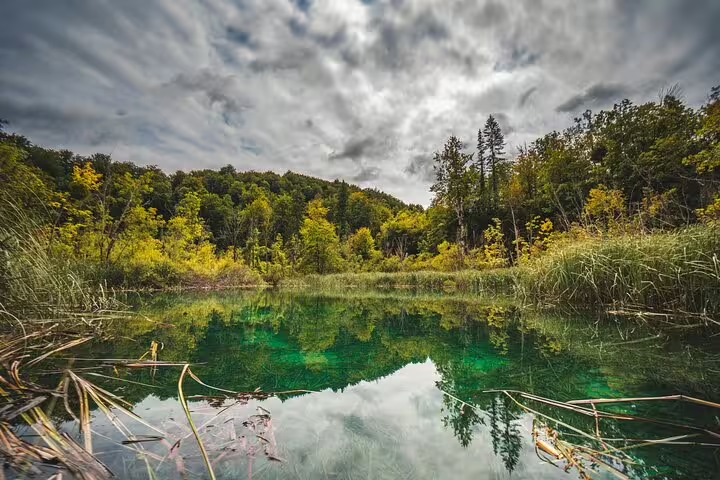
Plitvice Lakes National Park is a water shaped landscape of terraced lakes, ribboning waterfalls, and forest boardwalks that feels both cinematic and surprisingly easy to explore. The signature vibe is slow, sensory, and photo rich, with constant movement from lake to lake and viewpoints that change every few minutes. Go now if you want a nature forward trip that rewards early starts, smart route planning, and a little flexibility around weather and crowds.
Plitvice Lakes National Park sits in central Croatia, within the wider region that includes Karlovac County and the mountainous interior that links the coast with the capital. Many travelers treat it as a strategic stop between Zagreb and the Adriatic, or as a dedicated nature break on a Croatia road trip. The most practical approach is to plan your entry point in advance, because the park is large and your choice of entrance influences walking time, shuttle use, and the flow of your day.
Expect a destination that changes character with the seasons. Warmer months bring longer daylight and lush greenery, but also the highest visitor volume and busier boardwalks. Shoulder seasons can feel calmer and more immersive, with softer light for photography and a steadier pace on the trails. In colder periods, conditions can be more variable, so it helps to prioritize safety, check trail status locally, and pack layers that handle damp air near waterfalls.
Plan for a mid range day trip budget that includes park entry, transport, and meals, with extra room for add ons like guided tours or nearby accommodation. Card payment is common in Croatia, but it is still wise to carry some cash for smaller purchases and rural stops around the park area. To keep spending predictable, decide in advance whether you want a self guided day with packed snacks, or a more comfortable pace with sit down meals and shorter walking segments.
Below are curated experiences that help you get the most out of Plitvice Lakes National Park, balancing scenery, comfort, and time on your feet.
1) Boardwalk Loop Through the Lakes
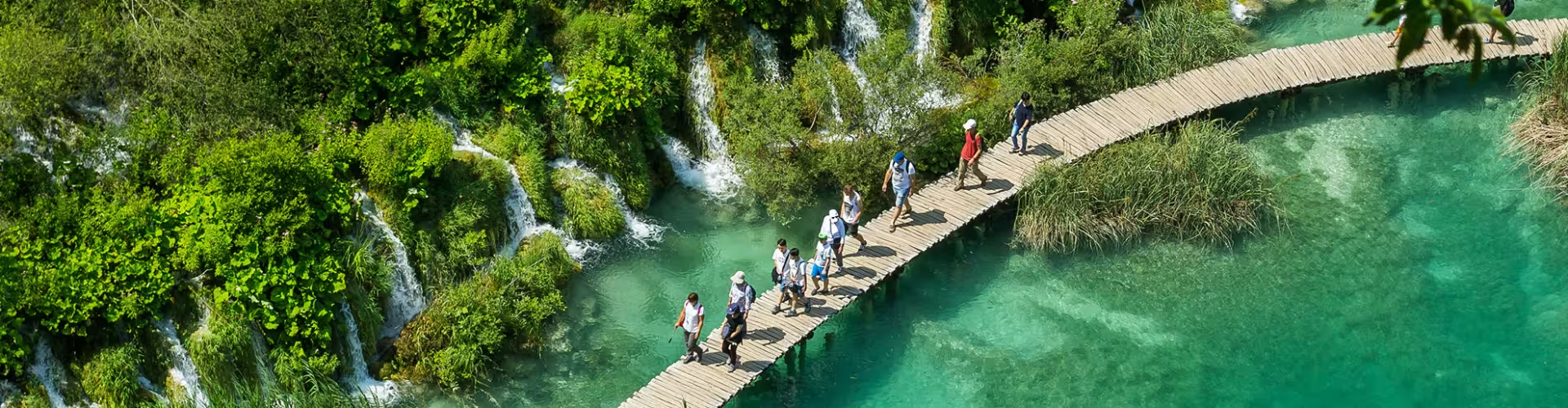
This is the core experience, moving across wooden paths that skim the waterline and thread between cascades. It matters because the park’s beauty is revealed in layers, with new angles at every bend and constant shifts in color and texture. Practical tip, start early to enjoy quieter sections and steadier photo opportunities before the busiest hours.
2) Waterfall Viewpoints for Wide Angle Photos
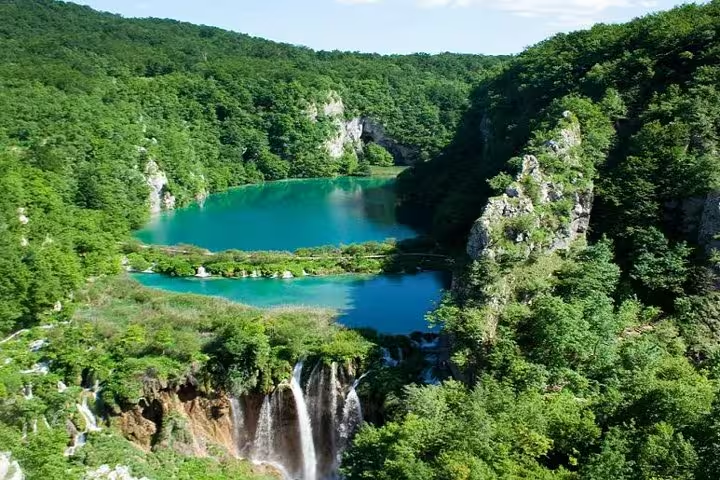
Viewpoints give you scale, showing how the lakes step down through the forest in a natural amphitheater of water. It matters because wide views help you understand the geography, not just the close up details. Practical tip, keep a small microfiber cloth handy, mist near waterfalls can soften phone and camera lenses.
3) Scenic Shuttle or Boat Segments
Many routes combine walking with park transport, which can make the day more accessible and reduce fatigue. It matters because it lets you focus your energy on the most scenic stretches rather than repeating long connectors. Practical tip, time your transport segments to avoid peak queues by traveling slightly earlier or later than the main wave of visitors.
4) Forest Trail Detours for a Quieter Vibe
Stepping off the busiest boardwalks into forest paths can feel like switching from a postcard scene to a deeper nature experience. It matters because the park is more than lakes, it is also a living woodland with shade, birdsong, and calmer air. Practical tip, wear shoes with grip, damp soil and leaf litter can be slippery after rain.
5) Slow Down at Lake Edges
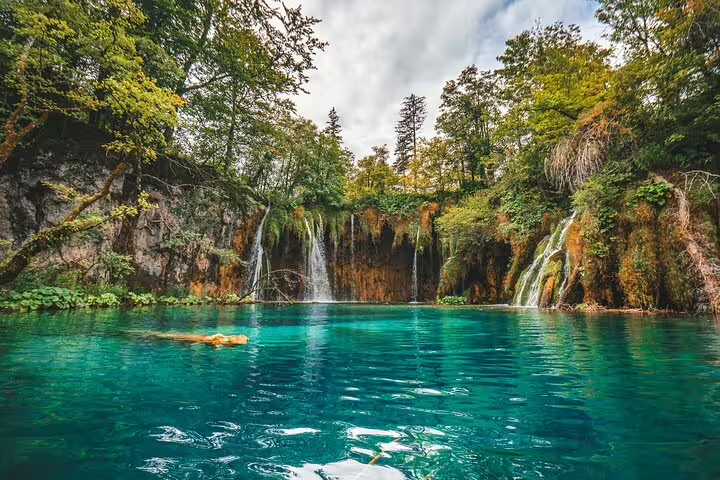
The lakes are the headline, but their detail is what stays with you, ripples, reflections, and the way color changes with light. It matters because pausing improves your experience more than rushing to “see everything.” Practical tip, pick two or three spots to stop for five minutes each, it keeps the day restorative rather than hectic.
6) Photography Walk, Light and Water Study
This park is ideal for simple, high impact photography, water movement, long exposures, and contrasting greens and blues. It matters because the scenery is dynamic, and small changes in light can transform the same scene. Practical tip, if you do not carry a tripod, stabilize your phone on a railing or bench and use a timer for sharper shots.
7) Wildlife and Nature Spotting
Even without “big sightings,” the park rewards attentive travelers with butterflies, birds, and the subtle signs of a healthy ecosystem. It matters because it shifts the focus from only landmarks to the broader environment. Practical tip, keep your voice low on quieter trails, you will notice more and disturb less.
8) Golden Hour Exit Strategy
The end of the day can feel calmer as groups depart, and the light often becomes softer for photos. It matters because your final impressions can be the most memorable, especially if you finish at a viewpoint or reflective lake edge. Practical tip, plan your return route early so you are not racing the last transport connections or walking back in a hurry.
Arrive early, choose an entrance that aligns with the lakes you most want to see, and begin with the boardwalk sections before they get crowded. Use a mix of walking and park transport to connect the main lake areas efficiently, then prioritize one or two viewpoints for that classic layered lakes perspective. Build in short stops for water and snacks, because a steady pace beats rushing, especially on narrow boardwalks where passing is limited.
On day one, focus on the most iconic lake and waterfall corridors, then finish with a relaxed forest detour to balance the day. On day two, revisit your favorite area at a different time of day for new light and a different crowd pattern, then explore additional trails that feel more secluded. If you have a third day, use it as a flexible buffer for weather, photography, or simply to repeat the most peaceful sections, because Plitvice Lakes National Park rewards repetition more than checklist travel.
The park area sits within a hearty inland food culture, where simple ingredients and comforting flavors fit active days outdoors. Exact menus vary by season and location, but these are the kinds of tastes travelers commonly look for around rural Croatia.
Inside Plitvice Lakes National Park, the experience is primarily on foot, with boardwalks and trails that vary in length and elevation. Park transport options can help connect distant sections and reduce backtracking, which is especially useful for families, travelers with limited time, or anyone managing stamina. For safety, prioritize shoes with grip, keep your hands free on steps and damp wooden surfaces, and stay aware of congestion on narrow walkways where stopping suddenly can create bottlenecks.
If you are arriving by car, plan your day around parking logistics and your chosen entrance, because a mismatched plan can add unnecessary walking at the start or end. If you are arriving by bus or tour, confirm your meeting points and return times early, so you can enjoy the lakes without clock watching. Accessibility can be challenging in sections with stairs, uneven surfaces, and wet boards, so a slower route with more transport segments can be the most comfortable approach.
If you have extra time, the region around Plitvice Lakes National Park works well for short excursions that add culture, scenery, or a different pace. Travel times depend on your starting point and road conditions, so treat these as flexible half day or full day add ons.
Arrive early and follow a route that combines walking with park transport to cover more scenery without exhausting yourself. Focus on the main lakes and add one or two viewpoints for a sense of scale.
Plitvice Lakes National Park is primarily explored on foot, and distances can add up quickly depending on your chosen route. If you want to reduce walking, plan a route that uses transport links and avoids backtracking.
Bring shoes with good grip, a light rain layer, and water, because surfaces can be damp near waterfalls. A lens cloth is also useful for keeping photos crisp in misty areas.
Peak season offers longer days and lush scenery, but it can feel crowded on popular boardwalks. Shoulder season often has a calmer pace and softer light, which many travelers prefer for photography.
Yes, Plitvice Lakes National Park is often planned as a strategic stop on routes that connect inland Croatia with the Adriatic. Build in enough time so you can walk unrushed, then continue your journey without feeling pressed.