Rovinj
A practical, evocative guide to Rovinj, covering when to go, top things to do, food to try, easy itineraries, transport tips, and the best nearby day trips across Istria.

A practical, evocative guide to Rovinj, covering when to go, top things to do, food to try, easy itineraries, transport tips, and the best nearby day trips across Istria.

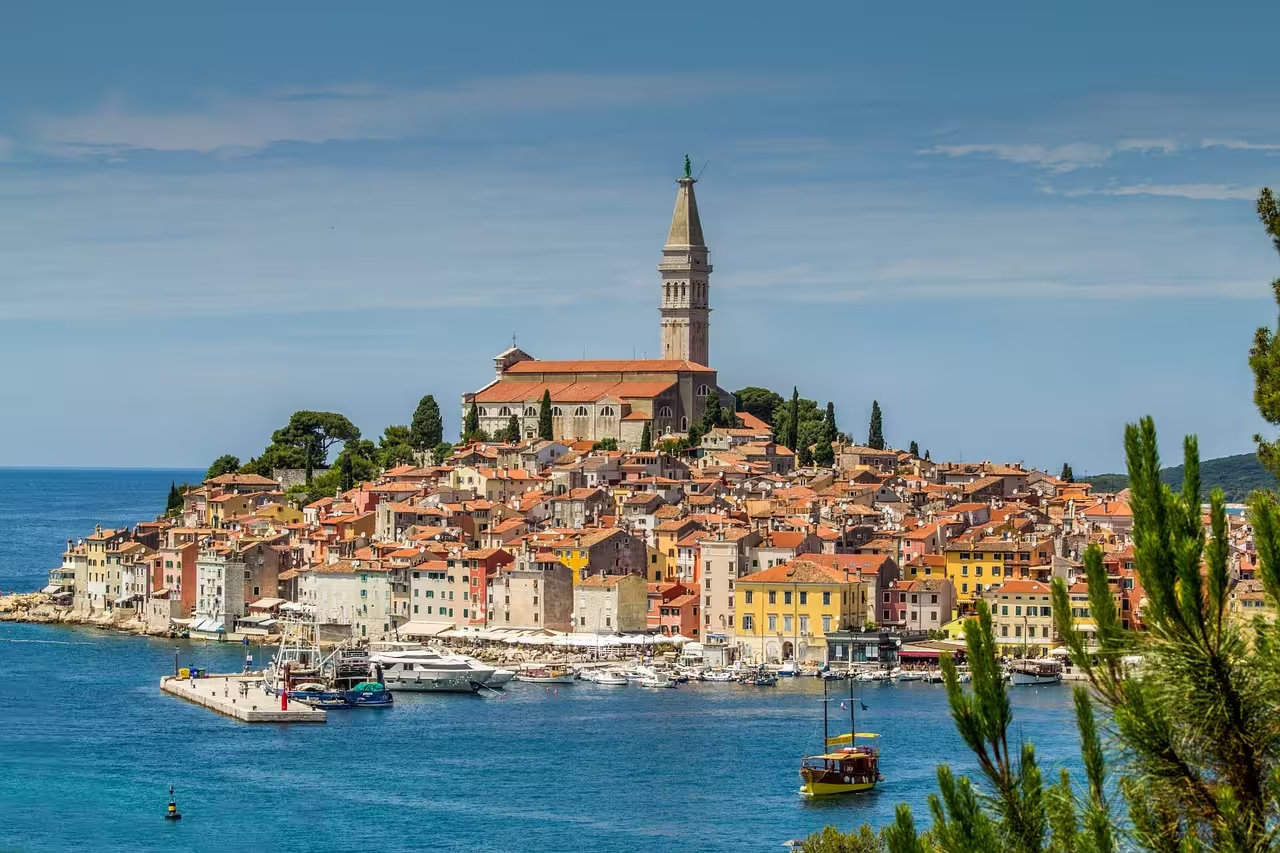
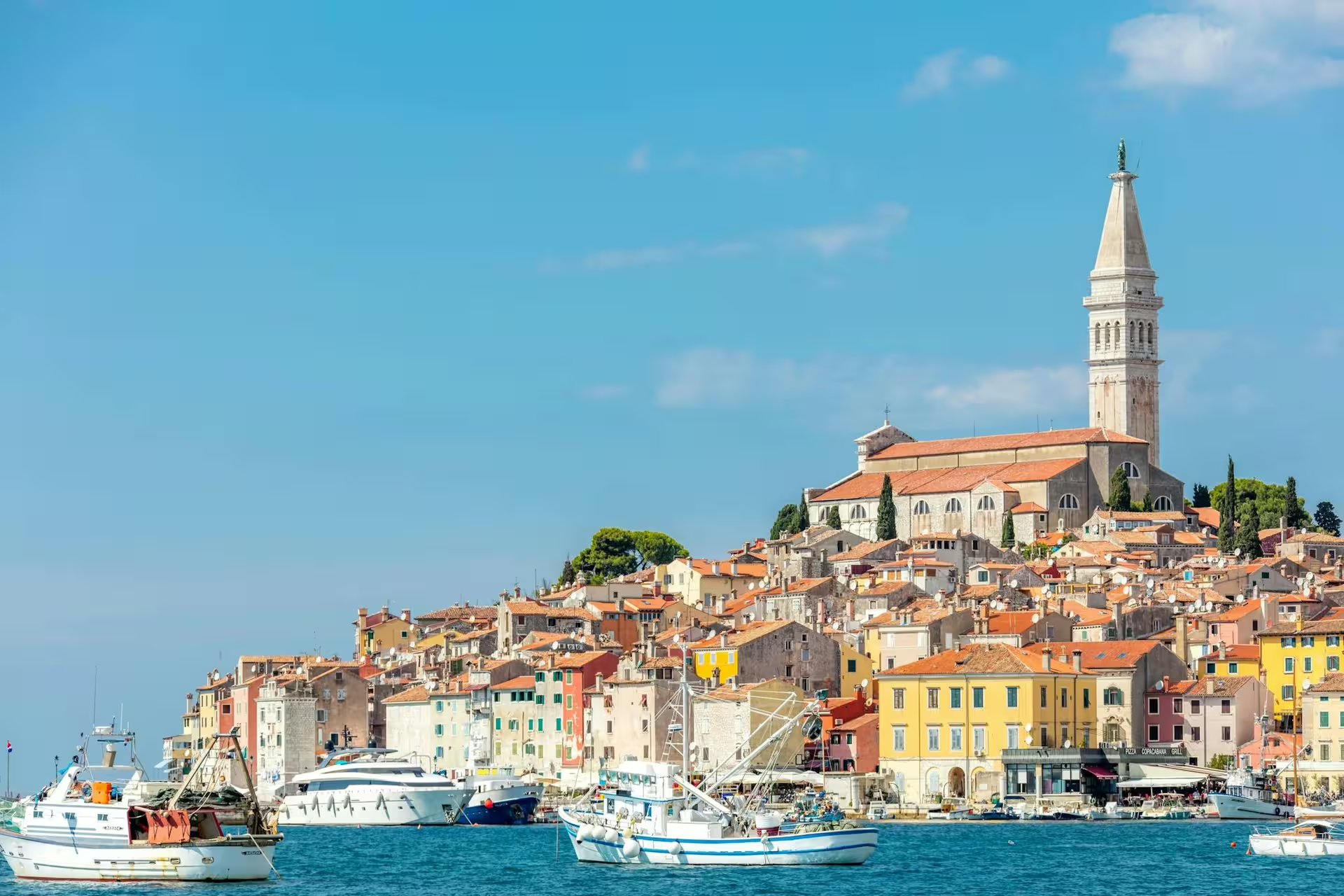
Rovinj is Istria at its most photogenic, a compact Adriatic town where pastel facades, polished stone lanes, and a working harbor set the rhythm of the day. The signature vibe is slow and sensory, espresso on a sunlit square, salty air on the waterfront, and golden light that makes every corner feel cinematic. Come with comfortable shoes and a flexible plan, because the best moments often happen between the landmarks.
Rovinj delivers an easy mix of old town atmosphere, sea views, and a walkable center that rewards curiosity. It suits travelers who want a coastal base with culture, short excursions, and memorable meals without needing a car every day. If you time your days around light and crowds, mornings and late afternoons feel especially calm and immersive.
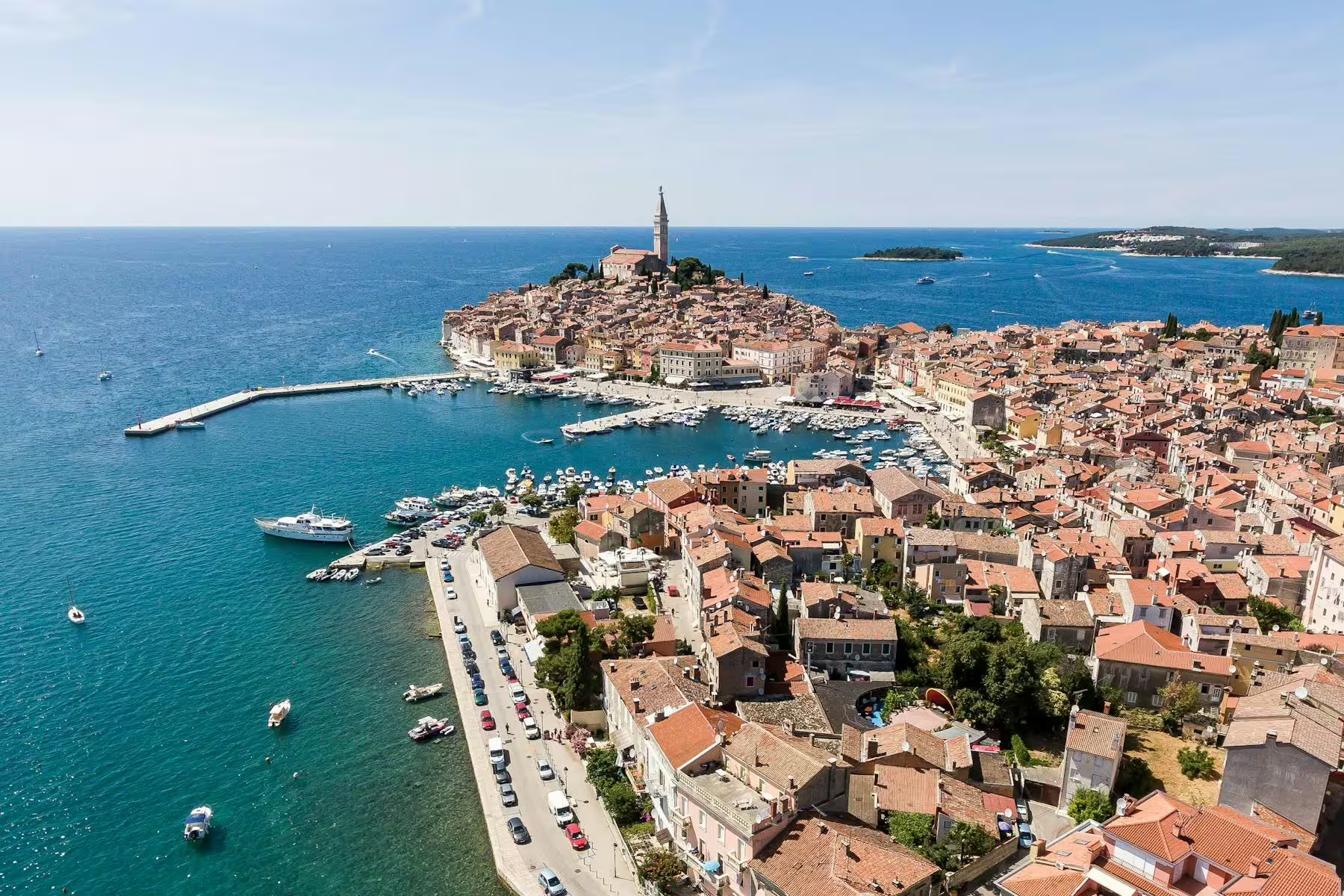
Rovinj sits on the western coast of the Istrian peninsula in Croatia, facing the Adriatic Sea. For arrivals, the closest hub is typically Pula Airport, with additional options via larger regional airports and overland connections through Istria. Many travelers also plan a multi stop route that links coastal towns and inland hilltop villages, making the town a practical anchor for exploring the peninsula.
Summer brings the classic Adriatic feel, bright days, warm water, and the liveliest restaurant and promenade scene, along with the biggest crowds. Shoulder seasons are often favored for a quieter old town experience, easier restaurant bookings, and long walks along the sea without peak heat. In cooler months, the pace slows and the town feels more local, which is ideal if your priority is atmosphere, photography, and relaxed dining rather than beach time.
Croatia uses the euro, and cards are widely accepted in many travel facing businesses, especially in central areas. Keep some cash for small purchases, market style snacks, or places that prefer quick transactions. Costs can rise in peak season, so booking key experiences ahead and choosing lunches over dinners for splurges can help balance the budget.
1) Old Town Stroll
The historic core is the main event, a compact maze of lanes, stairways, and small squares where the texture of stone and the sound of the harbor set the mood. It is the best way to understand the town’s identity, shaped by maritime life and centuries of coastal trade. Practical tip, go early for quieter photos and easier navigation, then return at golden hour for the most dramatic light.
2) Harbor and Waterfront Promenade
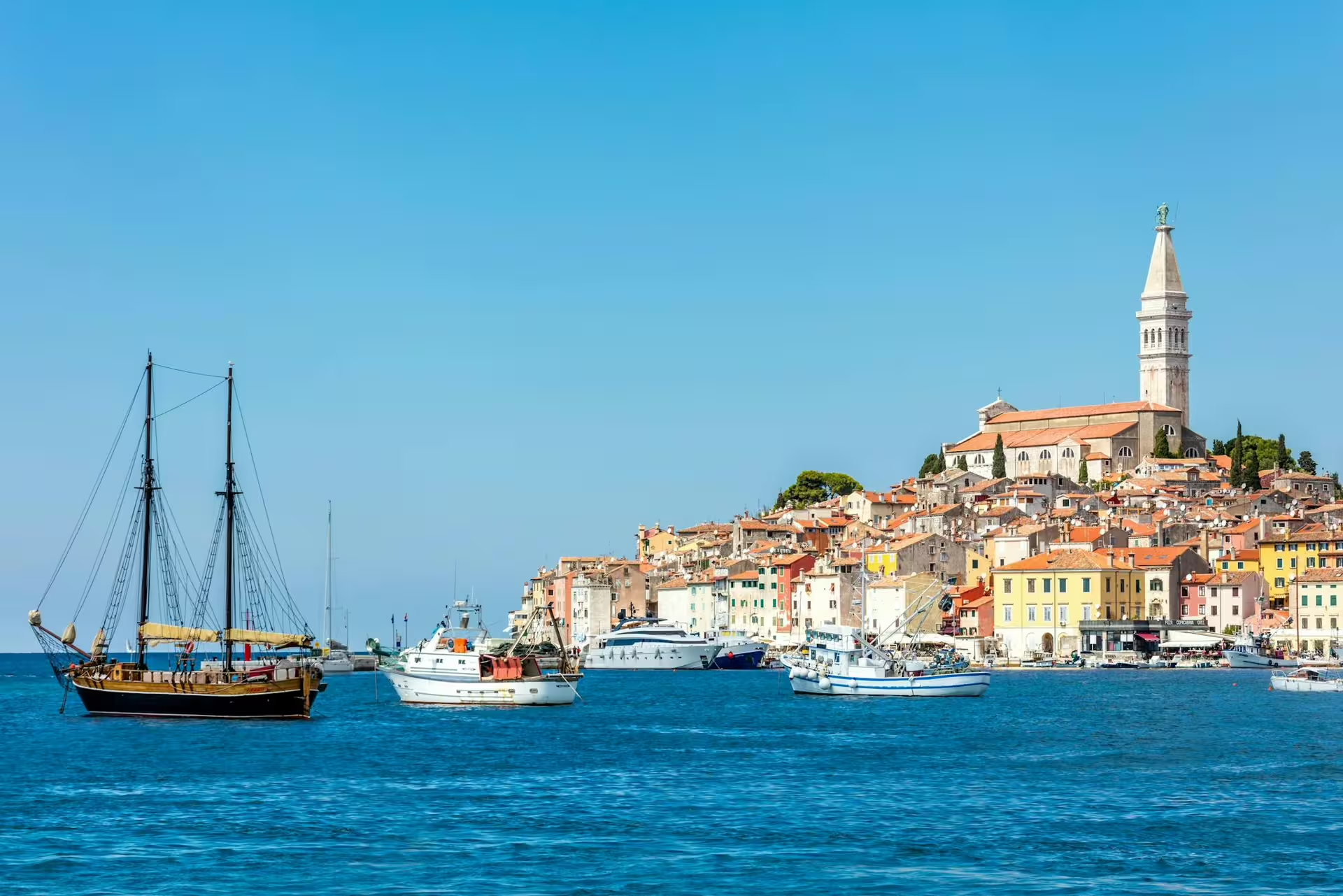
The working harbor gives Rovinj its everyday pulse, with boats, reflections, and a steady flow of people. It is an ideal place to reset between sightseeing blocks and to watch how the town transitions from morning routines to evening promenades. Practical tip, choose a waterfront seat for a slow drink and use it as a natural planning break before dinner.
3) Sunset Viewpoints
This coastline is famous for warm, painterly sunsets, and the town’s elevated points and sea facing edges make the light feel close and immersive. Sunset is also when the atmosphere becomes most romantic, with the old town silhouettes and the sea turning copper. Practical tip, arrive a bit early to claim a comfortable spot, then keep your route flexible for spontaneous photo stops.
4) Swim and Seaside Time
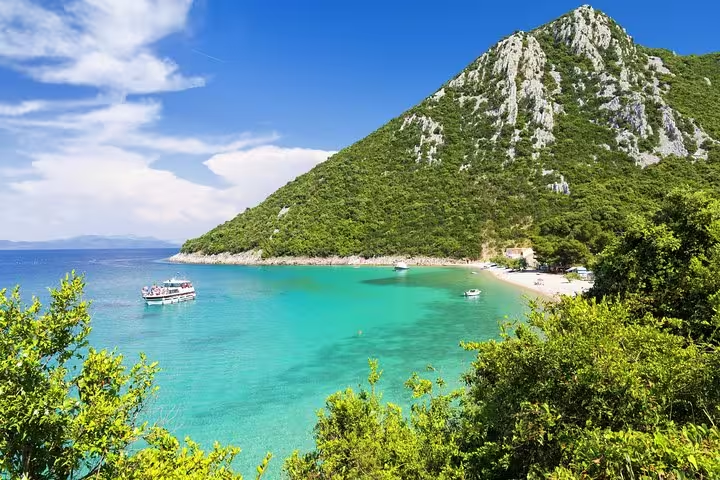
The Rovinj beaches scene is about clear water, rocky entries, and coves that feel natural rather than overly built up. A swim break transforms a sightseeing day into a true Adriatic holiday, especially when the sun is high. Practical tip, pack water shoes and a small towel, and aim for late morning or late afternoon for a calmer feel.
5) Boat Excursion on the Adriatic
A short cruise reframes the town from the water, revealing the peninsula shape, the harbor activity, and the coastline’s changing colors. It is one of the most efficient ways to add variety to your itinerary without long transfers. Practical tip, bring a light layer for wind on deck and keep your camera accessible for quick viewpoint changes.
6) Golden Cape Forest Park, Zlatni Rt
Zlatni Rt is the green counterbalance to stone streets, offering shade, pine scent, and coastal paths that are easy to enjoy at different energy levels. It is ideal for a morning walk, a picnic, or a gentle cycling loop, and it gives you a quieter side of the destination. Practical tip, go in the middle of the day when the old town feels busiest, then return refreshed for evening plans.
7) Local Food Focus, Truffle and Seafood
Istrian truffle culture is a signature of the region, and pairing it with coastal seafood highlights the peninsula’s land and sea identity. It matters because it connects your meals to Istria’s landscapes, forests inland and fishing traditions on the coast. Practical tip, if you want to try truffle without overcommitting, look for a simple pasta or egg based dish that showcases aroma and texture.
8) Photo Walk for Architecture Details
Beyond the big views, the town rewards slow looking, shutters, doorways, laundry lines, and small altars tucked into corners. This is where Rovinj feels personal, less checklist and more story. Practical tip, pick one lane and follow it without a map for ten minutes, then navigate back using the waterfront as your reference point.
Start with an early old town walk while the lanes are quiet, then drift down to the harbor for coffee and people watching. Use late morning for a swim break or a coastal stroll, then take a long lunch that leans into seafood and regional flavors. In the afternoon, slow down in Zlatni Rt for shade and sea air, then return to the waterfront for sunset viewpoints and an unhurried dinner.
Day one follows the highlights, with extra time for architecture details and a longer waterfront pause to absorb the rhythm of the port. Day two is ideal for a boat excursion and a flexible afternoon that rotates between swimming coves and park paths, depending on heat and energy. If you have a third day, keep it for a regional loop through Istria, balancing coastal scenery with inland tastes, and return to Rovinj for a final sunset walk.
Seafood risotto, rich and briny, often built on a slow cooked base that concentrates the sea flavors. Ordering tip, ask what the kitchen recommends that day for the freshest catch profile.
Grilled fish, simple and clean, typically finished with olive oil and herbs so the texture stays the focus. Ordering tip, choose a whole fish if you enjoy a more traditional coastal style and want a meal that feels local.
Black cuttlefish risotto, inky, savory, and intensely maritime, with a silky texture that feels both rustic and refined. Ordering tip, pair it with something crisp to balance the richness.
Pasta with Istrian truffle, aromatic and earthy, where the scent is as important as the taste. Ordering tip, go for a simpler sauce so the truffle character stays clear.
Prosciutto and cheese boards, a classic Istrian style starter with salty, creamy, and nutty notes. Ordering tip, share as a first course, then split a main so you can sample more of the menu.
Local olive oil, peppery and green, often a point of pride across Istria. Ordering tip, if bread and oil arrive, taste the oil on its own first, then build your bites.
The center is best explored on foot, and the old town’s stairs and polished stone can be slippery, especially after rain, so shoes with grip help. For longer distances, local transport options and taxis can reduce walking time, and cycling is a natural fit around park areas and flatter coastal stretches. If you drive, plan for parking outside the tight historic core, then continue on foot to keep the experience relaxed and safe.
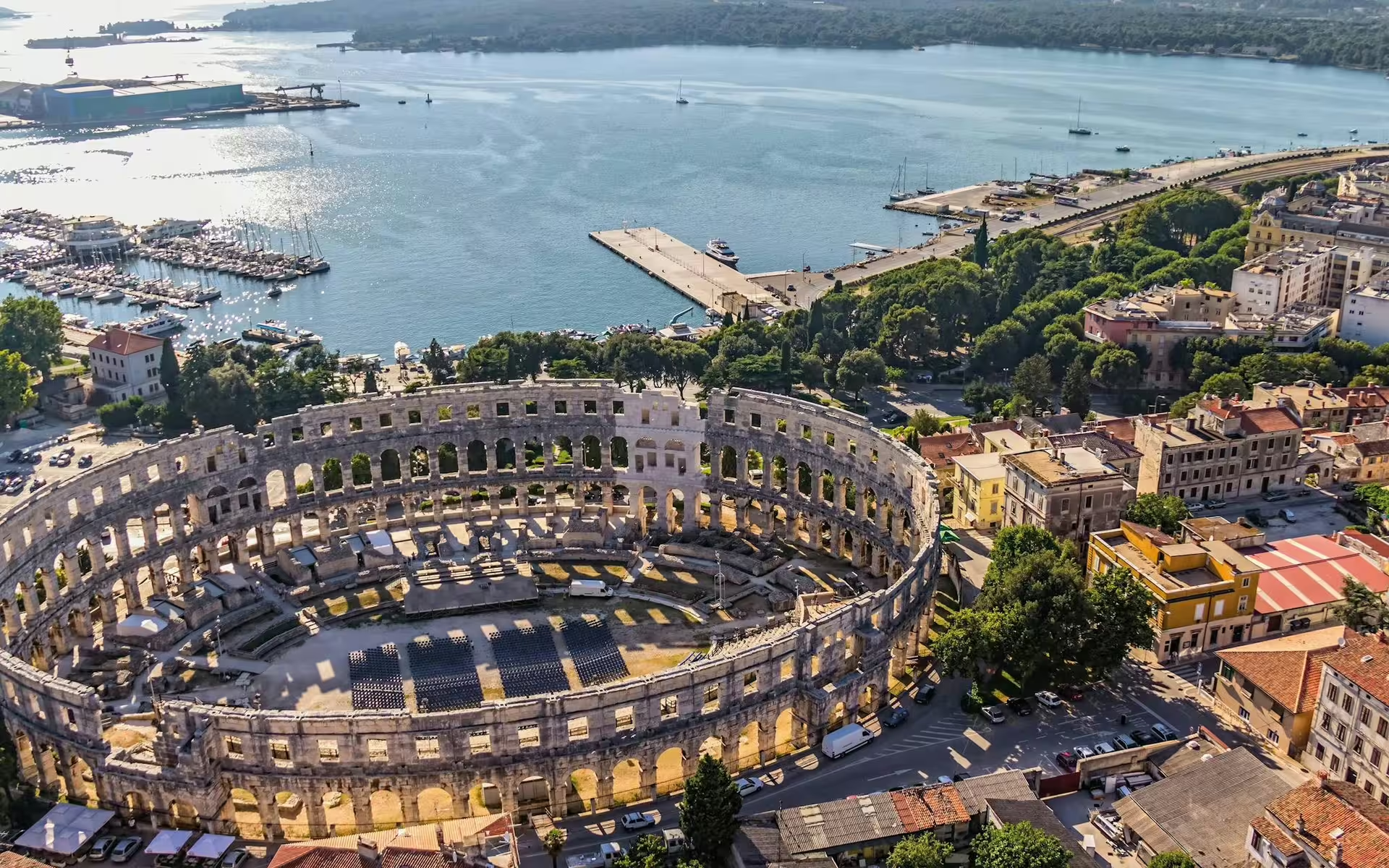
Pula, an easy regional hub for history focused sightseeing and a change of pace from the smaller town feel. Travel time varies by route and transport choice, and it is best as a half day or full day depending on your priorities.
Poreč, another Istrian coastal stop that pairs well with a scenic drive and a waterfront stroll. It works well if you want variety across seaside towns without long distances.
Motovun, an inland hilltop destination that highlights Istria’s countryside identity and pairs naturally with Istrian truffle culture. It is a strong contrast to the coast, with elevated views and a slower rural rhythm.
Lim Fjord, known for dramatic scenery and a nature forward break from town streets. It is a good choice for travelers who want viewpoints and fresh air with minimal planning.
Is Rovinj walkable for first time visitors?
Yes, the main sights are close together and the waterfront helps you stay oriented. Expect stairs and uneven stone, so comfortable shoes make a big difference.
When is the best time of day for photos?
Early morning is calm and bright without heavy foot traffic. Late afternoon into sunset is ideal for warm light along the harbor and viewpoints.
Do I need cash, or can I pay by card?
Cards are commonly accepted, especially in central areas and restaurants. Carry some cash for small purchases and quick transactions.
What is a good plan if I have only one day in Rovinj?
Prioritize an early old town walk, a harbor pause, and a swim or coastal stroll. Finish with sunset viewpoints and a relaxed dinner focused on regional flavors.
Are day trips worth it if I am based in town?
Yes, Istria is compact and mixing coast and inland creates a richer trip. Choose one coastal town for variety or an inland stop like Motovun for a different landscape and food focus.