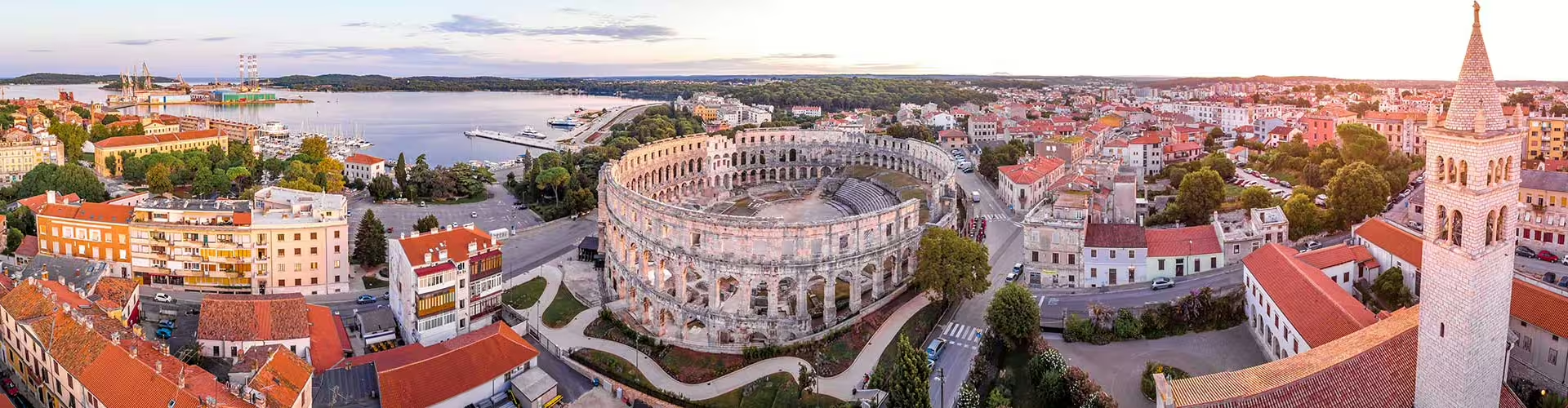
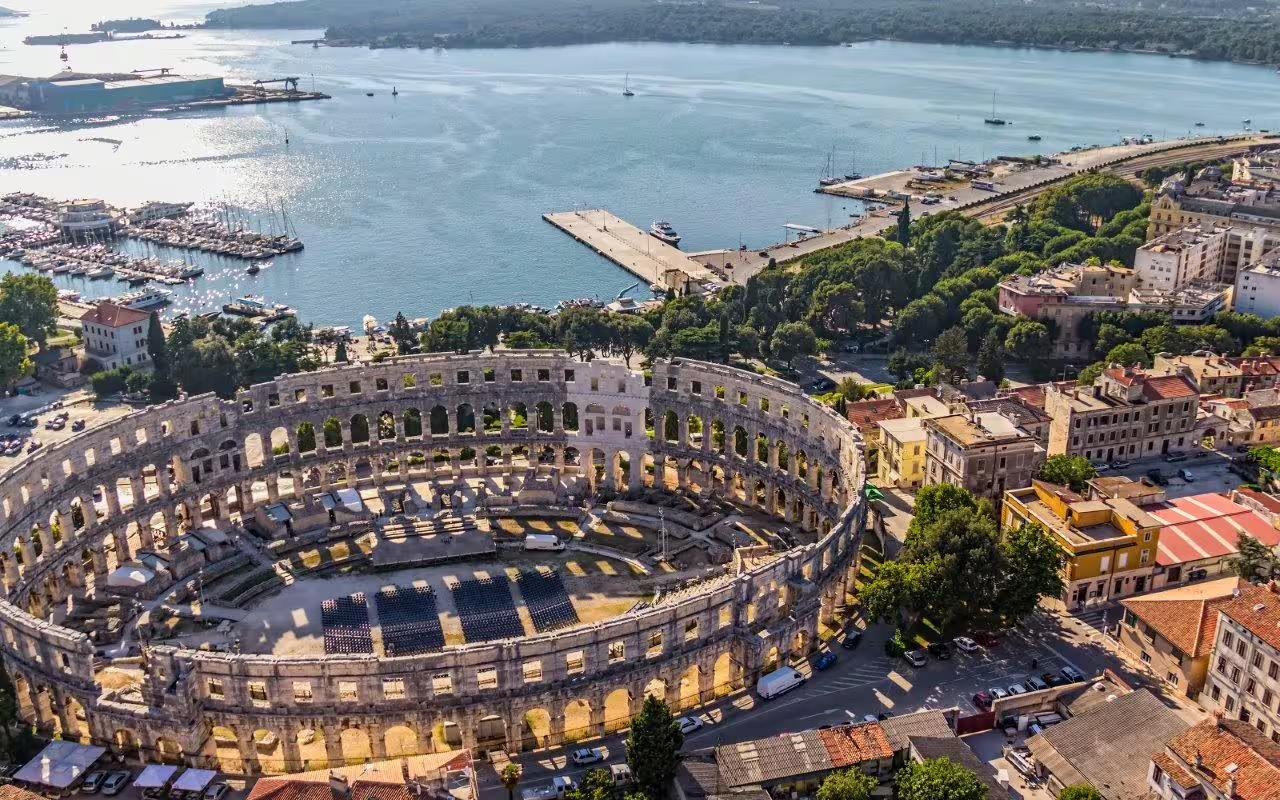
Pula is a historic coastal city in Istria, Croatia, where ancient Roman heritage meets Adriatic beauty. Home to the magnificent Amphitheatre and striking Byzantine fortifications, this Mediterranean gem offers visitors a journey through centuries of architectural splendor.
What to see in Pula
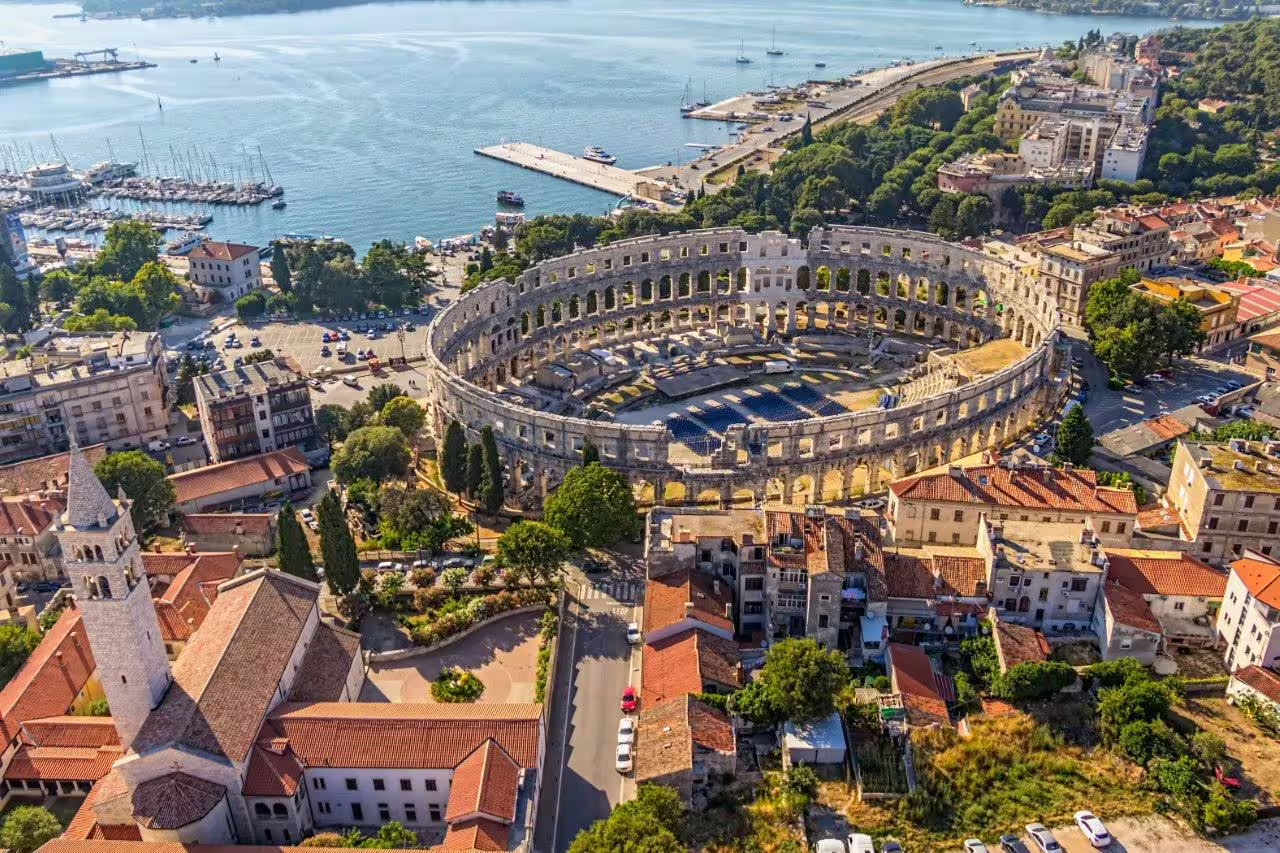
The iconic Roman Amphitheatre stands as one of Europe's best-preserved ancient structures, drawing history enthusiasts from around the world. Beyond this marvel, visitors can explore the Austro-Hungarian Fortress of Pula, scenic coastal promenades, and charming old town squares filled with local character and Mediterranean charm.
Things to do in Pula
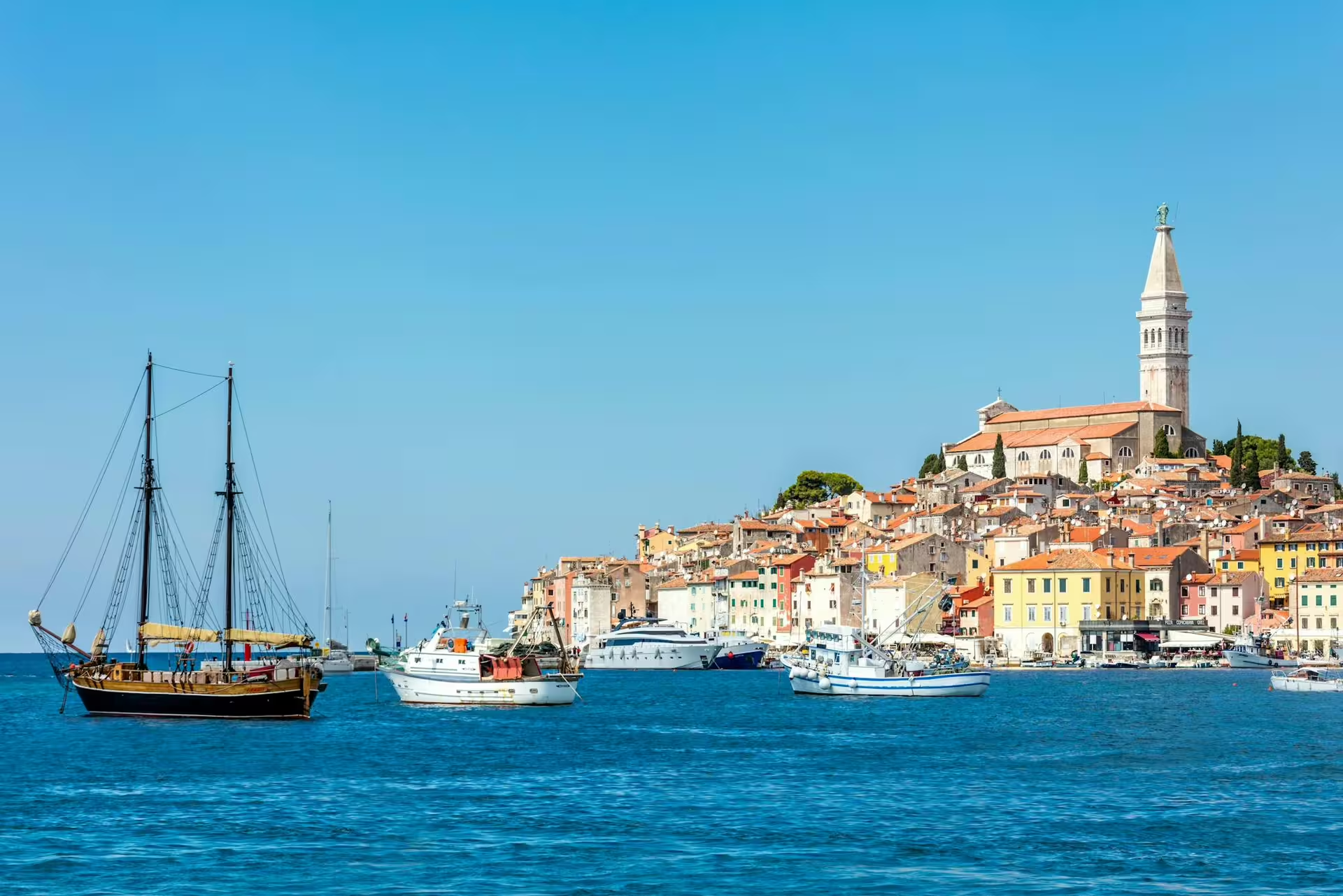
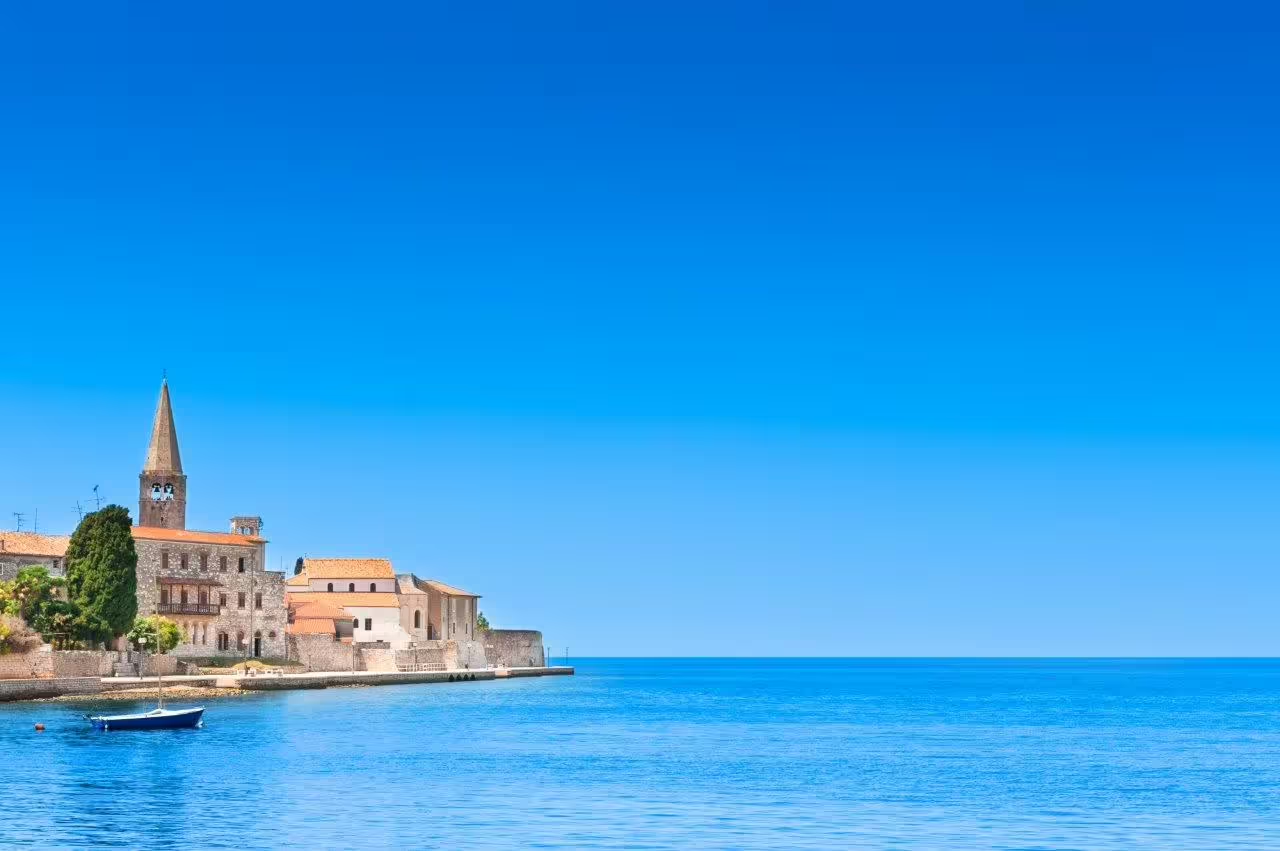
Travelers can embark on boat excursions to nearby islands and hidden coves, discover submarine and maritime museums showcasing naval heritage, or stroll through the vibrant waterfront district. The city serves as an ideal base for exploring Istrian coastal towns and sampling regional cuisine at traditional konobas.
Pula's Film Location Legacy
Pula has captivated filmmakers as a filming location for numerous international productions, thanks to its dramatic architecture and authentic Mediterranean atmosphere. The city's unique blend of historical landmarks and picturesque coastal scenery continues to attract cinematographers seeking compelling European backdrops.
Pula is located on the southern tip of the Istrian Peninsula in Croatia, positioned on the northeastern Adriatic coast. The city serves as a natural gateway to exploring the wider Istrian region and its cultural, historical, and culinary offerings. Its strategic coastal location makes it easily accessible from neighboring Slovenia and Italy.
Historic Coastal Destination | Roman Heritage | Istrian Peninsula | Mediterranean Travel | European Cinema Location