



Groznjan
Groznjan is an Istrian hilltop village of stone lanes, galleries, and sweeping countryside views. Use this guide to plan when to go, what to do, what to eat, and how to combine it with top day trips across Istria.

Groznjan is an Istrian hilltop village of stone lanes, galleries, and sweeping countryside views. Use this guide to plan when to go, what to do, what to eat, and how to combine it with top day trips across Istria.

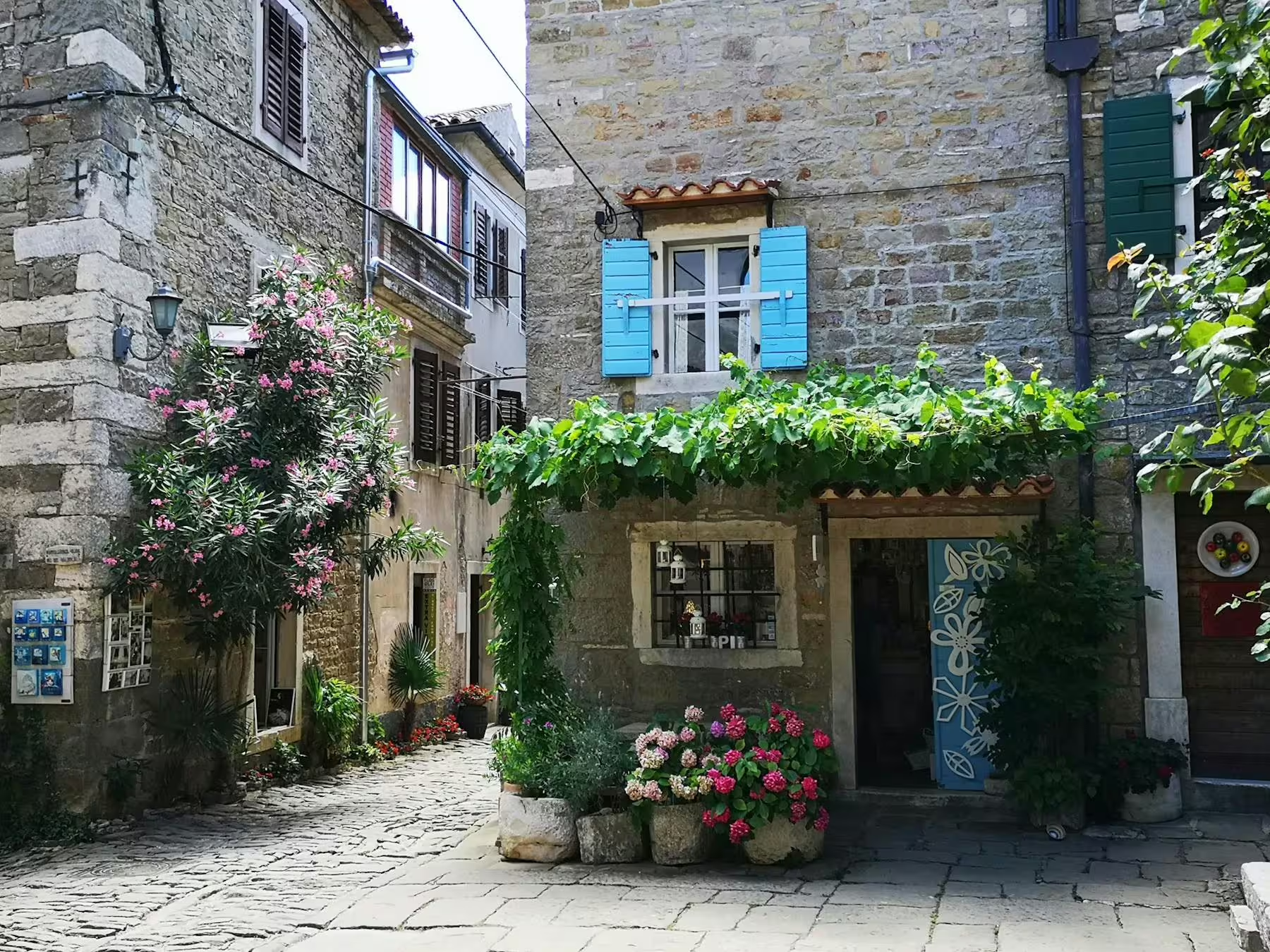
Groznjan is Istria’s hilltop village of stone lanes, big views, and a quietly creative atmosphere that feels curated by nature and time. Come for the slow rhythm, the galleries and ateliers vibe, and the way the landscape opens toward vineyards, olive groves, and the Mirna River valley. This guide focuses on practical choices, what to prioritize, how to plan your day, and how to pair Groznjan with nearby Istrian highlights.
Groznjan delivers a signature blend of medieval texture and contemporary art energy, a place where you can wander without a checklist and still feel like you discovered something. It is best for travelers who love viewpoints, photography, and small details like carved doorways and quiet courtyards. Go now if you want a low-stress Istrian stop that fits easily between coastal towns and inland food and wine country.
Groznjan sits in inland Istria, Croatia’s northwestern peninsula, positioned between the coast and the region’s agricultural interior. It pairs naturally with nearby hill towns and coastal bases, making it an easy add-on for a road trip. Common gateways for Istria include regional airports and larger hubs across the border, with onward travel typically done by car for maximum flexibility.
Spring and early summer are ideal for comfortable walking weather and clear views across the countryside, with a lively feel as terraces and cultural spaces come to life. Peak summer brings the warmest conditions and the most visitors, so plan earlier starts and slower midday pacing. Autumn is a strong choice for a calmer atmosphere and a more local rhythm, especially if you are pairing the area with seasonal food experiences.
Croatia uses the euro, and most travelers find a mix of card payments and some cash useful for small purchases. Expect typical Istrian pricing patterns, with inland villages often feeling more relaxed than the busiest coastal hotspots. Keep a small amount of cash for quick transactions, and plan for parking or small-ticket items where cards are not always the smoothest option.
1) Old Town Wandering in Groznjan
The main experience here is unstructured exploration, letting the village reveal its character through stone passages, stairways, and viewpoints. It matters because Groznjan is best understood at walking speed, where the atmosphere is the attraction. Practical tip: start with a slow loop, then repeat your favorite lanes later when the light changes for better photos.
2) Viewpoints Over the Istrian Countryside
Hilltop panoramas are part of the destination’s identity, and the views help you orient yourself within Istria’s patchwork of forests, fields, and vineyards. It matters because the scenery gives context to day trips, food traditions, and the region’s rural economy. Practical tip: aim for late afternoon for softer light and stronger contrast on the landscape.
3) Art Galleries and Studios
Groznjan is widely associated with an arts-forward feel, where creative spaces add modern energy to historic architecture. It matters because it changes the mood from purely historical to living culture, and it gives you meaningful indoor stops if the weather shifts. Practical tip: keep your schedule flexible so you can step into a gallery when something catches your eye.
4) Photography Walk, Textures and Details
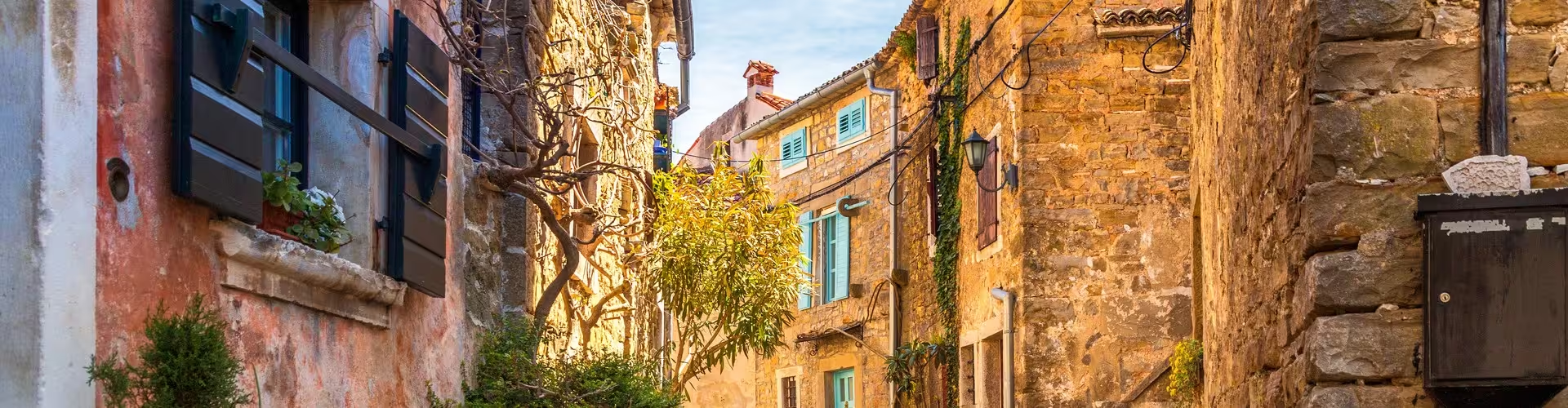
Weathered stone, shutters, arches, and narrow lanes create a strong visual identity that rewards patient observation. It matters because the village is compact, so focusing on details turns a short visit into a richer experience. Practical tip: bring a lens cloth and keep your phone battery topped up, you will take more photos than you expect.
5) A Slow Coffee or Aperitif Stop
Pausing is part of the culture in small Istrian towns, and a drink break helps you settle into the place rather than rushing through it. It matters because the vibe of Groznjan is as much about stillness as it is about sights. Practical tip: choose a seat with a view, and treat it as a mini reset before continuing your walk.
6) Pairing Groznjan with Istrian Hill Town Hopping
The village works best as part of a wider inland route, where each stop has a distinct character but shares the same landscape backdrop. It matters because you can build a full day without long distances, and you get a more complete sense of Istria beyond the coast. Practical tip: cluster stops geographically to reduce driving time and increase time on foot.
7) Countryside Drive Through Vineyards and Olive Groves
The approach roads are part of the experience, offering a cinematic transition from coastal bustle to inland calm. It matters because the scenery tells the story of local food culture, especially olive oil and wine traditions. Practical tip: drive slowly on rural roads, watch for cyclists, and plan pull-offs where safe for quick viewpoint photos.
8) Golden Hour Stroll for Atmosphere
As the light softens, the stone surfaces glow and the village feels quieter and more intimate. It matters because lighting can transform a familiar lane into a completely different scene, and it is ideal for couples or solo travelers seeking calm. Practical tip: do a first pass earlier, then return to your favorite spot near sunset for your best shots.
Arrive in the morning and start with a relaxed loop through the old town lanes to get oriented, then pause at a viewpoint to map your next moves across inland Istria. Spend late morning dipping into galleries and studios that are open, treating them as discovery stops rather than a checklist. Take a long lunch break, then do a second walk in the late afternoon for golden hour light, finishing with a final panorama before you leave.
Day one focuses on Groznjan itself, with unhurried wandering, gallery browsing, and a rhythm that includes long breaks. Day two adds a loop of nearby inland stops, balancing hill towns with countryside drives and food-focused pauses. If you have a third day, use it to slow down further, repeat your favorite lanes at different times of day, and build in a flexible window for spontaneous detours across Istria.
Istrian food is rooted in the land, with olive oil, seasonal produce, and pasta traditions that feel both rustic and refined. Here are flavors to look for, plus an ordering tip for each.
Groznjan is best explored on foot once you arrive, since the charm is in its compact lanes and small-scale discoveries. For getting in and out, most travelers use a car to connect inland villages efficiently, especially if you are combining multiple stops in one day. Wear stable walking shoes for stone surfaces, take care on steps after rain, and plan a slower pace if you have mobility considerations because old town terrain can be uneven.
Yes, the village is compact and works well as a short stop focused on viewpoints, lane wandering, and a relaxed drink break. A few hours is enough for a satisfying loop if you keep your plan simple.
A car is the most practical option for linking inland Istria efficiently, especially if you want to add nearby hill towns. Once you arrive, the best way to explore is on foot.
Late afternoon and early evening tend to deliver the most flattering light on stone textures and viewpoints. If you visit in summer, earlier starts also help you avoid the hottest walking conditions.
Plan for typical Istrian expenses, with a mix of card payments and some cash for small purchases. Your total will depend mostly on how long you linger for meals and drinks.
Yes, Groznjan pairs well with coastal bases like Rovinj or Poreč for a contrast between inland calm and seaside energy. Keep driving time in mind and prioritize one inland stop plus one coastal focus to avoid rushing.