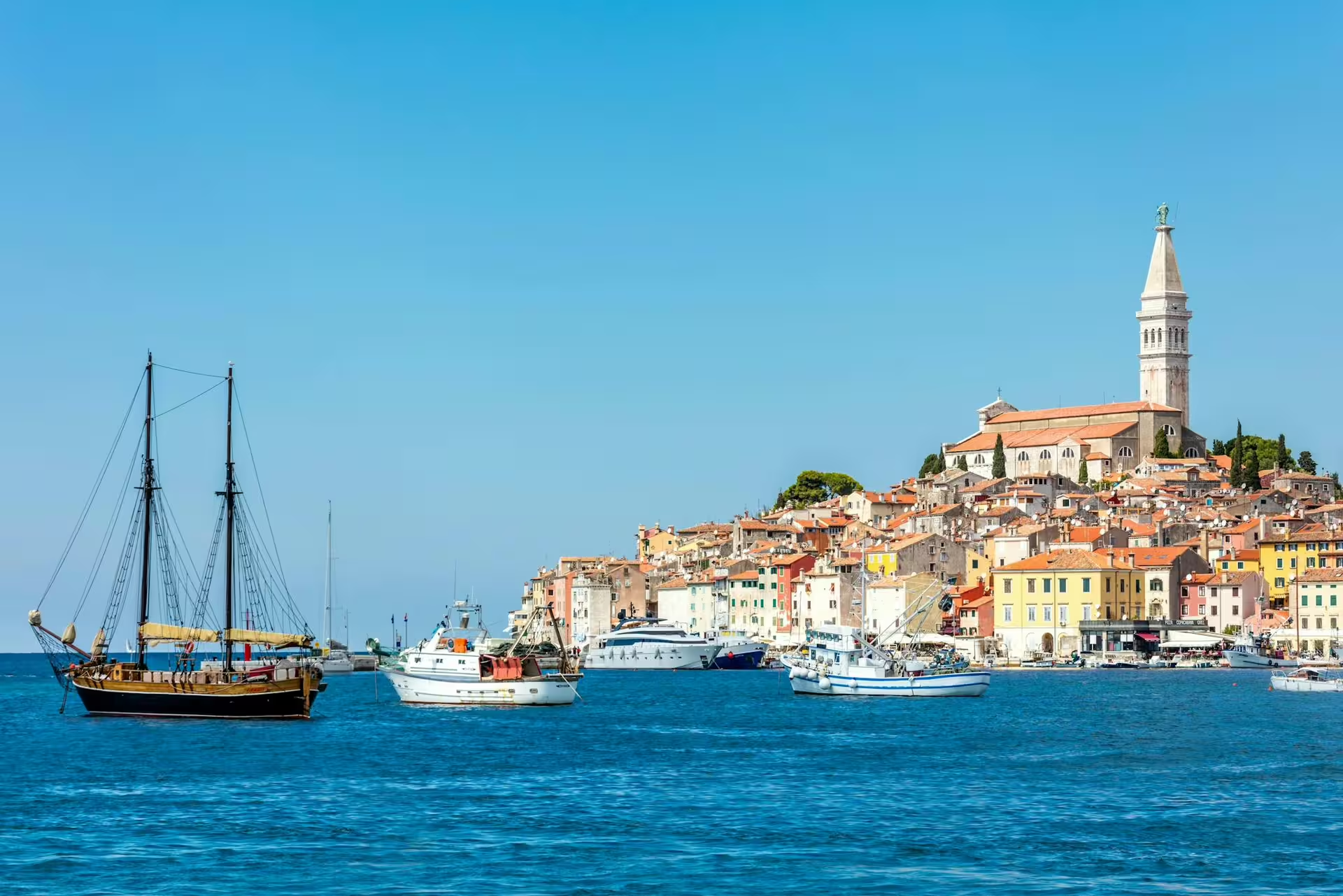
Bale
A practical, experience-led guide to Bale in Istria, with what to do, when to go, food to try, transport tips, and easy day trips to nearby coastal and hill towns.

A practical, experience-led guide to Bale in Istria, with what to do, when to go, food to try, transport tips, and easy day trips to nearby coastal and hill towns.

Bale is one of Istria’s most atmospheric small towns, known for its stone lanes, quiet courtyards, and a slower Adriatic rhythm that feels far from the coast’s busiest resorts. This guide focuses on practical planning, what to do, and how to shape a trip that fits your pace, whether you want a quick cultural stop or a base for exploring inland Istria. Use it to decide when to visit, how to get around, and how to prioritize the experiences that make Bale memorable.
Bale has a calm, historic vibe, think medieval textures, local life in small squares, and an easy connection to Istria’s olive groves and vineyards. Go now if you want a quieter alternative to larger coastal hubs while still staying within reach of beaches, wineries, and landmark towns. It is especially rewarding for travelers who value walkable streets, heritage details, and food and wine experiences that feel rooted in place.
Bale sits in the Istria region of Croatia, positioned between inland hill towns and the Adriatic coast, which makes it a practical base for mixing culture, countryside, and sea time. Most travelers route through major Istrian gateways and then continue by road, since small towns are typically best reached by car or pre-arranged transfers. For trip planning, think of Bale as a quiet hub that connects easily to coastal highlights and inland food and wine country.
Peak summer generally brings the warmest weather and the highest demand for accommodation across Istria, plus busier roads toward coastal areas. Shoulder seasons usually feel more relaxed, with a more local pace and easier logistics for dining and day trips. Winter can be quieter and more limited in services, but it can suit travelers who prioritize atmosphere, photography, and uncrowded streets.
Plan for a typical European small town cost profile, with the best value often found in simple local meals, bakery stops, and grocery picnics. Card payments are common in many traveler-facing businesses, but it is smart to carry some cash for small purchases and rural stops. If you are building a multi-stop itinerary, budget extra for transport, since moving between Istrian towns is often easiest by car.
1) Old Town Walk, Stone Streets and Squares
The core of Bale is best experienced on foot, where narrow lanes and small squares create a strong sense of history and continuity. The town’s scale encourages slow travel, the kind where you notice textures in the stonework and the shift from sun to shade as the day changes. It is ideal for travelers who want a cultural stop without a rigid schedule.
Practical tip: Go early morning or late afternoon for softer light and fewer people in photos.
2) Heritage Details and Local Architecture
One of the pleasures of Bale is how the built environment tells its story through doors, arches, and layered materials. Even without booking a formal tour, you can build your own narrative by moving slowly and paying attention to the town’s older structures. This is a strong fit for things to do in Bale that require no tickets and no fixed timing.
Practical tip: Wear shoes with good grip, since older stone can be uneven.
3) Café Time, People Watching and the Town Rhythm
A simple coffee stop can become a highlight in Bale, because the town rewards unhurried observation more than box-ticking. You will get a clearer feel for local life by choosing a seat with a view of a small square and watching the daily flow. This is also a helpful reset between day trips around Istria.
Practical tip: If you plan to drive later, keep the stop short and hydrate well in hot months.
4) Food and Wine Focus, Istrian Flavors
Istria is known for olive oil, wine, and rustic dishes, and Bale fits naturally into a culinary itinerary. Even a short visit can include a meal that anchors your sense of place, especially if you lean into local ingredients and seasonal specials. For many travelers, this is the most satisfying way to experience Bale Croatia beyond the visuals.
Practical tip: Ask what is seasonal and local, then choose one signature dish and one local wine to keep it simple.
5) Photo Walk at Golden Hour
The town’s stone surfaces and compact lanes can look dramatically different as the light shifts. If you enjoy photography, Bale offers strong compositions, repeating patterns, and intimate street scenes that do not require long distances. It is also a low-effort activity after a driving day.
Practical tip: Keep your route short and loop back to your starting point to avoid getting turned around in similar-looking lanes.
6) Slow Base for an Istria Loop
Using Bale as a base can be a smart decision if you want a quieter place to sleep while touring Istria’s highlights by day. The benefit is returning to a calmer atmosphere after busier coastal stops. This approach works well for couples, independent travelers, and anyone building a flexible itinerary.
Practical tip: Cluster day trips by geography so you do not waste time backtracking.
7) Sunset Mood and Evening Stroll
Evening is when Bale can feel most cinematic, with cooler air, softer light, and a calmer soundscape. A simple stroll before dinner can be the moment the town clicks, especially if you have spent the day on the road. It is a small ritual that adds a lot of value to a short stay.
Practical tip: Bring a light layer in shoulder season, evenings can feel cooler than expected.
8) Local Shopping Stops, Small Finds
Rather than searching for big retail, treat Bale as a place for small, practical purchases and locally themed items that fit into your luggage. This supports a more authentic travel style and keeps spending aligned with the destination’s scale. It can also be a useful stop if you are self-catering.
Practical tip: Carry a reusable tote so you can avoid extra packaging and keep your hands free for walking.
Start with a morning walk through the old town while the streets are quiet, then pause for coffee and a light snack. Spend late morning and early afternoon on a food-forward lunch, then take time for a relaxed photo walk as light begins to soften. Finish with an early evening stroll and dinner, keeping the schedule flexible so you can linger where the town feels most alive.
Day 1 focuses on the old town, architecture details, and an unhurried meal that introduces you to Istrian flavors. Day 2 is ideal for a loop of nearby coastal and inland stops, returning to Bale for a calmer evening. If you have a third day, use it to slow down, add a longer lunch, and build in extra time for detours, viewpoints, and spontaneous stops that make Istria feel personal.
Truffle focused dishes often show up in Istria, with earthy aromas and a rich finish that pairs well with local wine. Ordering tip: Ask whether truffles are fresh or preserved, and choose one truffle dish per meal so flavors do not overwhelm.
Istrian olive oil is a cornerstone flavor, typically peppery, green, and aromatic. Ordering tip: If olive oil is offered at the table, taste it first on bread before adding anything else.
Seafood plates are common across the region, usually clean, briny, and simply prepared. Ordering tip: If you want the freshest feel, choose grilled or lightly dressed seafood rather than heavy sauces.
Pasta and rustic sauces fit Istria’s inland identity, often hearty and satisfying after a day of driving. Ordering tip: Ask what is house-made, then build your order around that.
Local wine is a natural match for Istrian meals, with options that range from crisp whites to fuller reds. Ordering tip: If you are unsure, ask for a local pairing recommendation based on your main dish.
Simple grilled meats can be an easy, reliable choice, especially when paired with seasonal sides. Ordering tip: If you want a lighter meal, share one main and add salads or vegetables.
Bale is best explored on foot once you are in town, since the historic center rewards slow walking and frequent stops. For moving between towns in Istria, driving is often the most practical option, especially if you want to combine inland and coastal stops in one day. If you are not driving, consider arranging transfers for day trips and keeping your in-town plans walkable and compact.
For safety and comfort, plan for uneven stone underfoot and bring supportive footwear. If you have mobility considerations, prioritize a slower pace and focus on the most accessible lanes and squares, since older town layouts can include steps and narrow passages.
Rovinj, a popular coastal town, makes an easy day trip for seaside walks, harbor views, and a busier dining scene. Travel tip: Go earlier in the day to avoid peak crowding and to simplify parking.
Pula is a strong choice for travelers interested in Roman heritage and a larger city feel within Istria. Travel tip: Combine cultural sightseeing with a waterfront walk to balance the day.
Motovun represents Istria’s hill town character, with elevated views and a countryside atmosphere. Travel tip: Start the drive earlier, then plan a long lunch to make the trip feel worth the time.
Poreฤ offers another coastal counterpoint with a mix of history and resort energy. Travel tip: Keep your schedule flexible so you can stay longer if the seafront mood suits you.
Is Bale worth visiting if I only have one day in Istria?
Yes, it works well as a compact cultural stop because the historic center is walkable and easy to experience in a few hours. Pair it with one nearby coastal town to balance stone streets with sea views.
Do I need a car to visit Bale?
A car makes it much easier to combine Bale with day trips and countryside stops around Istria. If you are not driving, keep plans centered on the old town and consider arranging transfers for longer excursions.
What is the best time of day to explore the old town?
Early morning and late afternoon are ideal for comfortable walking and softer light for photos. Midday can feel hotter in peak season, so it is better for a longer meal or a slower pace.
How many nights should I stay in Bale?
One night suits a quick introduction, especially if you are doing a broader Istrian road trip. Two to three nights gives you time to slow down and use the town as a base for nearby highlights.
What should I pack for a trip to Bale Croatia?
Bring supportive walking shoes and a light layer for evenings in shoulder season. If you are planning day trips, pack water and sun protection so you can stay comfortable between stops.