Konavle
Konavle is Dubrovnik’s countryside escape with villages, coastal viewpoints, and local flavors. Use this guide to plan when to go, what to do, how to get around, and easy itineraries for 1 to 3 days.

Konavle is Dubrovnik’s countryside escape with villages, coastal viewpoints, and local flavors. Use this guide to plan when to go, what to do, how to get around, and easy itineraries for 1 to 3 days.

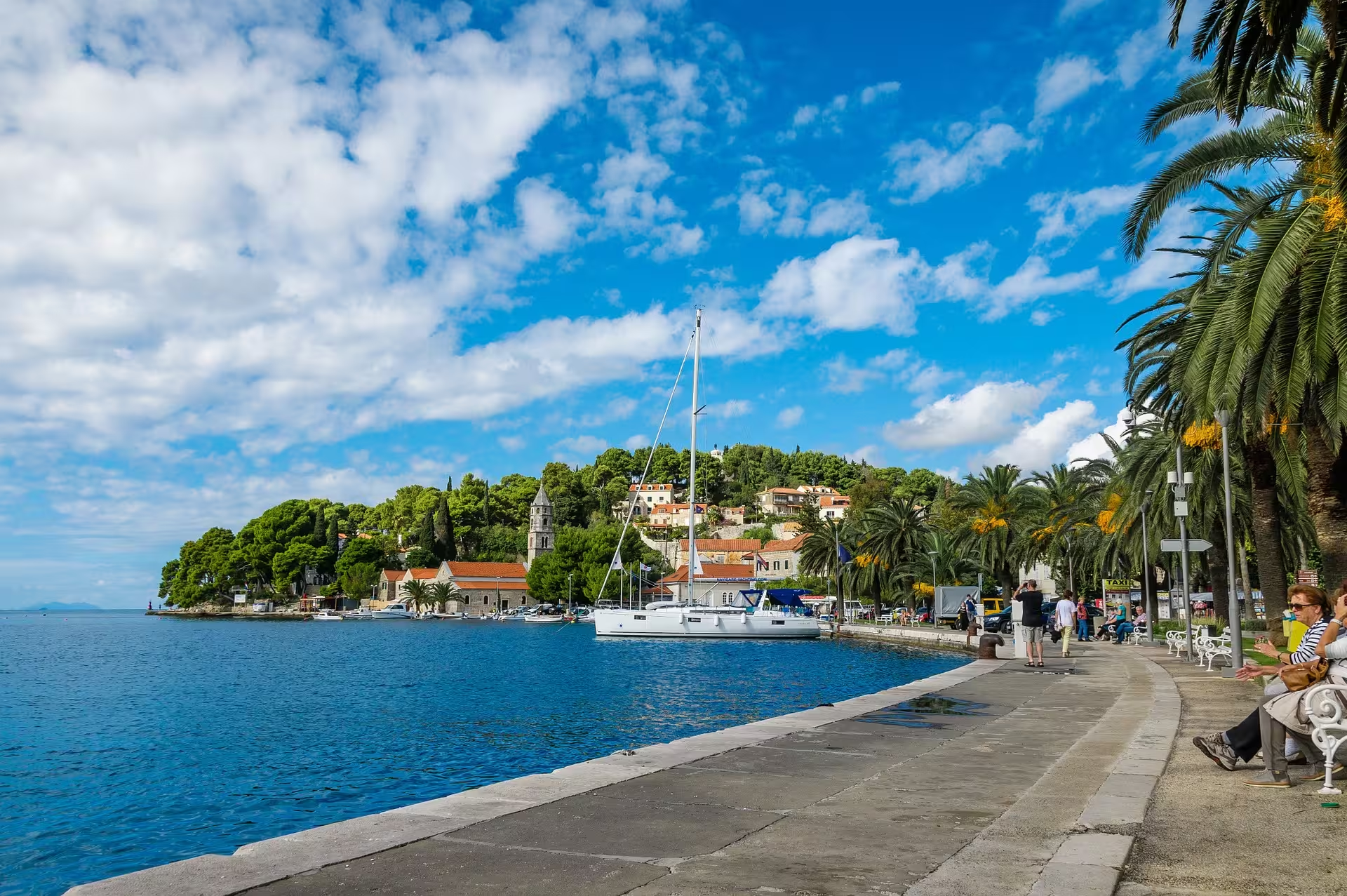
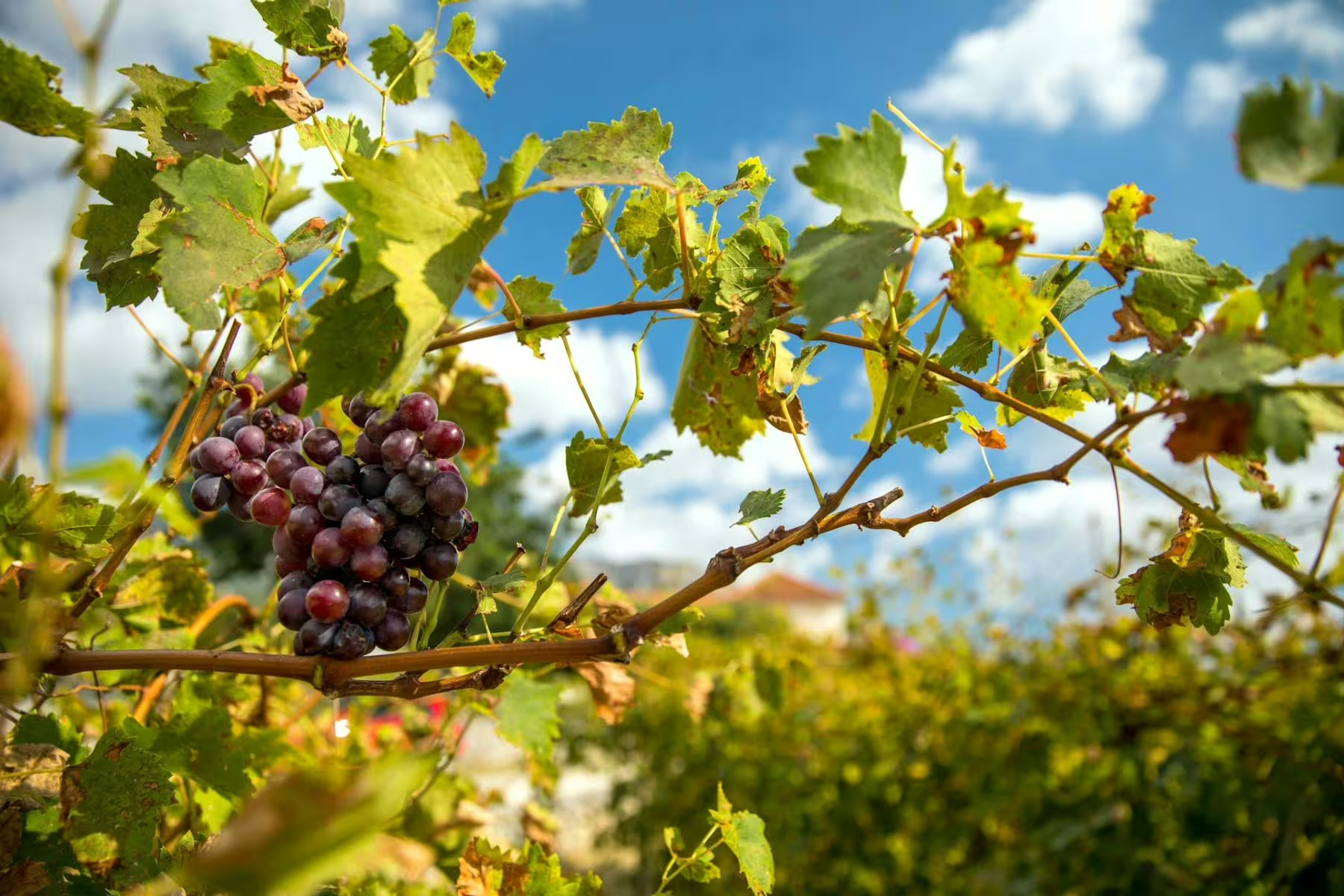
Konavle is a rural coastal region south of Dubrovnik where vineyard valleys, stone villages, and the Adriatic edge come together in a slower, more local rhythm. Travelers come for scenic drives, traditional food, and outdoor time that feels far from the city crowds while staying close to major transport links. This guide helps you plan what to do, how to get around, what to eat, and how to build an itinerary that fits your pace.
Konavle feels like Dubrovnik’s countryside escape, with a grounded, heritage-rich vibe shaped by agriculture, small settlements, and coastal scenery. It is a strong choice when you want nature, authentic meals, and a calmer base while still being near Dubrovnik’s main gateways. Go when you want more space on trails and viewpoints, and plan your days around daylight and weather rather than strict attraction schedules.
Konavle sits in the southern part of Dubrovnik-Neretva County, close to the border region and within easy reach of Dubrovnik. The most practical gateway for many travelers is Dubrovnik Airport, which is located in the wider area, making arrivals and departures straightforward for short breaks. Dubrovnik also functions as the main regional hub for onward connections, tours, and day trip logistics.
Seasonality in this part of Croatia typically affects two things, comfort outdoors and how busy the coastal roads feel. Warmer months suit swimming, coastal viewpoints, and long evenings, but they can bring heavier visitor traffic and higher demand for popular experiences. Cooler shoulder periods can be better for walking routes, scenic drives, and food-focused travel, especially if you prefer a quieter atmosphere.
Plan for a mix of card and cash, especially if you are stopping in smaller villages or family-run places where payment preferences can vary. Keep some cash for quick purchases and tips, and use a card for larger expenses when available. Budget-wise, costs often depend on how you move around, because having a car can add flexibility but also adds fuel and parking considerations.
Secondary & long-tail focus: [SECONDARY_KEYWORDS], [LONG_TAIL_KEYWORDS]
1) Scenic countryside drive through Konavle
Why it matters: The region’s appeal is often felt from the road, where you can see how valleys, stone walls, and small farms shape the landscape. A drive helps you understand the area’s rural identity and makes it easy to combine viewpoints, villages, and meal stops in one day. Practical tip: Start earlier in the day for softer light and easier parking at pull-offs, and keep your plan flexible for spontaneous photo stops.
2) Village wandering and heritage details
Why it matters: Small settlements are where the region’s character is most visible, from traditional building styles to everyday rhythms that contrast with Dubrovnik’s urban pace. Walking slowly lets you notice details like local gardens, old stonework, and the way homes are oriented for sun and shelter. Practical tip: Wear comfortable shoes for uneven surfaces, and keep voices low in residential areas.
3) Coastal viewpoints and sea air
Why it matters: The Adriatic edge adds a second layer to the countryside experience, with open horizons and dramatic light changes through the day. Viewpoints are ideal for travelers who want big scenery without committing to a long hike. Practical tip: Bring a light layer even in warm seasons, because wind can change the feel quickly.
4) Easy nature time, short walks and gentle trails
Why it matters: Outdoor time in Konavle is often about low-effort immersion rather than intense trekking. Short walks give you the scent of herbs, the soundscape of birds and insects, and a sense of the region’s agricultural setting. Practical tip: Carry water and sun protection, and avoid pushing into unfamiliar terrain if signage is limited.
5) Local food experience at a traditional setting
Why it matters: Food is a direct way to connect with place, especially in rural regions where recipes reflect seasonal produce and family traditions. A relaxed meal also functions as a reset between driving segments and sightseeing. Practical tip: Aim for lunch if you want a calmer pace, and ask what is seasonal or house-made.
6) Photography loop, stone, vineyards, and golden-hour light
Why it matters: This region rewards photographers because textures and light do much of the work, stone walls, cultivated fields, and layered hills create natural composition. Golden hour adds warmth that suits rural scenes and coastal panoramas. Practical tip: Plan one dedicated photo window near sunset and keep your route short so you are not rushing on unfamiliar roads.
7) Pair Konavle with Dubrovnik for balance
Why it matters: Combining countryside calm with city highlights creates a more complete sense of the area, history, culture, and landscape in one trip. It also helps you avoid fatigue from doing only one type of sightseeing. Practical tip: Do Dubrovnik early in the day, then shift to the countryside in the afternoon for a quieter finish.
8) Slow shopping for local products
Why it matters: Rural regions often offer small-scale products that reflect local ingredients and craft habits. Buying a small edible souvenir can be more meaningful than generic gifts and supports local makers. Practical tip: Bring a reusable bag and keep fragile items protected if you are continuing to travel.
Start with a morning countryside drive to get oriented and choose one or two villages to explore on foot. Build in a long lunch stop focused on local flavors, then continue to coastal viewpoints for late afternoon light. End with a short, gentle walk if weather and daylight allow, then return to your base without overloading the schedule.
Day one focuses on orientation, a scenic loop, village wandering, and a signature meal. Day two is for nature time and photography, with a flexible plan that follows the best light and weather, plus time to browse small local products. If you have a third day, use it to balance the trip with Dubrovnik, then return to Konavle for a calmer final evening.
Food in Konavle leans into the comfort and clarity of Mediterranean cooking, where simple ingredients and careful preparation do most of the work. Use these ideas as a tasting checklist and ask what is seasonal.
Getting around Konavle is typically easiest with a car, because the region’s highlights are spread across villages, viewpoints, and countryside roads. Walking works well once you arrive at a specific village or viewpoint area, but distances between stops can be long. If you prefer not to drive, consider organizing your days around a smaller number of stops and using Dubrovnik as a coordination hub for transfers and tours.
For safety and comfort, keep an eye on road conditions, daylight, and weather, especially if you plan sunset viewpoints. If mobility is a concern, prioritize scenic drives and accessible viewpoints, and choose meal stops that do not require long walks on uneven ground.
Yes, it can work well if you want a quieter, rural setting while staying within reach of Dubrovnik as a hub. The main trade-off is that you will likely rely more on driving or organized transfers.
A car is usually the easiest way to connect villages, viewpoints, and countryside routes. Without one, you can still enjoy a slower plan by focusing on fewer stops and arranging transport in advance.
Late afternoon and sunset often give the most flattering light for stone textures and coastal panoramas. Earlier mornings can also be calm and clear, which helps if you prefer fewer people on the road.
One day is enough for highlights like a scenic drive, a village walk, and a long local meal. Two to three days gives you room for nature time, photography, and a more relaxed pace.
It is smart to carry some cash for small purchases and rural stops where payment options can vary. A card is still useful for larger expenses when available.