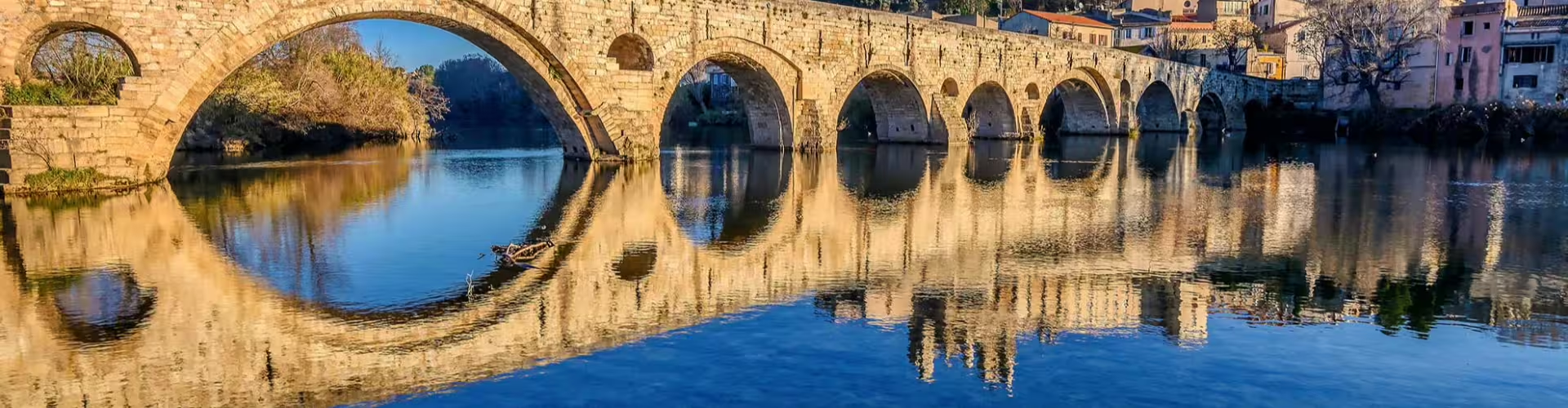

Imagine sitting at a quiet café by the Neretva River, the scent of freshly brewed Bosnian coffee mingling with the crisp mountain air. The murmur of conversation flows like the river itself, unhurried and rhythmic, as the golden hues of the sunset paint the sky above the iconic Stari Most. This is Mostar; where life moves at its own pace, where the past and present coexist harmoniously, and where merak, the Bosnian philosophy of joy in life's simple pleasures, is more than just an idea; it’s a way of life.
In Mostar, merak is in the details: the slow sip of coffee, the warmth of a stranger’s smile, the delicate art of crafting copperware, and the breathtaking stillness of a sunset reflected in the Neretva. Whether you’re wandering through the Old Bazaar or watching divers leap from the Stari Most, Mostar invites you to embrace the moment, to savor, to feel. This guide will take you on an immersive journey through the city, not just as a traveler, but as someone who truly experiences its essence.
Merak is more than just a word; it’s a philosophy deeply embedded in Bosnian culture. It embodies a profound sense of contentment, joy, and appreciation for the beauty of everyday life. Unlike the modern world’s obsession with productivity and speed, merak encourages presence—finding happiness in a lingering conversation, in the aroma of a home-cooked meal, in the way sunlight dances on ancient stone walls.
In Mostar, merak is not a luxury; it is a necessity. The city’s slow rhythm, friendly people, and breathtaking landscapes make it the perfect place to experience this philosophy firsthand. Whether you’re strolling along the Neretva or losing yourself in the labyrinthine streets of the Old Bazaar, you’ll feel the pull of merak—an invitation to slow down, observe, and connect.
No visit to Mostar is complete without experiencing the tradition of Bosnian coffee. More than just a drink, it is a ritual, an invitation to pause and appreciate life. Served in a džezva (a small copper pot), with a cube of sugar and a piece of rahat lokum (Turkish delight) on the side, Bosnian coffee is meant to be enjoyed slowly, sip by sip.
In Mostar, coffee is never rushed. It’s a moment of reflection, a time to engage in deep conversation, and an opportunity to truly be present. As you sip, listen to the gentle hum of the city, the laughter of old friends, the distant sound of the muezzin’s call to prayer. This is merak in its purest form.
Step into the cobblestone streets of Kujundžiluk, Mostar’s historic Old Bazaar, and you’ll feel as if you’ve been transported into another era. The scent of spices, the shimmer of handcrafted jewelry, the rhythmic tapping of artisans hammering copper—all awaken your senses to the beauty of the moment.
Walking through the Old Bazaar isn’t just about shopping; it’s about connecting—to the past, to the artisans, and to the slower, more deliberate pace of life that defines Mostar.
As dusk falls over Mostar, the Stari Most (Old Bridge) transforms into a golden archway, reflecting the fiery hues of the sky. This 16th-century Ottoman bridge is more than an architectural masterpiece; it’s a symbol of resilience, unity, and timeless beauty.
Mostar’s sunset isn’t just something to see; it’s something to feel. As the city slows down, as the last call to prayer echoes through the valley, as the sky deepens into night, you’ll understand merak on a deeper level—the peace of being present, of letting go of time, of simply being.
Mostar’s lifeblood, the Neretva River, is more than just a scenic backdrop. It’s a companion, a storyteller, a source of tranquility. A walk along its banks is a journey through the heart of the city, a way to experience Mostar’s rhythm firsthand.
Let the river guide you. Feel the cool air, listen to the sounds of nature and city life intertwined, and let yourself sink into the effortless beauty of the moment.
To truly embrace Mostar’s spirit, you must let go of schedules and itineraries. Let the city lead you. Here’s how:
Mostar isn’t just a place to visit. It’s a place to feel. To breathe. To be present.
As you leave Mostar, you don’t just take memories; you take a feeling—a reminder that life’s simplest moments are often the most profound. The warmth of a coffee cup in your hands, the sound of a river flowing, the golden light of sunset; these are the things that stay with you.
Merak is not just something you experience in Mostar; it’s something you can carry with you, wherever you go. It’s an invitation to slow down, to savor, to live fully in the present. And perhaps, that’s the greatest souvenir of all.
What is the best time to visit Mostar?
Spring and early autumn offer pleasant weather, fewer crowds, and the best sunsets over the Old Bridge.
How long should I stay in Mostar?
A two-day stay allows for an immersive experience, but slowing down for a few extra days lets you truly embrace merak.
Is Mostar safe for solo travelers?
Absolutely! Mostar is welcoming, safe, and full of friendly locals eager to share their stories.
What local foods should I try?
Don’t miss cevapi (grilled meat), burek (savory pastry), and tufahija (walnut-stuffed apple dessert).
Can you swim in the Neretva River?
Yes, but be prepared—it’s refreshingly cold, even in summer!