Mons

logoBlack

Build your dream
experience

dreamimg

More to know about Mons

Mons Travel Guide


Snapshot

Mons is a compact Belgian city with a creative pulse, a historic core built for strolling, and a calendar that often feels more cultural than corporate. Come for the UNESCO-linked heritage, contemporary art energy, and easy day trip access to other Wallonia highlights, then stay for the café rhythm and golden-hour streetscapes. If you want a destination that rewards slow wandering and quick logistics in equal measure, Mons makes planning simple and the experience memorable.


๐Ÿ—บ๏ธ Geography and Logistics

๐Ÿ“ Orientation: Where is it within French Community of Belgium and Belgium?

Mons sits in the French Community of Belgium, in Wallonia, close to the border region that connects easily with northern France. For most travelers, the simplest gateways are Brussels and Charleroi, then onward by train or road into the city center. Once you arrive, the historic core is compact, so you can base yourself centrally and keep transit time low.

๐Ÿ•’ When to Go: Seasonal breakdown

Spring and early summer are ideal for long walking days, outdoor terraces, and parks that add color to the city’s stone architecture. Peak summer typically brings more visitors and a livelier evening scene, so booking ahead becomes more important if you prefer central stays. Autumn can feel calmer and more local, with softer light for photography, while winter is best for travelers who prioritize museums, warm cafés, and a quieter pace.

๐Ÿ’ฐ Budget & Currency: Practical money tips

Belgium uses the euro, and most everyday travel costs in Mons feel manageable compared with larger capitals, especially if you plan meals and attractions with flexibility. Cards are widely accepted, but carrying a small amount of cash is useful for smaller purchases and quick stops. To keep spending predictable, choose a walkable base, group nearby sights together, and reserve paid entries in advance when timed tickets are offered.


โญ Essential Things to Do

Grand Place and the historic center
The heart of Mons is made for slow wandering, with a central square that anchors cafés, architecture, and the city’s everyday rhythm. It is the easiest place to get oriented and feel the local pace without a strict plan. Practical tip, start early for calmer photos, then return in the evening when terraces fill and the atmosphere shifts.

UNESCO-focused heritage walk
This experience is about understanding why the city’s story matters, not just collecting landmarks. A heritage walk helps you connect architecture, civic identity, and the way the old town still shapes modern life. Practical tip, pin your key stops on an offline map so you can wander between them without losing time.

Belfry viewpoint experience
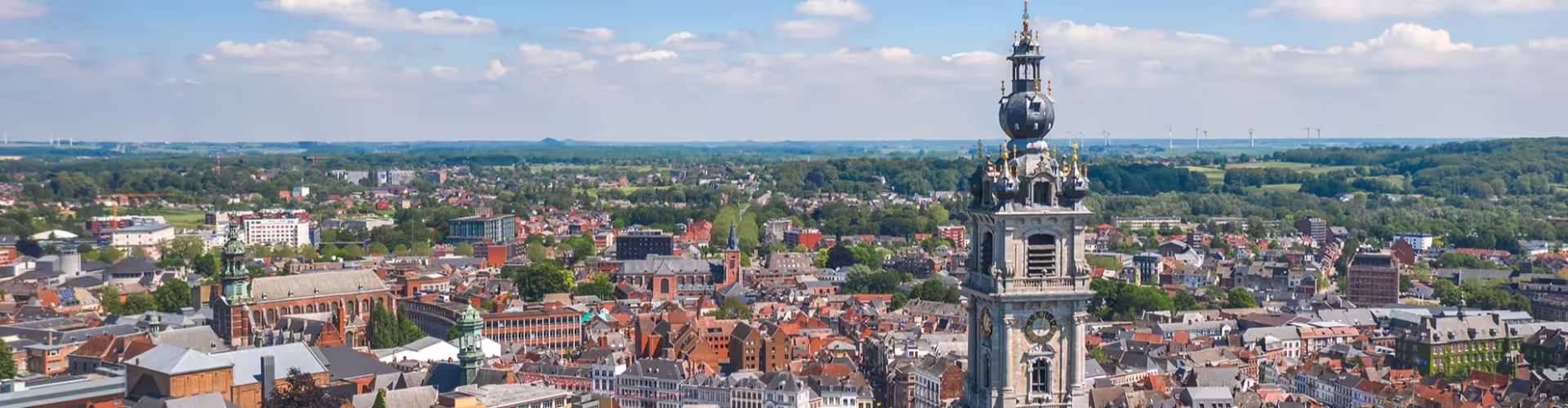
A belfry visit is a classic way to read the city from above and understand how compact the center is. The climb or ascent turns into a visual map, with rooftops and street lines that make later navigation easier. Practical tip, go when the light is softer, morning or late afternoon, for clearer photos and less glare.

Art and museum time
Museums in Mons offer a weather-proof plan and a deeper look at the region’s cultural layers, from historic collections to contemporary programming. This is the best choice when you want meaning and context, not only scenery. Practical tip, pair museum time with a nearby café stop so you can process what you saw and keep the day relaxed.

Street photography loop
The city’s scale is ideal for photography, because you can move quickly between open squares, narrow lanes, and quieter residential edges. The charm comes from small details, doors, stone textures, and changing light, rather than a single iconic shot. Practical tip, take a two-hour loop and revisit the same streets later, the second pass often delivers the best frames.

Local café and terrace culture
A big part of the destination’s appeal is how easy it is to pause, people-watch, and let the day unfold. Café time is not filler here, it is part of the experience and a practical way to pace a walking-heavy itinerary. Practical tip, sit slightly off the main square for a calmer vibe while staying close to everything.

Evening stroll for atmosphere
At night, the center feels more cinematic, with lighting that emphasizes façades and creates a different mood from daytime sightseeing. This is when long tail travel planning for Mons pays off, because you can schedule indoor visits earlier and keep evenings flexible. Practical tip, choose comfortable shoes and keep your route simple, looping back to your accommodation through well-lit streets.

Day trip planning hub
Mons works well as a base for exploring the region, because you can return to a familiar center after a half-day or full-day outing. This makes it easier to balance big sights with downtime. Practical tip, confirm train or road timings the day before, then start early to protect your schedule.


๐Ÿšถ Curated Itineraries

โฐ The Highlights (1 Day): A fast-paced best-of route

Start with a morning orientation walk from the central square through the historic streets, taking time to note the key landmarks you want to revisit later. Midday, choose a museum or cultural stop to add context, then break for a long lunch with a terrace view. In the afternoon, aim for a viewpoint experience and a final loop through photogenic lanes. End with an evening stroll and a relaxed dinner, keeping the route compact so you do not spend your best hours commuting.

โฐ Deep Dive (2 to 3 Days): Neighborhood texture and local rhythm

On day one, focus on the core, the main square, heritage elements, and a museum visit for grounding. Day two is for slow exploration, café time, street photography, and a second cultural stop, with room to linger in quieter streets beyond the busiest lanes. If you have a third day, use Mons itinerary 2 days planning principles, then add a regional excursion and return for a final evening in the center. This structure keeps each day cohesive and prevents the common mistake of trying to cover too much in one sweep.


๐Ÿฝ๏ธ Flavors of Mons

Belgian fries
Crisp outside, soft inside, and designed for snacking while you wander. Ordering tip, ask for a sauce pairing that matches your mood, then share a portion if you plan a larger meal later.

Waffles
Expect a sweet, comforting bite that works as breakfast, dessert, or an afternoon reward. Ordering tip, keep toppings simple if you want to taste the waffle itself, then go richer if you are treating it as dessert.

Chocolate and pralines
Belgium’s chocolate culture is about texture and balance, not just sweetness, and it is an easy souvenir that travels well. Ordering tip, choose a small mixed box so you can compare styles and find your favorite.

Local beer styles
Belgian beer culture is diverse, often aromatic, and best enjoyed slowly with food. Ordering tip, ask for something from the region if available, and consider a smaller pour if you want to sample more than one.

Cheese and charcuterie boards
These are ideal for a relaxed evening, especially if you want to keep dinner light after a big lunch. Ordering tip, choose a mixed board for variety and pair it with a drink that complements the salt and richness.

Seasonal soups and stews
In cooler months, warm bowls are a practical choice that fits the local rhythm of café breaks and slow meals. Ordering tip, look for a daily special style option if you want the most seasonal choice.


๐ŸšŒ Navigation & Transport

The center of Mons is best explored on foot, because many highlights sit close together and the most rewarding moments come from wandering between planned stops. Trains and regional connections make it practical to arrive from major hubs, then keep your local movement simple and walk-based. For longer hops or late returns, taxis or ride-hailing can be useful, but planning a compact loop reduces costs and stress. As with any city, keep valuables secure in busy areas and prioritize well-lit streets at night, especially if you are walking back after dinner.


๐ŸŒ„ Beyond the Center: Day Trips

Brussels
Travel time varies by route, but it is a straightforward rail or road connection from the region and a strong choice for museums and iconic city sights. Primary reason to visit, a big-city contrast with grand architecture and major cultural institutions.

Charleroi
Often used as a gateway hub, it can also work as a quick stop depending on your route. Primary reason to visit, practical logistics and an urban contrast that helps you understand the region’s variety.

Wallonia countryside towns
Small towns and rural landscapes offer a slower day with local character and scenic pauses. Primary reason to visit, a break from city walking with a more pastoral feel. Travel time depends on the specific destination and connections.

Northern France border area
Because Mons sits close to the French border region, cross-border day trips can be realistic with planning. Primary reason to visit, a cultural shift in food, language, and townscape within a short distance. Travel time depends on the chosen town and transport mode.


โœ… Insider Tips for Travelers

  • Group nearby sights into a single walking loop, then schedule a longer break, this keeps your energy steady.
  • If an attraction uses timed entry, book ahead so your day does not get fragmented by waiting.
  • Plan one museum or indoor stop each day, it protects your itinerary if weather changes.
  • Carry a small amount of cash for quick purchases, but use a card for most spending to simplify tracking.
  • For photos, walk the same streets twice, morning for calm and evening for atmosphere.
  • Pack comfortable shoes and a light rain layer, the best experiences in Mons rely on walking.
  • Avoid over-committing to day trips, a half-day excursion often pairs better with an evening back in the center.

โ“ Frequently Asked Questions, FAQ

How many days do I need for Mons?

One day covers the core highlights at a brisk pace, especially if you focus on the historic center and one cultural stop. Two to three days lets you slow down, add museums, and include a regional day trip.

Is Mons walkable for first-time visitors?

Yes, the central area is compact and designed for exploring on foot, with most key streets and squares close together. Comfortable shoes make a noticeable difference, especially if you add viewpoints and longer photo loops.

What is the best time of year to visit Mons?

Spring through early autumn generally supports longer walking days and more terrace time, while winter suits travelers who prefer indoor culture and a quieter pace. The best choice depends on whether you prioritize atmosphere outdoors or museum-focused plans.

Do I need cash in Mons, or is card enough?

Cards are widely accepted, but carrying a small amount of cash is helpful for smaller purchases and quick stops. Using a card for most spending also makes it easier to track your travel budget.

Can Mons be used as a base for day trips?

Yes, Mons can work well as a base because you can keep your accommodation in a walkable center and branch out by train or road. Planning an early start helps you return with time for an evening stroll and dinner back in Mons.