



Cork

logoBlack

Build your dream
experience

dreamimg

More to know about Cork

Cork Travel Guide


Snapshot

Cork is Ireland’s easygoing southern city, a place where riverside walks, market stalls, and live music create a day that feels full without feeling rushed. Come for the food-first culture and compact neighborhoods, then stay for the quick access to the coast and the countryside of Munster. It is a strong pick right now if you want an Irish city break with character, local flavor, and day trips that do not require long travel days.


🗺️ Geography and Logistics

📍 Orientation: Where is it within Provinces of Munster and Ireland?

Cork sits in the south of Ireland in the Provinces of Munster, with the River Lee shaping the city’s center and bridges linking walkable districts. For most travelers, the simplest gateways are Cork Airport for direct access, or Dublin Airport followed by an intercity transfer. If you are building a wider Ireland route, Cork works well as a base for the southern coastline and nearby heritage towns.

🕒 When to Go: Seasonal breakdown. Weather patterns vs. crowd levels

Expect a mild, changeable Atlantic climate, so layers and a rain shell are useful in any season. Summer tends to bring longer daylight and higher demand for popular experiences, while shoulder seasons can feel calmer for museums, markets, and scenic drives. Winter days are shorter, but the city’s pubs, galleries, and food scene keep the atmosphere lively when the weather turns.

💰 Budget & Currency: Practical money tips, local price levels, and card vs. cash advice

Ireland uses the euro, and cards are widely accepted across the city for meals, transport, and tickets. Keep a small amount of cash for smaller purchases and tips, especially in busy venues. To manage costs, prioritize free or low-cost city walks, then spend intentionally on a few standout meals or a day trip that matches your interests.


⭐ Essential Things to Do List

English Market, This iconic covered market is the quickest way to understand the city’s food identity, with counters that highlight local produce and ready-to-eat bites. The atmosphere is part of the experience, expect a lively hum and lots of browsing. Practical tip, go earlier in the day for the best selection and a less crowded wander. If you are planning a picnic, shop here first and then head to a riverside spot.

Stroll the River Lee Bridges, The river defines the rhythm of central Cork, and walking the bridges gives you a natural orientation without needing a map. You will see how the city’s streets curve with the water, and how neighborhoods connect in short, scenic hops. Practical tip, plan this walk near golden hour for softer photos and a more relaxed pace. Wear comfortable shoes because you will likely keep going longer than you expect.

Shandon and the Northside Viewpoints, The northside is where you feel the city’s older layers, with hillier streets and classic sightlines back toward the center. It is a great counterbalance to the flatter, shop-filled lanes closer to the river. Practical tip, combine this area with a café stop, then take your time coming back downhill. If mobility is a concern, consider pacing this section with breaks.

Crawford Art Gallery, A strong cultural stop for a city break, the gallery adds depth to your itinerary when you want a slower hour between walks and meals. It is also an easy way to reset if the weather shifts, which is common in Ireland. Practical tip, visit midweek or earlier in the day for a quieter experience. Pair it with a nearby coffee so you can linger without rushing.

Elizabeth Fort, This star-shaped fort connects you to the city’s defensive history and gives you a sense of how Cork evolved around strategic high points. It is a compact visit that still feels meaningful, especially if you like places that mix views with storytelling. Practical tip, bring a light jacket because elevated spots can feel breezier. Combine it with a self-guided walk through nearby streets for a fuller feel of the area.

Live Music in Traditional Pubs, Pub culture here is not only about drinks, it is about community, conversation, and informal performance. A good session can turn an ordinary night into a memory, especially when you settle in early and watch the room fill. Practical tip, arrive before peak hours to get a seat and order your first round without pressure. If you want a quieter vibe, choose a weeknight rather than a weekend.

University College Cork Grounds, The campus adds a calm, leafy contrast to the city center and works well for a reflective walk. It is the kind of place that helps you slow down, especially after a busy morning of sightseeing. Practical tip, treat it as a flexible gap-filler, it fits well before dinner or between museums. If the weather is bright, this is a good spot for a short break outdoors.

Marina and Greenway-Style Walks, For fresh air without leaving the city, the waterside paths and quieter stretches near the marina are ideal. This is where you can see daily life, runners, dog walkers, and locals out for an easy stroll. Practical tip, bring a reusable bottle and take it at a relaxed pace. It is also a good option if you are traveling with kids or want a low-effort activity.


🚶 Curated Itineraries

⏰ The Highlights (1 Day): A fast-paced Best Of route

Start with breakfast and a browse at English Market, then walk along the River Lee to get your bearings and pick a couple of photo stops on the bridges. Head to Crawford Art Gallery for a cultural hour, then continue toward a historic viewpoint such as Elizabeth Fort for context and city views. In the evening, plan a pub dinner and aim for live music, arriving early enough to choose your spot and settle in.

⏰ Deep Dive (2-3 Days): Adding neighborhood exploration and local secrets

On day one, follow the highlights route but slow the pace, add time for side streets, independent shops, and a longer lunch built around market finds. On day two, explore Shandon and the northside, then balance the hills with a calmer afternoon walk around University College Cork or the marina paths. If you have a third day, use Cork as a base for a coastal or heritage day trip, keeping your evenings open for relaxed meals and a second music night in a different venue.


🍽️ Flavors of Cork

Seafood chowder, Creamy, warming, and often packed with local fish, it is a classic choice when the weather turns cool. Ordering tip, ask what seafood is featured that day, the best bowls reflect what is freshest.

Irish stew, Comforting and slow-cooked, this is the kind of dish that suits a long walking day. Ordering tip, pair it with bread to make it a complete, filling meal.

Soda bread, Slightly tangy and hearty, it is ideal alongside soups and stews. Ordering tip, look for house-made versions, they are often served warm and feel more special.

Black pudding, Rich and savory, it is a bold taste that shows up at breakfast and in modern bistro plates. Ordering tip, try it as part of a full Irish breakfast if you want the traditional context.

Local cheeses, Expect a range from mild and creamy to sharp and aged, often served with crackers or bread. Ordering tip, choose a tasting board if available, it lets you compare styles without committing to one.

Craft beer and stout, The pub pour is part of the experience, with options that range from smooth and roasted to bright and hoppy. Ordering tip, if you are unsure, ask for a recommendation based on what you usually like, staff are often happy to guide you.


🚌 Navigation & Transport

Central Cork is well suited to walking, especially around the river, the market area, and the main cultural sights. For longer hops or when the weather is wet, public transport and taxis can help you keep your day on track without losing time. If you are using ride-sharing or taxis at peak hours, plan a little buffer time for pick-ups. For accessibility, prioritize flatter riverside routes and break hillier areas into shorter segments with café stops.


🌄 Beyond the Center: Day Trips

Kinsale, A popular coastal escape known for its harbor setting and food-focused reputation. Travel time varies by route and transport method, so plan ahead and aim for an early start if you want a full day.

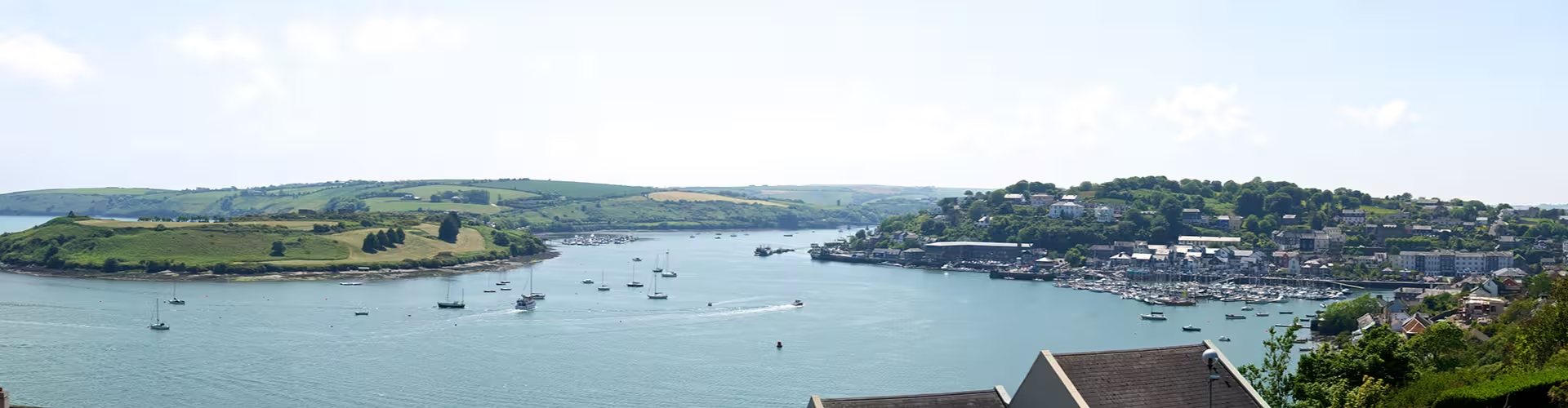
Cobh, A historic port town with strong maritime connections and scenic waterfront views. It is a rewarding half-day or full-day option, especially if you enjoy heritage storytelling and photography.

Blarney, Best known for its castle grounds and the wider visitor experience around local legend and history. It is an easy add-on when you want a structured sightseeing day outside the city.

West Cork coastline, A broader region rather than a single stop, ideal for travelers who want Atlantic scenery and small-town atmosphere. Choose one or two villages or viewpoints rather than trying to do it all in one day.


✅ Insider Tips for Travelers

  • Pack a light rain jacket and comfortable shoes, the weather can change quickly and the best days involve plenty of walking.
  • Start early for the market and the most popular sights, you will get better photos and a calmer experience.
  • Build your day around neighborhoods, not checklists, the city rewards slow wandering and short breaks.
  • If you want live music, arrive before peak hours to secure a seat and avoid standing-room-only crowds.
  • Use the river as your navigation tool, it is the easiest way to keep your bearings while exploring.
  • For day trips, pick one anchor destination and leave space for spontaneous stops, this keeps the pace enjoyable.

❓ Frequently Asked Questions, FAQ

What is the easiest way to get to the city?

Most travelers arrive via Cork Airport or connect through Dublin Airport with an onward transfer. Choose based on your flight options and how much time you want to spend in transit.

How many days do I need for Cork?

One day covers the main highlights at a brisk pace, especially if you focus on the center and one major cultural stop. Two to three days gives you time for neighborhoods, longer meals, and at least one day trip from Cork.

Is Cork walkable for first-time visitors?

Yes, the central areas are very walkable, and the River Lee makes it easy to stay oriented. For hillier sections, plan short breaks and consider using taxis or public transport to reduce steep walking.

What should I pack for a trip here?

Bring layers, a light rain jacket, and shoes that handle wet pavement. Even on brighter days, the breeze near the river can make an extra layer feel worthwhile.

Do I need cash, or can I pay by card?

Cards are widely accepted, so you can handle most expenses without cash. It is still smart to carry a small amount for small purchases and tips, especially in busy pubs in Cork.