Charleroi
A practical guide to Charleroi’s industrial heritage, street art, museums, and local flavors, plus itineraries, transport tips, and easy day trips across Belgium.

A practical guide to Charleroi’s industrial heritage, street art, museums, and local flavors, plus itineraries, transport tips, and easy day trips across Belgium.

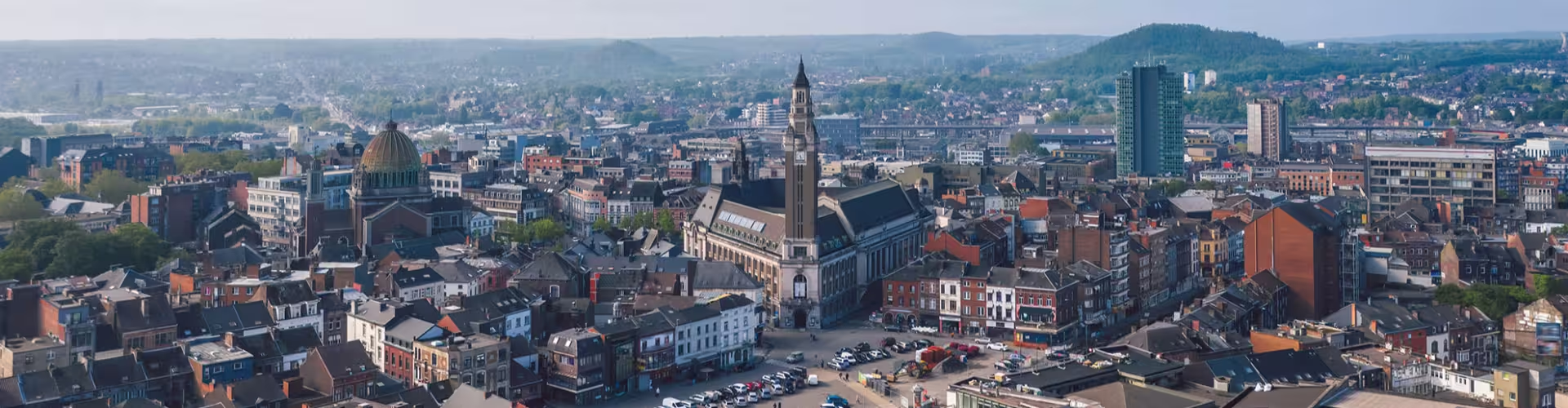
Gritty, creative, and surprisingly green at the edges, this Walloon city has reinvented itself from heavy industry into a hub for street art, design, and contemporary culture. Expect bold architecture, working class food culture, and museums that tell Belgium’s industrial story without gloss. Use this guide to plan a smooth first visit, choose the right neighborhoods to explore, and build a day plan that fits your pace.
Charleroi feels like a city in motion, where former factories and canals sit alongside galleries, public art, and a proud local identity. Visit now for a less touristed Belgian break with strong value, easy connections, and a growing cultural calendar. It is best for travelers who like authenticity, urban photography, and discovering places before they become mainstream.
Set in the French Community of Belgium in Belgium, the city sits in Wallonia with fast links to Brussels and other major hubs. The main air gateway is Brussels South Charleroi Airport, popular with low cost carriers and convenient for quick European getaways. For rail, look for connections via Charleroi South station, which links to regional and national routes.
Late spring through early autumn brings the most comfortable weather for walking, outdoor terraces, and street art hunting. Summer has the longest days and lively weekends, but also the highest demand for accommodation around events. Autumn and winter are quieter and can feel moodier, which suits museums, cafés, and photography, just pack layers and rain protection.
The currency is the euro, and cards are widely accepted, especially in restaurants, supermarkets, and transport hubs. Keep a small amount of cash for smaller bars, markets, and quick snacks. For better value, book accommodation early around weekends, and consider a simple lunch menu in brasseries rather than dinner for classic dishes at lower prices.
Industrial heritage walk along former factory districts
Why it matters: The city’s identity is rooted in coal, steel, and working class neighborhoods, and you can still read that story in the urban landscape. Exploring on foot helps you understand how regeneration is reshaping public spaces. Practical tip: Go in the morning for clearer light for photos and a calmer pace.
Street art and urban photography circuit
Why it matters: Large scale murals and creative interventions have become a key part of the city’s modern image. It is a rewarding way to explore beyond the obvious streets and see how art is used to reclaim industrial spaces. Practical tip: Save key spots offline on your map before you head out, as routes can zigzag between neighborhoods.
Museum time for art, design, and local history
Why it matters: Museums here tend to be direct and story driven, connecting regional history with contemporary culture. They are ideal on rainy days and help you contextualize what you see in the streets. Practical tip: Aim for early afternoon, then finish with a café stop nearby.
Canal side strolls and green edges
Why it matters: The contrast between hard industry and softer riverside or park scenes is part of the destination’s charm. A gentle walk resets the pace after urban exploring. Practical tip: Bring a light jacket even in warm months, as breezes can pick up near open water.
Local markets and neighborhood bakeries
Why it matters: Everyday food culture is a window into Walloon life, from simple pastries to hearty lunchtime staples. Markets are also great for low cost snacks and people watching. Practical tip: Arrive earlier for the best selection, then plan a long coffee afterwards.
Belgian beer tasting in a no fuss bar
Why it matters: Belgium’s beer culture shines brightest in relaxed places where locals actually drink. Sampling a few styles helps you understand regional preferences beyond the famous labels. Practical tip: Start with a smaller pour and ask for something local or seasonal.
Architecture and city viewpoints
Why it matters: Modern civic buildings and older industrial structures create a striking skyline and strong lines for photographers. A viewpoint visit ties the city together visually. Practical tip: Time your visit for late afternoon for warmer light and better contrast.
Daytime culture, nighttime comfort
Why it matters: The best rhythm is culture and walking by day, then a simple brasserie dinner and an early night if you are catching flights or trains. This keeps the trip smooth and budget friendly. Practical tip: If you have an early departure, stay close to the station or book a reliable transfer.
Start with a coffee and a pastry, then do a focused street art and architecture loop for your best first impressions. Spend midday in a museum to anchor the city’s industrial and cultural story. In the afternoon, take a canal side or park walk, then finish with a brasserie dinner and a Belgian beer flight.
Day 1: Combine museums with a neighborhood walk that highlights industrial heritage and regeneration. Add a market stop for casual lunch and local snacks.
Day 2: Go deeper on street art, design spots, and independent cafés, then plan a relaxed evening with regional dishes. If you have a third day, use it for a nearby city break by train or a slower green walk to balance the urban edge.
Moules frites
Taste profile: Steamed mussels with aromatic broth, paired with crisp fries. Ordering tip: Ask what the house broth style is, classic white wine or cream, then share a pot if you want variety.
Carbonnade flamande
Taste profile: Slow cooked beef stew with a deep, slightly sweet beer based sauce. Ordering tip: Look for it as a daily special, it is often best value at lunch.
Liège style waffles
Taste profile: Dense, caramelized, and buttery with pearl sugar crunch. Ordering tip: Try it plain first, toppings can hide the quality of the dough.
Belgian chocolate and pralines
Taste profile: Rich cocoa, smooth fillings, and balanced sweetness. Ordering tip: Buy a small mixed box, then note your favorites before committing to a larger gift pack.
Trappist and abbey beers
Taste profile: Complex, often fruity or spicy, ranging from blond to dark. Ordering tip: Ask for the correct glass, it is part of the experience and helps aroma.
Stoemp
Taste profile: Comforting mashed potatoes mixed with seasonal vegetables, often served with sausage. Ordering tip: Ask what vegetables are in today’s version, it changes by season.
The center is walkable for short loops, but expect some longer stretches between districts if you are chasing murals or industrial sites. Trains are the easiest way to connect to Brussels and other Belgian cities, while local buses help bridge gaps within town. Taxis and ride hailing can be useful for early flights or late returns, especially if you are traveling with luggage.
For comfort and safety, stick to well lit routes at night and plan your last transport connection in advance. If accessibility matters, prioritize museums and central areas first, and use point to point rides for steeper or longer segments.
Brussels
Travel time: About 1 hour by train. Reason to go: Grand architecture, major museums, and a classic Belgian food scene.
Namur
Travel time: Roughly 1 to 1.5 hours by train. Reason to go: A scenic riverside setting and a historic citadel atmosphere.
Liège
Travel time: Around 1.5 to 2 hours by train. Reason to go: Lively city energy, strong food culture, and standout modern station architecture.
Waterloo area
Travel time: About 1 to 1.5 hours by train and local connection. Reason to go: Historic battlefield context and museums for European history fans.
One full day covers the main street art, a museum, and a relaxed food and beer evening. Two days lets you explore neighborhoods at a slower pace and add an easy day trip by train.
Yes, there are straightforward rail connections, and the city is also served by Brussels South Charleroi Airport for flights. Check schedules in advance if you are traveling early or late in the day.
Late spring to early autumn offers the most comfortable temperatures and longer daylight. Autumn can be great for moodier industrial shots, just plan around rain.
Cards work in most places, especially restaurants and transport hubs. Carry a little cash for smaller purchases like snacks, markets, or quick drinks.
It can be, because rail links make it easy to reach cities like Brussels, Namur, or Liège. If you want maximum flexibility for rural areas, consider mixing trains with occasional taxis.