




Ypres

Plan a meaningful trip to Ypres with practical logistics, top things to do, curated 1 to 3 day itineraries, local flavors, transport tips, and day trip ideas across the historic Ypres Salient.

logoBlack

Build your dream
experience

dreamimg

More to know about Ypres


Ypres Travel Guide

Ypres is a compact Flemish city where medieval streetscapes and powerful First World War memory sit side by side. It is an easy place to navigate on foot, with a central square that anchors most visits and a countryside of poignant sites just beyond the ramparts. This guide focuses on practical planning, what to prioritize, and how to shape a visit that feels both meaningful and enjoyable.


Snapshot

Ypres blends a calm, walkable city center with a landscape that quietly tells global history, which gives the destination a reflective, respectful vibe. Come for the architecture, museums, and market square energy, then step outside town for open fields and memorial sites that add context to everything you see. It works well right now for travelers who want a manageable itinerary, short transit times, and experiences that feel grounded in place rather than hype.


🗺️ Geography and Logistics

📍 Orientation: Where is it within Flemish Community and Belgium?

Ypres is in the Flemish Community of Belgium, in the country’s western region, close to the French border. It is typically reached via Belgium’s major transport hubs, then continued by rail or road into West Flanders. For planning, treat the city as a hub, the center is the base, and the surrounding countryside is where many of the most moving sites are located.

🕒 When to Go: Seasonal breakdown

Expect a classic northwest European rhythm, with cooler, shorter days in winter and longer, brighter days in late spring and summer. Shoulder seasons can be a strong choice if you prefer fewer crowds and softer light for photography, especially around the ramparts and memorial landscapes. Peak summer generally brings the highest visitor volume, so it is wise to plan key visits earlier in the day and keep flexibility for weather changes.

💰 Budget & Currency: Practical money tips

Belgium uses the euro, and you can plan for a mid range European price level, with costs varying by dining style and accommodation standard. Cards are widely used in Belgium, but carrying a small amount of cash can help for smaller purchases and quick stops. A practical approach is to set a daily budget for museums, meals, and local transport, then treat guided experiences as an add-on for deeper context.


⭐ Essential Things to Do

Explore the Market Square and historic center
The central square is the visual and social heart of Ypres, and it gives you instant orientation. Architecture and street life combine here, making it ideal for a first walk and for photos that capture the city’s character. Practical tip, start early to enjoy calmer streets, then return later for a livelier atmosphere.

Visit the In Flanders Fields Museum
This museum is a cornerstone experience for understanding how the First World War shaped the region and why the surrounding landscape matters. It helps connect memorial sites and cemeteries to personal stories and broader history. Practical tip, go before you head to the countryside so the context is fresh and you recognize names and places as you travel.

Walk the ramparts and green edges of town
The fortified outline gives Ypres a distinct structure, and walking it is a calm way to see how the city relates to its surroundings. The pace is unhurried, and the views shift between urban rooftops and open space. Practical tip, bring comfortable shoes and allow extra time for pauses, the route rewards slow observation.

Spend time at the Menin Gate Memorial
The Menin Gate is one of the most significant memorials in the area, and many travelers find it to be the emotional center of a visit. It is a place for reflection and for understanding the scale of loss connected to the Ypres Salient. Practical tip, visit with a respectful mindset and plan a quieter activity afterward, the experience can be intense.

Tour key sites of the Ypres Salient
The wider battlefield landscape is essential for grasping why this corner of Belgium became so central during the war. Moving between sites reveals how close the front lines were to the city and how the terrain influenced events. Practical tip, consider a guided route if you want clear narrative and efficient logistics, especially if time is limited.

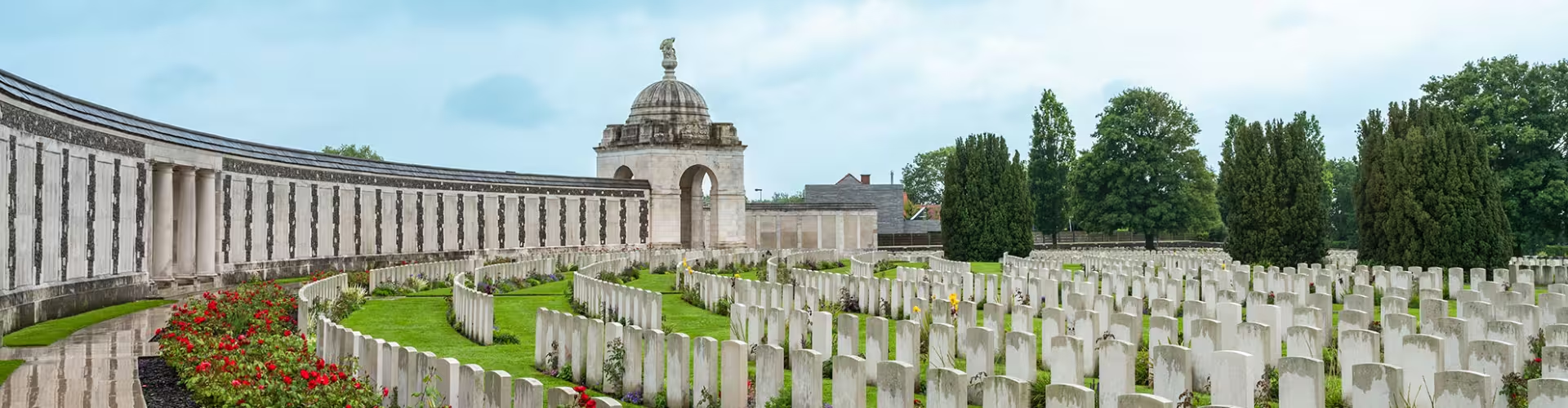
Visit Tyne Cot Cemetery
Tyne Cot is one of the most visited cemeteries in the region, and its scale makes the history tangible in a way books cannot. The setting is quiet and open, encouraging a slow, thoughtful visit. Practical tip, allow more time than you think, many visitors stay longer once they arrive.

See preserved trench and battlefield landscapes
Where preserved elements are accessible, they help translate abstract history into physical reality. Even small features in the landscape can change how you interpret what you learned in town. Practical tip, dress for weather and mud, and keep expectations realistic, preservation varies by site and season.

Take a local beer and café break
Between museums and memorials, a café stop helps reset the day and gives you a sense of everyday life in Ypres. Belgian beer culture is part of the travel experience, and the city’s compact center makes it easy to pause without losing momentum. Practical tip, pair one drink with a small snack, and keep the rest of your schedule light if you plan multiple tastings.


🚶 Curated Itineraries

⏰ The Highlights (1 Day)

Start in the historic center with a focused walk around the market square to get your bearings and appreciate the city’s architectural coherence. Continue to the In Flanders Fields Museum to build context, then take a ramparts walk to transition from city streets to the broader landscape. In the afternoon, choose one or two major sites in the countryside, such as Tyne Cot and a key memorial stop, then return to town for an evening visit to the Menin Gate area and a simple dinner nearby.

⏰ Deep Dive (2 to 3 Days)

Use day one to concentrate on the city, the market square, museum time, and a long ramparts walk with café breaks. Day two is for the Ypres Salient, plan a loop that includes major cemeteries and memorials, and add a preserved landscape stop to make the story physical. If you have a third day, slow down, revisit the sites that stayed with you, add smaller museums or quieter corners of the countryside, and leave room for unplanned moments that often become the most memorable.


🍽️ Flavors of Ypres

Belgian frites, crisp fries with a soft interior, often paired with a range of sauces. Ordering tip, ask what house sauces are popular and choose one classic and one local favorite.

Moules frites, mussels served with fries, typically fragrant and savory. Ordering tip, if multiple preparations are offered, pick one that matches your mood, classic styles are usually a safe bet.

Carbonnade flamande, a Flemish beef and beer stew with deep, slightly sweet richness. Ordering tip, pair it with a local beer style recommended by the staff for a coherent flavor match.

Belgian waffles, ranging from light and crisp to richer styles depending on preparation. Ordering tip, keep toppings simple if you want to taste the batter and caramelized notes.

Local Belgian beer, from lighter refreshing styles to darker, maltier options. Ordering tip, start with a smaller pour if you are sampling, and ask for a food pairing suggestion.

Chocolate and pralines, smooth, sweet, and often filled with nutty or creamy centers. Ordering tip, buy a small mixed selection so you can compare textures and flavors without overcommitting.


🚌 Navigation & Transport

The center of Ypres is highly walkable, and most city highlights are easiest on foot, especially if you want to absorb the atmosphere and notice details in the streetscape. For countryside sites connected to the Ypres Salient, you will typically rely on a guided tour, taxi, or a rental car, depending on your comfort level and schedule. If you are walking a lot, prioritize supportive shoes and weather layers, and keep in mind that memorial sites call for respectful behavior and a quieter pace.


🌄 Beyond the Center: Day Trips

Battlefield and memorial circuit in the surrounding countryside, a short drive from town, ideal for travelers who want deeper context beyond the city center. Primary reason, it helps you understand how the landscape shaped the history you learn in museums.

West Flanders countryside villages, generally within a short regional journey, offering a slower rhythm and a sense of everyday life beyond the main visitor routes. Primary reason, it balances heavy historical themes with local culture and scenery.

Border area toward France, reachable as a regional outing, useful if you are combining a Belgium itinerary with northern France. Primary reason, it adds geographic perspective and can broaden your route planning.


✅ Insider Tips for Travelers

  • Start with the museum, then go to memorial sites, the narrative will feel clearer and more connected.
  • Build in decompression time, alternating heavy historical stops with a café break or a quiet walk.
  • Dress for changeable weather, layers and a rain jacket help in most seasons.
  • Keep memorial etiquette in mind, speak quietly, avoid climbing on structures, and be mindful with photos.
  • If you plan a countryside loop, cluster nearby stops to reduce backtracking and avoid a rushed day.
  • Carry a small amount of cash alongside cards for small purchases.

❓ Frequently Asked Questions, FAQ

How many days do I need in Ypres?
One day covers the core center and a key museum, plus a short countryside stop if you plan efficiently. Two to three days is better if you want time for multiple memorial sites and a slower pace.

Is Ypres easy to explore without a car?
The city center is ideal for walking, and you can cover major urban sights on foot. For countryside sites, a guided tour or pre planned transport makes the day smoother.

What is the best order for visiting museums and memorials?
Many travelers prefer starting with a museum for historical grounding, then visiting cemeteries and memorials afterward. This sequence helps you recognize locations and understand why specific sites matter.

When is the least crowded time to visit Ypres?
Shoulder seasons often feel calmer than peak summer, with more space at major points of interest. Weather can be more variable, so pack layers and keep your schedule flexible.

What should I wear when visiting battlefield sites near Ypres?
Choose comfortable walking shoes and practical clothing you can layer, since conditions can change quickly. A rain layer is useful, and a respectful, understated outfit fits the tone of memorial locations.