Leuven

Leuven guide with what to do, when to go, how to get around, what to eat, and easy day trips. A practical, walkable plan for 1 to 3 days.

logoBlack

Build your dream
experience

dreamimg

More to know about Leuven


Leuven Travel Guide

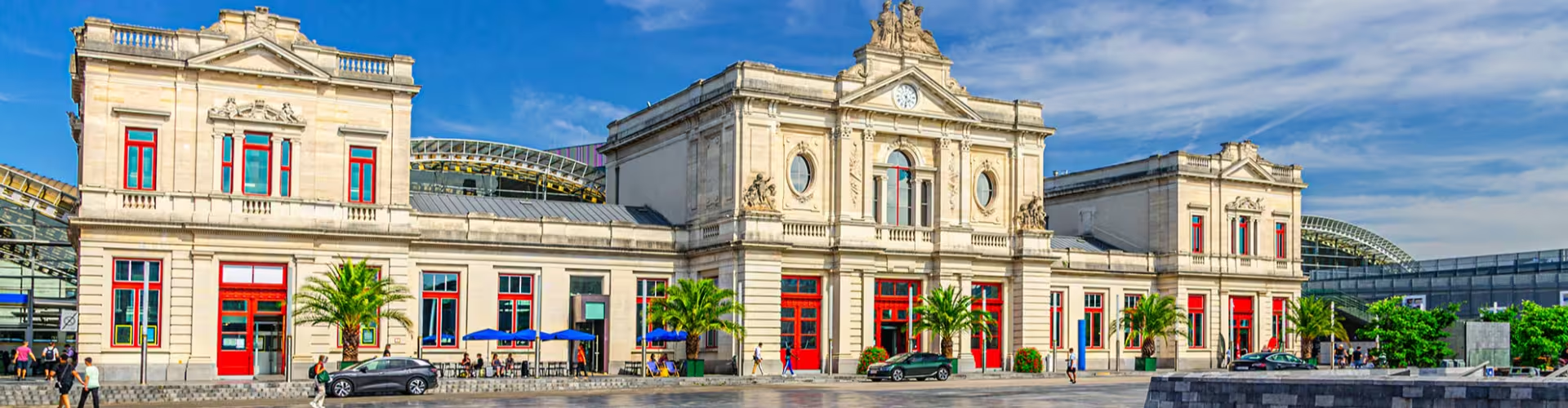
Leuven is a compact Flemish city that blends Gothic landmarks, a lively university energy, and a café culture built for lingering conversations. This guide focuses on practical planning, what to prioritize, and how to connect the city center with easy day trips, so you can make confident choices with your time. Expect walkable streets, photogenic squares, and a rhythm that shifts from calm mornings to buzzing evenings.


Snapshot

Leuven feels youthful and historic at the same time, thanks to its renowned university presence and a skyline shaped by ornate churches and civic buildings. It is an easy add-on to a Belgium itinerary because distances are short, and the city rewards slow travel with small discoveries. Go now if you want a city break that balances culture, architecture, and local food and drink without the scale or intensity of a capital.


🗺️ Geography and Logistics

📍 Orientation: Where is it within Flemish Community and Belgium? Name key gateway airports or hubs.

Leuven sits in the Flemish Community of Belgium, positioned as a convenient base for exploring the country’s central corridor. For most travelers, the easiest gateways are major Belgian transport hubs and international flight connections into Belgium, followed by onward rail links. Once you arrive, the historic core is compact, and many of the main sights cluster around central squares, making it easy to navigate on foot.

🕒 When to Go: Seasonal breakdown. Weather patterns vs. crowd levels.

Plan your timing around your preferred balance of daylight, atmosphere, and crowd levels. Warmer months typically support longer evenings outdoors and a busier café scene, while cooler months can feel quieter and more local, with more time in museums, churches, and cozy dining rooms. Shoulder seasons often offer a strong mix of comfortable walking weather and manageable crowds, which suits travelers building a flexible itinerary.

💰 Budget & Currency: Practical money tips, local price levels, and card vs. cash advice.

Belgium uses the euro, and visitors generally find that cards are widely accepted in cities, with cash still useful for small purchases. Set a daily budget based on your travel style, because costs can vary between quick snacks, sit-down meals, and specialty drinks. If you are planning a few paid attractions, keep some buffer in your budget and prioritize what matters most, such as architecture, local flavors, or day trips.


⭐ Essential Things to Do

Grote Markt and the historic center
The main square is a natural starting point, and it frames the city’s architectural identity in one glance. Spending time here helps you understand how Leuven works, with walkable streets branching into shopping lanes, cafés, and landmark viewpoints. Practical tip: visit early for clearer photos and a calmer feel, then return after dark for a more atmospheric look.

Town Hall architecture spotting
Leuven’s civic architecture is one of its signature visual highlights, and it is best appreciated slowly, looking for carvings, symmetry, and details that are easy to miss at a quick glance. This is the kind of stop that turns a short walk into a memorable moment. Practical tip: bring a camera with a zoom lens, or use your phone’s zoom to capture the façade details without needing special access.

University quarter stroll
The student energy gives Leuven a forward-looking pulse, especially around academic buildings and the streets that support student life. Even if you are not visiting a specific institution site, walking the university quarter helps you feel the city’s everyday rhythm. Practical tip: aim for late afternoon into early evening if you want to see the area at its liveliest.

Church and heritage interiors
Historic churches in Flemish cities often hold art, craftsmanship, and a sense of quiet that contrasts with the busy streets outside. Visiting at least one interior experience adds depth to your itinerary, especially if you enjoy photography, history, or reflective spaces. Practical tip: pack a light layer, as stone interiors can feel cooler than the street temperature.

Local beer culture, tasting with intention
Belgium’s beer tradition is a real part of local identity, and Leuven is a rewarding place to approach it as culture rather than a checklist. A focused tasting helps you notice style differences, from lighter options to richer, more complex pours. Practical tip: choose one venue and try a small range, then note what you like, instead of hopping too quickly between bars.

Slow café time and people watching
Café culture is not only about drinks, it is about taking breaks that shape your day and help you reset between sights. A long coffee or aperitif can be the difference between rushing and actually enjoying the city’s ambiance. Practical tip: pick a table with a view of a square or a busy street corner, and plan your next stop while you relax.

Evening walk for golden light and calmer streets
The city’s historic textures, stone surfaces, and narrow streets look especially good in softer light. An evening loop also helps you see how Leuven changes mood after daytime sightseeing. Practical tip: keep your route simple, stick to well-lit streets, and end near your dinner spot to avoid backtracking.


🚶 Curated Itineraries

⏰ The Highlights (1 Day): A fast-paced Best Of route.

Start in the historic center around the main square, then do a focused architecture walk that connects key façades and landmark streets. Pause for a relaxed lunch, then spend the early afternoon in the university quarter to feel the city’s signature energy. Finish with an early evening café stop, followed by a short golden-hour walk and dinner close to the center so you can keep the day efficient and walkable.

⏰ Deep Dive (2-3 Days): Adding neighborhood exploration and local secrets.

On day one, follow the one-day highlights at a slower pace, adding time for church interiors and a longer café break. On day two, repeat a favorite area in a different light, then build in a targeted food and drink plan, including a thoughtful beer tasting. If you have a third day, use Leuven as a base for a day trip, keeping your evenings in the city for dining and a calmer nighttime stroll.


🍽️ Flavors of Leuven

Belgian frites
Crisp outside and fluffy inside, frites are a simple pleasure that pairs well with a wide range of sauces. Ordering tip: ask what sauce locals are choosing, then pick one classic and one new-to-you option to compare.

Waffles
Belgian waffles can range from lighter and crisp to richer and more indulgent, depending on the style and toppings. Ordering tip: try one with minimal toppings first so you can taste the base, then go for fruit or chocolate if you want a dessert version.

Chocolate and pralines
Belgian chocolate culture is about craftsmanship and balance, with pralines offering a mix of textures and fillings. Ordering tip: choose a small assortment and ask for a mix of dark and milk options to find your preference.

Beer styles, from lighter to stronger
A beer menu can feel overwhelming, but it becomes enjoyable once you focus on a few styles. Ordering tip: ask for a recommendation based on “light and crisp” or “dark and malty,” then take notes for your next stop.

Seasonal soups and café lunches
A simple lunch can be one of the best value meals of the day, especially when you want something quick between walks. Ordering tip: look for a daily special if offered, and pair it with a non-alcoholic drink if you are pacing yourself for a longer afternoon.

Cheese and charcuterie boards
Sharing plates suit a social evening and pair naturally with Belgian drinks. Ordering tip: order one board for the table, then add a second item only if you are still hungry, because portions can be generous.


🚌 Navigation & Transport

Leuven is well suited to walking, especially if you base yourself near the historic center and plan your days in loops rather than zigzags. For longer hops, local public transport can connect areas efficiently, and taxis or ride services can be useful late at night or when weather changes. If you are traveling with limited mobility, prioritize flatter routes and plan rest stops in cafés, since historic streets can include uneven surfaces.


🌄 Beyond the Center: Day Trips

Brussels
Travel time: typically short by train from central Belgium routes. Reason to visit: major museums, grand squares, and a different urban scale that contrasts nicely with Leuven.

Mechelen
Travel time: typically short by rail within the region. Reason to visit: a smaller historic city feel, with photogenic streets and a calmer pace for a half-day escape.

Antwerp
Travel time: commonly manageable by train for a day out. Reason to visit: fashion, design, and a bigger-city cultural scene that complements a Leuven base.

Ghent
Travel time: feasible as a day trip by rail. Reason to visit: canal-side atmosphere and a strong medieval backdrop that rewards wandering.

Bruges
Travel time: longer than the closest options, but still possible for a full day. Reason to visit: iconic canals and storybook streets that feel distinct from the rest of the country.


✅ Insider Tips for Travelers

  • Plan your sightseeing as a loop from the main square, it reduces backtracking and keeps the day relaxed.
  • Do your most important photos early, later hours are often busier and light can be harsher at midday.
  • Use cafés as strategic breaks, they help you manage energy and weather changes without losing momentum.
  • If you are sampling beer, pace yourself and pair tastings with food, it makes the experience more enjoyable.
  • Pack a light layer even in warmer months, interiors and evenings can feel cooler than expected.
  • Keep an eye on uneven paving in older streets, especially if you are walking at night.

❓ Frequently Asked Questions, FAQ

Is Leuven a walkable destination?
Yes, the historic center is compact and many highlights sit close together. Planning your day in a simple loop makes walking feel easy and efficient.

How many days do you need in Leuven?
One day covers the main sights at a brisk pace, especially if you focus on the central squares and a few key stops. Two to three days lets you slow down, add food and drink time, and include a day trip.

What is the best time of year to visit?
Choose warmer months for longer evenings outdoors and a busier café scene. Shoulder seasons can be a good balance of comfortable walking weather and fewer crowds.

Do I need cash, or can I pay by card?
Cards are widely used in cities, but it is still helpful to carry some cash for small purchases. Keep a little change on hand if you plan to snack as you walk.

Can Leuven work as a base for day trips?
Yes, it is well positioned for rail connections to other Belgian cities. Keeping evenings in Leuven can be a nice way to balance big day trips with a calmer home base.