Flemish Region

Art cities, canals, and world-class food define northern Belgium. Use this guide to plan Bruges, Ghent, and Antwerp highlights, smart day trips, and easy train-based logistics.

logoBlack

Build your dream
experience

dreamimg

More to know about Flemish Region

Discover Flemish Region highlights for culture and cuisine


Flemish Region Travel Guide

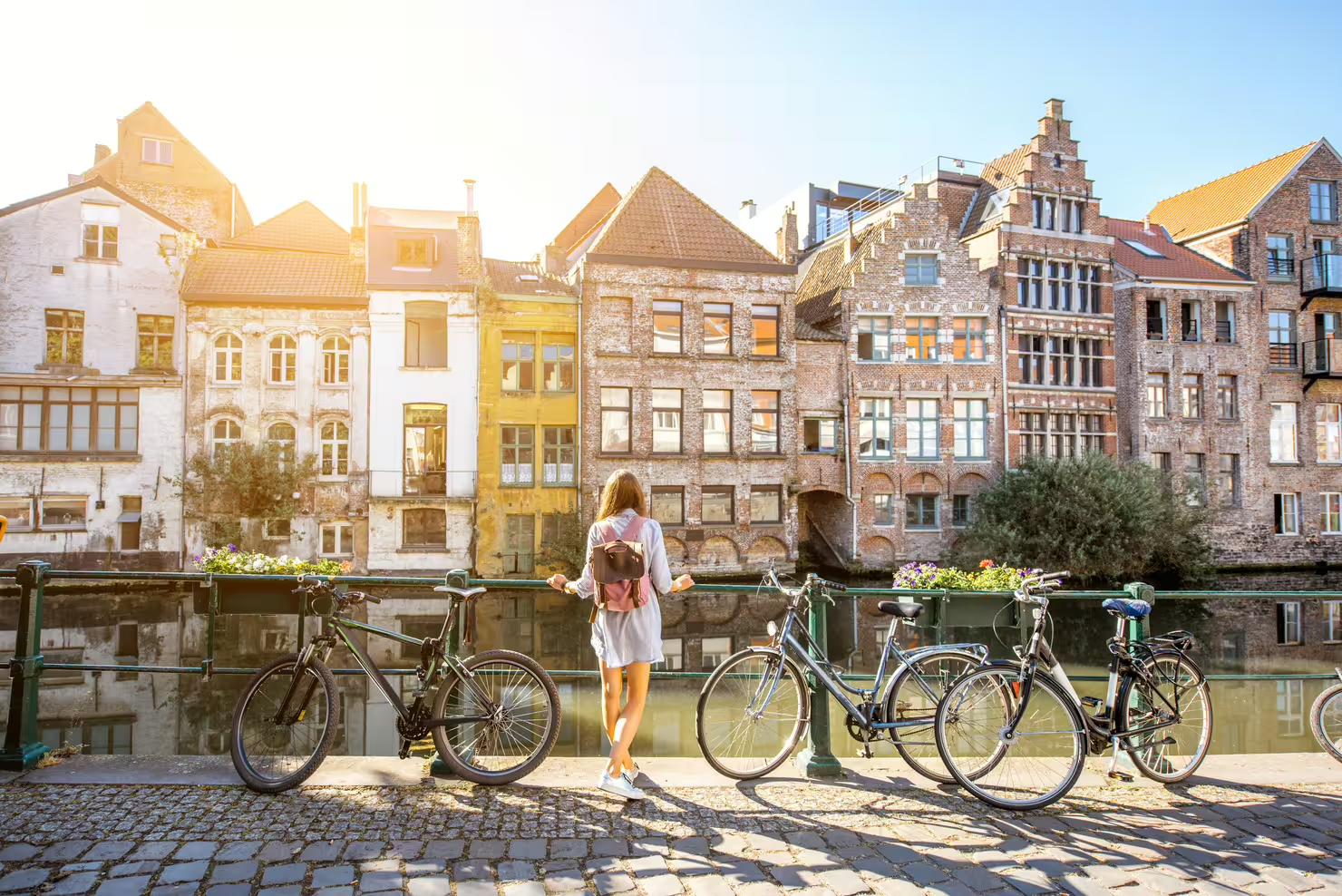
Art cities, storybook canals, and a serious food culture make northern Belgium feel both polished and lived in. Base yourself in one of the historic centers, then stitch together day trips by train for museums, breweries, cycling paths, and North Sea air.

This guide focuses on practical decisions: where to go first, how to move around efficiently, and which experiences deliver the strongest sense of place.


Snapshot

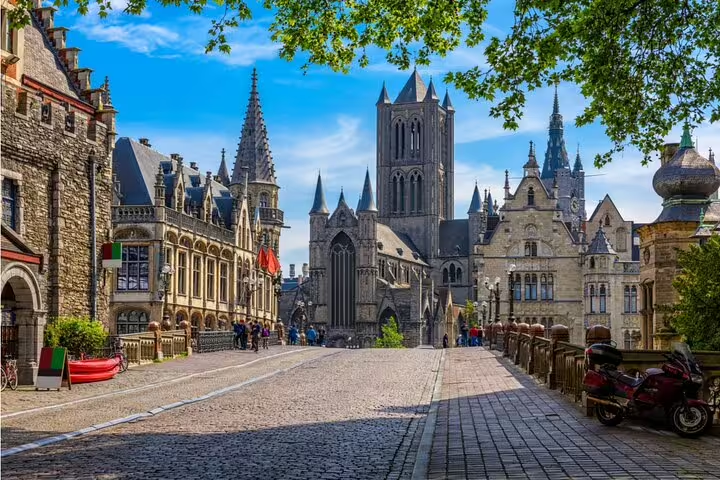
Flemish Region blends medieval skylines with contemporary design, a café culture that rewards lingering, and a calendar of markets and festivals that keeps cities feeling dynamic. Visit now for easy rail connections, walkable centers, and a strong mix of indoor and outdoor experiences across the year. It is ideal for travelers who want culture by day and cozy dining by night, without long transit times.


🗺️ Geography and Logistics

📍 Orientation:

This Dutch-speaking part of Belgium covers the northern half of the country, anchored by Antwerp, Ghent, Bruges, Leuven, and the coastal towns along the North Sea. The easiest gateways are Brussels Airport (Zaventem) and Antwerp International Airport, with fast trains linking Brussels to major Flemish cities.

International rail is a major advantage. Brussels is a hub for Eurostar and other cross-border services, and onward connections into the region are frequent and straightforward.

🕒 When to Go:

Late spring to early autumn brings long daylight hours, lively terraces, and peak demand in Bruges and Ghent. Summer is busiest, especially on weekends and during school holidays, so pre-book popular museums and guided walks.

Shoulder seasons, typically spring and early autumn, balance mild weather with fewer crowds, making them great for cycling in Flanders and city-hopping. Winter is quieter and atmospheric, with festive lights and indoor-friendly plans like museums, beer tastings, and chocolate workshops.

💰 Budget and Currency:

The currency is the euro. Cards are widely accepted, but keeping some cash helps for small purchases at markets, kiosks, and older cafés.

Costs vary by city and season. Bruges tends to be pricier for central dining and hotels, while university towns can offer better value if you book early and eat where locals do.


⭐ Essential Things to Do

  • Canal-side wandering in Bruges

    Bruges is the postcard classic, with cobbled lanes, gabled houses, and reflections that make even a short stroll feel cinematic. It is also compact, so you can combine landmarks with quiet backstreets in one loop. Practical tip: start early in the morning for calmer photos and a more local pace.

  • Medieval core and food scene in Ghent

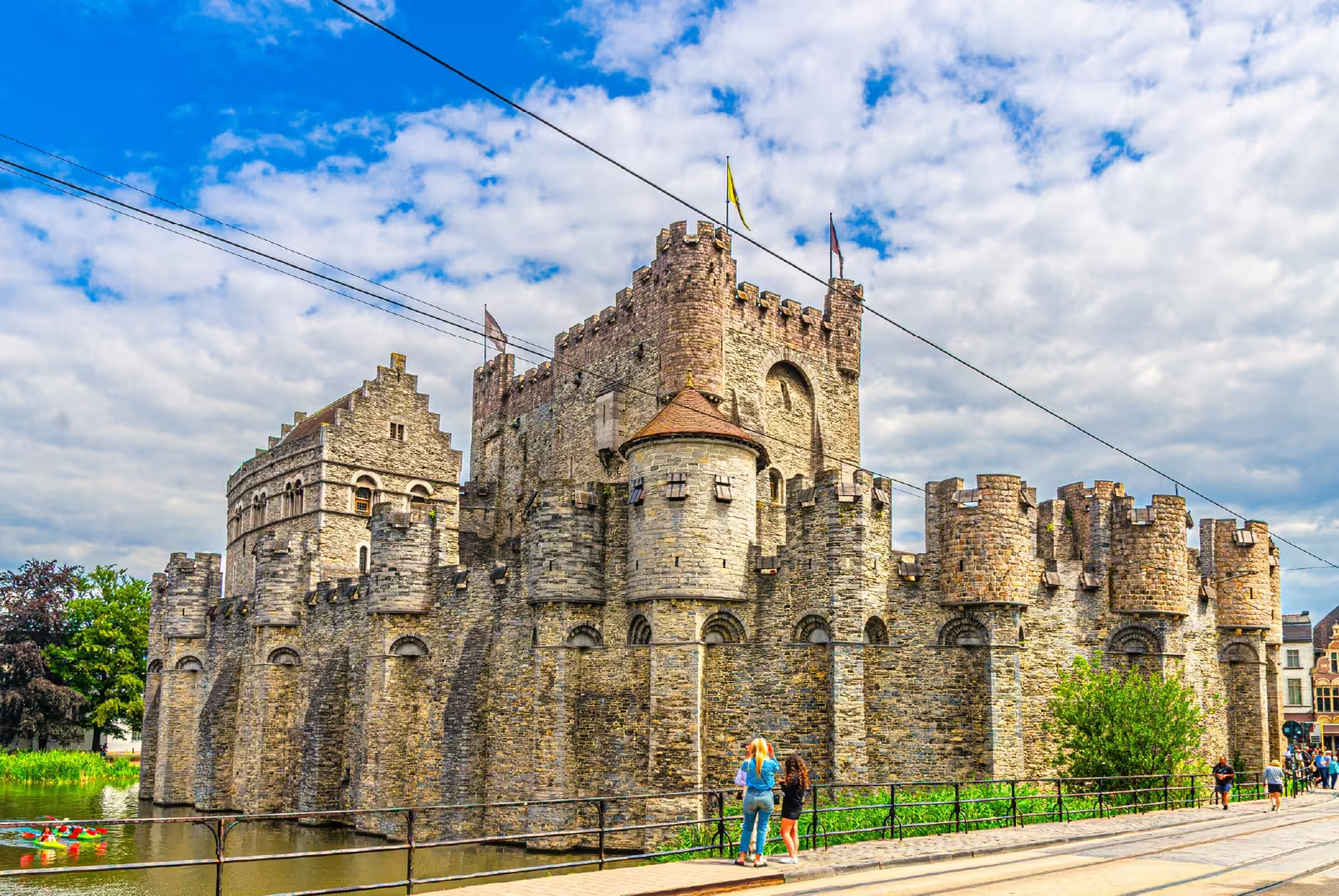
    Ghent pairs a dramatic skyline with a youthful energy thanks to its student population. Expect strong museum options, lively dining, and atmospheric evening walks along the waterways. Practical tip: join a guided walk around dusk to see the lit-up facades and learn the city’s layered history.

  • Antwerp for fashion, diamonds, and museums

    Antwerp is a style-forward port city where design, art, and commerce intersect. It is a top pick for museum lovers and shoppers, and it makes an easy day trip by train. Practical tip: plan museum visits on weekdays to avoid local weekend peaks.

  • Art heritage and Flemish Masters experiences

    The region is closely associated with the Flemish Masters, and many collections focus on painting, craftsmanship, and the patronage that shaped these cities. Even if you are not an art specialist, the storytelling helps you understand why these towns grew wealthy and influential. Practical tip: book timed-entry tickets where offered, especially during holidays.

  • Beer culture, from cafés to breweries

    Belgian beer is not a single style, it is a spectrum, and tasting it in context is part of the fun. Look for traditional cafés with curated lists, or book a brewery visit to understand ingredients and methods. Practical tip: choose a tasting flight and pace yourself, stronger ales can surprise you.

  • Chocolate and praline workshops

    Chocolate here is both a souvenir and a craft tradition. A workshop adds hands-on value and helps you distinguish mass-market sweets from artisan pralines. Practical tip: schedule workshops earlier in your trip so you can revisit your favorite chocolatier before you leave.

  • Leuven as a university-town culture stop

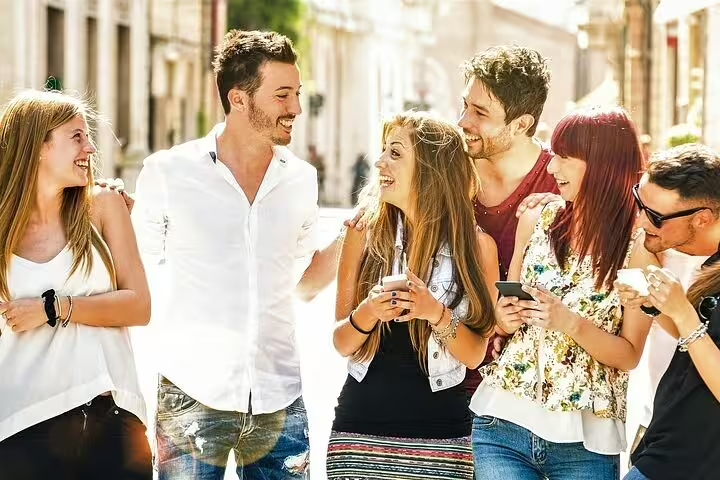
    Leuven is compact, lively, and easy to pair with Brussels or Antwerp. The student energy translates into good cafés, varied dining, and an evening atmosphere that feels local rather than touristic. Practical tip: visit midweek for a calmer feel and easier restaurant reservations.

  • North Sea coast for fresh air and seaside towns

    The coastline offers a different rhythm: beach walks, seafood, and wide skies. It is a refreshing contrast to the dense historic centers and works well as a day trip. Practical tip: check the weather forecast and pack a windproof layer even in warmer months.

  • Bike routes and countryside detours

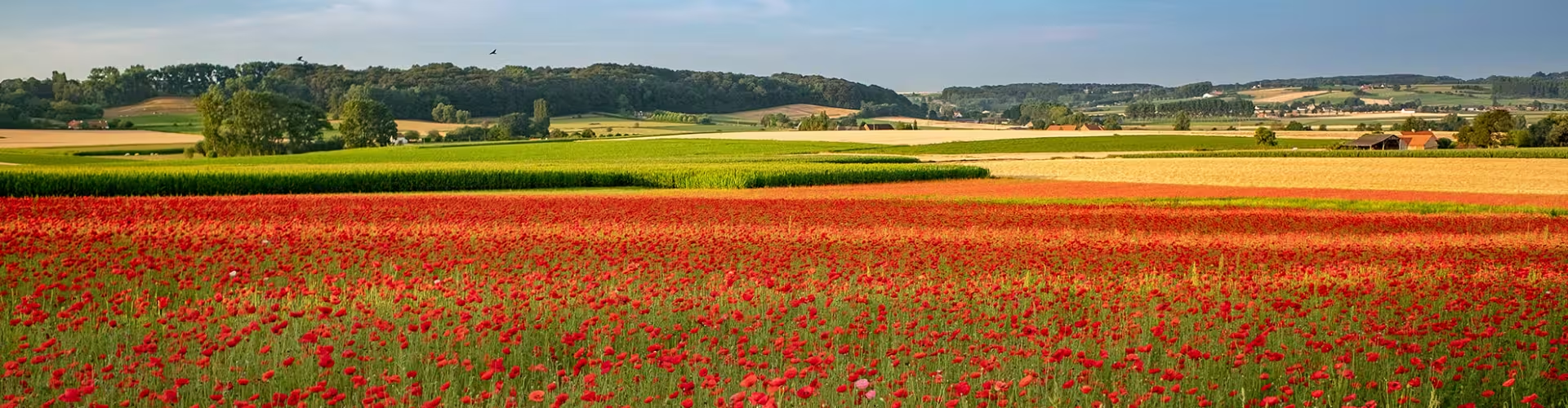
    Beyond the cities, flat landscapes and well-used paths make cycling in Flanders a natural way to slow down. You can connect villages, canals, and green spaces without needing a car. Practical tip: rent bikes near major stations so you can combine rail and cycling in one day.


🚶 Curated Itineraries

⏰ The Highlights (1 Day):

Pick one art city and commit to it. Start with a guided historic-center walk, then add one major museum or landmark visit before lunch.

In the afternoon, do a focused tasting theme: beer, chocolate, or a market-based food crawl. Finish with an evening canal-side stroll and a reservation at a local bistro to avoid last-minute compromises.

⏰ Deep Dive (2 to 3 Days):

Day 1: Base in Bruges or Ghent, explore on foot, and prioritize a museum plus a neighborhood that feels less tour-bus heavy. Add a late-day photo loop when the streets quiet down.

Day 2: Take the train to Antwerp for a museum block and a design or shopping district, then end with a beer café that offers classic styles and seasonal specials. Keep dinner flexible, Antwerp rewards spontaneous discoveries.

Day 3: Choose a contrast day. Go coastal for sea air, or rent bikes for a countryside circuit with café stops. If you prefer indoor plans, build a “craft day” with a chocolate workshop and a curated beer tasting.


🍽️ Flavors of Flemish Region

  • Flemish stew

    Rich, slow-cooked, and often lightly sweet-sour, this is comfort food designed for cooler days. Ordering tip: ask what it is served with, fries or bread both work well for soaking up the sauce.

  • Moules frites

    Steamed mussels with fries are a classic Belgian pairing, salty and satisfying. Ordering tip: look for seasonal preparations, the broth style can vary by kitchen.

  • Belgian fries

    Thick-cut, crisp outside, fluffy inside, and often served with an impressive sauce menu. Ordering tip: try one traditional sauce and one adventurous pick, and share if you can.

  • Waffles

    Expect different styles, from light and crisp to richer and more dessert-like. Ordering tip: keep toppings simple on your first try so you can taste the batter and texture.

  • Pralines and artisan chocolate

    Silky ganache, nut pastes, and delicate shells make pralines a high-level souvenir. Ordering tip: ask for a mixed box with best-sellers and a few seasonal pieces.

  • Belgian beer styles

    From bright blond ales to darker, malt-forward options, the variety is the point. Ordering tip: tell the server what you usually like, they can suggest a local equivalent with similar bitterness or sweetness.

  • Speculoos

    Spiced, caramelized biscuits that pair well with coffee and travel well in your bag. Ordering tip: try it alongside a hot drink in a café, the aroma is part of the experience.


🚌 Navigation and Transport

Trains are the backbone for moving between the major cities, and stations are usually walkable to the historic center or connected by local transit. For intra-city movement, walking is often the best option because many cores are compact and designed for pedestrians.

Local trams and buses fill gaps, especially in larger cities and for coastal connections. Taxis and ride-hailing can be useful late at night, but plan around peak times and event nights when availability drops.

For accessibility, look for step-free station access and confirm whether older museums or historic buildings have lifts, as heritage architecture can mean stairs. Standard city awareness applies, keep valuables secure in crowded areas and on busy transport corridors.


🌄 Beyond the Center: Day Trips

  • Bruges from Brussels or Antwerp

    Travel time is typically around 1 to 1.5 hours by train depending on your start point. Go for canals, medieval streets, and a concentrated “fairytale city” atmosphere.

  • Ghent as an easy rail hop

    Often under an hour from Brussels by train. Visit for a big-city cultural feel in a compact, walkable center with strong dining.

  • Antwerp for a museum and design day

    Commonly under an hour by train from Brussels. Ideal for travelers who want fashion, art, and a modern urban edge.

  • Leuven for a relaxed local atmosphere

    Usually around 20 to 30 minutes by train from Brussels. Best for café culture, a youthful vibe, and an easy-going day without heavy planning.

  • North Sea coast for beach walks

    Expect longer rail times, often 1.5 to 2.5 hours depending on the town. Go for sea air, seafood, and a change of scenery from city streets.


✅ Insider Tips for Travellers

  • Stay in one base city and day-trip by train to reduce hotel changes and maximize sightseeing time.
  • For Bruges and other high-demand spots, start early or plan evenings, the atmosphere is calmer and more photogenic.
  • Reserve popular museums and guided walks ahead on weekends and during school holidays.
  • Pack layers and a light rain jacket, weather can shift quickly, especially near the coast.
  • In busy areas, keep phones and wallets secure, particularly in stations and crowded squares.
  • Try one meal away from the main squares, side streets often deliver better value and a more local feel.
  • If you are doing tastings, balance beer and chocolate with water and a proper meal, stronger beers can be deceptively high in alcohol.

❓ Frequently Asked Questions

What is the easiest way to get around between cities?

Trains are the simplest option for city-to-city travel, with frequent connections from Brussels and direct links between major hubs. Once you arrive, most historic centers are very walkable, and local trams or buses cover longer distances.

How many days do I need for a first trip?

Two to three days is enough to combine one base city with one or two day trips. If you want museums, tastings, and a coastal break, add an extra day to avoid rushing.

Is Flemish Region good to visit in winter?

Yes, winter can be a great fit if you prioritize museums, cozy cafés, and festive evening strolls. Days are shorter and weather can be damp, so plan more indoor stops and book restaurants earlier for weekends.

Should I stay in Bruges or Ghent?

Bruges is more compact and postcard-pretty, especially early and late in the day. Ghent feels larger and more local at night, with a stronger late-evening dining and bar scene.

Do I need cash for markets and small shops in Flemish Region?

Cards are widely accepted, but carrying some euros is still useful for small purchases, kiosks, or older cafés. It also helps if a terminal is temporarily down or if a minimum card spend applies.