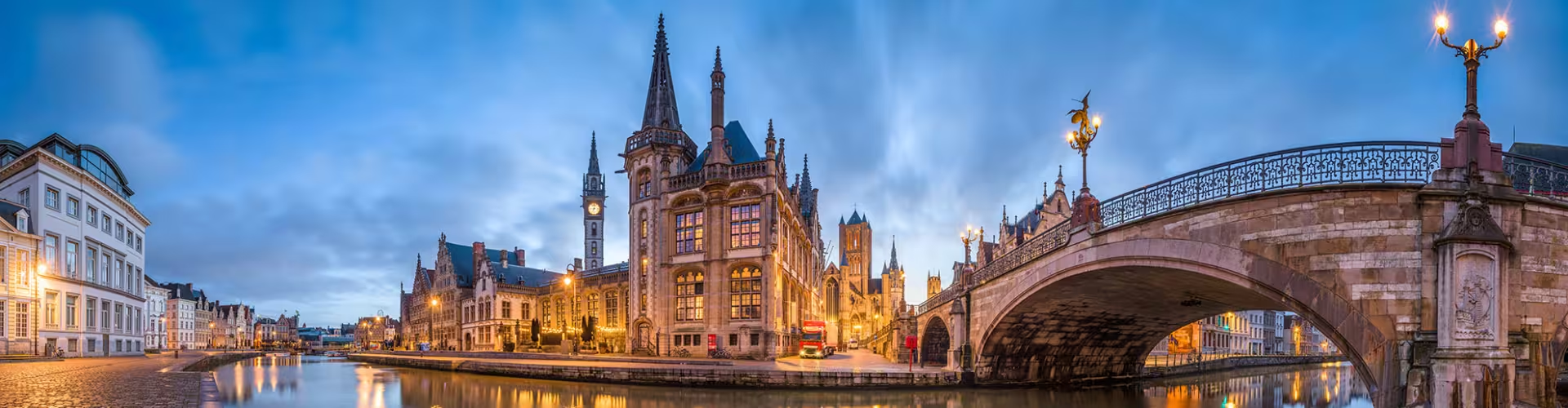
Ghent
Ghent is a canal laced Belgian city with medieval towers, a youthful café culture, and a walkable historic center. Use this guide for when to go, what to do, what to eat, and easy day trips.
Ghent is a canal laced Belgian city with medieval towers, a youthful café culture, and a walkable historic center. Use this guide for when to go, what to do, what to eat, and easy day trips.

Ghent is a canal laced university city where medieval towers, bold contemporary culture, and a famously convivial food scene share the same streets. It feels grand without being formal, and lively without being overwhelming, especially once the day trippers leave and the waterfront lights come on. If you want a Belgian city break with storybook scenery and local energy, Ghent delivers it in a walkable, photogenic package.
Ghent blends Gothic silhouettes, waterfront quays, and a youthful creative pulse powered by students and design minded locals. The signature vibe is relaxed and lived in, with cafés and museums close enough to mix culture and downtime in the same afternoon. Go now for an easy, low stress alternative to bigger Belgian hubs, with plenty to do in a compact center.
Ghent sits in the Flemish Community of northern Belgium, positioned between Brussels and Bruges, which makes it a practical base for a multi city itinerary. The city center clusters around waterways and historic squares, so most major sights are close together once you arrive. For international access, travelers typically route through Belgium’s main air and rail gateways, then connect onward by train to the city.
Expect a temperate, maritime climate where weather can change quickly, so layers and a light rain option are useful in most seasons. Spring and early summer bring long daylight and a pleasant café atmosphere, while peak summer generally means the highest crowd levels around the core canals and landmark viewpoints. Autumn can feel especially atmospheric with softer light for photography, and winter favors cozy dining and museums, with shorter days and a calmer pace.
Belgium uses the euro, and cards are widely accepted in cities, including for day to day purchases. It is still smart to carry a small amount of cash for small buys or places that prefer it, especially at quick service counters. To stay on budget, prioritize walkable sightseeing, choose set menus at lunch when available, and book key experiences ahead so you can compare options without last minute pressure.
1) Canal Quays Walk
The waterways are the city’s visual signature, and strolling along the quays lets you read Ghent like a timeline, from medieval stonework to modern storefronts. It is also the easiest way to get oriented without committing to a formal tour. Practical tip, go early for quieter photos, then return after dark when reflections and lighting make the scene feel cinematic.
2) Medieval Skyline Viewpoints
The cluster of historic towers and monumental façades creates one of Belgium’s most dramatic urban silhouettes. Seeing them from multiple angles helps you appreciate how compact, and walkable, the historic center really is. Practical tip, pick one main viewpoint for golden hour and another for nighttime, so you capture two distinct moods without rushing.
3) Historic Center Architecture Loop
A self guided loop through the old town highlights guild houses, churches, and layered streetscapes that show how trade and civic pride shaped the city. The experience is less about ticking off a checklist and more about noticing details, carved stone, narrow lanes, and hidden courtyards. Practical tip, pause often, and bring comfortable shoes because cobblestones can be tiring over a full day.
4) Museum and Gallery Time
Cultural venues in Ghent add depth to the city’s story, balancing medieval atmosphere with modern Belgian creativity. A museum visit also works well as a weather proof plan when the skies shift. Practical tip, schedule museums for late morning or mid afternoon, then use the best light hours for outdoor walking and photography.
5) Local Market Browsing
Markets and food halls are ideal for tasting the city in small bites and seeing daily life beyond the postcard angles. You will often find regional specialties alongside everyday produce, which makes it easier to understand local habits. Practical tip, arrive hungry, share portions, and keep room for a sit down meal later.
6) Café Culture and People Watching
The city’s student energy and laid back rhythm show up best from a terrace with a drink and a view of passing bicycles. It is a simple pleasure that makes Ghent feel lived in rather than staged. Practical tip, choose a spot near the water or a busy square, and linger long enough to feel the pace shift from daytime bustle to evening calm.
7) Evening Stroll for Night Photography
After sunset, illuminated façades and canal reflections create a second version of the city that many visitors miss. The atmosphere becomes quieter and more intimate, which is perfect for slow wandering. Practical tip, bring a small tripod or stabilize your phone on a railing, and keep your route simple so you are not navigating unfamiliar streets in a hurry.
8) Daytime Bike Style Exploration
Cycling is part of the everyday urban fabric in Flemish cities, and it can help you widen your radius beyond the central loop. It is also a good way to connect parks, quieter streets, and less visited corners without losing time. Practical tip, ride defensively, follow local cycling etiquette, and lock your bike carefully when stopping.
Start with a morning orientation walk along the canals to lock in the city layout and identify your preferred photo angles. Spend late morning in a museum or major historic interior to add context, then take a relaxed lunch with a local specialty. In the afternoon, complete an architecture loop through the historic center, and save your best viewpoint for golden hour. Finish with dinner, then an unhurried night stroll for illuminated streets and reflections.
On day one, follow the highlights route but slow the pace, adding café breaks and time to explore side streets that branch off the main quays. On day two, prioritize culture and neighborhoods, alternating between museums, independent shops, and a longer walk that reaches quieter areas beyond the busiest lanes. If you have a third day, use it for a flexible mix of markets, cycling, and a nearby day trip, returning in time for one more evening in the center when Ghent feels most local.
Belgian fries
Crisp outside and fluffy inside, often served with a choice of sauces that range from creamy to tangy. Ordering tip, ask what sauce pairs best with your choice, and consider sharing if you have multiple tastings planned.
Waffles
Expect a sweet, fragrant treat with a caramelized exterior, ideal as a walking snack between sights. Ordering tip, choose simple toppings if you want to taste the waffle itself, and save heavier options for a sit down break.
Chocolate and pralines
Belgian chocolate is known for its smooth texture and rich cocoa flavor, and Ghent is a great place to sample a variety. Ordering tip, buy a small mixed box so you can compare styles, and keep it cool if you are carrying it for hours.
Local beer
Belgium’s beer culture is diverse, with styles that can be light and refreshing or deep and complex. Ordering tip, describe the flavor you like, such as crisp, fruity, or malty, and ask for a recommendation rather than choosing at random.
Stews and comfort dishes
Hearty, slow cooked plates suit cooler days and pair naturally with local drinks. Ordering tip, consider these at dinner when you can linger, since they are best enjoyed slowly.
Seasonal soups
A simple, warming option that works well as a light lunch or starter, especially when the weather shifts. Ordering tip, ask what is seasonal that day, and pair it with bread for a filling but budget friendly meal.
The historic center is highly walkable, and walking is often the fastest way to move between canals, squares, and major landmarks. Public transport is useful for reaching areas beyond the core when your legs need a break, and cycling can be a time saver if you are comfortable riding in a city environment. For safety, keep valuables secure in crowded areas and stay aware near bike lanes, since cyclists move quickly and quietly. If you have accessibility needs, plan routes that minimize cobblestones, and build in extra time so you can take smoother streets instead of the shortest path.
Brussels
Travel time is typically around an hour by train, depending on the connection. Go for major museums, grand architecture, and a broader international dining scene.
Bruges
Travel time is often under an hour by train. Visit for canal scenery, medieval streets, and a highly photogenic old town that contrasts nicely with Ghent’s student energy.
Antwerp
Travel time is usually around an hour by train. Choose it for fashion, design, and a bigger city feel with strong cultural venues.
Flemish countryside towns
Short regional train rides can connect you to smaller places with calmer streets and local cafés. The main reason to go is to slow down, see everyday life, and enjoy a change of pace between city days.
One day covers the highlights if you focus on the canals, the historic center loop, and one cultural stop. Two to three days gives you time for museums, slower meals, and an evening stroll without rushing.
Yes, the core area is compact and most landmarks sit within an easy walking radius. Wear comfortable shoes because cobblestones can add fatigue over a full day.
Cards are widely used in Belgian cities, and that generally includes everyday spending in Ghent. Carry a small amount of cash for small purchases or venues that prefer it.
Early morning is quieter and helps you avoid crowds in popular viewpoints. After dark is also excellent because illuminated façades and canal reflections create a distinctive mood.
Yes, the rail network makes it straightforward to reach nearby cities, often in around an hour. Many travelers pair Ghent with Brussels, Bruges, or Antwerp for a well balanced Belgium itinerary.