
Build your dream
experience
More to know about Innsbruck
Innsbruck Travel Guide
Innsbruck is Tyrol’s compact capital where imperial history, lively student energy, and mountain culture meet in one walkable city. It is the kind of place where a morning can be spent among pastel facades and arcades, and the afternoon can shift to alpine viewpoints and fresh air. This guide focuses on practical decisions, what to prioritize, how to plan your time, and how to match the city’s pace to your travel style.
Snapshot
Innsbruck feels polished but outdoorsy, with a confident blend of old town charm and big mountain presence. Go when you want an easy city break that still delivers dramatic scenery and active options without long transfers. The signature vibe is café culture and culture landmarks in the center, paired with quick access to alpine panoramas.
🗺️ Geography and Logistics
📍 Orientation: Where is it within Statutory city and Austria?
Innsbruck is a statutory city in the Austrian state of Tyrol, set in the Inn Valley and framed by the Nordkette range. The historic center is compact, and many headline sights sit within a short walk of each other, which makes it easy to plan without overloading your days. For gateways, look to major Austrian transport hubs and regional rail connections that link Tyrol with other parts of Austria and neighboring countries.
🕒 When to Go: Seasonal breakdown
Seasonality in Tyrol tends to split between winter sports energy and warmer months built around hiking, viewpoints, and long daylight. In colder periods, the city’s atmosphere leans cozy, with a focus on indoor culture, warm meals, and crisp air in the valley. In warmer periods, the rhythm shifts outdoors, and popular spots can feel busier, so planning earlier starts helps you keep the day feeling relaxed.
💰 Budget & Currency: Practical money tips
Austria uses the euro, and Innsbruck typically feels like a well-run, mid to upper mid range European city in daily costs. Cards are widely used, but carrying a small amount of cash is still practical for small purchases and quick transactions. Set a daily budget based on your priorities, whether that is viewpoints and transport, museums, or a food focused itinerary, then keep some flexibility for weather driven changes.
⭐ Essential Things to Do
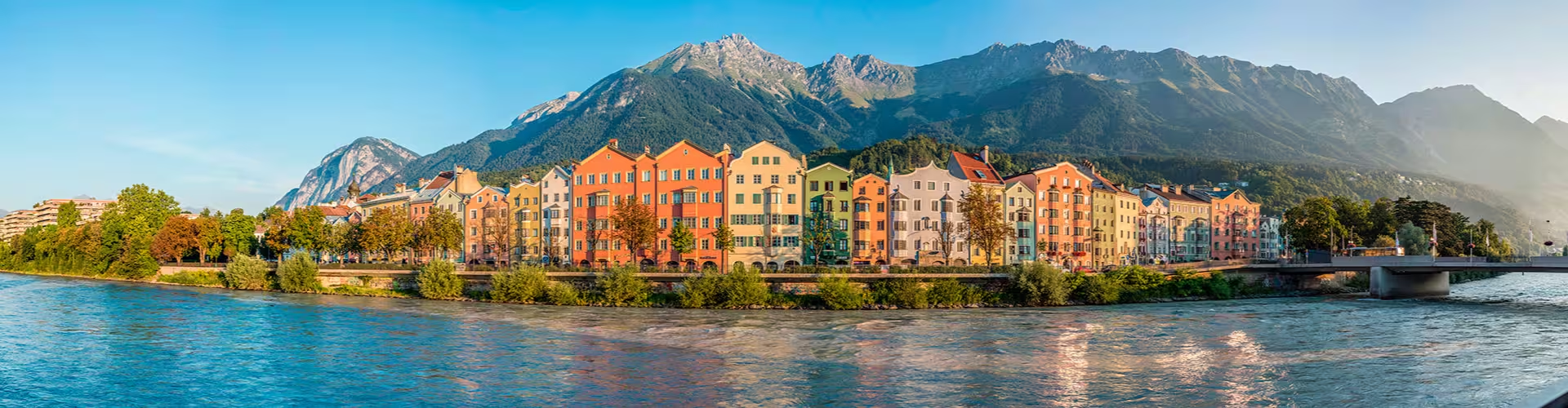
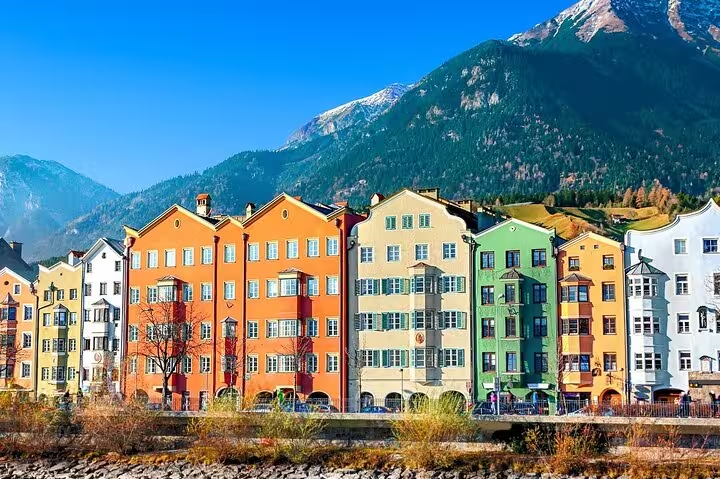
Altstadt, Old Town Stroll. The historic core is the quickest way to understand the city’s identity, with colorful buildings, arcades, and a strong sense of place. It is visually rewarding in any season, and it anchors your navigation for the rest of the trip. Practical tip, go early for quieter streets and cleaner photos, then return later for a livelier evening feel.
Golden Roof, Goldenes Dachl. This landmark is a classic reference point for Innsbruck and a useful starting stop when you are orienting yourself. It represents the city’s imperial legacy and helps set the context for the surrounding old town architecture. Practical tip, pair it with a slow loop through nearby lanes so it feels like part of a story, not a single photo stop.
Imperial Heritage Focus. Lean into the city’s Habsburg era associations by seeking out the places and streets where imperial influence still shapes the atmosphere. Even without a packed schedule, this theme adds meaning to what you see, and it makes the center feel like more than a pretty backdrop. Practical tip, choose one or two key sites and build the rest of your day around them to avoid museum fatigue.
Nordkette Viewpoints. The mountain backdrop is not just scenery, it is part of daily life and the city’s signature contrast. Viewpoints shift the experience from urban to alpine in a short time, which is a major reason travelers choose Innsbruck. Practical tip, check visibility before you go, and plan a flexible window so clouds do not define your day.
Innsbruck City Walk Along the Inn River. The river corridor gives you breathing space between sightseeing stops and a calmer view of the mountains. It is also a good way to reset if the center feels busy, since the vibe changes quickly once you step away from the tight lanes. Practical tip, use the river walk as a connector between neighborhoods rather than a separate activity.
Tyrolean Culture Moments. Look for the small signals of local identity, traditional details, regional food cues, and the outdoors first mindset. These are the touches that make the destination feel distinct from other Austrian cities, even on a short trip. Practical tip, ask for regional recommendations when you dine, and choose at least one meal that feels unmistakably Tyrolean.
Panoramic Photo Circuit. Build a simple photo plan that mixes street level charm with elevated views, since the city’s appeal is the contrast between architecture and mountains. This approach prevents you from chasing photos all day, and it keeps the experience balanced. Practical tip, aim for soft light in the morning and late afternoon, then use midday for indoor culture or relaxed meals.
Evening Cafe and Old Town Atmosphere. After daytime sightseeing, the center becomes more about mood, people watching, and lingering over dessert or a warm drink. This is when the city’s compactness works in your favor, because you can keep plans spontaneous. Practical tip, choose one area to base yourself and walk slowly, rather than trying to cover every street again.
🚶 Curated Itineraries
⏰ The Highlights (1 Day): A fast paced route
Start with an early loop through the old town to catch the architecture before it gets busy, then stop at the Golden Roof as your anchor point for orientation. Continue with a river walk for open views and a calmer pace, then take time for a focused cultural stop that fits your interests. If conditions are clear, prioritize a Nordkette viewpoint later in the day so the mountain scenery becomes the finale, then return to the center for an unhurried evening meal.
⏰ Deep Dive (2 to 3 Days): Add neighborhoods and local rhythm
Use day one for the historic center and a clean set of classic sights, then add a longer river based walk or neighborhood loop to see how the city lives beyond the postcard angles. On day two, plan your mountain time around visibility, and keep a backup plan of indoor culture and cafés in case the weather turns. If you have a third day, slow down, repeat your favorite area at a different time of day, and build in extra time for Tyrolean food and small discoveries that do not require a strict schedule.
🍽️ Flavors of Innsbruck
Tyrolean dumplings. Hearty and comforting, these are a classic cold weather choice and still satisfying year round. Expect a filling texture and a savory profile that pairs well with a relaxed, sit down meal. Ordering tip, ask what the house specialty version is, since recipes can vary by kitchen.
Schnitzel. Crisp on the outside and tender inside, this is a familiar Austrian staple that is reliably satisfying after a long walking day. It is often served simply, which makes ingredient quality stand out. Ordering tip, consider it as a shared plate if you want room for dessert.
Käsespätzle. Think soft egg noodles with melted cheese and a rich, warming feel, ideal when you want something substantial. It is comfort food with alpine roots, and it fits the city’s mountain character. Ordering tip, balance it with something fresh on the side if available.
Apfelstrudel. Sweet apple filling with pastry, best enjoyed slowly with coffee when you want a mid afternoon pause. It is a classic choice that matches the city’s café rhythm. Ordering tip, ask if it is served warm, then time it for a break between sights.
Kaiserschmarrn. A fluffy, torn pancake style dessert that feels indulgent and playful, often a highlight for first time visitors. It is especially rewarding after time outdoors. Ordering tip, share it if you have a full itinerary, since it can be filling.
Local beer or Austrian wine. The region’s drink culture pairs well with hearty food and long evenings. Choose based on mood, lighter and crisp after a warm day, or something richer when the air is cold. Ordering tip, ask for a local recommendation rather than defaulting to an international brand.
🚌 Navigation and Transport
Innsbruck is well suited to walking, especially in and around the old town where distances are short and the streets reward slow exploration. Public transport is useful when you want to save energy, connect to areas outside the core, or manage weather changes without losing time. For mountain viewpoints, plan your route in advance, and keep a backup option for lower visibility days. As with any city, keep an eye on your belongings in busy areas, and choose comfortable shoes because the best moments often come from wandering rather than rushing.
🌄 Beyond the Center: Day Trips
Nordkette area. This is the most natural extension of a city stay, because it moves you from urban streets to alpine scenery quickly. Travel time is short compared to many mountain destinations, which makes it easy to fit into a half day. Primary reason to visit, panoramic views and a strong sense of Tyrol’s landscape.
In the Inn Valley. Exploring nearby towns and viewpoints within the valley gives you a broader sense of regional life and geography. It is a good choice when you want variety without committing to a long journey. Primary reason to visit, a different perspective on the valley setting that defines Innsbruck.
Tyrolean villages. Small villages nearby can offer a quieter pace and a more intimate look at local traditions. They are often best approached as flexible trips where you adjust based on weather and your energy. Primary reason to visit, atmosphere, scenery, and a slower rhythm.
✅ Insider Tips for Travelers
- Start early for old town photos, then return later for atmosphere, you get two different experiences without extra effort.
- Keep your mountain plans flexible, visibility matters more than the calendar.
- Use the river walk as a reset button between busy sightseeing blocks.
- Pack layers, valley temperatures and mountain conditions can feel different even on the same day.
- Choose one cultural focus per day, imperial history, viewpoints, or food, and let the rest be spontaneous.
- Carry some cash for small purchases, even if you mostly pay by card.
❓ Frequently Asked Questions, FAQ
Is Innsbruck walkable for first time visitors?
Yes, the historic center is compact and many major sights are close together. Plan for comfortable shoes and build in time for slower wandering through the old town lanes.
How should I plan mountain viewpoints if the weather changes?
Keep your schedule flexible and check visibility before committing to a viewpoint focused outing. Have an indoor alternative ready, such as a cultural stop or a longer café break.
How many days do I need for Innsbruck?
One day covers core highlights at a fast pace, especially if you focus on the old town and one major viewpoint. Two to three days lets you slow down, add neighborhood time, and build in weather flexibility.
Do I need cash, or can I rely on cards?
Cards are widely used, but carrying a small amount of cash is helpful for quick purchases and smaller transactions. It also gives you flexibility if you are moving between different types of venues.
What local foods should I prioritize on a short trip?
Choose one hearty Tyrolean main dish such as dumplings or Käsespätzle, then add a classic dessert like Apfelstrudel or Kaiserschmarrn. This gives you a strong sense of regional flavor without overplanning meals.
This guide to Innsbruck is published by Toursxplorer.com to help travelers plan efficient days in Tyrol’s statutory city, balancing historic center sights with nearby alpine viewpoints. It summarizes logistics, priorities, and trip structure for confident, self guided planning.
Europe, Austria, Tyrol, Statutory city, Innsbruck