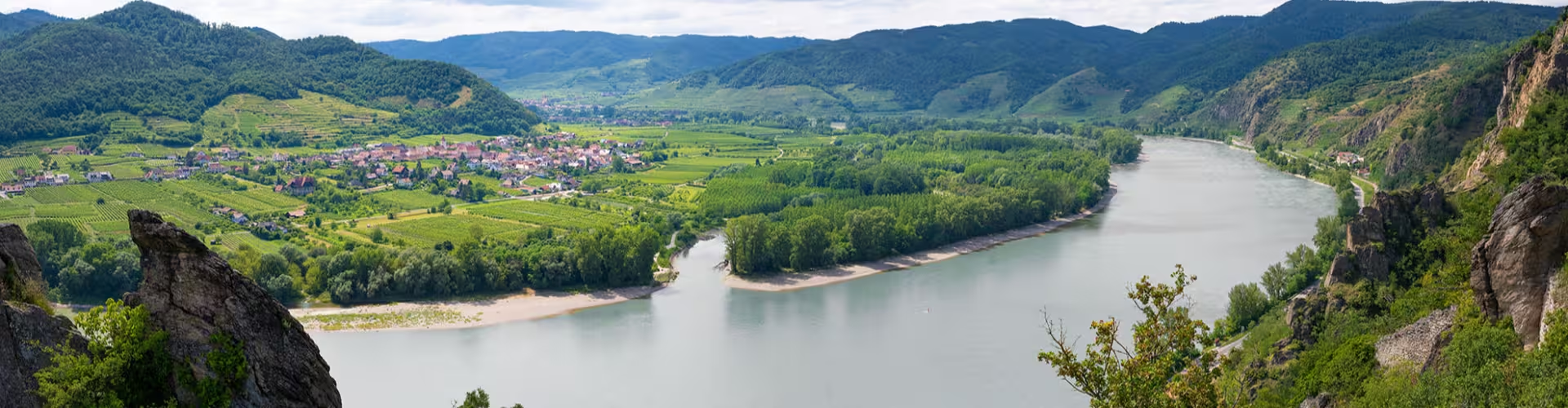


Wachau is a Danube Valley destination in Lower Austria known for vineyard-covered slopes, baroque towns, and a slow travel rhythm built around river views and local wine culture. It suits travelers who want scenery and heritage in the same day, with easy connections between villages, abbeys, and lookout trails. Use this guide to plan logistics, choose the right season, and build an itinerary that fits your pace.
Wachau feels like a scenic corridor where the Danube sets the tempo, and every bend reveals terraced vines, stone villages, and hilltop ruins. The signature vibe is relaxed and sensory, with viewpoints, cellar doors, and riverside walks that reward unhurried days. Go when you want a balance of outdoor time and cultural stops, and plan around daylight and your preferred crowd level.
Wachau sits in Lower Austria along the Danube River between historic riverside towns and wine villages. It works well as a focused regional trip, or as a countryside counterpoint to city time in Austria. For gateways, most travelers route via major Austrian transport hubs, then continue by rail and local connections toward the Danube Valley.
Season choice in Wachau shapes your experience more than almost any other decision. Warmer months favor river cruises, cycling, and long viewpoints, while cooler periods lean into museums, abbey visits, and cozy wine taverns. If you prefer quieter lanes and easier photo stops, aim for shoulder periods when the landscape still looks vibrant but popular lookouts feel less busy.
Austria uses the euro, and Wachau generally feels like a premium countryside destination where quality is the point, especially for dining and tastings. Carry a mix of card and cash for smaller villages, quick snacks, and market style purchases where contactless is not always guaranteed. Build a flexible daily budget so you can say yes to a spontaneous tasting, a river ride, or an extra museum stop without stress.
1) Danube Riverside Walks
The Danube is the organizing feature of Wachau, and walking beside it helps you understand the region’s scale and calm. You get continuous views, changing light, and easy access to cafés and small docks. Practical tip, start early for quieter paths and softer photos, then return later for golden hour reflections.
2) Vineyard Viewpoints and Terraces
The terraced vineyards define the valley’s identity and create the postcard look many travelers come for. Viewpoints connect the wine story to the landscape, showing how steep slopes shape cultivation. Practical tip, wear shoes with grip because paths can be uneven, and bring water since shade is limited on exposed slopes.
3) Village Hopping by the River
Moving between villages is part of the fun, each stop has a slightly different balance of wine taverns, lanes, and waterfront scenes. This is where you feel the rhythm of local life and can slow down between bigger sights. Practical tip, pick a few anchor stops and leave buffer time, because the best moments often come from unplanned detours.
4) Abbey and Baroque Heritage Stops
Lower Austria is known for grand religious architecture, and Wachau is closely associated with this cultural layer. Visiting an abbey style landmark adds depth to the trip, balancing nature with art, history, and panoramic settings. Practical tip, plan these visits earlier in the day, then shift to outdoor views later when light improves.
5) Wine Culture and Cellar Door Tastings
Wine is not just a drink here, it is a landscape tradition linked to terraces, microclimates, and family producers. Tastings are an efficient way to learn what makes the valley distinctive, especially if you compare styles across villages. Practical tip, pace yourself and consider booking ahead if you are traveling on a weekend or in peak season.
6) Danube Boat Time
Seeing Wachau from the water changes the perspective, villages feel tucked into the slopes and the valley’s curves become more dramatic. A boat ride also gives your legs a break if you are combining walks and cycling. Practical tip, bring a light layer because wind on the river can feel cooler than in town.
7) Cycling the Danube Corridor
Cycling is one of the most efficient ways to connect riverside scenery with quick village stops. It suits travelers who want a gentle active day with frequent breaks for tastings or viewpoints. Practical tip, check your route for elevation, vineyard climbs can be more demanding than riverside sections.
8) Castle Ruin and Hilltop Panorama
Hilltop ruins and lookout points add a storybook dimension to Wachau, pairing history with wide valley views. The climb is often the main effort, and the reward is a perspective that ties the river, vineyards, and villages together. Practical tip, go later in the afternoon for warmer light, and bring a small flashlight if you expect to descend near dusk.
Start with a riverside walk to get oriented, then choose one major heritage stop such as an abbey style landmark for cultural context. Midday, do village hopping with a light lunch and a short tasting, keeping your schedule loose. Finish with a viewpoint or hilltop panorama, then end the day by the water with a relaxed dinner.
Day one, focus on the river corridor, combine walking with a boat segment, and sample wine styles across two villages. Day two, dedicate time to terraced vineyards, add a longer viewpoint hike, and build in a slower meal to enjoy local produce. If you have a third day, add cycling for broader coverage, and revisit your favorite village at a different time of day to experience how light and crowds shift.
Local white wine styles
Expect crisp profiles that pair naturally with river fish and seasonal vegetables, often leaning toward mineral freshness. Ordering tip, ask for a local recommendation by style, dry and refreshing versus fuller and aromatic.
Apricot focused specialties
Apricot is a signature regional flavor, showing up in desserts, jams, and sweet treats that feel tied to the valley’s sunny slopes. Ordering tip, look for house made versions in cafés, they are often the most distinctive.
Hearty Austrian tavern plates
Tavern food tends to be satisfying and well suited to active days of walking and cycling. Expect comforting textures and generous portions. Ordering tip, share a plate if you are tasting wine, it keeps the pace balanced.
River fish dishes
Along the Danube, fish dishes often appear as a natural local choice, lighter than many meat based options. Ordering tip, ask what is freshest that day rather than aiming for a specific named dish.
Seasonal soups and starters
Seasonal starters help you eat with the calendar, and they are a good way to try local produce without committing to a heavy meal. Ordering tip, choose a soup as an early dinner if you plan a late viewpoint walk.
Pastries and café culture
A café stop is part of the rhythm in Wachau, especially between villages or after a climb. Ordering tip, pair a pastry with coffee and take a seat, a short pause often resets the whole day.
Getting around Wachau is easiest when you combine modes, short walks within villages, cycling for scenic stretches, and boats or local transit links to bridge longer gaps. Walking works best for waterfront lanes and compact town centers, while cycling suits travelers who want maximum scenery with flexible stops. For safety and comfort, use visible layers if you are on roads near dusk, and plan extra time for hillside paths that can be uneven. Accessibility varies by village and viewpoint, so prioritize riverside promenades and central areas if you need step free routes.
Danube Valley extensions
Continue along the Danube for more riverside scenery and additional villages, which can feel quieter than the most photographed stops. Travel time depends on your route and transport choice, but it is typically a straightforward continuation of the same corridor.
Lower Austria wine areas nearby
If you want to compare styles, nearby wine landscapes offer a useful contrast to Wachau. The main reason to go is variety, you can taste different expressions shaped by soil and exposure. Travel time varies, so plan it as a half day or full day depending on connections.
Historic towns in Lower Austria
Regional towns add museums, architecture, and shopping streets that balance outdoor time. The reason to visit is cultural layering, it rounds out the valley experience. Travel time is generally manageable as a day trip with an early start.
Vienna as an add on
Austria’s capital pairs well with Wachau if you want urban culture before or after countryside calm. The reason to visit is clear, world class museums, music, and café traditions. Plan a full day at minimum if you are adding it as a side trip.
Is Wachau better as a day trip or an overnight stay?
A day trip covers the main river scenery and one or two key stops. An overnight stay gives you time for viewpoints, tastings, and slower village hopping without rushing.
What is the best way to get around the Wachau region?
A mix of walking within villages and cycling or boat segments between them works well. Choose your mode based on mobility needs and how much time you want on the river versus in the vineyards.
Do I need to book wine tastings in advance?
In busy periods, booking ahead can help you avoid missing out, especially on weekends. If you prefer spontaneity, keep your plan flexible and aim for earlier visits in the day.
What should I pack for a Wachau itinerary?
Bring comfortable shoes for uneven paths, plus layers for changing conditions near the Danube. A refillable water bottle is useful if you plan viewpoint walks or cycling.
Can I combine Wachau with other parts of Lower Austria?
Yes, it pairs well with other Lower Austria towns and wine areas for a broader regional look. Plan travel time conservatively so you do not lose the relaxed pace that makes the valley special.