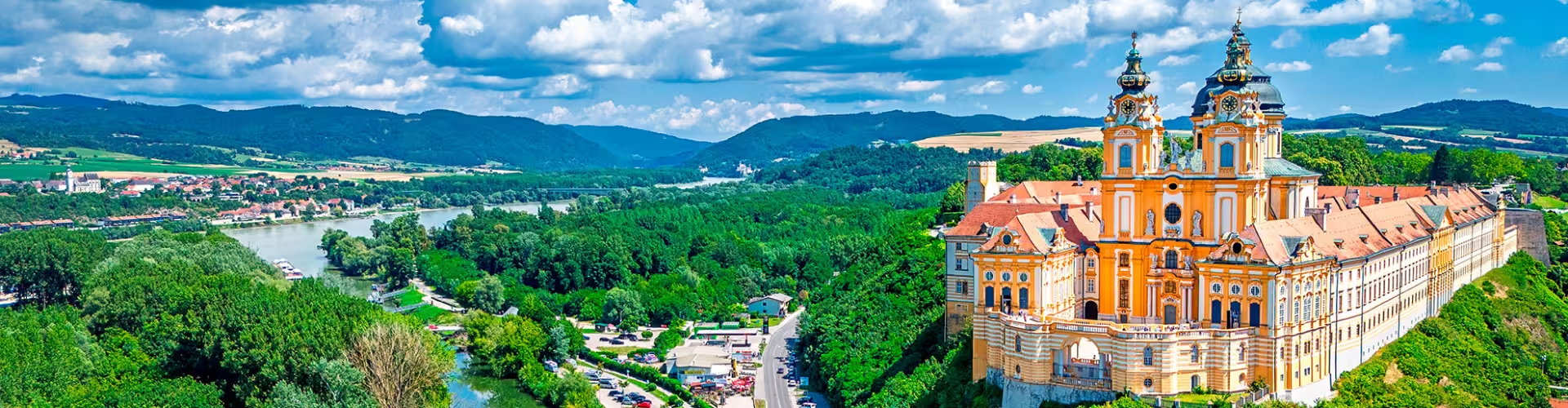


Melk is a small Austrian town with a big presence, shaped by the Danube, hillside views, and a storied monastic landmark that defines the skyline. It is the kind of place that rewards travelers who want culture and scenery in a compact, walkable setting, especially if you are planning a route through Lower Austria. Use this guide to plan a smooth, decision-ready visit to Melk, from timing and transport to what to prioritize once you arrive.
Melk feels both grand and intimate, with an elevated, historic focal point and a calm river town rhythm below. The signature vibe is slow travel with high-impact views, ideal for pairing a landmark visit with a Danube day on foot. Go now if you want an easy-to-navigate stop that fits naturally into a wider Austria itinerary without needing a car for the core highlights.
Melk sits in the Melk District in Lower Austria, positioned along the Danube corridor that connects many of the region’s most scenic river towns. It is often approached as a convenient hub for exploring the Wachau-style river landscapes and nearby cultural stops, with the town center acting as a practical base for walking routes. For gateways, most travelers connect via major Austrian transport hubs and then continue by rail or road into the district.
Timing in Melk is mainly about balancing daylight, weather comfort, and crowd levels around the town’s headline sights. Warmer months generally support longer walking days and more time outdoors along the river, while cooler months can feel quieter and more contemplative for museum-style visits and scenic viewpoints. If you prefer fewer people, aim for shoulder-season travel and plan your top attraction early in the day to keep the experience calm and photo-friendly.
Austria uses the euro, and Melk typically suits a mid-range budget, with pricing shaped by its popularity on Danube itineraries. Carry a small amount of cash for smaller purchases and quick snacks, then use cards for most standard transactions where accepted. To keep spending predictable, decide in advance which paid attraction is your must-do, then build the rest of your day around free viewpoints, riverside walks, and self-guided exploration.
Melk Abbey. This is the town’s defining landmark and the reason many travelers add Melk to their Austria route. It matters because it anchors the local identity and provides a strong sense of place, from architecture to panoramic viewpoints over the Danube corridor. Practical tip, arrive earlier in the day for a calmer visit and clearer photos from elevated vantage points.
Old Town Walk. Exploring on foot helps you understand how Melk works as a compact town built around movement between the hilltop landmark and the river level. It matters because the charm is in the transitions, small streets, changing perspectives, and the way the town opens into viewpoints. Practical tip, wear comfortable shoes and plan a loop route so you are not repeating steep segments.
Danube Riverside Stroll. The river presence shapes the atmosphere, even when you are not on a boat. It matters because the Danube is the region’s visual backbone, and the riverside pace is a refreshing counterpoint to sightseeing intensity. Practical tip, go later in the day for softer light and a more relaxed, local feel.
Viewpoints and Photo Stops. Melk is made for layered photos, rooftops, church towers, and the river corridor beyond. It matters because the town’s best moments often come from looking back across the landscape rather than only focusing on interiors. Practical tip, pause at multiple elevations and take both wide shots and tighter architectural details.
Danube Cruise Connection. Many travelers treat Melk as a practical link in a wider Danube journey. It matters because it can reduce planning friction, you can combine a landmark visit with a river segment without overcomplicating logistics. Practical tip, confirm boarding locations and buffer extra time for walking between the town center and the river area.
Local Cafes and Pastry Break. A café stop is not just a snack, it is a pacing tool that turns a checklist day into a pleasant one. It matters because Melk works best when you slow down and let the setting sink in between sights. Practical tip, sit down rather than taking away, and use the break to plan your next walking segment.
Scenic Cycling Segment. The Danube corridor is widely associated with cycling culture, and Melk can fit naturally into a ride-based day. It matters because cycling expands your range beyond the central streets while keeping the trip active and scenic. Practical tip, start earlier to avoid sharing narrow paths at peak times and to keep your pace comfortable.
Short Hike-Style Walks Near Town. If you like a more outdoors-forward visit, add a short uphill or edge-of-town walk for fresh perspectives. It matters because the surrounding landscape helps explain why the area feels cinematic and historically strategic. Practical tip, bring water and check your route for elevation changes so you can time breaks well.
Start your day with your top priority, typically the main landmark, while energy is high and crowds are lower. Then walk down through the town for an Old Town loop, building in a café break to reset your pace and keep the day enjoyable. Finish with a Danube-focused segment, either a riverside stroll or a cruise connection, timed for softer afternoon light.
On day one, do the core landmark and the Old Town without rushing, and reserve time for viewpoints so the town’s layout makes sense in your mind. On day two, focus on the Danube atmosphere, add a cycling or longer riverside segment, and plan a meal that highlights regional comfort food. If you have a third day, use Melk as a base for nearby day trips, then return for an unhurried evening walk to see how the town feels once day visitors thin out.
Wiener Schnitzel. Crisp, golden, and satisfying, it is a classic for a reason and fits well after a long walking day. Ordering tip, ask for the traditional sides offered with it and plan a lighter dinner if you choose a large portion.
Tafelspitz. A comforting boiled beef dish that feels especially right when you want something hearty and traditional. Ordering tip, look for menu descriptions that mention the broth and classic accompaniments so you get the full experience.
Goulash. Rich, warming, and deeply savory, it is a good choice when the weather turns cooler or you want an easy, filling meal. Ordering tip, confirm the spice level if you are sensitive, and consider pairing it with bread or dumplings if available.
Apfelstrudel. Sweet apple filling with pastry that balances crisp and tender textures, ideal with coffee. Ordering tip, ask if it is served warm, and consider sharing if you are sampling multiple desserts.
Kaiserschmarrn. Fluffy, torn pancake pieces with a sweet finish, often served as a dessert that can feel like a meal. Ordering tip, order it when you have time to linger, since it is best enjoyed slowly and fresh.
Local Coffeehouse Culture. A coffee stop is part of the experience, not just a caffeine need. Ordering tip, choose a classic preparation and take a seat, it is the easiest way to match the town’s slower rhythm.
Melk is highly suited to walking, especially if your plan centers on the main landmark, the Old Town, and the riverside. Expect some elevation changes, so pace your route and build in breaks if you are sensitive to hills or traveling with children. For longer distances or day trips, use regional connections and plan your timing so you are not rushing between departures, particularly if you are coordinating with a Danube segment. As with any busy sightseeing stop, keep valuables secure in crowded areas and use well-lit routes in the evening.
Wachau Valley. A natural extension from Melk, known for Danube scenery and a classic river-travel atmosphere. Travel time varies by route, but it is typically approached as a half-day or full-day add-on. Primary reason to visit, landscapes, viewpoints, and the sense of moving through a storied river corridor.
Krems an der Donau. A Danube town that pairs well with a river-themed itinerary. Travel time depends on your connection choice, but it is commonly combined with other stops along the corridor. Primary reason to visit, a change of pace and another perspective on Danube town life.
Dürnstein. Often associated with scenic river views and a compact, photogenic center. Travel time varies, and it can work as a focused half-day if you plan transport carefully. Primary reason to visit, standout scenery and a classic stop for travelers following the Danube route.
Vienna. A major cultural hub that many travelers pair with a Lower Austria loop. Travel time depends on the specific connection, but it can be done as a longer day trip or as the next base. Primary reason to visit, museums, imperial architecture, and big-city energy after quieter river towns.
St. Pölten. A regional city option that can help with transport connections and offers a different urban feel. Travel time depends on the route and schedule. Primary reason to visit, practical connectivity and a contrast to small-town sightseeing.
Yes, the core sights are compact and walkable, and the town structure supports a sightseeing day on foot. For day trips beyond the center, plan ahead around regional connections and allow extra time for transfers.
A focused day is enough to cover the landmark, an Old Town walk, and some Danube time. If you want a slower pace with viewpoints, café breaks, and a longer riverside segment, consider two days.
Earlier in the day is generally calmer for headline sights and photo stops. Shoulder seasons can also feel less busy, while still offering comfortable time outdoors depending on weather.
Build your day around a landmark visit, then transition to the river for a stroll or a cruise connection. Leave buffer time between locations so you can enjoy viewpoints rather than rushing.
Bring comfortable shoes, a light layer, and water, especially if you plan viewpoints or uphill segments. A small day bag helps keep essentials close while you move through busier areas.