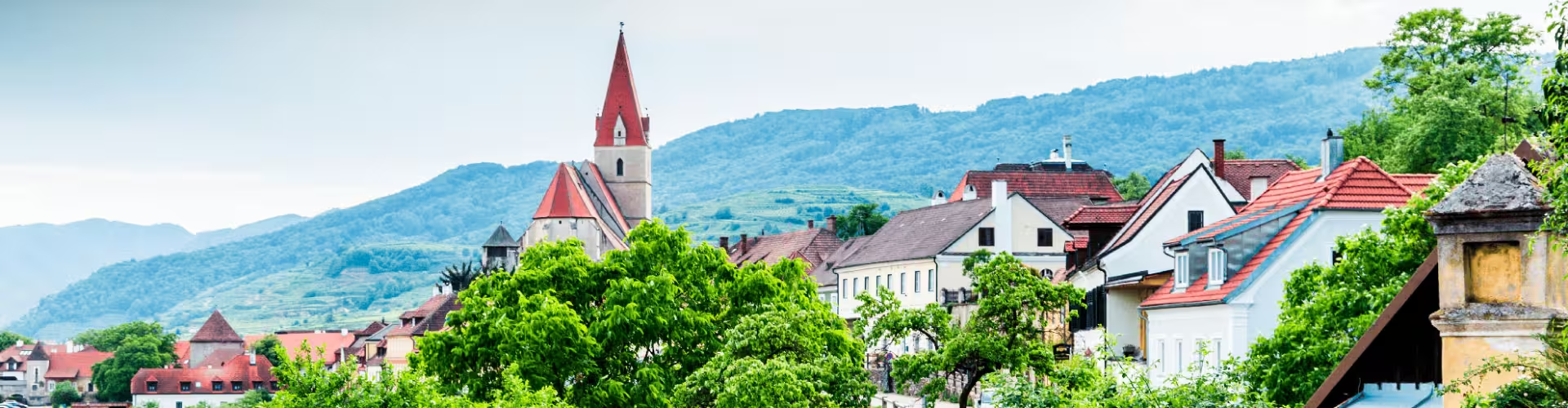


Melk District is one of Lower Austria’s most scenic gateways to the Wachau Valley, where river landscapes, vineyard slopes, and small towns create a relaxed, culture rich pace. This guide focuses on how to plan a smooth trip, what to prioritize with limited time, and how to connect the area’s signature sights with practical logistics. Expect a blend of Danube viewpoints, monastery heritage, and easygoing food and wine moments that reward travelers who plan their route well.
Melk District feels like a meeting point between grand history and slow travel, with the Danube setting the rhythm and the hills adding drama to the views. It is ideal for travelers who want a high impact day of landmarks plus time for riverside walks, cafés, and wine culture. Go when you can pair sightseeing with outdoor time, because many of the district’s best moments are about scenery, light, and unhurried stops.
Melk District sits in Lower Austria, a region shaped by the Danube’s west to east corridor and the cultural pull of nearby cities. The district is commonly approached via major Austrian transport hubs, then continued by regional rail and road connections into the Danube towns and surrounding countryside. For trip planning, think in layers, arrive by a main hub, base yourself near the river for walkable access, then branch out to viewpoints and villages.
Seasonality in this part of Lower Austria is closely tied to daylight, outdoor comfort, and how busy the riverside routes feel. Warmer months typically support longer walking days and more time outdoors, while cooler periods can shift the focus to indoor heritage sites, cafés, and shorter scenic stops. If you prefer a calmer atmosphere, aim for periods when day trippers are fewer, then start early to enjoy popular viewpoints before the midday peak.
Austria uses the euro, and travelers generally find day to day costs manageable when they mix paid attractions with free scenery and self guided walks. Cards are widely used, but carrying some cash is practical for small purchases, rural stops, and quick snacks. A good budgeting approach in Melk District is to decide which one or two headline sights you will pay for, then build the rest of the day around viewpoints, riverside paths, and village time.
Melk District rewards travelers who combine one major cultural landmark with several smaller, scenic experiences. Use this list to build a day that feels varied, not rushed.
Danube River Scenic Walks
Why it matters: The Danube is the district’s visual anchor, and a simple walk can deliver the classic Wachau feeling of water, hills, and vineyards. It is also the easiest way to absorb the pace of the region without needing a packed schedule. Practical tip: Start in the morning for softer light and fewer people on the most popular stretches.
Wachau Valley Viewpoints
Why it matters: The Wachau Valley is known for its layered landscapes, and viewpoints help you understand how towns, terraces, and the river fit together. Even short stops can feel like a highlight when the weather is clear. Practical tip: Build viewpoints into your route as timed breaks, so they function as rest stops, not extra detours.
Historic Town Strolls
Why it matters: Small town centers are where the region feels most personal, with everyday life alongside centuries of architecture. Wandering on foot is also a low cost way to add depth between major attractions. Practical tip: Give yourself a fixed window, for example 60 to 90 minutes, so you can explore without losing the rest of the itinerary.
Abbey and Monastery Heritage
Why it matters: Monastic sites are central to Lower Austria’s cultural story, linking art, education, and regional identity. They often provide a strong indoor option if weather changes. Practical tip: Visit earlier in the day, because heritage sites can attract the biggest crowds in the middle hours.
Vineyard Scenery and Wine Culture
Why it matters: The Wachau’s vineyard slopes shape both the view and the local table, creating a strong connection between landscape and flavor. Even if you do not plan a full tasting schedule, stopping for a glass can feel like a signature moment. Practical tip: Keep one flexible slot in your afternoon for a spontaneous wine stop, so you can choose based on mood and location.
Riverside Cafés and Slow Lunch
Why it matters: A long lunch is not just a break, it is part of the region’s rhythm, especially when you can watch boats and cyclists pass. It also helps balance a day that might otherwise feel like a checklist. Practical tip: Sit outside when possible, then keep dessert or coffee as your buffer time if the day runs late.
Cycling Along the Danube
Why it matters: Cycling is a classic way to experience the Danube corridor, letting you cover more ground while staying close to the scenery. It suits travelers who want movement and variety without constant car logistics. Practical tip: Choose a simple out and back segment that fits your energy level, then plan a clear turnaround point.
Photography Stops at Golden Hour
Why it matters: The district’s best images come from light on water, vineyard textures, and town silhouettes. Planning for golden hour can turn a good day into a great one. Practical tip: Identify one riverside spot for sunset, then arrive early to secure a calm viewpoint.
Start with a major heritage stop in the morning, when you are freshest and crowds are typically lighter. Then shift into a Danube focused midday, combine a scenic walk with a relaxed lunch, and treat the river as your main connector. In the afternoon, add one viewpoint and a short town stroll, then finish with golden hour by the water for a memorable final scene in Melk District.
On day one, focus on your headline cultural site plus an easy riverside walk to set the context. On day two, lean into the Wachau Valley, mix viewpoints, vineyard scenery, and unhurried café time, then add a longer walk or cycling segment. If you have a third day, keep it flexible for weather, repeat a favorite stretch of the Danube, or explore smaller towns at a slower pace without trying to collect every highlight.
Food in this part of Lower Austria often feels seasonal and tied to local produce, with a strong café culture and a natural pairing with regional wine.
Getting around Melk District is easiest when you plan by corridors, the Danube towns for walking, then short hops to viewpoints and countryside stops. Walking works well inside town centers and along riverside paths, while regional transport and road connections help link separate villages and hilltop viewpoints. If you are combining multiple stops in a single day, keep transfer time realistic and avoid overpacking the schedule, because the best moments often come from stopping when the view opens up.
For safety and comfort, wear shoes that handle cobblestones and uneven paths, and carry layers since river conditions can feel cooler than expected. If accessibility is a priority, focus on riverside promenades and town centers first, then add viewpoints only when you confirm the terrain suits your needs.
One day can cover a major landmark plus a Danube walk and a viewpoint. Two to three days gives you a calmer pace and room for villages, wine stops, and longer outdoor time.
Use walking for town centers and riverside paths, then connect between towns with regional transport or road travel. Keep your daily plan focused, because transfer time can add up if you try to fit too many stops.
Yes, the region suits slow travel because scenery and small town atmosphere are the main draw. Build in long lunches, short walks, and one or two key sights rather than chasing every viewpoint.
Golden hour by the river often delivers the most flattering light on water and hills. Morning can also be excellent for quieter streets and softer colors at viewpoints.
Cards are widely used, but carrying some cash is helpful for small purchases and rural stops. Plan to have enough for snacks, cafés, and incidental costs so you are not dependent on card terminals.