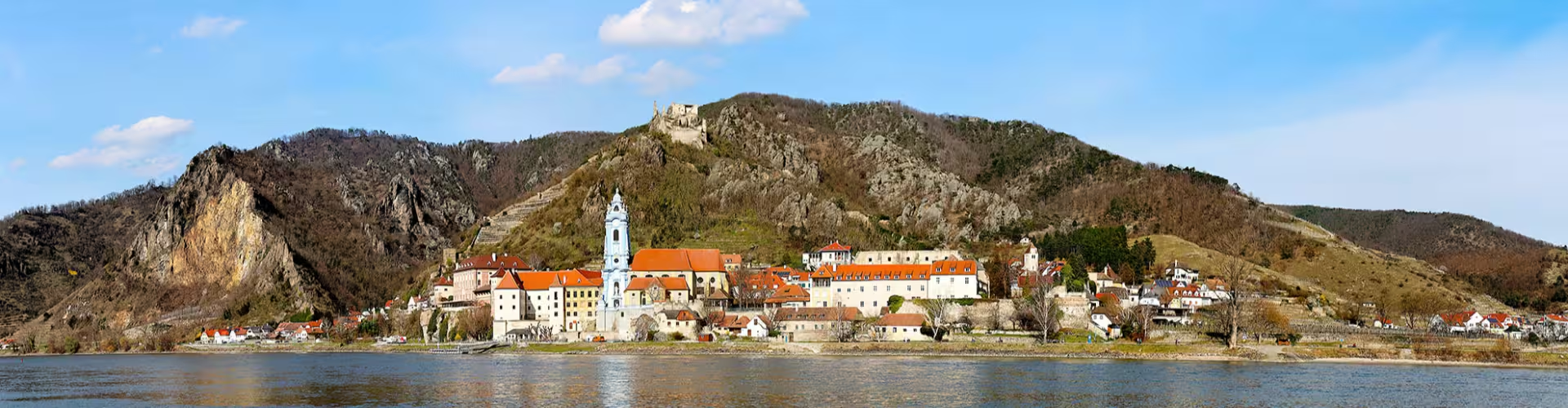


Dürnstein is a small, storybook Danube town in Austria’s Wachau Valley, known for its blue church tower, vineyard slopes, and a hilltop ruin with big river views. It works equally well as a scenic day trip or a slow, wine focused overnight, especially if you enjoy walking between viewpoints, cellars, and riverside terraces. This guide helps you plan what to do, when to go, how to get around, and which nearby places pair perfectly with Dürnstein.
Dürnstein feels romantic and compact, with cobbled lanes, apricot flavored treats, and Danube panoramas that reward unhurried exploring. Come for the mix of river culture and vineyard life, then stay for golden hour views and the easy rhythm of walking everywhere. It is especially appealing when you want high impact scenery without a complicated itinerary.
Dürnstein sits in Lower Austria in the Krems District, along the Danube in the Wachau region. The closest major hub is Vienna, which is the most common gateway for international travelers, then you continue by train, bus, or car toward Krems an der Donau and the river towns. If you are already touring the Danube Valley, Dürnstein fits naturally between other Wachau stops and makes a convenient base for short excursions.
Warm weather months bring the classic Wachau feeling, vineyard walks, river cruises, and long evenings outdoors, but also the highest visitor numbers. Shoulder seasons can feel calmer, with comfortable temperatures for hiking up to viewpoints, and a more local pace in cafés and taverns. Colder months are quieter and more atmospheric, though some tourism services may operate on reduced schedules, so plan with flexibility and confirm details close to your trip.
Austria uses the euro, and you can generally expect a mid range European price level for meals, wine tastings, and local transport. Cards are widely accepted, but carrying some cash is practical for small purchases, quick snacks, and smaller family run spots. For value, prioritize one or two paid experiences you truly care about, then balance your day with free highlights like riverfront walks and viewpoints.
Note: Experiences below focus on what makes the destination special, plus practical ways to time your visit. Keyword targets included naturally: Wachau Valley, Danube River, Dürnstein Castle ruins, Dürnstein Abbey, best things to do in Dürnstein, day trip to Dürnstein from Vienna.
1) Walk the Old Town Lanes
The historic core is compact and designed for slow wandering, with photogenic corners that change with the light. The charm here is in small details, doorways, courtyards, and glimpses of vineyards above the rooftops. Practical tip, go early for quieter streets and cleaner photos, then return later when terraces fill and the atmosphere becomes livelier.
2) Hike to the Dürnstein Castle ruins
The climb is a signature experience because it connects you to the landscape, the river, and the region’s layered history. The payoff is the panoramic view over the Danube River and the Wachau’s patchwork of vines. Practical tip, wear grippy shoes and bring water, the path can be uneven and the sun can feel strong on exposed sections.
3) Admire the Blue Tower of Dürnstein Abbey
The abbey’s iconic tower is one of the most recognizable sights in the Wachau Valley, and it anchors many of the classic postcard views. Even if you do not go inside, the exterior and surrounding streets give you a strong sense of place. Practical tip, visit around late afternoon for warmer tones on the façade and a softer sky behind the tower.
4) Taste Wachau Wines in Local Heurigen
Wine culture is central to the Wachau identity, and Dürnstein is a convenient place to sample regional styles in an informal setting. The experience matters because it ties the scenery to the glass, you see the vineyards, then taste what they produce. Practical tip, aim for a relaxed lunch tasting, then keep your afternoon schedule light so you can enjoy the river walk afterward.
5) Riverside Promenade on the Danube River
A flat, scenic stroll by the water resets your pace and helps you appreciate why the Danube shaped the town’s trade and culture. It is also one of the easiest ways to connect viewpoints, cafés, and photo spots without feeling rushed. Practical tip, do this near sunset when the river reflects the sky and the hills glow.
6) Cycle a Wachau Segment
Cycling suits the valley because distances between towns are manageable and the scenery stays consistently dramatic. Even a short ride gives you a sense of the Wachau as a living agricultural landscape rather than a single landmark. Practical tip, plan a one way route and return by local transport, so you can stop for photos and tastings without worrying about fatigue.
7) Join a day trip to Dürnstein from Vienna
If you are based in the capital, a day trip is a practical way to add Danube scenery and wine country to your itinerary without changing hotels. It matters because it offers a strong contrast to city sightseeing, more nature, more open views, and a slower rhythm. Practical tip, start early to fit in the castle ruins hike and still have time for a relaxed meal.
8) Look for Apricot Specialties
Apricot flavors are a regional signature and a simple way to taste local identity in a snack or dessert. This experience matters because it is accessible and memorable, even if you are not doing formal tastings. Practical tip, try an apricot themed treat earlier in the day, then compare it with another version later, you will notice different textures and sweetness levels.
Start with a quiet morning walk through the old town, aiming to see the abbey tower in soft light and to explore side lanes before they get busy. Then hike up to the Dürnstein Castle ruins for the signature panorama, and plan a relaxed lunch afterward to recover. Finish with a riverside promenade and a casual wine stop, timing your final photos for late afternoon or sunset over the Danube River.
On day one, focus on the town, the abbey area, the riverfront, and the castle ruins hike, then keep the evening for a long dinner paired with Wachau wines. On day two, add a cycling segment through the Wachau Valley and build in unstructured time for viewpoints, small tastings, and apricot specialties. If you have a third day, use Dürnstein as a base for nearby Danube towns and a slower pace, with extra time for photography and scenic walks.
Apricot jam and apricot pastries
Expect bright fruit sweetness with a gentle tart edge, often paired with buttery dough or cake. Ordering tip, ask for an apricot specialty of the day, then pair it with coffee for a simple local style break.
Wachau white wines
Local whites are typically crisp and aromatic, designed to match the valley’s food culture and warm weather meals. Ordering tip, request a tasting pour if available, so you can compare styles before choosing a full glass.
Heurigen platters
These are ideal for sharing, usually built around cold cuts, cheeses, spreads, and bread, which suit a relaxed pace between walks. Ordering tip, choose one platter for the table and add one extra small item, it is an easy way to sample variety without over ordering.
Seasonal soups and simple mains
Many local menus lean into straightforward comfort food that fits the region’s rural roots. Ordering tip, look for seasonal items, they often reflect what is freshest and most typical at that time of year.
River and valley inspired desserts
Desserts here often feel traditional and home style, with fruit, pastry, and gentle sweetness. Ordering tip, if you are wine tasting, choose a lighter dessert so flavors do not clash.
Dürnstein is highly walkable, and most travelers will do the core sights on foot, including the old town and riverfront. For longer distances within the Wachau, combine cycling with local transport options, or use a car if you prefer flexibility between towns and viewpoints. If you are hiking to the ruins, plan for uneven paths and bring appropriate footwear, and if you are traveling with limited mobility, prioritize the flatter riverfront and town center areas for the most comfortable experience.
Krems an der Donau
Travel time is short, and it is a practical hub for transport connections and a broader range of dining and services. Visit for a change of pace and a wider town feel while staying close to the Wachau scenery.
Melk
A classic Danube stop, often paired with Wachau towns on the same route. Go for the river journey experience and to combine multiple landmarks into one day.
Spitz
Another Wachau town with strong vineyard character and scenic viewpoints. It is ideal if you want to extend your wine and landscape theme beyond Dürnstein.
Vienna
A convenient base for travelers who want city culture plus a countryside contrast. It is the most common starting point for a day trip to Dürnstein from Vienna, especially if you are short on time.
Is Dürnstein good for a day trip?
Yes, the town is compact and many highlights are walkable in a single day. A day trip works best if you start early and prioritize one major activity, such as the ruins hike, plus a relaxed meal.
How do I get to Dürnstein from Vienna?
Many travelers route via Krems an der Donau, then continue locally to Dürnstein. Check current connections close to your travel date, since options can vary by season and day of week.
How challenging is the hike to the castle ruins?
It is a manageable hike for many travelers, but it involves uphill walking and uneven surfaces. Wear supportive shoes and bring water, especially in warmer weather.
What is the best time of day for photos?
Late afternoon and sunset are ideal for softer light on the abbey tower and warmer tones across the Danube landscape. Morning is best if you want quieter streets and fewer people in your shots.
Is Dürnstein walkable without a car?
Yes, the core of Dürnstein is very walkable, and you can build a full day around the old town, riverfront, and viewpoints. For exploring multiple Wachau towns, consider combining walking with cycling and local transport.