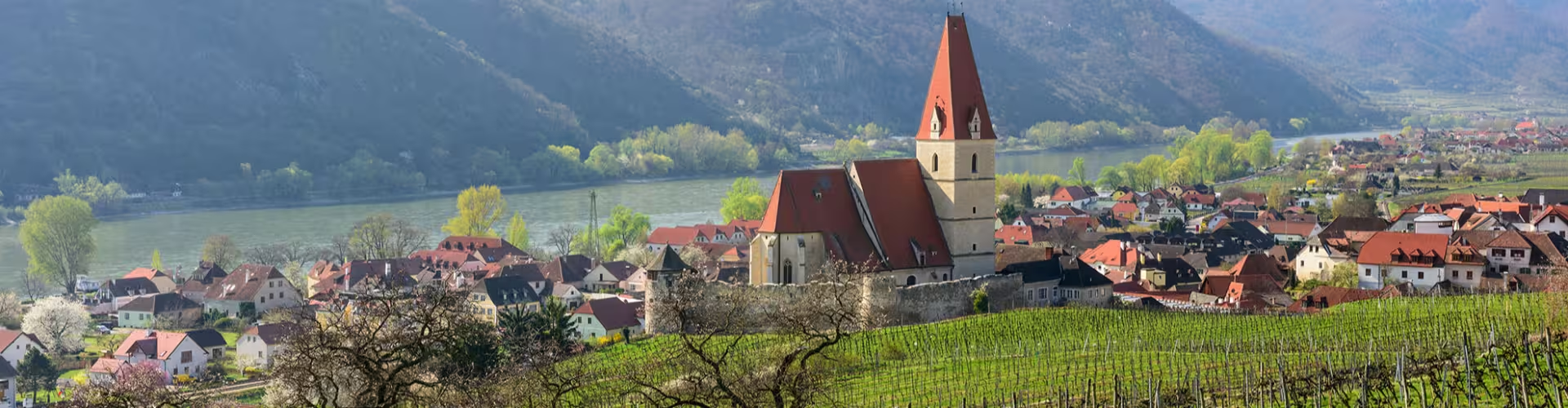


Krems District is a Danube shaped corner of Lower Austria where vineyard slopes, river views, and small town rhythms set the pace. Travelers come for Wachau Valley scenery, wine culture, and walkable historic streets that make it easy to combine nature and culture in a single trip. This guide focuses on practical decisions, what to do, how to get around, and how to plan a smooth visit without overpacking your schedule.
Krems District feels relaxed but polished, with a signature vibe that mixes riverside promenades, terraced vineyards, and heritage architecture. It is a strong choice when you want scenic day hikes and wine taverns in the same day, plus easy rail connections to major Austrian cities. Go now if you want a destination that rewards slow travel, where short distances and clear signposting let you do more with less transit stress.
Krems District sits in Lower Austria along the Danube, with Krems an der Donau as a key hub for exploring the Wachau landscape and nearby wine villages. For international arrivals, Vienna is the most practical gateway, then continue by train toward Krems. If you are already in Austria, rail links from Vienna and other regional hubs make it easy to plan a car free stay, especially if you are focusing on towns along the river.
Warm months are ideal for vineyard walks, cycling routes, and long river views, since daylight lasts longer and outdoor terraces are part of the experience. Harvest season brings a strong wine focus and a lively atmosphere in villages, while also increasing demand for rooms and tables. Cooler months can feel quieter and more local, with shorter days that favor museums, historic streets, and cozy wine focused meals, plus fewer crowds on popular viewpoints.
Austria uses the euro, and Krems District generally feels mid range, with good value if you lean into simple local meals and public transport. Cards are widely used, but it is smart to carry some cash for small purchases in villages, market stalls, and traditional wine taverns. Build a buffer for tastings and spontaneous stops, since the best moments often come from unplanned vineyard detours and riverside breaks.
Danube Riverside Walks. The Danube sets the tone here, with wide views and a calming pace that makes even short strolls feel restorative. It matters because the river connects the district’s towns and vineyards into one coherent travel story. Practical tip, plan a late afternoon walk when the light softens and the water reflects the hills.
Wachau Vineyard Viewpoints. Terraced slopes and lookout points are part of what makes this area iconic, especially when you want photos that capture the Danube curve and the patchwork of vines. It matters because the landscape is the main attraction, and viewpoints help you understand how wine and geography shape local life. Practical tip, wear shoes with grip, vineyard paths can be uneven after rain.
Krems Old Town Streets. Wandering through historic lanes gives you the texture of the region, with architecture, small shops, and a sense of place that contrasts with the open countryside. It matters because it anchors your trip in culture, not only scenery. Practical tip, start early to enjoy quieter streets, then pause for coffee before day trippers arrive.
Wine Tavern Evenings. A wine focused evening is central to the local rhythm, pairing regional pours with hearty, simple dishes. It matters because it is one of the most direct ways to experience local hospitality and seasonal ingredients. Practical tip, arrive earlier rather than later if you want a relaxed table and time to ask for recommendations.
Danube Cycling Segments. Cycling is a classic way to cover more ground while staying close to the river and villages. It matters because the route design supports independent exploration, and you can combine short rides with stops for viewpoints and tastings. Practical tip, choose a one way segment and return by train to keep the day flexible.
Abbey and Church Stops. Religious heritage sites add depth to the landscape, often sitting in dramatic positions above the river or tucked into town centers. It matters because these places help explain the region’s long historical continuity and cultural identity. Practical tip, pack a light layer, interiors can feel cool even in warmer months.
Local Markets and Bakeries. Browsing everyday food spots is an easy way to travel like a local, with seasonal produce and grab and go snacks for hikes. It matters because it keeps your budget balanced while improving your picnic game. Practical tip, shop in the morning for the best selection, then build a riverside lunch.
River Cruise or Ferry Hops. Being on the water changes the perspective, turning hills and villages into a moving panorama. It matters because it connects destinations without road stress and adds variety to a multi day plan. Practical tip, treat it as transport plus sightseeing, and align it with your itinerary rather than making it a standalone detour.
Start in Krems for a compact old town walk, then transition to the Danube for a scenic promenade and your first vineyard views. Spend midday focusing on one signature outdoor activity, either a short vineyard hike or a cycling segment along the river, then build in a relaxed lunch stop to reset. Finish with a wine tavern style evening, keeping the last hour unplanned so you can linger at a viewpoint if the light is good.
Day one, use Krems as your base for orientation, historic streets, and a gentle river walk, then do a low key wine focused dinner. Day two, commit to the landscape, choose a longer vineyard route or a cycling plan that links multiple villages, then add a water segment by cruise or ferry to vary the pace. Day three, slow down with markets, bakeries, and smaller heritage stops, and keep a flexible block for weather dependent viewpoints, since the best panoramas depend on visibility.
Gruner Veltliner. Crisp, peppery, and refreshing, it pairs naturally with lighter dishes and makes sense after a warm day outdoors. Ordering tip, ask for a local pour by the glass so you can compare styles across villages.
Riesling. Typically aromatic with a clean structure, it suits travelers who like bright flavors and food friendly acidity. Ordering tip, if you are unsure, ask for the house recommendation, it is often chosen to match the season.
Apricot Specialties. The region is strongly associated with apricot flavors, showing up in desserts, jams, and sweet treats. Ordering tip, look for seasonal versions, they tend to taste fresher and more fragrant.
Wiener Schnitzel. A classic Austrian staple, crisp on the outside and comforting, it is a reliable option when you want a hearty meal after walking. Ordering tip, balance it with a lighter side and save room for something sweet.
Tafelspitz. A gentle, slow cooked beef dish that feels traditional and satisfying, especially in cooler weather. Ordering tip, ask what sides are included so you can plan the rest of your meal.
Apple Strudel. Warm, spiced, and familiar, it is a natural finish to a wine tavern evening. Ordering tip, if you want the full experience, pair it with coffee and take your time.
Krems District supports a mix of walking, cycling, trains, and river connections, which is ideal if you want to avoid driving. In towns, walking is often the best way to experience historic streets and riverfront areas, while cycling helps link villages and viewpoints along flatter stretches. For longer hops, trains are the practical backbone, and river cruises or ferries can add a scenic alternative when they align with your route. Keep basic safety in mind on shared paths, watch for changing weather on exposed viewpoints, and consider accessibility needs if your plan includes steep vineyard trails.
Vienna. A straightforward day trip by rail for museums, imperial architecture, and a change of pace. Travel time varies by connection, so plan an early start if you want a full day.
Melk. Known for its landmark abbey presence and Danube setting, it fits well into a river themed itinerary. Consider pairing it with a cruise segment if schedules align.
Durnstein. A classic Wachau stop with strong scenery and a compact village feel that works well on foot. It is best enjoyed with time for a viewpoint walk.
Gottweig Abbey Area. A rewarding option for elevated views and heritage atmosphere near Krems. Plan for some uphill walking depending on your approach.
Train connections via Vienna are a practical option, especially if you base yourself in Krems and explore by rail and walking. Once you arrive, you can combine town walks with cycling segments and river connections.
One day covers the highlights, but two to three days gives you time for vineyard viewpoints, a river segment, and slower meals. Krems District rewards a flexible pace, especially if weather changes your viewpoint plans.
Warmer months are best for longer outdoor days and comfortable cycling conditions. Harvest season can feel especially lively, but it may also be busier for accommodation and dining.
Cards are widely used, but carrying some cash is helpful for small purchases and traditional spots. It also makes quick stops easier when you are moving between villages.
Yes, you can focus on riverside promenades, town centers, and gentle paths without committing to steep vineyard trails. Krems District works well as a scenic, walkable base with optional hikes when you feel like adding elevation.