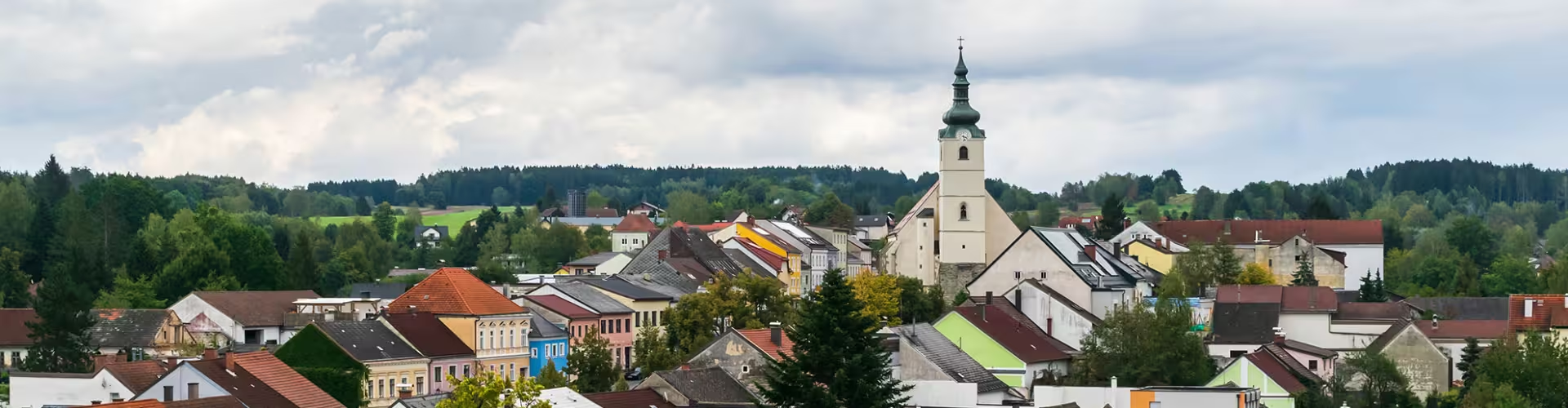


Gmünd District sits in Austria’s northern Waldviertel, where granite landscapes, forested horizons, and small towns create a calm, outdoorsy rhythm. This is a place for slow travel, scenic drives, and nature-first days that end with hearty regional cooking. If you want a Lower Austria destination that feels spacious and grounded, Gmünd District rewards curiosity with trails, viewpoints, and local culture that is more lived-in than staged.
Gmünd District is defined by its Waldviertel character, cool forests, clear air, and a quiet sense of distance from big city pace. The signature vibe is outdoors and heritage in equal measure, with time for lakeside pauses, village strolls, and scenic detours. Go now if you want an Austria itinerary that leans into nature, uncrowded routes, and practical, easygoing travel days.
Gmünd District is a district in Lower Austria, in the Waldviertel region near the Czech border. For most travelers, the simplest planning approach is to treat Vienna as the main international gateway, then connect onward by regional rail or road into the district. If you are building a wider Lower Austria travel guide, pairing the Waldviertel with Vienna or the Wachau can balance city culture with forest landscapes.
Seasonality here is all about outdoor conditions and daylight. Warmer months support hiking, cycling, and lake time, while cooler periods bring crisp air, moodier forest scenery, and a more local pace. Shoulder seasons can be especially appealing if you prefer fewer people and flexible planning, since many experiences in Gmünd District are nature-based rather than ticketed attractions.
Austria uses the euro, and you can expect typical Central European pricing patterns, with better value in rural areas than in major city centers. Cards are widely used, but it is smart to carry some cash for smaller cafés, rural stops, and quick purchases. A practical approach for Gmünd District is to budget for transport and meals first, then add flexibility for spontaneous detours, viewpoints, and local food stops.
Waldviertel Forest Walks and Viewpoints
Why it matters: The Waldviertel is the defining landscape of Gmünd District, and a simple forest walk delivers the region’s signature calm. Granite features, dense tree lines, and open clearings create a photogenic mix that changes quickly with weather. Practical tip: Start early for quieter trails and softer light, and pack a light layer since forest shade can feel cooler.
Lake and Waterside Time
Why it matters: Lakes and ponds are part of the Waldviertel’s outdoors culture, offering an easy way to slow down between drives and hikes. Even short stops can reset your day and make the itinerary feel less rushed. Practical tip: Plan a waterside break as your midday anchor, then build the rest of your day around it.
Scenic Drives Through the Waldviertel
Why it matters: This is a region where the journey is often the highlight, with quiet roads, forest corridors, and small settlements that invite spontaneous stops. A drive-based day makes it easy to combine nature, local food, and short walks without overcommitting. Practical tip: Keep your schedule loose, then stop when the landscape opens up or a village café appears.
Small-Town Strolls and Local Atmosphere
Why it matters: The towns in Gmünd District deliver a lived-in Austria experience that complements the outdoors. You get everyday architecture, local routines, and a slower rhythm that is hard to replicate in big tourist hubs. Practical tip: Aim for a late afternoon walk, then settle in for dinner, it is a natural way to experience the pace.
Regional Food Stops in Traditional Inns
Why it matters: Waldviertel dining is often hearty and seasonal, and it pairs well with active days outdoors. Meals can become a cultural highlight, especially when you choose places that feel local rather than designed for tour groups. Practical tip: Ask for regional specialties, and consider an earlier dinner if you want a quieter atmosphere.
Photography Routes in Changing Weather
Why it matters: Forest regions photograph best when the light is dynamic, and the Waldviertel can shift from bright to misty quickly. That variety adds drama to landscapes and makes even familiar viewpoints feel new. Practical tip: Do not cancel plans for light rain or fog, instead, adjust for safety and lean into moody scenery.
Active Days, Hike, Bike, and Short Nature Loops
Why it matters: Gmünd District is well suited to travelers who prefer movement over museums, and short loops can fit into almost any schedule. This approach keeps the day flexible and helps you see more micro-landscapes without long transfers. Practical tip: Build your day in modules, one main outing plus one shorter loop, then leave time for food.
Borderland Feel and Cultural Context
Why it matters: Being near the Czech border adds a subtle borderland character, with routes and influences that feel slightly different from central Austria. This can enrich a broader itinerary and make the district feel like a transition zone between regions. Practical tip: If you are planning a multi-stop trip, use Gmünd District as a nature-focused contrast to more city-heavy days.
Start with a morning forest walk to lock in the Waldviertel vibe while the air is cool and the trails are quiet. Follow with a scenic drive that includes at least one viewpoint stop and one small-town stroll for a change of pace. End with a relaxed dinner at a traditional inn, then finish the day with a short sunset pause by water if your route allows.
Day 1 focuses on orientation, a gentle nature loop, a scenic drive, and a town evening to settle into the rhythm. Day 2 goes bigger on outdoors, plan a longer hike or bike segment, then balance it with a slow lunch and an unhurried afternoon by a lake. Day 3 stays flexible for weather, repeat your favorite landscape type, add a new village stop, and leave space for spontaneous detours that make Gmünd District feel personal rather than checklist-based.
Hearty Inn-Style Mains
Taste profile: Comforting, savory, and built for hungry hikers. Ordering tip: Ask what is seasonal or regional, it is often the best match for the area.
Waldviertel-Inspired Soups
Taste profile: Warming and practical, ideal in cooler weather. Ordering tip: If you want a lighter meal, pair soup with a smaller side rather than a full main.
Local Desserts with Coffee
Taste profile: Sweet, rich, and perfect for a mid-afternoon break. Ordering tip: Order dessert in a café setting when you want a slower pause between drives.
Seasonal Game and Rustic Plates
Taste profile: Deep flavors and traditional preparation styles that fit forest regions. Ordering tip: If you see a regional special, consider choosing it over familiar options for a more place-specific meal.
Fresh Bread and Simple Snacks
Taste profile: Straightforward, satisfying, and easy to pack for the road. Ordering tip: Stock up earlier in the day so you are not searching for food between rural stops.
Regional Drinks in a Relaxed Setting
Taste profile: Easygoing, best enjoyed slowly after an active day. Ordering tip: Choose a terrace or quiet corner, the atmosphere is part of the experience.
Getting around Gmünd District is easiest when you combine a base town with day outings by road, since many nature spots and scenic routes are spread out. Walking works well for town centers and short local loops, while longer connections are more practical by car or regional transport. For safety and comfort, plan for changing weather, especially if your day includes forest paths, and keep a flexible backup plan if conditions shift.
Vienna
Travel time: Varies by route and transport choice. Why go: A major culture and dining counterpoint to Waldviertel nature days, useful as a gateway and a contrast stop.
Wachau Valley
Travel time: Varies by route. Why go: A classic Lower Austria landscape pairing, ideal if you want river scenery and a different regional feel after time in Gmünd District.
Other Waldviertel Areas
Travel time: Short to moderate depending on your base. Why go: Extend the forest and granite vibe with more small towns, viewpoints, and outdoor variety.
Czech Border Region
Travel time: Varies by crossing and route. Why go: Adds a borderland dimension to your itinerary and can broaden your food and culture experiences.
Vienna is the most common gateway for international travelers, then you continue onward by regional rail or road. The best option depends on your base and whether you want maximum flexibility for scenic stops.
One day works for highlights like a forest walk, a scenic drive, and a town stroll. Two to three days lets you slow down, add longer outdoor time, and keep plans flexible for weather.
A car can make it easier to connect lakes, viewpoints, and rural routes in one day. If you prefer public transport, choose a base town and focus on walkable areas plus a smaller number of planned connections.
Bring comfortable walking shoes, a light layer, and rain protection for changing conditions. A reusable water bottle and simple snacks also help on days built around scenic drives and short hikes.
Warmer months suit hiking, cycling, and lakeside breaks, while cooler periods offer crisp air and a quieter pace. Shoulder seasons can be ideal if you want fewer crowds and more flexible days.