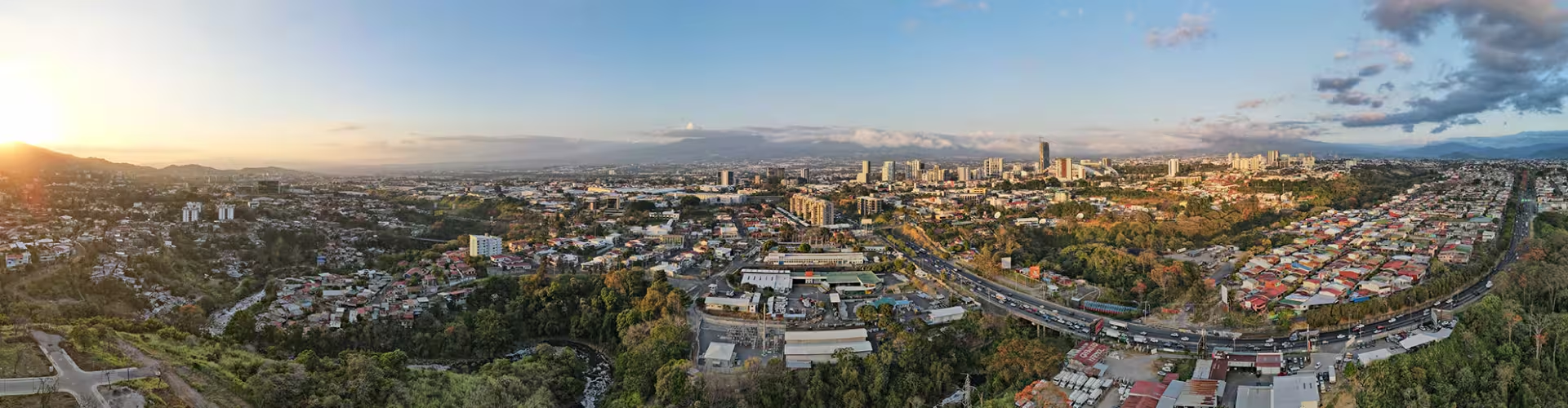
At the center of Costa Rica, San José Province blends capital city energy with highland calm. Grand theaters, gilded museums, neighborhood cafes, and green parks sit within a volcanic mountain ring, so travelers can pair city sophistication with misty forest escapes. From the marble glow of the Teatro Nacional to the coffee slopes of Tarrazú, the province offers a thoughtful introduction to the country’s history, flavors, and landscapes.
The crown jewel of San José, the late nineteenth century Teatro Nacional opens onto the elegant Plaza de la Cultura. Inside, marble staircases, crystal chandeliers, and allegorical frescoes celebrate the arts and the nation’s coffee heritage. Step outside to street musicians and café terraces that make the square a natural meeting place. Nearby boulevards lead to the stately Plaza de la Democracia and the compact Parque Central, where locals gather under shade trees for conversation and afternoon ice cream.
Just off the plaza, the Pre Columbian Gold Museum displays intricate ornaments that once marked status and ceremony. Across the way, the luminous collections at the Jade Museum reveal trade routes, mythic animals, and protective amulets carved from cool green stone. Together these museums illuminate pre Hispanic Costa Rica, turning a city stroll into a richly layered timeline.
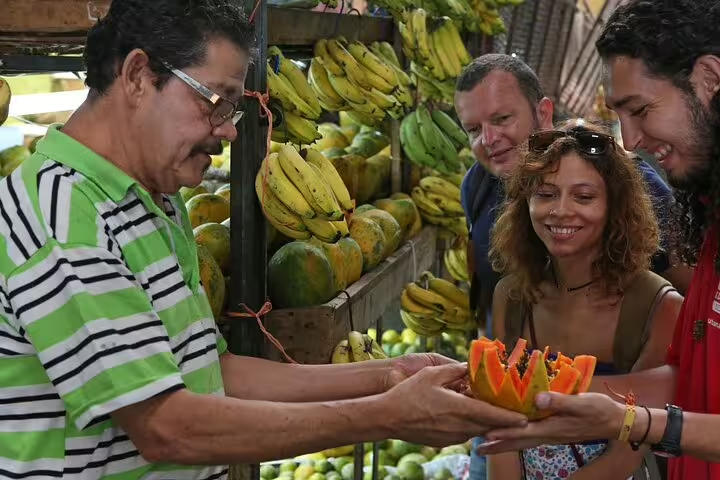
For sensory immersion, wander the aisles of the Mercado Central. Stalls brim with guava sweets, coffee beans, hand woven baskets, and medicinal herbs. Slip into a soda, a family run lunch counter, for a hearty casado or a bowl of seafood soup. Coffee lovers can continue to roasters across Escazú and Santa Ana, where baristas prepare pour overs with beans sourced from high mountain fincas.
The city’s architectural soul surfaces in Barrio Amón, a historic district of Caribbean style wooden mansions restored as galleries, boutique inns, and studios. Farther west, modern neighborhoods in Escazú and Santa Ana mix leafy streets with bakeries, wine bars, and design shops. Culture seekers can add an evening performance at the Teatro Melico Salazar, or a contemporary art stop in the emerging districts north of the center, where murals brighten warehouses and cafes host intimate concerts.
At the edge of downtown, the expansive La Sabana Metropolitan Park offers a morning run around a tree lined lake, paddle sessions on calm water, and picnics with skyline views. The adjacent sports complex hosts national events, while families spread out on lawns under towering eucalyptus. In the old quarter, the compact Parque Nacional frames stately monuments with tropical trees, a quiet pause between museums and ministries.
South of the capital, the cantons of Tarrazú and Dota produce some of the world’s most balanced coffees. Day trips bring you to farm patios scented with drying parchment, tours through rows of glossy leaves, and tastings that highlight citrus, cocoa, and honey notes. Many estates host hands on workshops, from cherry picking in season to roasting profiles that change the same bean’s character. It is an eye opening look at the crop that funded the very theater you admired in the morning.
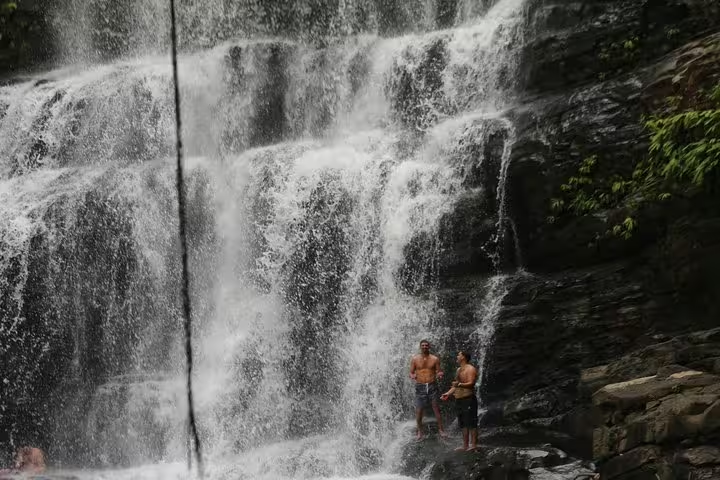
Follow the Inter American highway toward Cerro de la Muerte and you reach the cool mist of the Los Quetzales National Park. Trails weave through high altitude oak forests wrapped in bromeliads and moss. In nearby San Gerardo de Dota, birdwatchers search river valleys for the radiant tail feathers of the resplendent quetzal. Even casual hikers will appreciate the hush of the cloud canopy, the quick change in temperature, and the satisfaction of sipping hot chocolate after a morning ramble.
Modern San José invites unhurried exploration. Browse weekend design markets for ceramics and textile work that pair local materials with clean lines. Sample cacao flights at artisan chocolateries; Costa Rica’s bean to bar scene has blossomed with small producers and biodiverse farms. In the evening, join locals in craft beer halls that pour pale ales brewed with tropical fruit, or settle into a candlelit bistro for farm fresh trout and seasonal vegetables from the Central Valley.
Getting around the capital is straightforward with ride hailing and taxis, while intercity buses connect the province to neighboring valleys. Many visitors choose to base themselves near La Sabana Metropolitan Park or in Escazú for easy access to both downtown museums and mountain day trips. The climate is pleasant year round, with warm days and cooler evenings, yet the highlands require a light jacket and comfortable walking shoes.
San José Province offers a rare balance. In a single day you can admire gilded ceilings, sip freshly milled coffee, browse a century old market, then step into a cloud forest where rivers run clear and hummingbirds hover at eye level. The scale is human, distances are manageable, and the welcome is warm. For travelers who value depth, the province rewards curiosity with layered stories and landscapes that shift from plaza stone to moss covered oak within hours.
Design days that flow, Teatro Nacional and plazas in the morning, museums and the Mercado Central at midday, sunset in La Sabana Metropolitan Park, a next day escape to Tarrazú or the trails of the Los Quetzales National Park. When you are ready to shape guided visits, tastings, transfers, and birding walks, Toursxplorer.com can help coordinate every detail with care, so you simply enjoy the rhythm of San José.