Santo Domingo
A practical, story rich guide to Santo Domingo with essential things to do, smart itineraries, local flavors, transport tips, and easy day trip ideas for a confident first visit.

A practical, story rich guide to Santo Domingo with essential things to do, smart itineraries, local flavors, transport tips, and easy day trip ideas for a confident first visit.

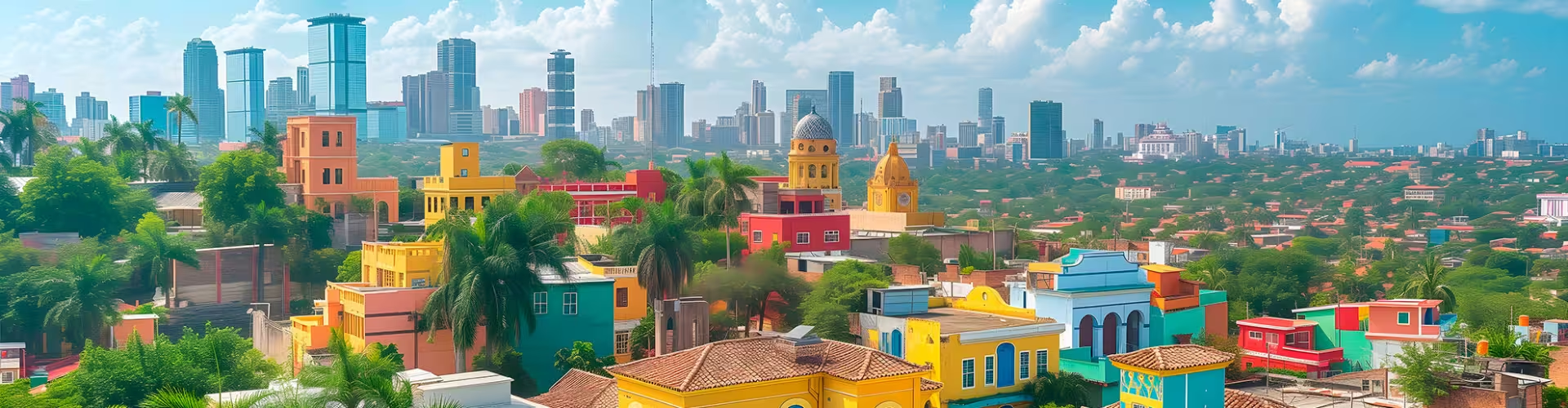
Santo Domingo blends centuries old streets with a modern Caribbean capital rhythm, where colonial stone, merengue, and ocean air share the same blocks. Come for the UNESCO listed history in the Colonial Zone, then stay for the food culture, lively plazas, and the city’s easy access to beaches and mountain landscapes beyond the center. It is a destination that rewards travelers who like to balance museum time with café stops, sunset walks, and neighborhood discovery.
Santo Domingo sits on the southern coast of the Dominican Republic, within the National District, facing the Caribbean Sea. The most referenced visitor hub is the Colonial Zone, which forms a walkable core of historic streets, plazas, and landmark buildings, while newer districts spread outward with business centers, shopping, and nightlife. For air access, the main gateway is Las Américas International Airport, commonly used for arrivals into the capital area, with road connections linking the city to other regions of the country.
Expect a warm, tropical feel most of the year, with humidity and sun shaping the daily rhythm. For many travelers, the most comfortable planning approach is to aim for periods with milder temperatures and lower humidity, then schedule outdoor walking in the mornings and late afternoons. Crowd levels tend to rise around major holidays and peak travel windows, so booking accommodations earlier helps if you want a central location near the Colonial Zone.
Plan for a mix of costs depending on your style, with budget friendly street food and casual eateries balancing out higher end dining and guided experiences. Carry some cash for small purchases, tips, and markets, while keeping a card for hotels and larger restaurants. A practical approach is to withdraw modest amounts and store the rest securely, especially when you are walking between attractions.
Explore the Colonial Zone. This is the signature experience of Santo Domingo, where cobblestone streets and historic architecture give you a strong sense of the city’s role in early Caribbean history. It is ideal for travelers who like to move slowly, stopping at plazas, museums, and cafés along the way. Practical tip, go early to enjoy cooler temperatures and better photo light.
Walk the Malecón at sunset. The seaside boulevard is where the city breathes, with ocean views and a local evening energy that feels distinctly urban and Caribbean at once. It is a good counterbalance to the historic center, especially if you want a scenic break after museum time. Practical tip, time your walk for late afternoon, then stay as the sky changes color.
Visit landmark museums and historic sites. The capital’s historic institutions help connect the streets you are walking with the deeper story of the Dominican Republic. Even if you are not a museum focused traveler, a well chosen visit adds context and makes the Colonial Zone feel more meaningful. Practical tip, pair one museum with a nearby café stop to keep the pace relaxed.
Join a guided city tour. A guide can help you notice details you might miss, from architectural elements to the way neighborhoods evolved beyond the oldest streets. This is especially useful if you want a decision support overview on day one, then explore independently afterward. Practical tip, book in advance during busier travel periods to secure your preferred time.
Experience local nightlife and music. Santo Domingo is closely tied to merengue and bachata culture, and evenings often feel social and energetic. Whether you prefer a live music venue or a relaxed bar, the city’s night scene is part of understanding its personality. Practical tip, choose a venue close to your accommodation if you want an easy ride back later.
Shop for crafts and local goods. Markets and small shops are a practical way to bring home something meaningful, and they also show daily life beyond the postcard version of the city. Look for items that reflect Dominican materials and design rather than generic souvenirs. Practical tip, carry small bills and ask politely before taking photos of vendors or displays.
Try a food focused experience. Food is one of the easiest ways to connect with local culture, from casual lunches to sit down dinners. A tasting style outing helps you sample several flavors without over planning. Practical tip, go hungry and pace yourself, especially in warm weather.
Take a neighborhood stroll beyond the historic core. The city’s modern districts add contrast, showing how the capital functions today, with parks, cafés, and everyday street scenes. It is a good choice if you want a more local feel than the main tourist corridors. Practical tip, ask your accommodation which areas are best for a relaxed walk at the time of your visit.
Start in the Colonial Zone while the streets are quieter, then build your morning around a few key historic landmarks and a museum stop for context. Break for a long lunch, then spend the afternoon popping into small shops and plazas, keeping your route compact so you can enjoy the atmosphere rather than rush. End with a sunset walk along the Malecón, then choose a dinner spot that lets you linger, followed by a low key music venue if you want to sample the nightlife.
On day one, focus on the Colonial Zone, mixing history with café breaks so the experience feels immersive rather than like a checklist. On day two, add modern neighborhoods for a clearer picture of today’s Santo Domingo, then plan your evening around food and music to connect with the city’s social energy. If you have a third day, keep it flexible for a guided tour theme that matches your interests, then leave time for a relaxed seaside walk or an easy day trip plan.
La Bandera Dominicana. This classic plate is often described as the everyday heart of Dominican home style cooking, built around comforting staples and balanced flavors. It is filling and satisfying, especially after a morning of walking. Ordering tip, ask what the day’s version includes, since sides can vary by kitchen.
Mangú. A smooth, savory plantain based dish that feels like comfort food, often enjoyed earlier in the day. The flavor is mild and pairs well with salty or tangy sides. Ordering tip, request it with traditional accompaniments if you want the full experience.
Sancocho. A rich stew style dish with deep, slow cooked flavor, often associated with gatherings and special meals. It is a good choice when you want something hearty and distinctly local. Ordering tip, share if portions are large, and ask what meats or ingredients are included.
Mofongo. Mashed plantains with a bold, garlicky character, often served with a protein or sauce. The texture is dense and satisfying, making it a strong dinner option. Ordering tip, ask for a sauce on the side if you want to control richness.
Fresh tropical juices. The Caribbean climate supports bright, sweet fruit flavors that are refreshing in the heat. A cold juice break also works well between walking segments in the Colonial Zone. Ordering tip, ask if it is made with water or milk, depending on your preference.
Dominican coffee. Often served strong, it is a simple pleasure that fits naturally into a morning itinerary or an afternoon pause. It also pairs well with a light snack. Ordering tip, if you like it less intense, ask for a softer preparation.
The Colonial Zone is best explored on foot, since the experience comes from wandering, noticing details, and stepping into plazas and small shops as you go. For longer distances, ride sharing and taxis are common choices for point to point trips, especially at night or when heat makes walking less comfortable. If you use public transit, keep your route simple, and allow extra time, since first time navigation can be slower than expected. As a general safety habit, keep valuables secure, avoid flashing expensive items, and confirm your destination before starting a ride.
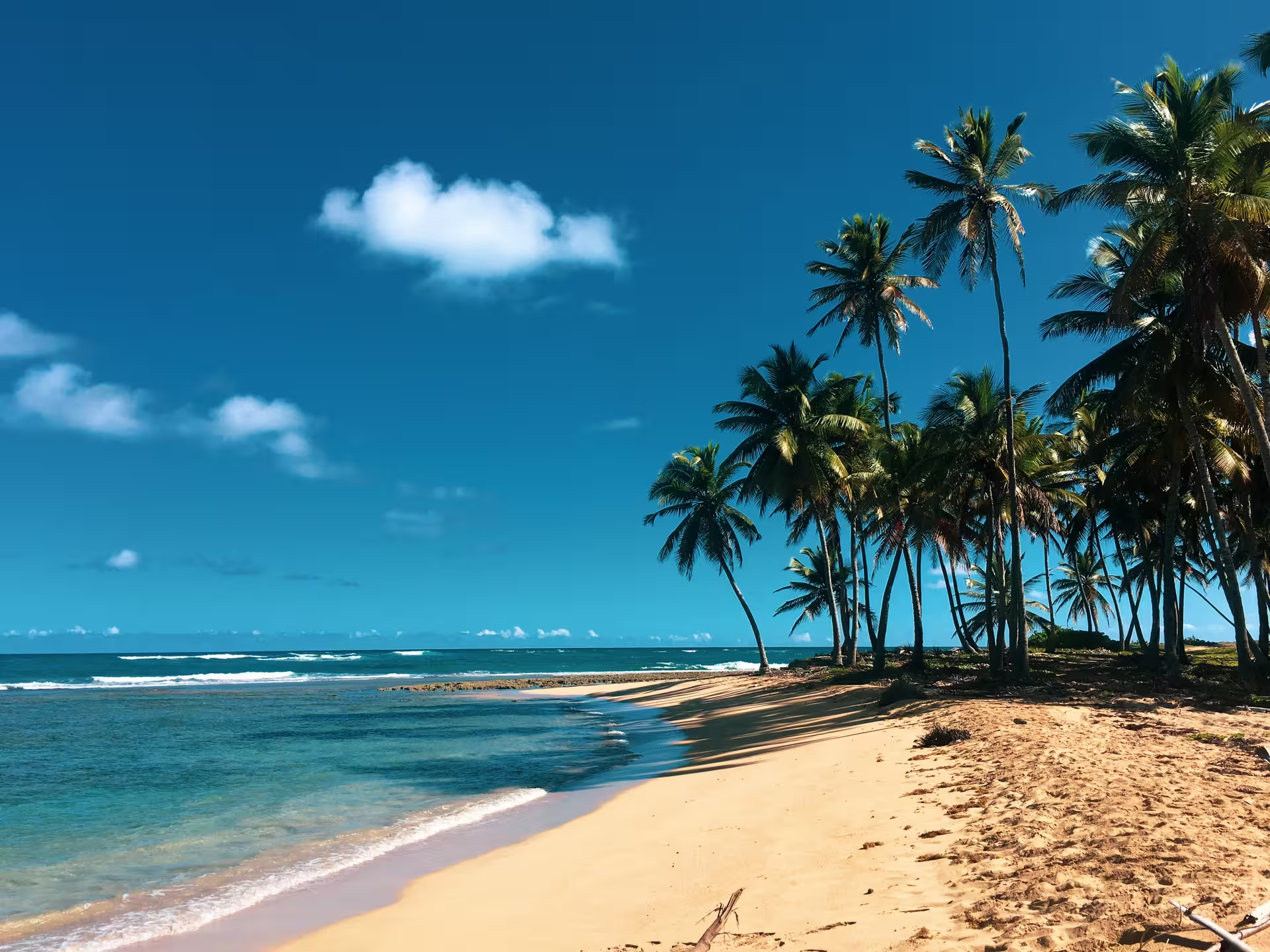
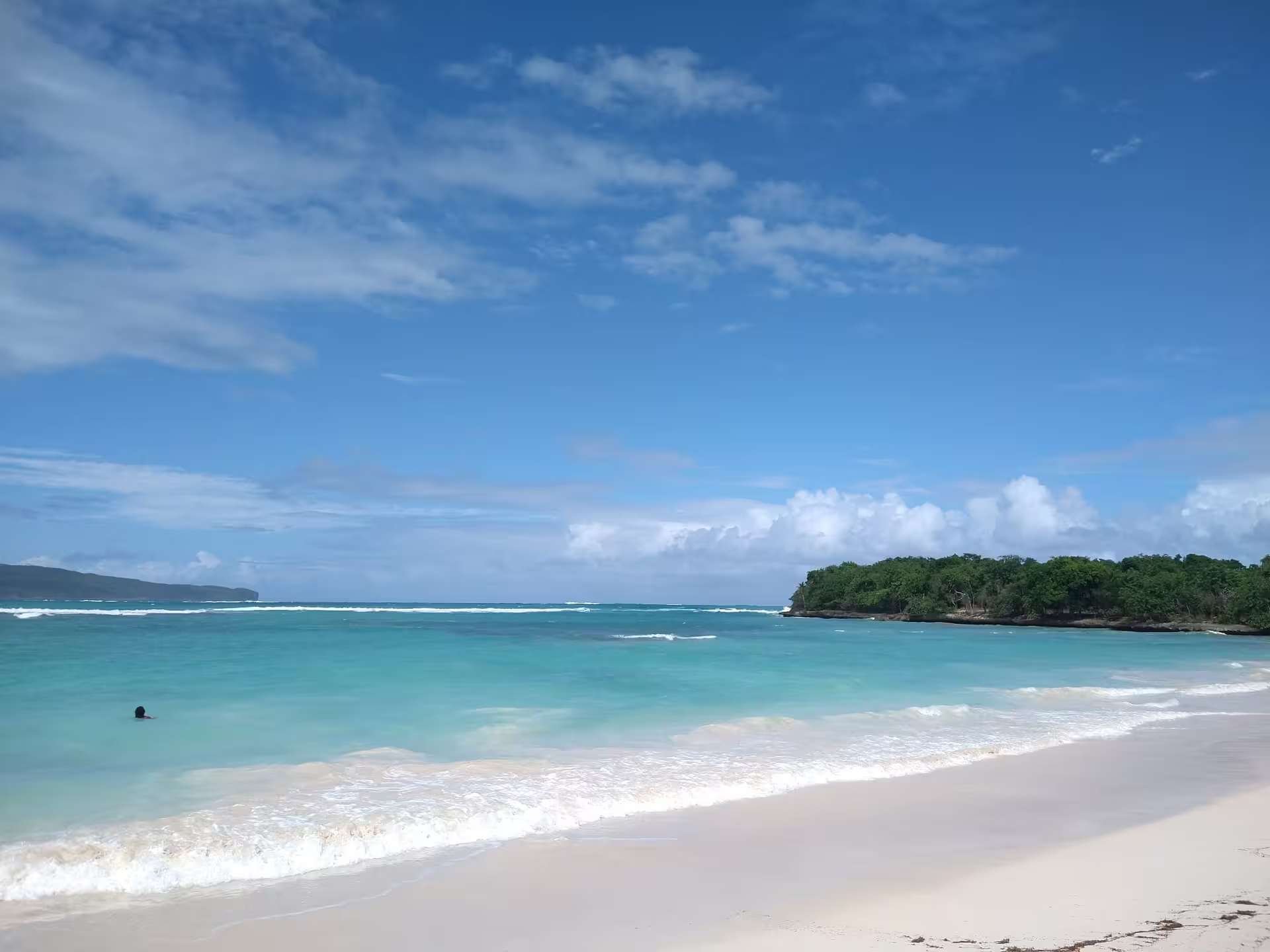
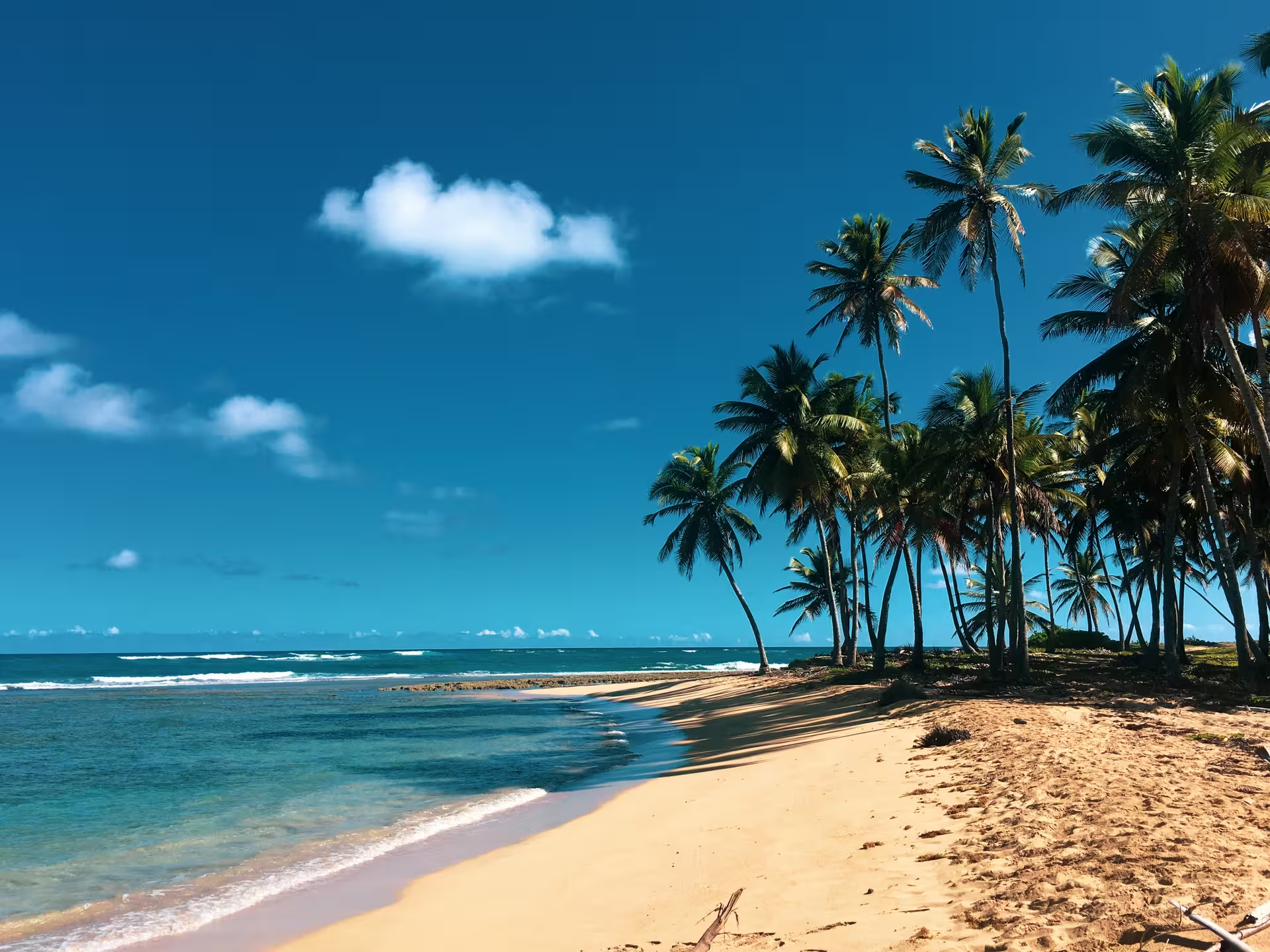
Beaches along the south coast. A beach day is a natural add on if you want to contrast city streets with open water and a slower pace. Travel time varies by the specific beach you choose and the traffic leaving the city. Primary reason to visit, easy Caribbean scenery and a reset from urban sightseeing.
Mountain landscapes in the interior. The Dominican Republic’s terrain changes quickly once you leave the coast, offering cooler air and green views depending on where you go. This works well if you want a nature focused break from museums and architecture. Primary reason to visit, a different side of the country beyond the capital.
Nearby towns and cultural stops. Short trips to surrounding communities can add context to how the region lives outside the National District. These are best chosen based on your interests, such as food, crafts, or scenic viewpoints. Primary reason to visit, a more local perspective and a change of pace.
Staying near the Colonial Zone makes it easier to explore on foot and fit historic sites into a short schedule. It also helps if you want cafés, plazas, and evening atmosphere close to your accommodation.
One day covers the essentials if you keep your route focused and prioritize the Colonial Zone plus a seaside walk. Two to three days gives you time for modern neighborhoods, food experiences, and a more relaxed pace.
Santo Domingo is very walkable within the Colonial Zone, where many key sights sit close together. For longer distances, it is more practical to use taxis or ride sharing, especially in heat or at night.
For evening plans, point to point rides are often the simplest option, particularly if you are heading beyond the historic core. Keep valuables secure and confirm your destination before the ride starts.
Pick one hearty Dominican classic and one refreshing drink, then add coffee as a quick cultural stop. If you have time, choose a dish like mangú earlier in the day and a richer option like sancocho or mofongo later.