Cuba blends living history, Caribbean beaches, and music filled streets, with experiences ranging from classic car rides in Havana to snorkeling in clear cay waters. It is compelling for travelers who want culture and coastline in one trip, plus a strong sense of place shaped by Spanish colonial cities and Afro Cuban traditions. Use this page as your decision support hub for Travel guide to Cuba, from timing and costs to what to prioritize.
Cuba is a large island nation in the Caribbean, stretching long and narrow between the Gulf of Mexico and the Atlantic. Most international arrivals route through Havana and other major airports across the island, then connect onward by road to beach areas and heritage cities.
For many travelers, the dry season from roughly November to April is the easiest window for sightseeing, beach time, and road trips, with lower humidity and fewer downpours. Summer brings hotter weather and a higher chance of heavy rain, while shoulder months can balance better prices with manageable conditions. If you are planning around culture, check local calendars for music and carnival style celebrations in different provinces.
Costs vary widely by comfort level and location, with Havana and popular beach hubs typically priced higher than smaller towns. Carry some cash and plan card use carefully, as payment acceptance can be inconsistent; confirm what your hotel or host accepts before arrival. For paid attractions and guided experiences, booking ahead can help you compare inclusions and avoid last minute availability issues.
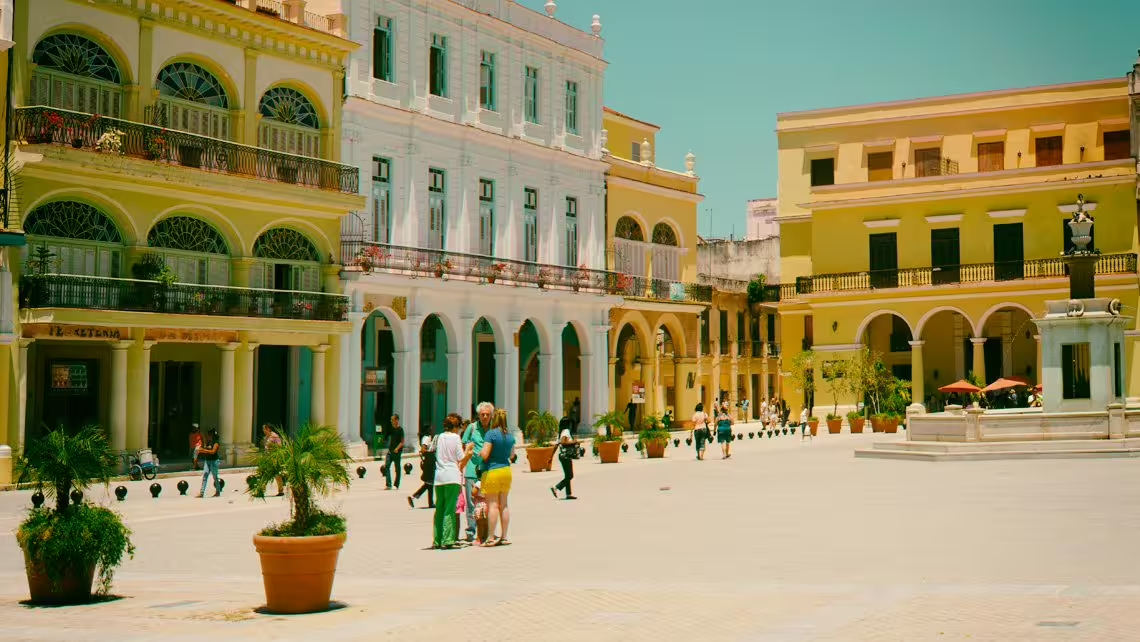
Old Havana, Habana Vieja walking time, Wander the plazas and narrow streets to see the city’s most iconic colonial architecture and daily life, then pause at a café for people watching. Give yourself at least half a day, and consider an early start to enjoy cooler temperatures and softer light for photos.
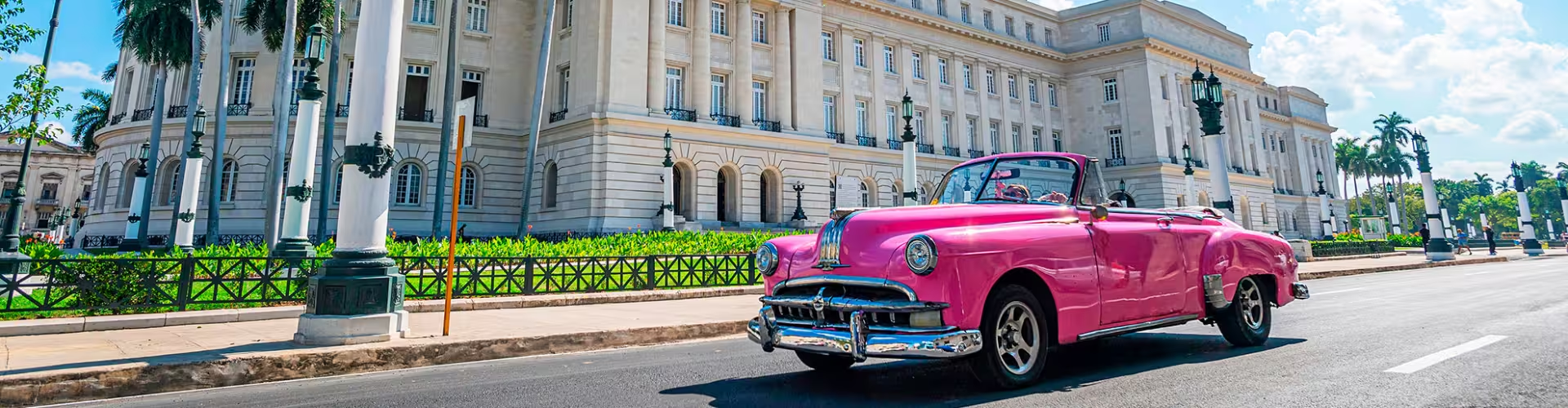
Classic car tour in Havana, A ride in a vintage American car is one of the most memorable ways to grasp Havana’s atmosphere and scale. Aim for late afternoon if you want golden hour views along the Malecón, and agree the route and duration before you start.
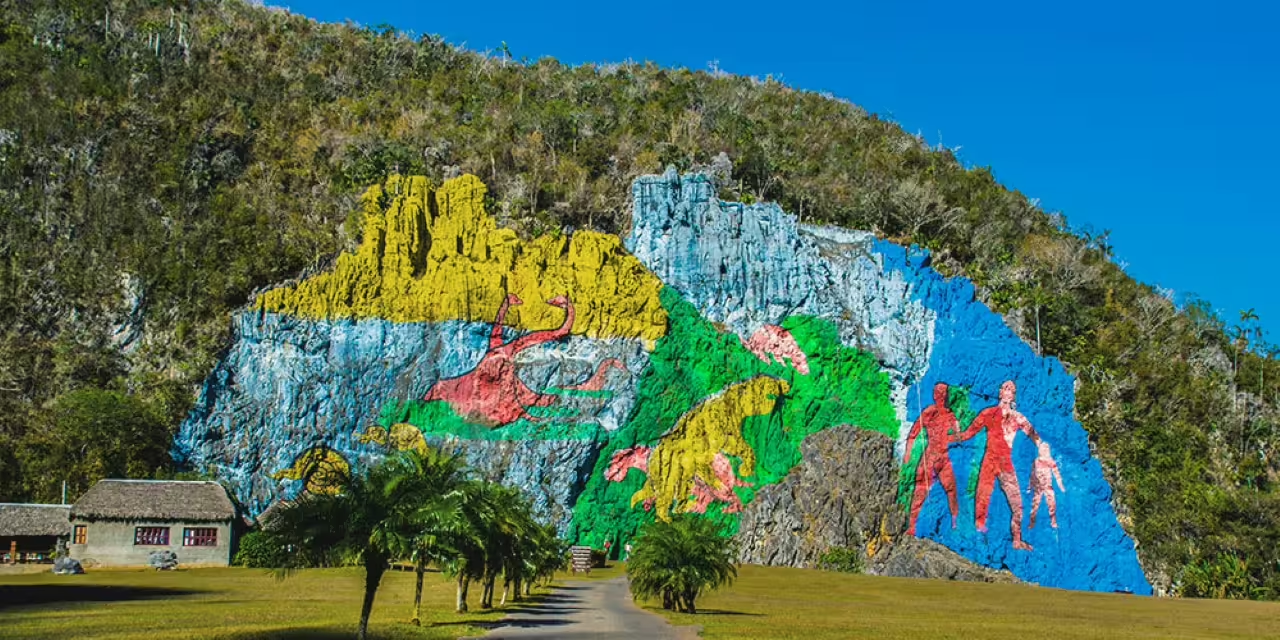
Viñales Valley tobacco farms tour, In Pinar del Río, the landscape shifts to limestone mogotes and patchwork fields, a highlight for first time visitors. A guided visit helps you understand traditional farming and viewpoints, and it is an easy add on to your Travel guide to Cuba planning if you want a nature break from cities.
Trinidad colonial city highlights, Trinidad is prized for cobblestone streets, pastel façades, and a compact historic center that is easy to explore on foot. Plan for at least one night to enjoy the town after day trippers leave, and wear comfortable shoes for uneven streets.
Varadero beach day planning, Varadero is built for classic Caribbean beach time with long stretches of sand and calm water. Go early to secure a good spot, and factor in travel time if you are coming from Havana for a day trip.
Snorkeling in Jardines del Rey cays, The northern cays are known for clear water and resort access to lagoons and reefs. Ask about sea conditions on the day, and choose operators that clearly state what equipment and transfers are included.
Cienfuegos and the Malecón, This coastal city has a distinct feel and a waterfront promenade that is ideal for a relaxed afternoon. Pair it with nearby stops if you are moving between Trinidad and other central regions.
Santiago de Cuba music and culture, In the east, Santiago is associated with deep musical traditions and a different rhythm than the capital. It is best approached as a multi day stop due to distance, and it rounds out a more complete Travel guide to Cuba beyond the western highlights.
Scuba diving in Cuba for beginners, Cuba has areas suited to entry level divers depending on conditions and operator support. If you are new, confirm training level, group size, and what is included, and keep a flexible schedule for weather dependent days.
Morning in Old Havana for plazas and architecture, then a lunch break near the historic center. Mid afternoon, take a Classic car tour in Havana style route along the Malecón for sea views, then finish with live music in the evening where available. This pacing keeps walking manageable while still covering signature city scenes.
Day one focuses on Havana, combining Habana Vieja with neighborhoods you can reach by taxi, plus time for museums or galleries if open and of interest. Day two can be a nature and countryside contrast via Viñales Valley tobacco farms tour, returning to Havana by evening, or swapping in a beach focused option depending on your priorities.
Use day one for Havana’s core sights and a classic car loop, day two for Viñales, and day three to choose between a beach day or a heritage city. If you want a colonial atmosphere, prioritize Trinidad colonial city highlights; if you want pure downtime, prioritize Varadero beach day planning. This three day structure fits many first trips and keeps your Travel guide to Cuba practical without rushing.
Try ropa vieja for slow cooked shredded beef in a savory sauce, often served with rice and beans. Moros y cristianos is a classic rice and black bean pairing that appears across menus and makes an easy, filling choice. Tostones, twice fried plantains, are a reliable side and a good snack when you need something quick.
For seafood, look for simple grilled fish in coastal towns, and ask what is fresh that day. Cuban sandwiches vary by region, so treat them as a casual lunch option rather than a fixed recipe. For drinks, order a mojito or a daiquiri style cocktail when available, and consider guarapo, fresh sugarcane juice, for a non alcoholic option.
Getting around Cuba typically involves a mix of private taxis, shared taxis, and long distance buses between major cities, with domestic flights on some routes. In cities like Havana, short hops are often easiest by taxi, while longer transfers benefit from pre arranged transport if you are tight on time. If you plan to move frequently, build in buffer time for variability in schedules and road conditions.
For safety, keep valuables discreet and confirm prices before starting a ride. Accessibility can vary significantly by hotel, street surface, and transport type, so travelers with mobility needs should confirm step free access and vehicle suitability in advance.
Viñales from Havana, A full day by road, with viewpoints, rural scenery, and farm visits as the main draw. It is a top pick when you want nature without committing to an overnight.
Varadero from Havana, A long but doable beach day if you start early, ideal for swimming and relaxing. It works best when you want a simple, low planning coastal break.
Cienfuegos from Trinidad area, A practical day trip or stopover with waterfront views and a different city atmosphere. Combine it with other central Cuba plans to reduce transit time.
Beach cays in Jardines del Rey, Depending on where you are staying, day access to cay beaches can deliver clear water and snorkeling conditions. Confirm transfers and entry rules with your accommodation or operator.
How many days do I need for a first trip to Cuba?
Many travelers find that three to seven days is a workable range, depending on whether you stay around Havana or add side trips like Viñales, Trinidad, or Varadero. This Travel guide to Cuba can help you prioritize based on how much time you want in transit versus on the ground.
Do I need to pre book tours and activities in Cuba?
For popular experiences such as a Classic car tour in Havana or a Viñales Valley tobacco farms tour, pre booking can help you secure a preferred time and clarify what is included. For flexible sightseeing days, you can often decide closer to the date, but availability can vary.
Which areas are best for history and architecture versus beaches?
For history and architecture, focus on Havana and Trinidad colonial city highlights, both known for walkable streets and heritage ambience. For beaches, Varadero beach day planning and the northern cays are common choices, with snorkeling more likely around cay areas.
What weather should I plan for when building my Cuba itinerary?
Expect warmer, more humid conditions in summer and generally drier, milder conditions in the winter months, though rain can happen year round. If you want to balance comfort and crowds, consider shoulder periods and keep a flexible backup plan for outdoor days, a key step in any Travel guide to Cuba.
Is Cuba easy to navigate if I do not speak Spanish, and what about accessibility?
In major tourist areas, you may find English in hotels and tours, but Spanish helps for day to day logistics like menus and transport negotiations. Accessibility varies widely due to cobblestones, older buildings, and transport types, so it is best to confirm details with providers before you book.