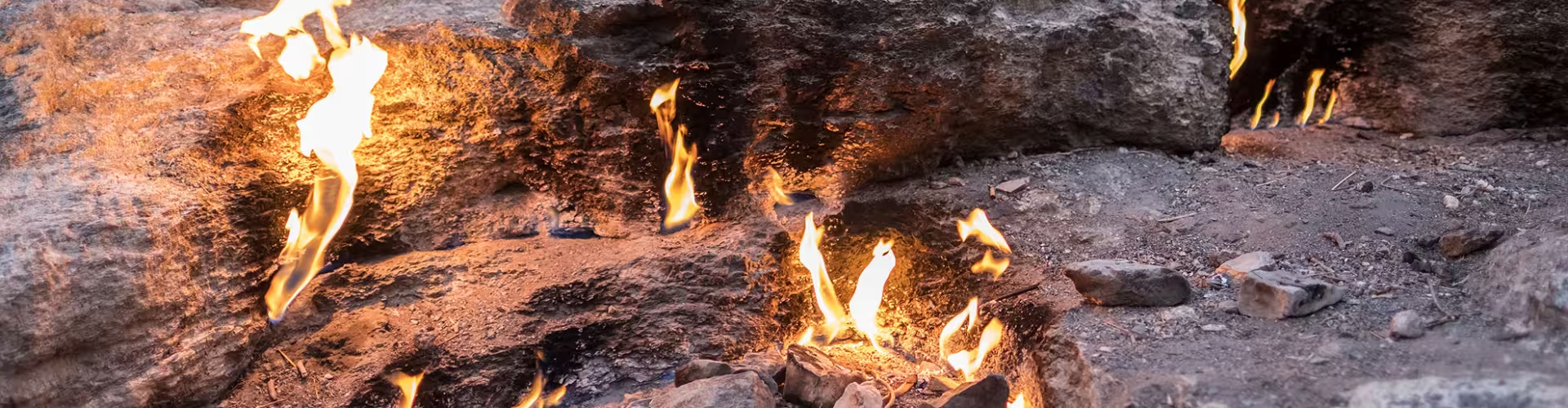


Cirali is one of Turkey's most serene and unspoiled coastal villages, tucked along the Lycian Coast of the Antalya province. This car-free, low-key haven draws travelers seeking a rare blend of natural beauty, ancient ruins, and ecological wonder. With a protected beach, nesting loggerhead sea turtles, and the eternal flames of Chimaera burning on a nearby hillside, Cirali offers an experience unlike anywhere else in the Mediterranean.
Cirali sits approximately 70 kilometers southwest of Antalya, nestled between the Taurus Mountains and the Mediterranean Sea. The village occupies a narrow coastal plain bordered by citrus groves, pine forests, and a 3-kilometer stretch of pebbly beach. The ancient Lycian city of Olympos lies at the southern end of the same beach, making Cirali an ideal base for exploring both nature and history.
The best time to visit is between May and October, when warm temperatures and calm seas make beach life enjoyable. July and August bring the most visitors and the highest temperatures, often exceeding 35 degrees Celsius. For a more tranquil experience, shoulder months like May, June, and September offer pleasant weather with smaller crowds. Winter months see most pensions and restaurants close, as the village enters a quiet, off-season rhythm.
Turkey uses the Turkish Lira (TRY). Cirali is more affordable than nearby resort towns like Kemer or Antalya, though prices have risen in recent years alongside Turkish tourism overall. Budget travelers can find simple pension accommodation and local meals at reasonable prices. Cards are accepted at some establishments, but carrying cash is strongly recommended for smaller guesthouses and market stalls.
Chimaera (Yanartash) Eternal Flames
The Chimaera is a cluster of natural flames that have burned on the rocky slopes of Mount Olympos for thousands of years, fed by methane seeping through the earth. Ancient Greeks and Romans considered this site sacred, and it is associated with the mythological fire-breathing creature. The walk up to the flames takes about 20 to 30 minutes on a well-marked path. Practical Tip: Visit at night for the most dramatic effect, when the flames are clearly visible against the dark hillside.
Ancient City of Olympos
The ruins of Olympos are scattered through a forested gorge at the southern end of the beach, offering a wonderfully atmospheric combination of crumbling walls, sarcophagi, and lush vegetation. The site was once a prosperous Lycian city and later a Roman port. Exploring the ruins takes 1 to 2 hours and requires a small entrance fee. Practical Tip: Wear sturdy shoes, as the terrain is uneven and partially overgrown.
Cirali Beach
The long, pebbly beach stretches nearly 3 kilometers and is one of the few protected nesting sites for Caretta caretta loggerhead sea turtles in Turkey. Swimming, sunbathing, and kayaking are popular activities, but beach access is regulated during nesting season to protect turtle eggs. The water is exceptionally clear and ideal for snorkeling. Practical Tip: Respect marked nesting zones and avoid using flashlights or flash photography near the shoreline at night.
Sea Turtle Watching
Between May and September, loggerhead sea turtles nest along the beach, and hatchlings emerge at night to make their way to the sea. Local conservation groups and the WWF monitor nesting activity and sometimes offer guided observation sessions. This is a rare and deeply moving wildlife experience. Practical Tip: Contact local conservation volunteers for information on responsible turtle watching opportunities.
Hiking the Lycian Way
The famous Lycian Way long-distance trail passes through or near Cirali, offering access to dramatic coastal scenery, mountain villages, and ancient ruins. Day hikes from the village can lead to viewpoints above the beach or into the pine-forested hills. The trail is well-marked with red and white blazes. Practical Tip: Start early in summer to avoid midday heat, and carry at least 1.5 liters of water per person.
Kayaking and Snorkeling
The calm, sheltered waters off the beach are well suited to kayaking, paddleboarding, and snorkeling. Several small operators along the beach rent equipment at reasonable rates. The underwater visibility is excellent, and rocky outcrops near the shoreline support diverse marine life. Practical Tip: Mornings typically offer calmer conditions and better visibility for snorkeling.
Orange Grove Walks
The village is flanked by working orange and lemon groves, which are a distinctive part of its agricultural identity. Walking through these groves, especially in spring when the blossoms are fragrant, is a simple and memorable pleasure. Some guesthouses serve fresh-squeezed juice from their own trees. Practical Tip: Ask your pension host if you can walk through the adjacent groves, as many are happy to allow it.
Begin the morning with a walk along the beach and a swim in the clear Mediterranean water. After lunch at a beachside restaurant, head to the ruins of Olympos for an afternoon exploration. As evening falls, join a guided walk up to the Chimaera flames and enjoy the atmospheric spectacle after dark before returning to the village for dinner.
Spend day one relaxing on the beach, snorkeling, and exploring the village. On day two, devote the morning to a longer hike along the Lycian Way to a coastal viewpoint, returning for a late lunch. In the afternoon, visit the Olympos ruins and end the evening at the Chimaera. On day three, rent a kayak in the morning, visit a local orange grove, and spend the final afternoon browsing the small market and sampling local produce before departing.
Gozleme: A savory Turkish flatbread filled with cheese, spinach, or minced meat, cooked fresh on a griddle. Several village women prepare this dish at roadside stalls. Order directly from the cook and eat it warm.
Meze Platters: A selection of small cold and warm dishes including hummus, ezme (spiced tomato and pepper dip), stuffed vine leaves, and fried vegetables. Ideal for sharing and pairing with local bread. Ask for a mixed meze selection at any sit-down restaurant.
Fresh-Grilled Fish: The proximity to the sea means fresh sea bass, sea bream, and red mullet are commonly available. Grilled simply with olive oil, lemon, and herbs, the fish is the standout dish of the region. Ask which fish arrived that day before ordering.
Cig Kofte: Spiced bulgur wheat rolls served in a lavash wrap with pomegranate molasses and fresh herbs. This is a popular street snack throughout Turkey and widely available in the village. It is vegetarian and satisfying as a light lunch.
Orange Juice and Citrus Preserves: Given the abundance of citrus groves, fresh-squeezed orange juice is ubiquitous and excellent. Local guesthouses often serve homemade orange preserves at breakfast. Look for small jars sold at village stalls as edible souvenirs.
Ayran: A chilled yogurt drink with a slightly salty taste, served as a refreshing accompaniment to grilled meats and wraps. It is available everywhere and extremely affordable. Pair it with any grilled main course for an authentic experience.
Cirali is not directly served by intercity buses, and the approach requires a transfer. From Antalya, travelers take a bus or dolmus (shared minibus) to Kumluca or Kemer, then catch a local minibus or taxi down the winding road to the village. The final descent is about 8 kilometers on a narrow mountain road. Driving your own rental car is the most convenient option and allows flexibility for day trips. Within the village, walking and cycling are the primary modes of transport, contributing to the area's relaxed atmosphere.
Phaselis: A beautifully preserved ancient Lycian and Roman city located about 25 kilometers north, with three natural harbors and extensive ruins set among pine trees. The site includes a colonnaded main street, bathhouses, and an aqueduct. It is one of the most scenic archaeological sites on the Turkish coast.
Kemer: A larger resort town about 35 kilometers north, offering a wider range of shops, restaurants, and a marina. It serves as a useful base for accessing boat tours along the coast. Day trips here allow travelers to stock up on supplies while still returning to the quieter atmosphere of Cirali.
Ulupinar Trout Restaurants: A cluster of outdoor restaurants set along a mountain stream in the hills above Cirali, famous for serving fresh trout in a cool, forested setting. This is a popular lunch destination for both locals and visitors. The drive up through the mountains is scenic in itself.
Goynuk Canyon: A spectacular natural gorge located about 40 kilometers north, where visitors can hike, swim, and cliff jump in clear turquoise waters. The canyon is accessible via a short walk from the parking area and is suitable for most fitness levels. It offers a refreshing contrast to beach days.