
Build your dream
experience

More to know about Babakale
Babakale Travel Guide
Snapshot
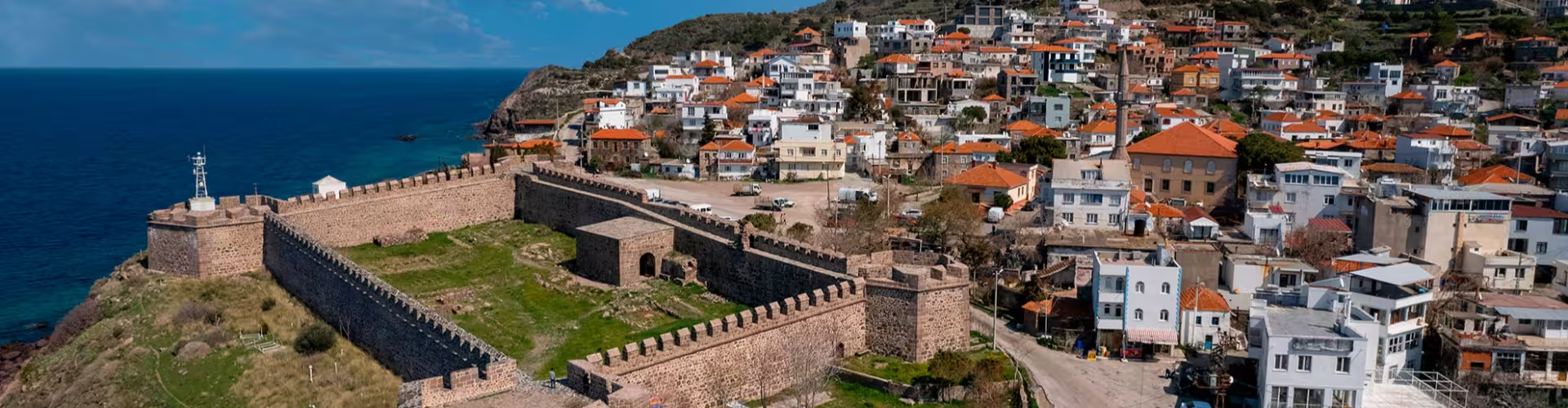
Babakale is one of the most remote and rewarding destinations on the Aegean coast of Turkey, a tiny fishing village perched at the westernmost tip of Asia. The village is crowned by a well-preserved Ottoman fortress that overlooks crystal-clear turquoise waters and a rocky shoreline virtually untouched by mass tourism. For travellers seeking solitude, history, and raw natural beauty, this is a destination that genuinely delivers.
Geography and Logistics
Orientation
Babakale sits at the southwestern tip of the Biga Peninsula in Canakkale Province, northwestern Turkey. It is part of the district of Ayvacik and lies roughly 90 kilometres south of Canakkale city. The village overlooks the Aegean Sea and sits close to the ancient ruins of Alexandria Troas, placing it within a region of exceptional historical density.
When to Go
The best time to visit is between late April and early October, when the weather is warm and the sea is calm enough for swimming. July and August bring the most sunshine but also the most domestic visitors. Spring and early autumn offer cooler temperatures, fewer crowds, and a quieter, more authentic atmosphere that suits independent travellers best.
Budget and Currency
Turkey uses the Turkish Lira (TRY). Babakale is an extremely affordable destination by any standard, with simple guesthouses and family-run restaurants offering excellent value. Card payments may not be accepted everywhere, so carrying cash is strongly recommended. ATMs are not available in the village itself, so withdraw money in Ayvacik or Canakkale before arriving.
Essential Things to Do
Babakale Castle (Babakale Kalesi): This 18th-century Ottoman fortress is the defining landmark of the village and one of the best-preserved coastal castles in the region. Built under Sultan Mahmud I, it guards the westernmost point of the Asian continent. The castle walls offer sweeping views over the Aegean and the Greek island of Lesbos on clear days. Practical Tip: Visit at sunset for dramatic lighting and fewer visitors.
The Village Harbour: The small fishing harbour is the social heartbeat of the village, lined with colourful wooden boats and simple tea houses. Watching fishermen bring in their daily catch in the early morning is a genuinely memorable experience. The harbour is also the best spot to arrange a boat trip along the coast. Practical Tip: Arrive before 7am to see the morning catch come in.
Swimming at Babakale Beach: The beaches around the village are pebbly and wild, with clear shallow water ideal for snorkelling. Unlike the resort beaches further south, these shores feel completely unspoiled. The rocky outcrops around the castle create natural pools perfect for a quiet afternoon swim. Practical Tip: Bring water shoes as the seabed can be rocky.
Alexandria Troas Ruins: Located approximately 30 kilometres north, these sprawling Roman ruins are among the most atmospheric and least-visited ancient sites in Turkey. The site includes a massive bath complex, city walls, and a harbour. The sheer scale of what remains standing is humbling, and the surrounding pine forest adds to the mystique. Practical Tip: Combine with a drive along the coastal road for a full day out.
Cape Baba (Baba Burnu): The headland just beyond the castle marks the westernmost point of the Asian continent, a geographical fact that gives the spot a unique significance. It is a short walk from the village centre and offers unobstructed views across the Aegean. The cape is especially striking in the golden hour before sunset. Practical Tip: There is no formal viewing platform, so wear sturdy shoes for the rocky path.
Boat Trips Along the Coast: Local fishermen offer informal boat tours along the rugged coastline south toward Assos and north toward the peninsula's coves. These trips are an excellent way to discover hidden bays accessible only by sea. Prices are negotiable and tours typically last two to four hours. Practical Tip: Agree on price and duration before boarding.
Birdwatching on the Biga Peninsula: The peninsula is a significant migratory corridor for birds travelling between Europe and Africa. Spring and autumn bring spectacular raptor migrations overhead. The olive groves and scrubland around the village are also home to numerous resident species. Practical Tip: Bring binoculars and visit the headland at dawn for the best sightings.
Curated Itineraries
The Highlights (1 Day)
Begin the morning at the harbour to watch the fishing boats return. Walk up to the castle and explore the ramparts before the midday heat. Spend the early afternoon swimming near the castle walls, then take a short walk out to Cape Baba before the sun drops. End the day at a waterfront restaurant with fresh grilled fish and a glass of local raki.
Deep Dive (2 to 3 Days)
On day one, explore the village at leisure including the harbour, castle, and beach. On day two, hire a car or join a local boat trip south to Assos, one of Turkey's most beautiful ancient sites, and spend the evening in the charming village of Behramkale above it. On day three, drive north to Alexandria Troas in the morning and stop at the peninsula's olive oil villages on the return journey to experience the slower pace of rural Aegean life.
Flavors of Babakale
Grilled Sea Bass (Levrek Izgara): Freshly caught and simply grilled over charcoal, sea bass is the signature dish of every waterfront restaurant here. It is typically served with a salad of tomatoes, cucumber, and wild herbs. Order it whole for the best flavour.
Stuffed Mussels (Midye Dolma): The Aegean coast is famous for its mussels, and the version here filled with spiced rice, pine nuts, and currants is outstanding. They are sold as street food and as a starter in local restaurants. Squeeze lemon generously before eating.
Olive Oil Dishes (Zeytinyagli Yemekler): The Biga Peninsula produces exceptional olive oil, and local cooks use it liberally in dishes of slow-cooked vegetables, beans, and wild greens. These cold dishes are served at room temperature and are perfect for a light lunch.
Aegean Herb Salad (Ot Salatasi): A rustic salad of wild herbs, purslane, and rocket dressed with olive oil and lemon juice. The ingredients vary by season and whatever the cook has gathered that morning. Ask for the daily herb salad rather than ordering from a fixed menu.
Turkish Tea (Cay): No experience in this village is complete without sitting at the harbour tea house with a glass of strong black tea. It is served in small tulip-shaped glasses and refills are expected. This is also the best way to strike up conversation with locals.
Raki: Turkey's anise-flavoured spirit is the classic companion to fresh fish and meze. It is served with water and ice, turning cloudy when mixed. Sip slowly and pace yourself as the tradition demands a long, unhurried meal.
Navigation and Transport
There is no direct bus service to the village itself. The nearest transport hub is Ayvacik, which is served by dolmus minibuses from Canakkale. From Ayvacik, local minibuses run to Babakale on a limited schedule, primarily in the morning and afternoon. Renting a car in Canakkale is strongly recommended for flexibility, as the surrounding area rewards exploration by road. The coastal drive from Canakkale south through the peninsula is scenic and well-paved.
Beyond the Center: Day Trips
Assos (Behramkale): One of Turkey's most celebrated ancient cities, Assos sits on a volcanic hilltop above a perfect harbour village. The Temple of Athena dates to the 6th century BC and offers views across to the Greek island of Lesbos. The lower harbour is lined with stone-built hotels and excellent fish restaurants.
Canakkale and Gallipoli: The provincial capital offers museums, a lively waterfront, and ferry connections to the Gallipoli Peninsula, the site of the pivotal World War One campaign. The Gallipoli battlefields and memorials are among the most moving historical sites in Turkey and warrant a full day.
Troy (Truva): The legendary site of the Trojan War lies north of Canakkale and is a UNESCO World Heritage Site. Nine successive layers of civilisation have been excavated here over more than a century. The museum opened in 2018 is genuinely world-class and reframes the entire site.
Kucukkuyu and Adatepe: The charming town of Kucukkuyu to the south is a quieter alternative base with good restaurants and a small marina. The hilltop village of Adatepe above it is an exceptionally preserved Ottoman stone village surrounded by ancient olive groves and offers a fine museum dedicated to olive oil culture.
Insider Tips for Travellers
- Accommodation in the village is extremely limited. Book well in advance for summer visits, especially July and August.
- There are no ATMs in the village. Bring sufficient cash from Ayvacik or Canakkale before arriving.
- The village largely shuts down outside of the main season. Confirm opening dates of guesthouses and restaurants before travelling in spring or autumn.
- Mobile signal can be weak. Download offline maps before arriving and note your accommodation address in advance.
- The castle does not always have formal opening hours. The exterior walls and surrounding area are freely accessible at any time.
- Bring sunscreen, a hat, and plenty of water. The rocky landscape offers little shade during the hottest part of the day.
- Respect the pace of village life. This is not a resort destination and locals appreciate quiet, considerate visitors.
- The road from Ayvacik involves some winding mountain sections. Drive carefully, especially at night.
Frequently Asked Questions
Q: Where exactly is Babakale located?
A: Babakale is located at the southwestern tip of the Biga Peninsula in Canakkale Province, northwestern Turkey. It marks the westernmost point of the Asian continent.
Q: Is the castle in Babakale open to visitors?
A: The castle exterior and surrounding area are generally accessible at all times. Formal interior access and opening hours can vary by season, so it is worth checking locally on arrival.
Q: How do I get to Babakale from Canakkale?
A: The most practical option is to rent a car in Canakkale and drive south through Ayvacik. Dolmus minibuses run between Ayvacik and Babakale but operate on a limited schedule.
Q: What is the best time of year to visit?
A: Late April through early October is ideal. Spring and early autumn offer the best balance of pleasant weather, calm seas, and fewer visitors compared to the busy July and August peak.
Q: Are there hotels or guesthouses in the village?
A: There are a small number of family-run guesthouses and pansiyons in the village, but accommodation is limited. Booking in advance is essential during summer months to secure a room.
Babakale is a small coastal village in Canakkale Province, northwestern Turkey, situated at the westernmost point of the Asian continent on the Biga Peninsula. It lies approximately 90 kilometres south of Canakkale city within the Ayvacik district. The surrounding region is historically rich, encompassing the ruins of Alexandria Troas, the ancient city of Assos, and proximity to the Gallipoli Peninsula and Troy. The Aegean coastline here is largely undeveloped, making Babakale one of the few remaining unspoiled fishing settlements on Turkey's western seaboard.
Coastal Village, Historical Destination, Aegean Turkey, Ottoman Heritage, Nature and Solitude