Explore Tours

Build your dream
experience

More to know about Kars Province
Kars Province Travel Guide
Snapshot
Kars Province is one of Turkey's most remote and rewarding destinations, sitting at the northeastern edge of Anatolia where history, wilderness, and culture converge in extraordinary ways. This high-plateau region is home to the haunting ruins of Ani, medieval fortresses, and some of the most dramatic winter landscapes in the country. Whether you are drawn by archaeology, gastronomy, or raw natural beauty, Kars delivers an experience unlike anywhere else in Turkey.
Geography and Logistics
Orientation
Kars Province borders Georgia to the north and Armenia to the east, positioned on a vast volcanic plateau at an elevation of roughly 1,750 meters. The provincial capital, Kars city, serves as the main hub for exploring the region. The terrain is characterized by rolling steppes, river canyons, ancient stone bridges, and snow-capped peaks that dominate the horizon for much of the year.
When to Go
Summer (June to September) offers mild temperatures, blooming meadows, and the best conditions for visiting outdoor sites like Ani. Winter transforms the region into a snow-covered landscape that is visually stunning but demands proper preparation for cold. Spring and autumn are quieter shoulder seasons with pleasant conditions and fewer crowds.
Budget and Currency
The local currency is the Turkish Lira (TRY). Kars is one of Turkey's more affordable destinations, with budget accommodation available from around 300-500 TRY per night and local meals priced well below national urban averages. ATMs are available in Kars city center, but carrying cash is advisable when venturing into rural areas.
Essential Things to Do
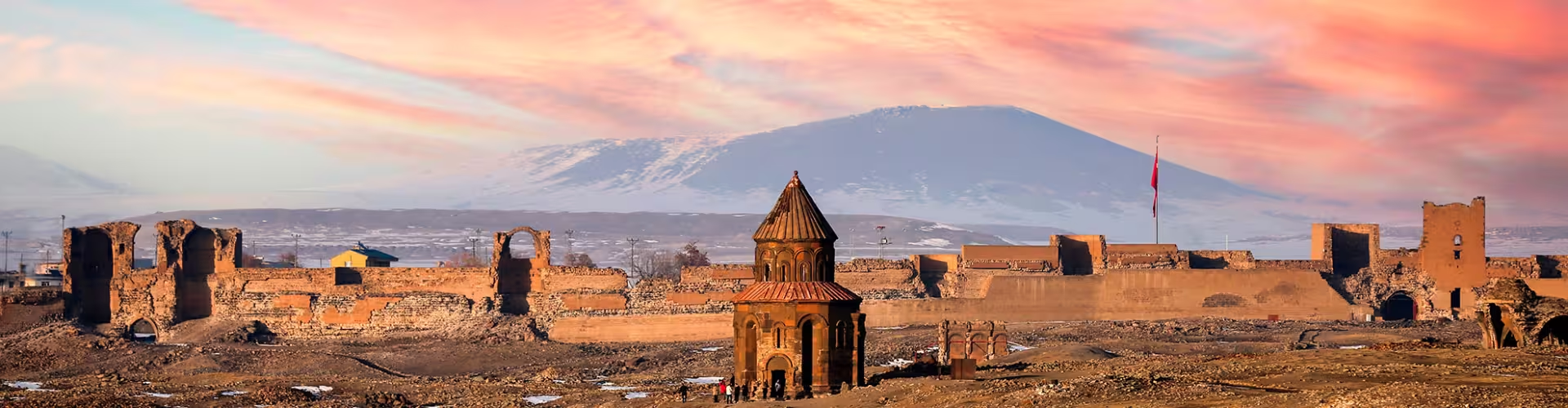
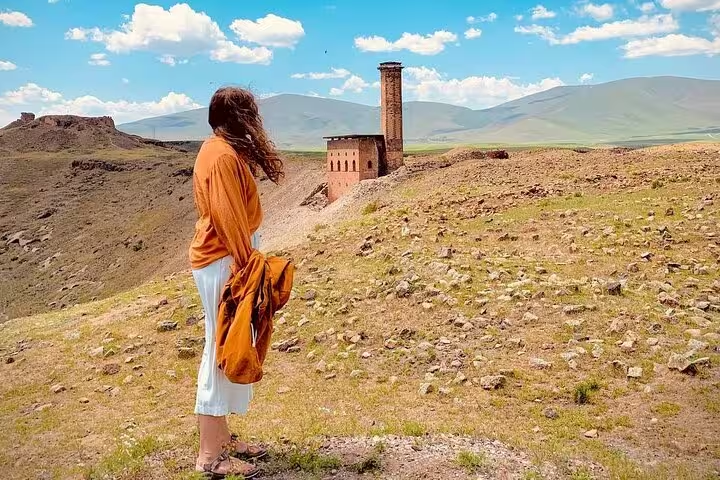
Ani Archaeological Site: The ancient city of Ani, once the capital of the Bagratid Armenian Kingdom and a Silk Road metropolis of over 100,000 people, now stands as one of Turkey's most evocative ruins. Crumbling churches, a cathedral, caravanserais, and defensive walls stretch dramatically along the edge of the Akhurian River gorge. The site is a UNESCO World Heritage property and demands at least two to three hours to explore properly. Practical Tip: Arrive early in the morning to avoid midday heat in summer and to photograph the ruins in golden light.
Kars Castle: Overlooking the city from a rocky hill, Kars Castle has roots stretching back to the medieval period, with significant reconstruction carried out during Russian imperial rule in the 19th century. The views over the city and surrounding steppe from the battlements are outstanding. The interior grounds include a small mosque and atmospheric stone walkways. Practical Tip: Entrance is free and the castle is open most daylight hours; combine it with a walk through the old Russian-era district below.
Kars Museum: The city's archaeological and ethnographic museum houses artifacts from Ani and surrounding sites, offering essential context before or after visiting the ruins. Exhibits span Urartian, Armenian, Byzantine, Seljuk, and Ottoman periods. The collection is modest in size but high in historical significance. Practical Tip: Hire a local guide at the museum entrance for a more informed visit to Ani afterward.
Cildir Lake: Turkey's third-largest freshwater lake sits at 1,959 meters altitude near the Georgian border and is spectacular in every season. In winter, the frozen surface becomes a venue for horse-drawn sleigh rides, a uniquely memorable experience. In summer, the surrounding wetlands attract birdwatchers and hikers. Practical Tip: Book sleigh rides in advance during January and February as demand from domestic tourists is high.
Sarikamish Pine Forests: The forested hills around Sarikamish offer a striking contrast to the open steppe that defines most of the province. The area is also a ski resort destination in winter, with runs suitable for beginner and intermediate skiers. The forests carry deep historical weight as the site of the devastating Ottoman-Russian Battle of Sarikamish in 1914 to 1915. Practical Tip: The ski season typically runs from December through March; accommodation in Sarikamish books up fast on weekends.
Akhurian River Canyon: The deep canyon carved by the Akhurian River forms the natural border between Turkey and Armenia and provides a dramatic backdrop to the Ani ruins. Walking along the canyon rim reveals medieval bridges, cave churches, and geological formations of volcanic origin. The light in the canyon shifts beautifully throughout the day. Practical Tip: Stay on marked paths near the canyon edge for safety, particularly in wet or icy conditions.
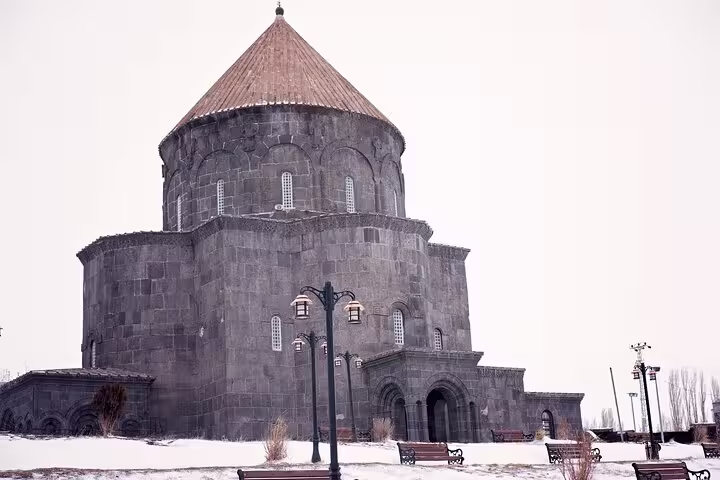
Russian-Era Architecture: The streets of Kars city are lined with distinctive late 19th-century stone buildings constructed during the Russian Imperial period (1878 to 1918). The grid-planned old town feels unlike any other city in Turkey and has drawn comparisons to parts of the Caucasus. Walking tours of this district offer a fascinating urban history lesson. Practical Tip: Pick up a simple walking map from the tourism office on Faik Bey Caddesi for a self-guided architectural tour.
Curated Itineraries
The Highlights (1 Day)
Begin the morning at Kars Castle for panoramic views over the city. Descend into the Russian-era district for a short walking tour and a traditional breakfast with local cheese and honey. Drive to Ani for a two to three hour exploration of the ruins, ideally arriving before noon. Return to Kars in the late afternoon and visit the Kars Museum before dinner in the city center.
Deep Dive (2 to 3 Days)
Day one follows the highlights itinerary above. On day two, drive north to Cildir Lake for the morning, taking in the landscape and local villages. Continue toward the Georgian border area for a scenic loop before returning to Kars. On day three, head to Sarikamish for the pine forests and, depending on the season, skiing or hiking. Stop at the Sarikamish Memorial Cemetery on the way back to reflect on the area's complex military history.
Flavors of Kars Province
Kars Kashar Cheese: Perhaps the region's most famous product, this semi-hard yellow cheese is aged and produced using traditional methods that date back generations. It is enjoyed at breakfast, melted over bread, or eaten as a standalone snack. Look for it at local markets and take some home vacuum-packed as a souvenir.
Kars Honey: The plateau's wildflower meadows produce some of Turkey's finest honey, with local varieties including buckwheat and highland flower blends. It is served at breakfast alongside cheese and clotted cream. Purchase directly from producers at the weekly market for the best quality.
Goose Dishes: The region has a long tradition of goose farming, and slow-roasted or braised goose appears on menus in autumn and winter. It is rich, hearty, and perfectly suited to the cold climate. Ask at local lokantas whether goose is available as it is not always on standard menus.
Cag Kebab: Originating in nearby Erzurum but popular throughout the northeast, cag kebab features marinated lamb cooked on a horizontal rotisserie and served on flatbread with onions and herbs. It is a must-order at any traditional kebab house in the city.
Tutmac Corbasi: This traditional noodle and lentil soup is a staple of northeastern Anatolian cuisine and deeply warming after a cold day outdoors. It is topped with browned butter and dried mint. Order it as a starter at local restaurants in cooler months.
Ayran and Local Tea: The cold, frothy yogurt drink ayran pairs well with grilled meats and is available everywhere. Local tea, served in small tulip glasses, is the social lubricant of every transaction and conversation in Kars.
Navigation and Transport
Kars city is served by Kars Airport with direct flights to Istanbul and Ankara. Long-distance buses connect Kars to Erzurum, Trabzon, and other major cities, though journey times are significant given the distances involved. Within the province, renting a car is strongly recommended as public transport between rural sites is limited. Taxis and minibuses (dolmus) operate within the city and on some intercity routes.
Beyond the Center: Day Trips
Ardahan Province: The neighboring province of Ardahan to the west offers additional highland scenery, the spectacular Seytan Kalesi (Devil's Castle) ruins, and access to the Kura River valley. It is relatively undiscovered and rewards independent travelers with quiet roads and dramatic landscapes.
Igdir and Mount Ararat: A longer day trip or overnight excursion southeast leads to Igdir Province and the base of Mount Ararat, Turkey's highest peak and a symbol of immense cultural and religious significance. The journey passes through striking semi-arid terrain quite different from the Kars plateau.
Posof and the Georgian Border: The northern edge of the province near Posof district borders Georgia and offers scenic highland passes, old trade routes, and small villages where traditional Caucasian influences remain evident in local culture and architecture.
{{check-circle}} Insider Tips for Travellers
- Pack layers regardless of the season. Temperatures on the plateau can drop sharply after sunset even in midsummer.
- Book accommodation well in advance if visiting during the winter holiday season or major Turkish public holidays.
- Ani requires a separate entry ticket purchased on-site. Carry cash as card readers are not always reliable.
- Local guides at Ani are knowledgeable and affordable. A guided visit dramatically enhances understanding of the site's layered history.
- Photography at Ani is spectacular but be aware that some areas close to the Armenian border require you to stay within marked zones.
- Try to visit the Saturday market in Kars city for a vivid snapshot of local life, fresh produce, and handmade goods.
- Mobile coverage outside Kars city can be patchy. Download offline maps before venturing into rural areas.
- The Turkish tourism office in the city center provides free brochures and can arrange licensed guides for the province.
Frequently Asked Questions
- How do I get to Kars from Istanbul?
- The fastest option is a direct flight from Istanbul to Kars Airport, which takes approximately two hours. Buses are available but involve a journey of over 20 hours. Domestic flights are affordable and frequently available from both Sabiha Gokcen and Ataturk-era airports.
- Is Ani open to visitors year-round?
- Yes, Ani is generally open to visitors throughout the year, though winter visits require careful planning due to snow and icy paths. Kars Province experiences heavy snowfall between December and March, which can make access to the site more challenging but also extraordinarily atmospheric.
- What is the best time of year to visit Kars for winter scenery?
- January and February offer the most reliable snow coverage, making this the ideal window for experiencing Cildir Lake's frozen surface and sleigh rides. Sarikamish ski resort is also at its best during this period.
- Is Kars Province safe for solo travelers?
- Kars Province is considered safe for solo travelers, including solo women, by Turkish standards. The local population is known for its hospitality toward visitors. Standard travel precautions apply, particularly when driving on rural roads in winter conditions.
- What currency and payment methods are accepted in Kars?
- The Turkish Lira is the accepted currency. Card payments are accepted at hotels and some larger restaurants in the city, but rural sites, local markets, and smaller eateries typically operate on a cash-only basis. Withdraw sufficient cash before leaving Kars city.
Kars Province is located in northeastern Turkey at an elevation of approximately 1,750 meters on a high volcanic plateau, bordering Georgia to the north and Armenia to the east. The provincial capital, Kars city, is the main gateway for the region. The area is known for its extreme continental climate, UNESCO-listed ruins at Ani, Russian imperial urban heritage, and highland ecosystems. It sits within a broader South Caucasus cultural and geographic context and represents a crossroads of Armenian, Russian, Ottoman, and Turkic historical influences.
Destination Guide, Northeastern Turkey, Cultural Heritage, Archaeological Sites, Winter Travel, UNESCO World Heritage, Gastronomy, Outdoor Adventure