
Build your dream
experience

More to know about Kemaliye
Kemaliye Travel Guide
Snapshot
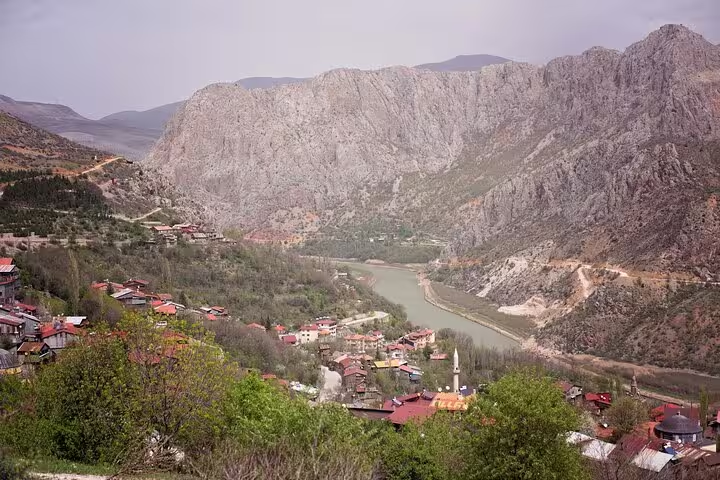
Kemaliye is one of eastern Turkey's most enchanting hidden gems, a small historic town carved into dramatic canyon walls along the Euphrates River in Erzincan province. With its Ottoman-era stone architecture, vertiginous rock tunnels, and lush river valleys, it offers a travel experience that feels entirely untouched by mass tourism. Visitors arrive expecting a quiet village and leave with memories of one of Anatolia's most visually arresting landscapes.
Geography and Logistics
Orientation
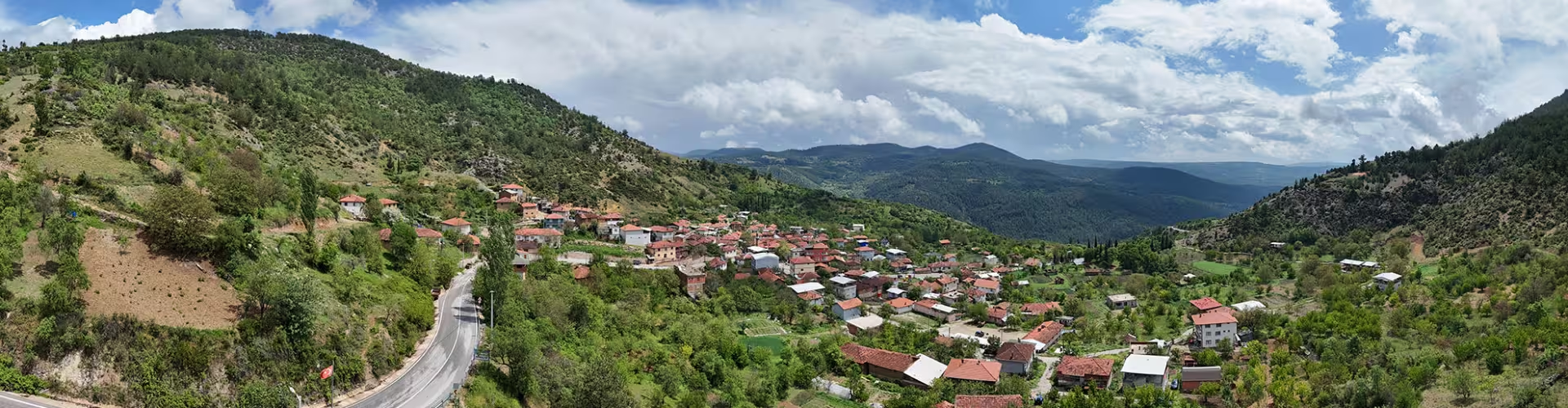
Kemaliye, formerly known as Egin, sits in a deep river gorge in eastern Anatolia, approximately 115 kilometres south of Erzincan city. The town is surrounded by towering cliffs, forested hillsides, and the winding Euphrates, creating a natural amphitheatre that has shaped its culture and architecture for centuries. Its remote location means it sees far fewer visitors than Turkey's western destinations, which is precisely its appeal.
When to Go
The best time to visit is between May and October, when the weather is warm, the river valleys are lush, and the trekking routes are fully accessible. Spring brings wildflowers and rushing waterfalls, while summer offers long days ideal for canyon exploration. Winters are harsh and some roads may become impassable due to snow.
Budget and Currency
Turkey uses the Turkish Lira (TRY). Kemaliye is an exceptionally affordable destination even by Turkish standards. Budget travellers can manage comfortably on 300 to 500 TRY per day including accommodation, meals, and local transport. ATMs are limited so carrying cash from Erzincan is strongly advised.
Essential Things to Do
Explore the Rock Tunnels (Taş Tünel)
The hand-carved rock tunnels connecting the town to surrounding villages are among the most remarkable feats of local engineering in all of Anatolia. Carved by local craftsmen over centuries, these narrow passages cut directly through cliff faces and are still in active use today. Walking through them offers a visceral connection to the ingenuity of past generations. Practical Tip: Bring a torch for the darker sections and wear sturdy footwear as the paths can be uneven.
Walk the Euphrates Canyon
The Karanlık Kanyon, or Dark Canyon, is a breathtaking gorge cut by the Euphrates River, offering one of Turkey's most dramatic short hikes. The trail winds along narrow ledges above turquoise water, passing through tunnels and over wooden bridges. The scenery shifts constantly between shadow and light, creating an almost otherworldly atmosphere. Practical Tip: The canyon trail is best attempted in the morning when light filters through the gorge at its most spectacular angle.
Visit the Old Town Stone Houses
The historic quarter of the town is lined with traditional Ottoman-era stone houses, many of which have been restored as boutique guesthouses or small museums. The architectural style blends Anatolian vernacular building with the pragmatic demands of steep hillside terrain. Wandering the narrow cobbled streets requires no plan and rewards curiosity at every turn. Practical Tip: Many homeowners welcome respectful visitors, and some offer homemade tea as you explore.
Swim or Picnic at the Euphrates Banks
The river banks accessible from the town provide natural picnic spots beloved by local families, particularly on weekends. The water is cold and clear, ideal for a refreshing swim during the summer months. Shaded areas beneath old plane trees make for deeply relaxing afternoon stops. Practical Tip: Arrive early on weekends to secure the best spots along the water.
Hike to Surrounding Villages
Several traditional villages dot the hillsides above the town and are connected by old mule paths that now serve as scenic trekking routes. Each village has its own character, from abandoned stone churches to working farms producing local honey and cheese. The views from the higher paths across the canyon are genuinely spectacular. Practical Tip: Ask locally about current trail conditions as some paths require seasonal maintenance.
Discover the Local Museum
A small but thoughtfully curated local museum documents the town's pre-Republican history, including its significant Armenian and Greek cultural heritage alongside Ottoman-era artefacts. It provides essential context for understanding the layered identity of this region. Plan to spend at least an hour here before exploring the old town. Practical Tip: The museum is closed on Mondays, so plan your visit accordingly.
Curated Itineraries
The Highlights (1 Day)
Begin the morning with a walk through the old stone quarter, stopping for breakfast at a local kahvalti spot serving fresh bread, honey, and village cheeses. Head to the rock tunnels by mid-morning and explore the canyon trail before the afternoon heat builds. Return to town for a riverside lunch, then visit the local museum in the early afternoon. Finish the day with a sunset walk along the Euphrates banks.
Deep Dive (2 to 3 Days)
On day one, follow the highlights itinerary above at a relaxed pace. Dedicate day two to hiking the village trails above the canyon, packing a picnic lunch to enjoy at a viewpoint. On day three, arrange a local guide for a deeper exploration of lesser-known tunnels and historical ruins in the surrounding valleys. Evening meals at local family-run restaurants round out each day perfectly.
Flavors of Kemaliye
Kemaliye Tarhana Soup: A tangy, fermented soup made from dried tarhana paste, this is a regional staple and soul-warming dish. Order it at any local lokanta for an authentic introduction to eastern Anatolian home cooking.
Village Honey: The surrounding highlands produce some of Turkey's finest wildflower honey. Buy directly from local producers or at small market stalls for the freshest varieties.
Manti (Turkish Dumplings): Hand-rolled and filled with spiced minced meat, manti here are smaller and denser than the western Turkish version. They are typically served with garlic yoghurt and a drizzle of red pepper butter.
Stuffed Grape Leaves (Yaprak Sarma): Made with locally foraged grape leaves and a filling of rice, herbs, and occasionally minced lamb. A common offering at guesthouses and family restaurants alike.
Fresh Trout: Sourced from the cold mountain streams feeding into the Euphrates, grilled trout is a menu staple. It is best ordered simply, with lemon and a side of bulgur pilaf.
Ayran: The chilled yoghurt drink is the default table beverage across eastern Turkey. It pairs perfectly with everything on this list and provides welcome relief on warm summer days.
Navigation and Transport
Reaching the town requires planning, as there is no direct rail or air connection. The most practical route is to fly into Erzincan Airport and then take a minibus (dolmus) south toward the Euphrates canyon region. The journey from Erzincan takes approximately two to three hours depending on road conditions. Private hire vehicles from Erzincan offer greater flexibility and are reasonably priced when shared among a small group. Within the town itself, everything is walkable, though some canyon trail access points may require a short taxi or dolmus ride.
Beyond the Center: Day Trips
Erzincan City: The provincial capital offers a broader range of accommodation, restaurants, and a well-regarded archaeological museum. It serves as a natural base for those who prefer more urban comforts while day-tripping into the canyon region.
Altintepe (Golden Hill): An ancient Urartian fortress site located near Erzincan, Altintepe dates to the 8th century BC and contains royal tomb chambers and striking stonework. It is a compelling stop for history enthusiasts travelling in the region.
Munzur Valley National Park: Located to the south in Tunceli province, this national park offers pristine wilderness, cold rivers, and significant biodiversity. The drive through the Munzur mountains is itself a highlight worth the journey.
{{check-circle}} Insider Tips for Travellers
- Cash is essential. The nearest reliable ATM may be in Erzincan, so withdraw sufficient funds before departing the city.
- Local guesthouses often include breakfast and dinner in their room rates. Ask when booking to avoid missing out.
- The rock tunnels can be slippery after rain. Non-slip footwear is strongly recommended.
- Mobile network coverage is patchy in the canyon. Download offline maps before arrival.
- Dress modestly when walking through the residential old town out of respect for the predominantly conservative local community.
- The best photographs of the canyon are taken in the early morning light before mist burns off the river.
- Local guides can be arranged through guesthouses and add significant value to canyon and village hikes.
Frequently Asked Questions
How do I get to Kemaliye from Istanbul?
The most efficient route is to fly from Istanbul to Erzincan Airport, then arrange a minibus or private transfer for the remaining journey south into the canyon region. Total travel time is typically between four and six hours depending on connections.
Is Kemaliye suitable for families with children?
Kemaliye is well suited for families, particularly those with older children who enjoy light hiking and nature exploration. The canyon trails require reasonable fitness, and some sections involve narrow ledges, so younger children should be supervised closely.
What is the best season to visit?
Late spring (May to June) and early autumn (September to October) offer the most comfortable temperatures for hiking and sightseeing. Summer is warm but manageable at higher elevations, while winter brings snow and restricted road access.
Are there accommodation options in the town?
Kemaliye has a small but charming selection of boutique guesthouses and family-run pensions, many housed in restored historic stone buildings. Booking in advance is recommended during summer weekends and public holidays.
What language is spoken and is English widely understood?
Turkish is the primary language. English is not widely spoken in this rural area, but locals are warm and hospitable. A translation app and a few basic Turkish phrases will go a long way in facilitating communication.
Kemaliye (historically known as Egin) is a small town in Erzincan Province, eastern Turkey, situated in a dramatic river gorge carved by the Euphrates River. Positioned approximately 115 kilometres south of Erzincan city, it lies within the broader eastern Anatolian highland region at the intersection of ancient Urartian, Armenian, Ottoman, and Turkish cultural influences. The town's geography, defined by towering canyon walls, hand-carved rock tunnels, and forested river valleys, has shaped its vernacular architecture and isolated character. It falls within a region historically significant for trade routes connecting central Anatolia to the Caucasus, and today sits within a protected natural corridor near Munzur Valley National Park to the south.
Hidden Gem, Canyon Town, Eastern Turkey, Nature and Heritage, Hiking Destination, Ottoman Architecture, Rural Anatolia