Ortahisar

Ortahisar is a quiet Cappadocian village built around an iconic 86-meter castle rock, offering cave churches, volcanic valleys, and authentic Turkish culture with fewer crowds than neighboring Goreme.

logoBlack

Build your dream
experience

dreamimg

More to know about Ortahisar


Ortahisar Travel Guide

Snapshot

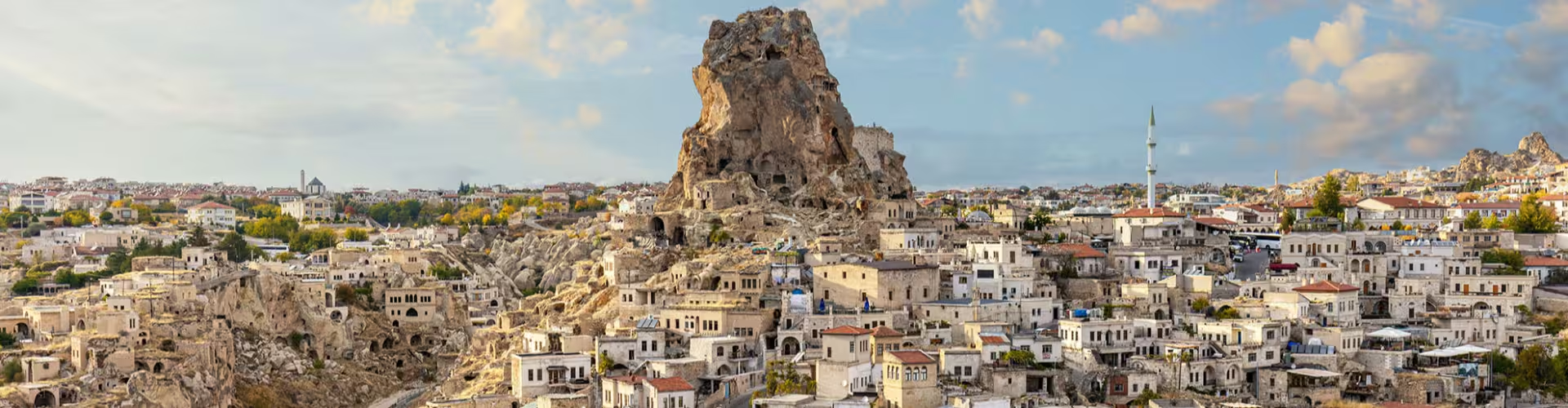
Ortahisar is a captivating village carved into the volcanic landscape of Cappadocia, Turkey, where ancient rock-cut dwellings and a towering castle rock define the skyline. Less visited than Goreme or Urgup, it offers a quieter, more authentic experience of this extraordinary region. Travelers who seek beauty without the crowds will find this village an unforgettable base for exploring one of the world's most surreal destinations.


Geography and Logistics

Orientation

Ortahisar sits in the Nevsehir Province of central Anatolia, approximately 5 kilometers east of Goreme and 7 kilometers west of Urgup. The village is built around a dramatic 86-meter-high rock formation used as a castle for centuries. The surrounding valleys, including Pigeon Valley and Rose Valley, are easily accessible on foot or by bicycle.

When to Go

Spring (April to June) and autumn (September to November) are the ideal seasons, with mild temperatures and stunning light for photography. Summer brings heat and more visitors, while winter offers snow-dusted fairy chimneys and a peaceful atmosphere. Hot air balloon flights operate year-round but are most reliable in spring and autumn.

Budget and Currency

Turkey uses the Turkish Lira (TRY). Ortahisar is generally more affordable than neighboring Goreme, with budget guesthouses, cave hotels, and local restaurants offering excellent value. Credit cards are accepted at most hotels and larger restaurants, but carrying cash is advisable for markets and small eateries.


Essential Things to Do

Ortahisar Castle
The village's iconic rock formation rises dramatically above the rooftops and can be climbed for panoramic views of the Cappadocian plateau. Carved chambers inside the rock once served as storage rooms and defensive positions. The climb is steep but manageable, and the summit reward is extraordinary. Practical Tip: Visit at sunrise or sunset for the most dramatic lighting and fewer visitors.

Pigeon Valley
This sweeping valley connects Ortahisar to Uchisar and is lined with thousands of pigeon holes carved into the cliff faces by local farmers who collected the droppings for fertilizer. A well-marked hiking trail runs the length of the valley and takes approximately two hours to complete. The scenery is peaceful and largely untouched. Practical Tip: Walk from Ortahisar toward Uchisar for a gentle downhill gradient.

Rose Valley and Red Valley
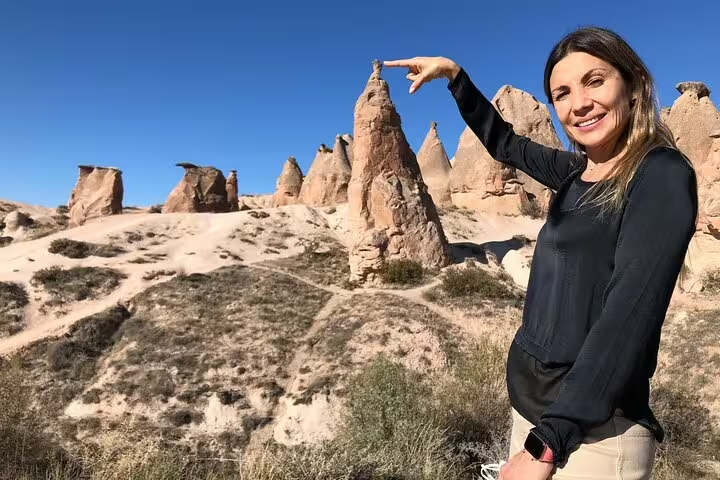
Just northeast of the village, these twin valleys are renowned for their warm pink and red hues, especially vivid in late afternoon sun. The rock formations here are among the most photogenic in all of Cappadocia. Several trails wind through vineyards and ancient cave churches. Practical Tip: Hire a local guide for the first visit to avoid getting lost on the unmarked side paths.

Ortahisar Underground City
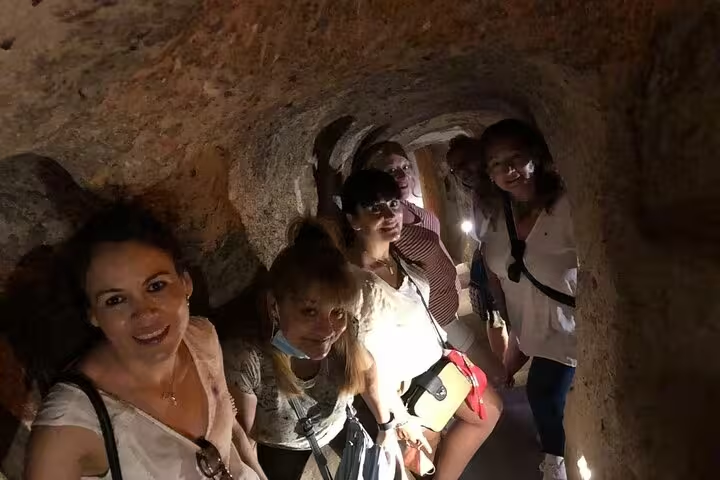
While smaller than the famous Derinkuyu and Kaymakli underground cities, this subterranean network beneath the village is authentic and rarely crowded. It dates back to early Christian communities who used it for protection. The experience of moving through its narrow tunnels is both humbling and thrilling. Practical Tip: Bring a small flashlight even if the site has basic lighting installed.

Cave Church Exploration
Scattered throughout the surrounding valleys are Byzantine-era cave churches adorned with faded but remarkable frescoes. Several are accessible without guided tours and provide a direct connection to the region's early Christian history. These silent sanctuaries offer a profound contrast to the open landscape outside. Practical Tip: Look for the Church of Saint Theodore, which retains some of its original fresco work.

Hot Air Balloon Ride
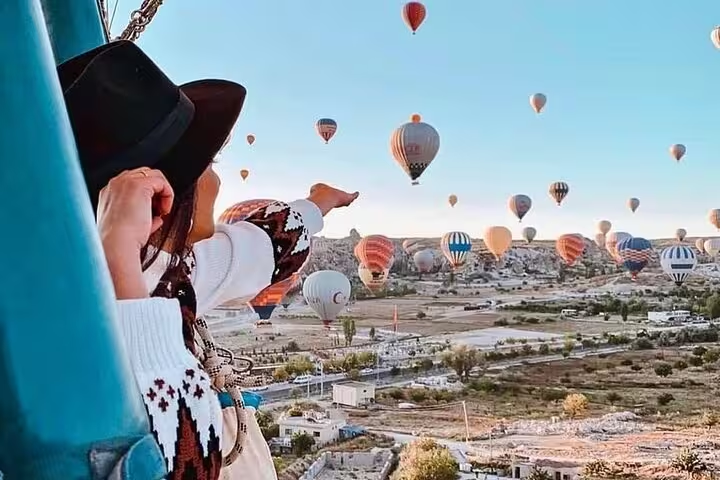
A balloon flight over Cappadocia at dawn is one of the most iconic travel experiences in Turkey. Flights typically launch from Goreme but drift over the valleys surrounding Ortahisar, offering aerial views of the castle rock and fairy chimneys. Booking in advance is essential during high season. Practical Tip: Choose a company certified by the Turkish Civil Aviation Authority for safety assurance.

Local Carpet and Pottery Workshops
Several artisan workshops in and around the village welcome visitors to observe traditional weaving and pottery techniques. These are genuine craft operations rather than tourist performances. Purchasing directly supports local families and ensures authentic handmade quality. Practical Tip: Ask the workshop owner about the symbolism woven into carpet patterns for a richer cultural experience.


Curated Itineraries

The Highlights (1 Day)

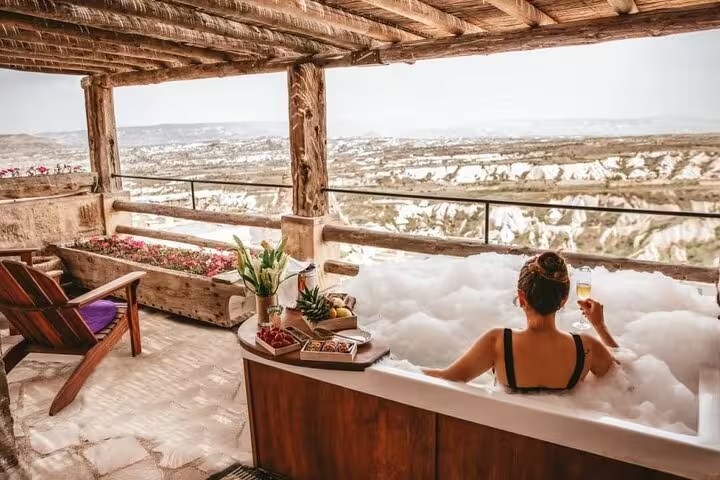
Begin the morning with a hot air balloon flight departing from the Goreme area, then return for breakfast at a cave hotel terrace. Climb the castle rock before mid-morning crowds arrive. Spend the afternoon hiking through Pigeon Valley toward Uchisar, then return by taxi or dolmus for a sunset dinner in the village square.

Deep Dive (2 to 3 Days)

Day one follows the highlights itinerary above. On day two, explore Rose Valley and Red Valley on foot or by ATV in the morning, then visit the underground city and cave churches in the afternoon. On day three, take a day trip to the Goreme Open Air Museum and Derinkuyu Underground City, returning in the evening for a traditional pottery workshop session.


Flavors of Ortahisar

Testi Kebab: Meat and vegetables slow-cooked inside a sealed clay pot, then dramatically broken open at the table. This dish is a Cappadocian specialty and best ordered at least an hour before you plan to eat it.

Manti: Tiny Turkish dumplings filled with spiced lamb or beef, served with yogurt and a drizzle of butter infused with dried mint and red pepper. Found in most local restaurants and deeply satisfying on cooler evenings.

Gozleme: Thin flatbread filled with cheese, spinach, or minced meat and cooked on a griddle. Village women often prepare these fresh at market stalls and small cafes, making it an ideal quick lunch.

Pekmez: A thick grape molasses produced from the grapes grown in the Cappadocian valleys. Drizzled over fresh bread or mixed with tahini, it is a staple of the local breakfast table.

Cappadocian Wine: The volcanic soil of the region produces distinctive wines, particularly from the Emir and Kalecik Karasi grape varieties. Several wineries near Urgup offer tastings and tours, and local restaurants carry a strong regional wine list.

Sutlac: A creamy baked rice pudding with a caramelized surface, commonly served as dessert. It is comforting, simple, and found throughout Turkey but particularly well-made in family-run Cappadocian kitchens.


Navigation and Transport

Ortahisar is best reached from Nevsehir or Kayseri airports, both of which offer shuttle and bus connections to the Cappadocia region. From Goreme or Urgup, shared minibuses called dolmus run regularly throughout the day. Renting a scooter or bicycle is a popular and practical way to explore the surrounding valleys independently. Taxis are available locally and are reasonably priced for short trips between villages. Walking between the main sights within the village takes no more than twenty minutes.


Beyond the Center: Day Trips

Goreme Open Air Museum: A UNESCO World Heritage Site just 5 kilometers away, featuring a dense concentration of Byzantine cave churches with extraordinary frescoes. Allow at least two to three hours for a thorough visit.

Derinkuyu Underground City: Located approximately 30 kilometers south, this multi-level subterranean city once housed thousands of residents and extends eight levels below ground. It is one of the most impressive ancient engineering feats in the world.

Avanos: A riverside town on the Kizilirmak River, famous for its red clay pottery tradition dating back thousands of years. The drive takes about twenty minutes and the town has excellent restaurants and craft shops.

Ihlara Valley: A dramatic gorge carved by the Melendiz River, accessible within about an hour by car. The valley floor trail passes dozens of cave churches and is one of the finest hikes in the region.

Soganli Valley: A remote and rarely visited valley south of Urgup with carved rock monasteries and a tranquil, rural atmosphere. It rewards those willing to make the effort with genuine solitude.


Insider Tips for Travellers

  • Book cave hotels well in advance for spring and autumn travel, as the best properties fill up months ahead.
  • Carry a scarf or light layer when entering cave churches and mosques out of respect and practicality, as underground spaces stay cool year-round.
  • The village market is held on Fridays and offers fresh produce, local cheeses, and handmade goods at honest prices.
  • Avoid renting ATVs if you are unfamiliar with off-road driving, as the valley trails can be narrow and steep in sections.
  • Learn a few words of Turkish. Even a simple greeting is warmly received and opens doors to genuine local hospitality.
  • The castle rock entry fee is modest and collected at a small booth near the base. Keep small change available.
  • Mobile data coverage is reliable in the village but can drop in the deeper valleys. Download offline maps before hiking.

Frequently Asked Questions

How far is Ortahisar from Goreme?
Ortahisar is approximately 5 kilometers east of Goreme. The drive takes around ten minutes by car, and dolmus connections run regularly between the two villages throughout the day.
Is Ortahisar suitable for families with children?
Yes, the village is very family-friendly. The castle climb and valley hikes are manageable for older children, and the pace of life is relaxed. Parents should supervise young children near the unfenced edges of the castle rock.
What is the best way to get to Ortahisar from Istanbul?
The most convenient route is a short domestic flight from Istanbul to either Kayseri or Nevsehir Kapadokya Airport, followed by a shuttle or bus transfer to the Cappadocia region. The total journey takes approximately two to three hours.
Are there ATMs in the village?
Ortahisar has at least one ATM located near the village center, but it is advisable to withdraw sufficient cash in Urgup or Goreme before arriving, as the local ATM can occasionally run out of notes during peak season.
Can I visit Ortahisar as a day trip from Urgup or Goreme?
Absolutely. The village is easily visited in a half day, covering the castle, the underground city, and a short valley walk. However, staying overnight allows you to experience the village after the day visitors depart and the atmosphere becomes genuinely tranquil.