
Build your dream
experience

More to know about Kastamonu Province
Discover Kastamonu Province for Nature, Heritage, and Food
Kastamonu Province Travel Guide
Forest-cloaked mountains, deep canyons, Ottoman-era townscapes, and a proud culinary tradition make northern Türkiye feel both wild and lived-in. This guide focuses on practical planning, standout experiences, and how to stitch them into a smooth trip across the western Black Sea coast. Expect a slower pace than the big cities, with big scenery and warm local hospitality.
Snapshot
Kastamonu Province blends rugged Black Sea landscapes with historic streets, traditional craftsmanship, and hearty regional flavors. Visit for canyon hikes, coastal air, and a cultural scene rooted in Anatolian heritage rather than mass tourism. It is especially rewarding right now if you want authentic small-city Türkiye with easy access to nature.
🗺️ Geography and Logistics
📍 Orientation:
This destination sits in the Black Sea Region of Türkiye, where the coastline meets pine forests, plateaus, and river-carved valleys. The provincial capital, Kastamonu city, is a common base for exploring nearby canyons, national-park style landscapes, and the coastal districts.
Most travelers arrive by road from major hubs such as Ankara, Istanbul, or Samsun, then continue by intercity bus or car. If you prefer to minimize transfers, consider flying to a nearby regional airport and connecting by bus or private transfer, depending on your route and season.
🕒 When to Go:
Late spring to early autumn is ideal for hiking, viewpoints, and canyon walks, with longer daylight and more reliable road conditions. Summer brings the most comfortable conditions for higher elevations and the coast, but it can also be the busiest period for domestic travel.
Autumn is a favorite for photographers, with changing forest colors and crisp air, while winter can be atmospheric in the mountains but may limit access to some rural roads. If you are planning nature-heavy days, build in flexibility for rain, especially along the Black Sea.
💰 Budget and Currency:
The local currency is the Turkish lira. In towns and tourist-facing businesses, cards are often accepted, but cash is still useful for small eateries, village stops, and local markets.
Costs are generally lower than Istanbul and the Aegean resorts, especially for dining and local transport. For smoother days, carry small bills, and keep a little extra cash for spontaneous detours, roadside produce, or museum tickets.
⭐ Essential Things to Do
-
Explore the historic center of Kastamonu city
Traditional houses, mosques, and civic buildings create a walkable core that feels distinctly Anatolian. It is the best place to understand local life, from bakeries to small artisan shops. Practical tip: start early for quieter streets and softer light for photos.
-
Walk the viewpoints and ridgelines around the province
Forested hills and valleys define the region, and even short walks can deliver sweeping panoramas. This is a strong pick for travelers searching for nature in Kastamonu without committing to a full-day trek. Practical tip: pack a light rain layer, weather can shift quickly.
-
Hike in Valla Canyon or nearby canyon trails
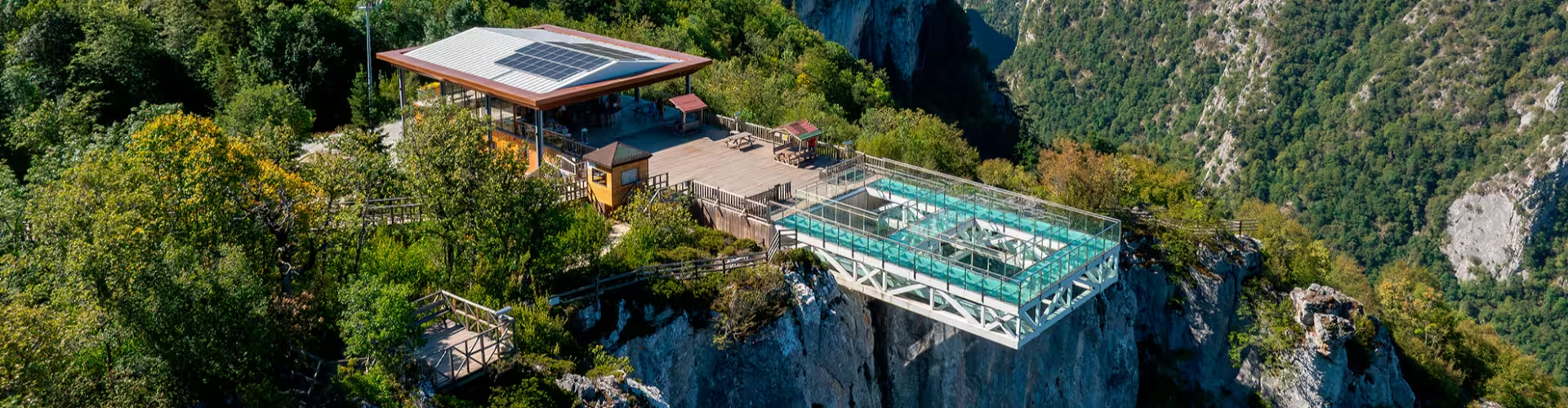
The canyon systems here are among the area’s signature natural assets, with dramatic rock walls and deep river gorges. Trails vary by difficulty, so choose routes that match your fitness and comfort with heights. Practical tip: go with a local guide if you want the best viewpoints and safer route choices.
-
Visit Ilgaz Mountain landscapes
Ilgaz is known for highland scenery and seasonal outdoor activities, offering a different feel from the coast and valleys. It is a classic add-on for anyone planning hiking in Kastamonu or seeking cooler air in summer. Practical tip: bring warmer layers even in shoulder season, temperatures drop with elevation.
-
See the coastal side of the western Black Sea
Coastal districts add sea breezes, harbors, and a slower rhythm that contrasts with the interior. It is also a great way to experience Black Sea coast travel without the crowds found in more famous resort areas. Practical tip: plan a seafood meal by the water, then time your drive back before dark on winding roads.
-
Discover regional food culture and markets
Markets and small shops are where the region’s culinary identity is most tangible, from cured meats to local grains and sweets. This is one of the most satisfying things to do in Kastamonu Province if you enjoy tasting as you explore. Practical tip: ask what is seasonal, locals will point you to the freshest options.
-
Track down traditional timber houses and heritage streets
Architectural details, carved woodwork, and neighborhood layouts reflect a layered history and a strong building tradition. It is a natural fit for travelers interested in Ottoman architecture and everyday heritage, not just big monuments. Practical tip: be respectful when photographing residential lanes, and keep voices low.
-
Plan a local-culture day with craft and folklore stops
Across the province, cultural identity shows up in handicrafts, local textiles, and community events. Even without a festival, you can often find small workshops or cultural spaces that explain regional traditions. Practical tip: buy directly from makers when possible, it supports local livelihoods and you get better stories with your souvenirs.
🚶 Curated Itineraries
⏰ The Highlights (1 Day):
Start in the historic center for a compact walking loop of heritage streets and key viewpoints. Break for a market-style lunch, then choose one nature stop nearby, such as a short forest walk or a scenic overlook.
Finish with an early dinner focused on regional specialties, then take a relaxed evening stroll for night atmosphere. Practical tip: keep the day tight geographically, distances can be longer than they look on the map.
⏰ Deep Dive (2 to 3 Days):
Day 1: focus on the city core, museums or cultural stops, and a food-first evening. Day 2: dedicate the full day to canyons or mountain landscapes, adding a viewpoint stop and a picnic-style lunch.
Day 3: go coastal for sea air, harbor scenes, and a slower pace, then return inland via a scenic route. Practical tip: if you are traveling without a car, base yourself near the main bus routes and book day tours for the harder-to-reach canyon areas.
🍽️ Flavors of Kastamonu Province
-
Kastamonu pastırması
A deeply savory cured beef specialty with a bold aroma and spice-forward finish. Try it sliced thin with bread and tea for a simple, local-style snack. Ordering tip: ask for a small mixed plate if you want to compare different cuts.
-
Banduma
A comforting dish built around layered yufka and turkey or chicken, often enriched with broth and butter. The texture is soft and satisfying, ideal after a long day outdoors. Ordering tip: share one portion if you are sampling multiple dishes.
-
Etli ekmek
Long, thin flatbread topped with minced meat, baked until crisp at the edges. It is filling without being heavy, and pairs well with ayran. Ordering tip: request it well-baked if you like extra crunch.
-
Siyez bulguru dishes
Made from an ancient wheat variety associated with the region, siyez has a nutty flavor and hearty bite. You will find it in pilafs and home-style plates. Ordering tip: ask if the siyez is served as a side or as a main, portions vary.
-
Çekme helva
A traditional sweet with a fibrous, pull-apart texture and buttery, toasted notes. It makes an easy edible souvenir for road trips. Ordering tip: buy smaller packs if you want peak freshness.
-
Local Black Sea style pickles and preserves
Tangy, crunchy sides often show up with hearty meals, balancing rich flavors. Market stalls can be a fun tasting stop if you like bold, acidic bites. Ordering tip: ask what is homemade and what is seasonal.
🚌 Navigation and Transport
Intercity buses connect the provincial capital with major Turkish cities, and minibuses link many districts, though schedules can thin out in the evening. For maximum flexibility, a rental car or private driver makes it easier to combine canyons, mountain roads, and coastal detours in one trip.
Within town centers, walking is often the best way to experience heritage streets and markets. If you are heading to trailheads or viewpoints, plan for limited signage and patchy mobile coverage in rural areas. Practical safety note: drive cautiously on winding roads, and avoid rushing after dark if you are not used to mountain routes.
🌄 Beyond the Center: Day Trips
-
Valla Canyon area
Travel time: often 1.5 to 3 hours by road depending on your base. Go for dramatic canyon scenery and serious nature immersion.
-
Ilgaz Mountain routes
Travel time: roughly 1 to 2.5 hours depending on starting point. Visit for highland views, cooler temperatures, and seasonal outdoor activities.
-
Coastal districts on the Black Sea
Travel time: typically 1.5 to 3 hours. Choose the coast for sea air, harbor culture, and a different food focus.
-
Safranbolu (nearby heritage town)
Travel time: commonly around 2 to 3 hours by road. It is known for well-preserved Ottoman-era streets and classic architecture, ideal for history and photography.
✅ Insider Tips for Travellers
- Build buffer time for mountain and canyon drives, road conditions and weather can slow you down.
- Pack layers year-round, higher elevations can feel cool even when the coast is mild.
- Carry cash for village stops, small restaurants, and market purchases.
- If hiking, bring sturdy shoes and offline maps, signage can be limited on rural trails.
- For the best photos, aim for early morning in historic streets and late afternoon at viewpoints.
- Respect local customs at religious sites, dress modestly and keep noise low.
- If you are car-free, consider guided day tours for canyons and remote viewpoints to reduce logistics stress.
❓ Frequently Asked Questions
Is one day enough for the region?
One day is enough for the city center plus one nearby nature stop. For canyons, mountain scenery, and the coast, plan at least two to three days so you are not spending the whole trip on the road.
What is the best way to get around without a car?
Use intercity buses to reach the main town, then rely on minibuses for nearby districts where schedules allow. For remote canyon viewpoints, a guided tour or private transfer is often the most time-efficient option.
When is the best time to visit for hiking?
Late spring through early autumn is the easiest window for trails and viewpoints. Autumn is also excellent for forest colors, but bring rain protection and plan flexible routes.
Is Kastamonu Province good for food-focused travelers?
Yes, regional specialties like pastırma, banduma, and siyez-based dishes give you a strong sense of place. Markets and small local restaurants are usually the best-value way to taste widely in a short time.
How far are the canyons from the main city?
Driving times vary by which canyon area you choose, but expect a longer road day for the most dramatic landscapes. If you are visiting Kastamonu Province primarily for nature, base your plan around one major canyon day to avoid rushed travel.
Located in Türkiye’s Black Sea Region, this guide covers the province’s inland mountains, canyon landscapes, and nearby coastal districts, with practical routing advice for travelers.
Destination guide, Black Sea Region, Türkiye, nature and culture travel, food tourism, road trip planning