
Build your dream
experience

More to know about Manisa
Discover Manisa, Türkiye’s Aegean City of Princes
Manisa Travel Guide
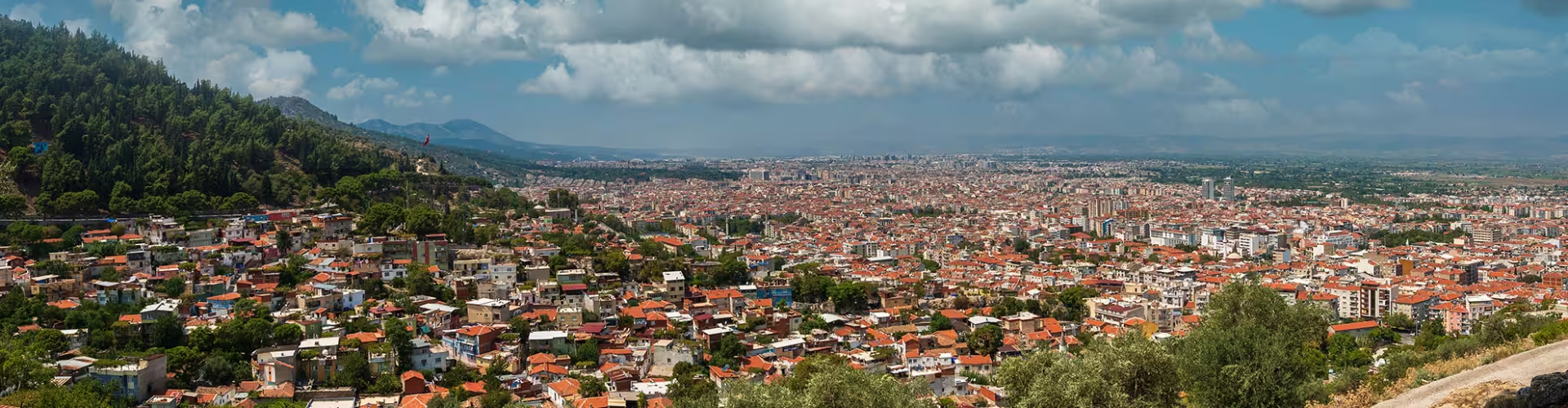
Poised between fertile vineyards and the rugged slopes of Mount Sipylus, this Aegean city rewards travelers who like their culture layered, their food soulful, and their days easy to navigate. Once closely tied to Ottoman court life, it still carries a refined, local-first rhythm that feels refreshingly untouristy compared with the coast. Use this guide to plan smart routes, pick the right season, and connect the highlights with day trips across the wider region.
Snapshot
Manisa blends a lived-in Anatolian vibe with a proud Ottoman legacy, set in an agricultural basin famous for grapes and olive groves. Visit for a calm city break where grand mosques, hillside nature, and bazaars fit into a single weekend without rushing. It is especially appealing now if you want authentic Aegean culture beyond the beach towns, with easy links to İzmir and nearby UNESCO heritage.
🗺️ Geography and Logistics
📍 Orientation:
This destination sits in Manisa Province in western Türkiye, inland from the Aegean coast and within straightforward reach of İzmir. The most common gateway is İzmir Adnan Menderes Airport, then onward by road or rail to the city center. Regional buses connect quickly to surrounding towns, and the wider Aegean network makes it practical to pair this stop with İzmir, coastal resorts, and inland heritage sites.
🕒 When to Go:
Spring is ideal for comfortable sightseeing and greener mountain trails, with pleasant days for walking and café breaks. Summer brings hotter temperatures and a slower midday pace, so plan early starts and late afternoons if you visit then. Autumn is excellent for food-focused travel and vineyard landscapes, while winter is quieter and best for museums, hammams, and a more local atmosphere.
💰 Budget and Currency:
The local currency is the Turkish lira, and you will generally find good value for meals, local transport, and everyday shopping compared with major tourist hubs. Cards are widely accepted in modern venues, but cash is useful for markets, small eateries, and short taxi rides. Keep small notes for convenience, and confirm prices in advance for longer rides or private transfers.
⭐ Essential Things to Do
-
Explore the City Center and Grand Mosques
Central streets combine everyday shopping with architectural landmarks that reflect Ottoman-era prestige. It is a strong starting point to understand the city’s identity and pace before branching out to nature or nearby ruins. Practical tip: visit in the morning for cooler walking and clearer photos of façades and courtyards.
-
Visit the Muradiye Mosque Complex
This elegant complex is one of the clearest expressions of imperial aesthetics in the area, with a calm atmosphere that invites slow observation. It is a meaningful stop for travelers interested in sacred architecture and urban history. Practical tip: dress modestly and time your visit outside prayer times for a quieter experience.
-
Hike or Scenic Drive on Mount Sipylus
The mountain backdrop defines the landscape, offering viewpoints, fresh air, and a change of pace from the streets below. Nature lovers can combine short walks with panoramas over the plain and surrounding villages. Practical tip: bring water and sun protection, and aim for late afternoon light for the best views.
-
Shop Local at the Bazaar and Food Markets
Market culture is where daily life becomes most visible, from seasonal produce to spices and textiles. Browsing is also an easy way to taste regional specialties and pick up edible souvenirs tied to Aegean agriculture. Practical tip: carry cash and compare a few stalls before buying, especially for dried goods.
-
Discover Ottoman Heritage and the “City of Princes” Story
The area’s historical role as a training ground for Ottoman princes adds depth to what you see in religious and civic architecture. Framing your visit around this narrative makes the monuments feel connected rather than standalone stops. Practical tip: pair key sites in one loop on foot, then take a break at a traditional tea house.
-
Take a Side Trip to Sardis (Sart) Archaeological Area
Ancient Lydia’s legendary capital is one of the most compelling nearby excursions, with ruins that speak to trade, power, and early coinage history. It is a strong complement to Ottoman-era sites, adding a much older layer to your itinerary. Practical tip: go earlier in the day to avoid peak heat and bring a hat for open-site walking.
-
See the Mesir Culture and Local Traditions
Local identity is closely tied to herbal flavors and community celebrations, and learning the story behind mesir paste adds a distinctive cultural angle. Even outside festival periods, you can encounter the tradition through shops and local conversation. Practical tip: try small portions first, the spice blend can be intense and aromatic.
-
Plan a Cultural Loop through Aegean Region Highlights
Using this city as a base, you can stitch together museums, coastal scenery, and UNESCO sites without long travel days. The location works well for travelers who want variety without constantly changing hotels. Practical tip: pre-book a driver or join a small-group tour if you want to cover multiple stops efficiently.
🚶 Curated Itineraries
⏰ The Highlights (1 Day):
Start with a morning walk through the center, focusing on major mosques and civic landmarks. Break for a market lunch, then browse the bazaar for spices, dried fruit, and local sweets. In the afternoon, head toward Mount Sipylus for viewpoints, then return for a relaxed dinner featuring regional kebabs and seasonal meze.
⏰ Deep Dive (2 to 3 Days):
Day 1 follows the highlights route, adding time for museums or slower architectural visits. Day 2 is for an archaeological excursion such as Sardis, paired with countryside stops and simple village meals. On Day 3, keep it flexible for hammam time, café hopping, and shopping for edible souvenirs, with an optional extension toward İzmir for coastal atmosphere.
🍽️ Flavors of Manisa
-
Mesir macunu (spiced herbal paste)
Sweet, warming, and aromatic, with a complex spice profile that lingers. Ordering tip: ask for a small sample first, then choose a mixed pack if you like it.
-
Kebab and grilled meats with Aegean meze
Expect smoky char, bright salads, and olive oil dishes that lighten the plate. Ordering tip: request a meze selection to taste more local variety in one sitting.
-
Gözleme
Thin griddled flatbread with savory fillings, ideal for a quick market meal. Ordering tip: go for spinach and cheese if you want a classic, lighter option.
-
Stuffed vegetables and olive oil dishes
Aegean cooking shines in vegetable-forward plates with herbs, lemon, and good oil. Ordering tip: look for seasonal specials, they are often the freshest and best value.
-
Local grapes and dried fruit
The surrounding plain is known for vineyards, and dried grapes make an easy souvenir. Ordering tip: buy from market stalls with high turnover for better freshness.
-
Turkish tea and strong coffee
Tea breaks structure the day, while coffee is deeper and more ritualized. Ordering tip: for coffee, specify sugar level when you order, as it is prepared to preference.
🚌 Navigation and Transport
The center is walkable for major sights, especially if you group visits by neighborhood and plan breaks during the warmest hours. For longer hops, local buses and taxis are practical, and intercity coaches make day trips straightforward across the province and toward İzmir. If you are short on time, a private driver or guided tour helps you combine archaeological sites and countryside viewpoints efficiently.
As in most urban areas, keep an eye on belongings in busy markets and transport hubs. If you have mobility needs, note that older streets and some historic buildings can involve steps or uneven paving, so plan extra time and choose routes with fewer inclines.
🌄 Beyond the Center: Day Trips
-
Sardis (Sart): around 1 to 1.5 hours by road
Go for major ancient ruins and a powerful sense of early Anatolian history.
-
Spil Mountain National Park area: roughly 30 to 60 minutes depending on access point
Go for nature, viewpoints, and a cooler escape from the plain.
-
İzmir: around 45 to 75 minutes depending on traffic and mode
Go for waterfront promenades, big-city museums, and a different Aegean energy.
-
Alaşehir: about 1 to 1.5 hours
Go for a quieter provincial feel and agricultural landscapes tied to viticulture.
-
Selçuk and Ephesus area: typically 1.5 to 2.5 hours
Go for world-class antiquity and an easy full-day heritage experience.
✅ Insider Tips for Travellers
- Start sightseeing early in summer, then schedule a long lunch break when the heat peaks.
- Carry small cash for markets, taxis, and snack stops, even if you mostly use cards.
- Dress modestly for mosque visits, and plan around prayer times for a calmer atmosphere.
- For archaeology day trips, pack water, sun protection, and comfortable shoes for uneven ground.
- In bazaars, polite bargaining can be acceptable for some goods, but keep it friendly and brief.
- If you are doing multiple day trips, consider basing yourself near transport hubs to reduce transit time.
- Try local specialties in smaller, busy eateries, turnover is often a good sign of freshness.
❓ Frequently Asked Questions
How do I get here from İzmir?
Most travelers arrive via İzmir Adnan Menderes Airport, then continue by train, bus, or car. The route is straightforward, making it easy to combine this stop with İzmir in the same trip.
Is one day enough?
One day covers the main mosques, market streets, and a quick viewpoint run. For archaeology and countryside scenery, plan 2 to 3 days so you can add a full day trip.
What is the best season for sightseeing?
Spring and autumn usually offer the most comfortable walking weather and better conditions for outdoor viewpoints. Summer can still work if you start early and slow down at midday.
What local food should I not miss in Manisa?
Try mesir macunu (spiced herbal paste) for a flavor you will not easily find elsewhere. Pair it with Aegean-style meze and grilled dishes for a balanced taste of the region.
Are day trips easy without a car?
Major towns are well connected by regional buses, and taxis can handle shorter hops. For sites like Sardis or multi-stop itineraries, a guided tour or private transfer can save time and simplify logistics around Manisa.
Located in Manisa Province in Türkiye’s Aegean Region, the city sits inland from İzmir with convenient rail and road links. This guide focuses on core sights, local food culture, transport, and day trips across the surrounding Aegean corridor. This guide was curated by Toursxplorer.com to help travelers navigate this destination with confidence.
Location: Manisa (City) | Region: Manisa Province, Aegean Region | Country: Türkiye | Content type: SEO destination guide with itineraries, food, transport, and FAQs