Seoul
Plan a Seoul trip with practical logistics, must-do experiences, food picks, and 1 to 3 day itineraries, plus day trips and local tips for a smoother visit.

Plan a Seoul trip with practical logistics, must-do experiences, food picks, and 1 to 3 day itineraries, plus day trips and local tips for a smoother visit.

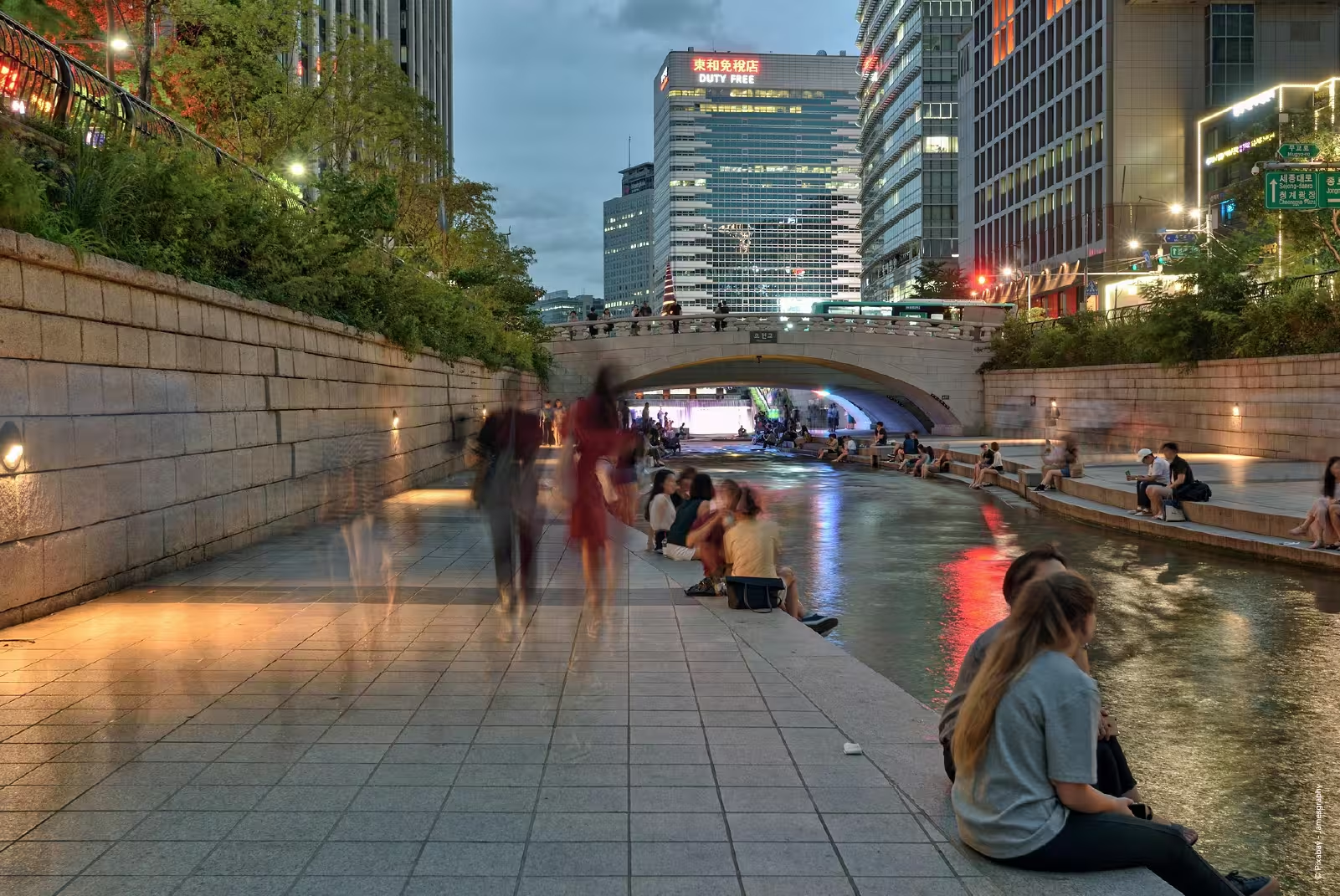
Seoul is a city of contrasts done with confidence, royal palaces and glass towers, quiet temple courtyards and neon-lit shopping streets. It rewards travelers who like structure and spontaneity in the same day, with efficient transit, walkable districts, and a food culture built for sharing. Use this guide to plan a trip that balances iconic sights with neighborhood texture, so your time in Seoul feels both effortless and personal.
Seoul feels fast and polished on the surface, yet deeply rooted in tradition, with Joseon-era landmarks and contemporary design often just a few subway stops apart. The signature vibe is energetic and style-forward, with cafés, markets, and nightlife that keep the city moving well after dark. Go now if you want a destination where seasonal scenery, pop culture, and everyday local life are easy to combine into one itinerary.
Seoul sits in the northwest of South Korea, close to the Han River, and functions as the country’s primary hub for culture, business, and transport. Most international arrivals connect through the Seoul area’s main airports and then continue into the city by rail, bus, or taxi depending on luggage and time. Once you are in the center, neighborhoods tend to cluster around major subway lines, which makes planning by district a practical way to reduce transit time.
Seasonality shapes the experience, from crisp days that suit long walks to humid periods when indoor attractions and evening outings feel more comfortable. Popular travel windows tend to bring fuller hotels and busier transit, especially around headline sights and shopping areas. If you prefer a calmer pace, consider traveling in shoulder periods, then focus your sightseeing on early mornings and weekday slots to avoid peak crowd flow.
Plan for a modern, card-friendly city where digital payments are widely used, while keeping some cash for small purchases in markets or for topping up transit needs. Budget levels vary by neighborhood, with trend-driven districts and central hotel zones typically costing more than local residential areas. A practical approach is to set a daily baseline for transit, food, and one paid attraction, then leave flexibility for shopping or a special meal.
Explore a Royal Palace Complex
Palaces are the clearest window into the city’s historical identity, with grand gates, courtyards, and traditional rooflines that contrast sharply with nearby high-rises. Visiting helps you understand how Seoul evolved from dynastic capital to modern metropolis. Practical tip, arrive earlier in the day for calmer photos and a more contemplative atmosphere.
Walk a Traditional Neighborhood and Hanok Streets
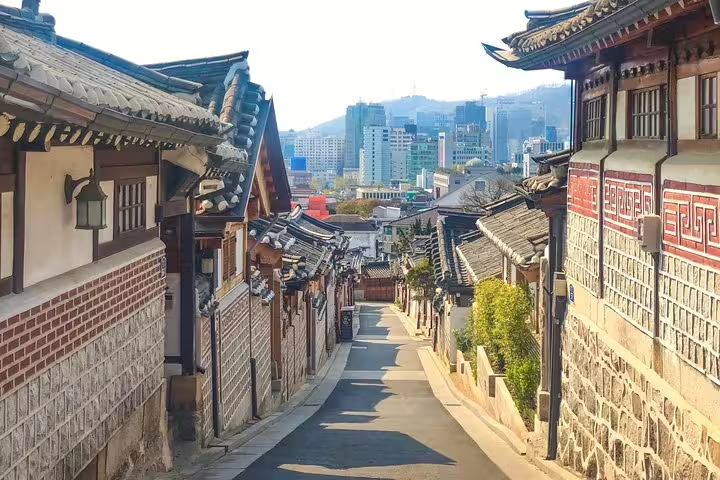
Traditional architecture and narrow lanes create a slower, quieter side of the city that is easy to miss if you only focus on shopping streets. The appeal is not just the buildings, it is the way craft shops, tea houses, and small galleries fit into the old street pattern. Practical tip, wear comfortable shoes and keep voices low, since many areas are residential.
Visit a Major Market for Street Food
Markets are where the city’s everyday rhythm is most visible, with vendors calling out orders and locals shopping for staples. They are also an efficient way to taste widely loved dishes in small portions, which is ideal if you want variety. Practical tip, go with a plan to share, then circle once before buying so you can compare options and queues.
Spend an Evening in a Neon Shopping and Dining District
After dark, Seoul becomes more theatrical, with illuminated signs, late-night cafés, and busy sidewalks that feel safe and lively. This is where you can combine shopping, skincare browsing, and casual dining without strict timing. Practical tip, start with dinner, then shop later, since some stores feel more relaxed after the first rush.
See the City from a High Viewpoint
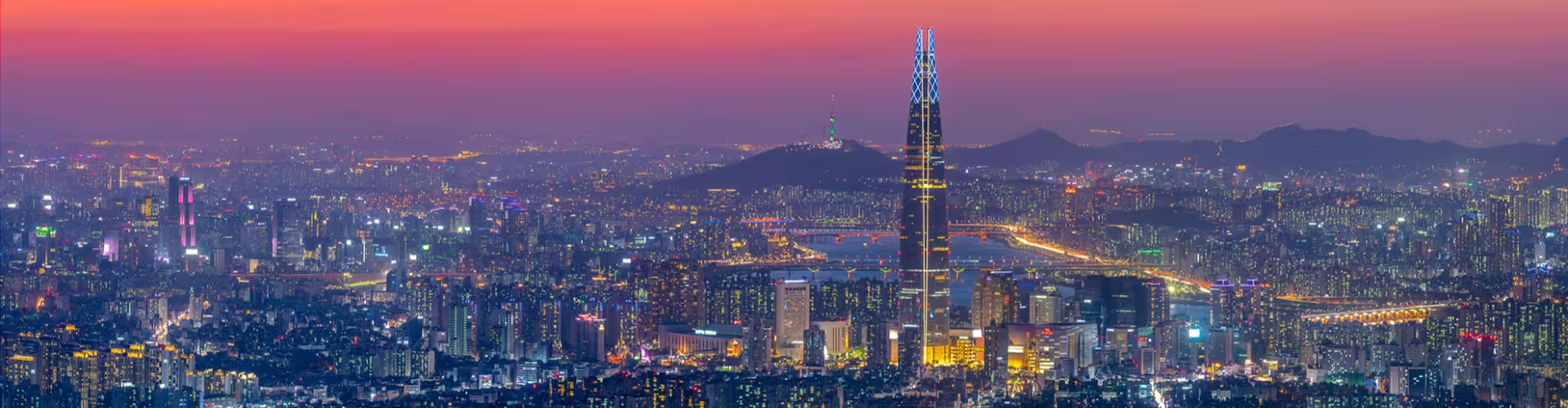
A panoramic viewpoint helps connect the map in your head, especially in a city with many distinct districts. From above, you can trace the river, spot hills, and understand why certain neighborhoods feel clustered and others feel spread out. Practical tip, aim for late afternoon into evening to catch both daylight detail and nighttime sparkle.
Follow the Han River for a Scenic Break
The river corridor offers breathing room between dense sightseeing blocks, with paths that suit walking, cycling, and casual picnics. It is also a useful reset if you are dealing with jet lag or want a low-effort activity between museums and markets. Practical tip, pack a light layer, since breezes along the water can feel cooler than city streets.
Choose a Museum or Contemporary Art Space
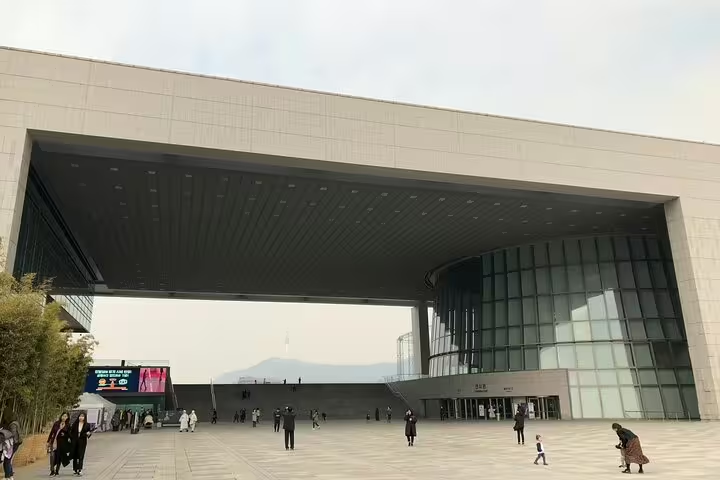
Museums and galleries add context to what you see outside, from historical artifacts to the design language of modern Korea. They are also a smart option during weather swings, when indoor time improves comfort without sacrificing depth. Practical tip, pair one cultural stop with a nearby café district so the day stays balanced.
Experience a Jjimjilbang or Spa Culture
A bathhouse visit is both cultural and practical, a way to unwind after long walking days and reset your energy. The experience often includes hot and cold rooms and communal relaxation areas that locals use as a routine wellness ritual. Practical tip, bring essentials you prefer, then follow posted etiquette closely for a comfortable first visit.
Start with a palace visit in the morning, then transition into a nearby traditional neighborhood for slow walking and photos before lunch. Spend midday at a market to sample street food and pick up small souvenirs, then choose a museum or indoor cultural stop to balance the pace. Finish with a viewpoint at sunset, then head to a neon shopping district for dinner, browsing, and dessert cafés.
Day one focuses on heritage, palaces, hanok streets, and a market, with a calm evening along the river if you want a softer landing. Day two shifts to modern Seoul, contemporary art, shopping streets, and a dedicated food crawl, then a spa session to recover. If you have a third day, build it around a neighborhood theme, café hopping, design stores, or a riverside cycle, and leave space for a day trip beyond the center.
Kimchi, tangy, spicy, and fermented, it is the flavor backbone of many meals. Ordering tip, try it alongside different dishes to notice how it refreshes richer bites.
Bibimbap, a mixed rice bowl with layered toppings that balances savory, spicy, and fresh elements. Ordering tip, ask for the spice level you prefer, then mix thoroughly for the intended texture.
Samgyeopsal, grilled pork belly eaten with wraps and condiments, social and hands-on. Ordering tip, go with at least two people so you can try more side dishes and share grilling tasks.
Tteokbokki, chewy rice cakes in a sweet-spicy sauce, often found in markets and casual stalls. Ordering tip, pair it with a milder snack to balance the heat.
Korean Fried Chicken, crisp, often glazed, designed for sharing and late-night cravings. Ordering tip, choose one classic flavor and one bold flavor if you are in a group.
Naengmyeon, cold noodles with a clean, refreshing profile that suits warmer days. Ordering tip, taste the broth first, then adjust with condiments gradually.
Makgeolli, lightly sparkling rice wine with a gentle sweetness and creamy body. Ordering tip, order food alongside it, since it is traditionally enjoyed with savory dishes.
Seoul is well-suited to a transit-first plan, with subways and buses connecting major districts efficiently and predictably. Walking works best within neighborhoods, especially in shopping areas and traditional lanes where short distances reveal more detail than a quick ride. Ride-hailing and taxis can be helpful late at night or when traveling with luggage, but allow extra buffer time during busy periods. For safety and comfort, keep an eye on the last train times, and consider accessibility needs in older areas where slopes and stairs are common.
DMZ area, a powerful glimpse into modern Korean history and geopolitics. Travel time varies by route and tour plan, and many travelers choose guided options for logistics and context.
Nami Island, known for scenic walks and seasonal landscapes that feel far from the city pace. Travel time depends on connections, so leave early to maximize daylight.
Suwon and Hwaseong Fortress, a heritage-focused trip with fortress walls and historical architecture. It is a strong choice if you want a history day without a long journey.
Incheon, a nearby coastal city with airport access and distinct districts that can add variety to a Seoul itinerary. It works well as a flexible half-day or full-day add-on depending on your interests.
How many days do I need for Seoul?
One day covers major highlights at a brisk pace, but it will feel busy. Two to three days lets you add neighborhoods, markets, and a slower evening plan without rushing.
What is the best way to get around the city?
Subways and buses are the most efficient for moving between districts, and walking is ideal once you arrive in an area. Taxis and ride-hailing are useful late at night or with luggage, but build in extra time during busy periods.
When is the best time of day to visit palaces and traditional streets?
Morning is usually calmer, which makes it easier to take photos and enjoy the atmosphere. Plan markets or shopping streets for later, when the city energy increases.
Is Seoul a good destination for food-focused travelers?
Seoul is excellent for food variety, from market snacks to shared barbecue meals and late-night fried chicken. The easiest strategy is to share dishes so you can try more flavors in one trip.
Can I do day trips while staying in Seoul?
Yes, you can add one day trip to balance city sightseeing with a change of scenery. Options like the DMZ area, Nami Island, Suwon, or Incheon work well depending on whether you want history, nature, or coastal city vibes.