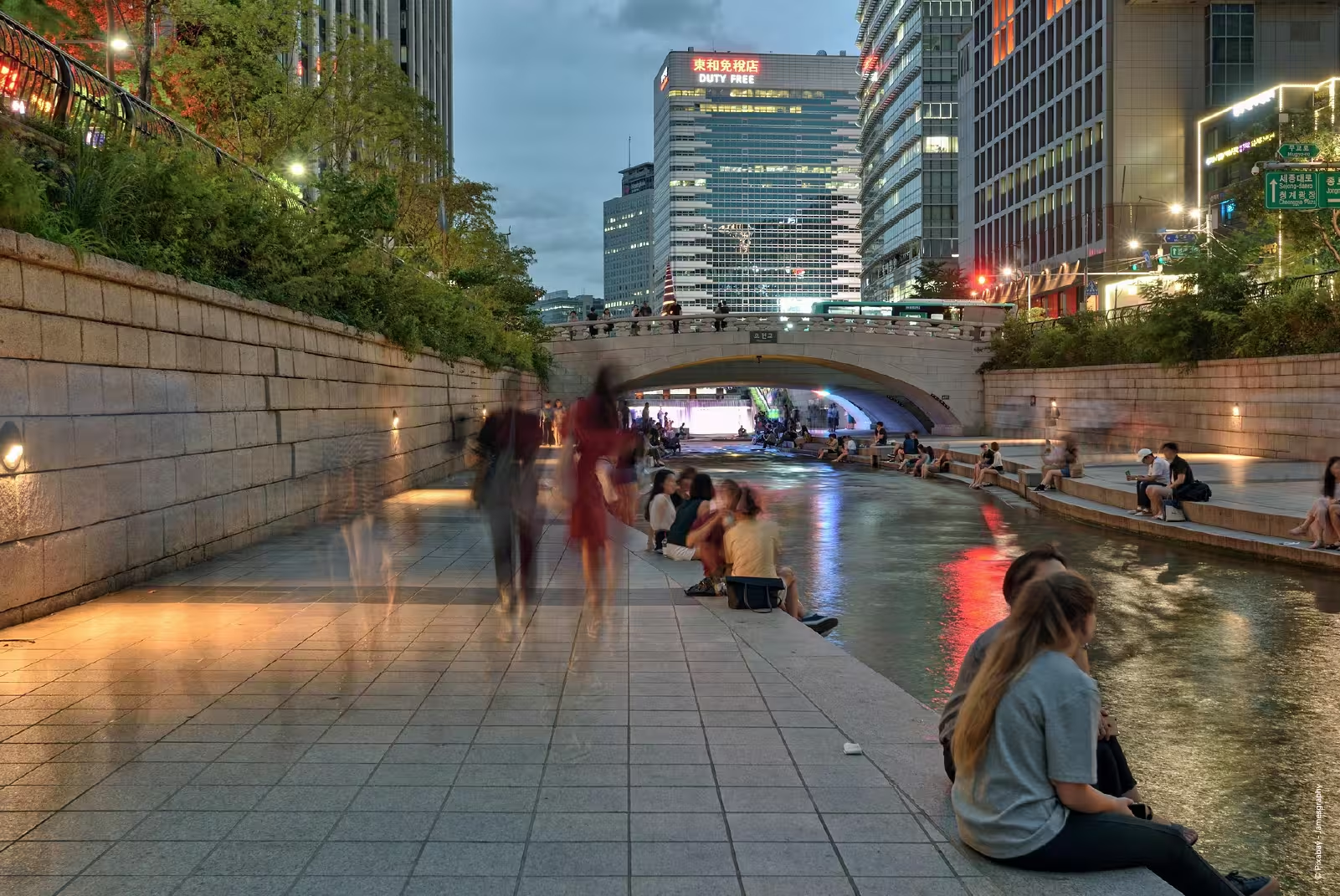
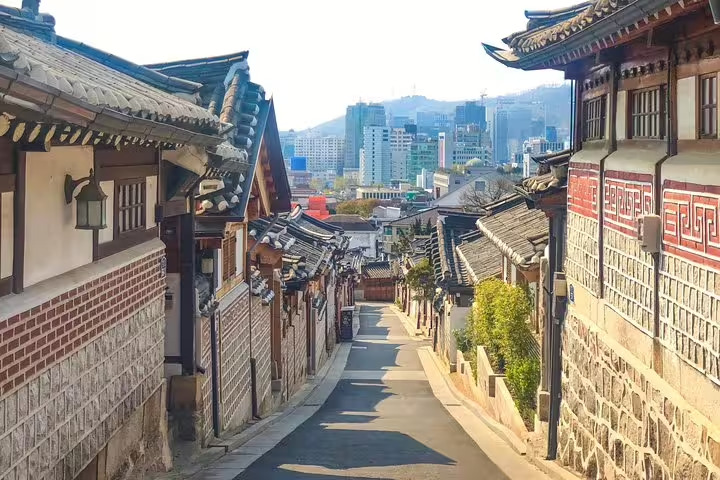
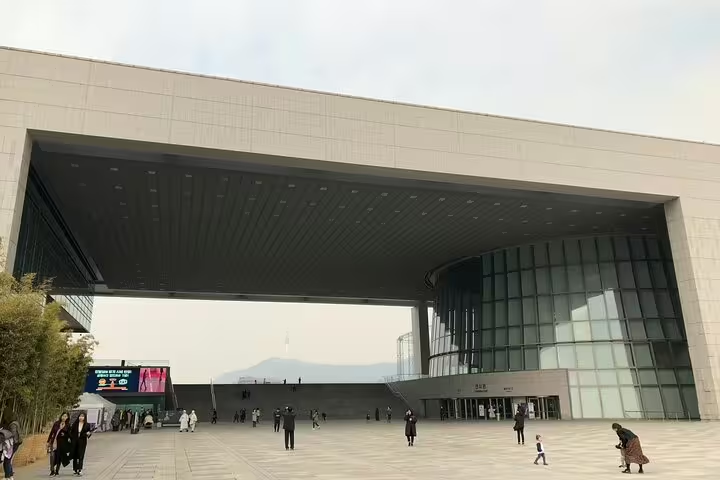
South Korea is a high energy blend of neon cityscapes, mountain ridgelines, and coastlines where food culture and design trends move fast. It is a destination where you can go from royal palaces and temple courtyards to late night markets and K-culture hotspots in the same day. This guide focuses on practical decisions, what to prioritize, how to plan your time, and how to travel smoothly across South Korea.
South Korea feels dynamic and detail driven, with a signature vibe that mixes tradition, technology, and an obsession with great eating. Go now if you want a destination that rewards planning but still delivers spontaneous moments, especially in neighborhoods built around cafes, markets, and nightlife. It is also easy to stitch together cities and nature, so your itinerary can balance museums, street food, and scenic hikes.
South Korea sits on the southern half of the Korean Peninsula in East Asia, facing the Yellow Sea to the west and the Sea of Japan to the east. Most international travelers route through major gateway airports and then connect onward by domestic flights or fast rail links between key cities. For planning, think in hubs, a capital region for history and shopping, southern coastal cities for seafood and beaches, and interior mountain areas for hiking and temple stays.
Seasonality shapes the trip experience more than many first timers expect. Spring tends to feel crisp and lively, with comfortable sightseeing weather and higher demand around peak bloom periods. Summer brings heat and humidity, plus a more beach oriented rhythm along the coasts. Autumn is known for clear days and fall color in parks and mountain trails, while winter can be cold but atmospheric, with fewer crowds and a cozy food culture that shines in the evening.
Plan for a wide range of daily budgets depending on your mix of street food, cafes, and sit down dining, plus how many long distance transfers you add. Cards are widely used in cities, but keeping some cash helps for small market stalls and local transport edge cases. A simple strategy is to set a daily food budget, then treat attractions and intercity travel as a separate planning bucket so you can adjust without sacrificing the experiences you care about most.
Explore Seoul neighborhoods. The capital region is a crash course in modern South Korea, where shopping streets, cafe alleys, and design forward galleries sit close to historic sites. Why it matters is variety, you can tailor the day to fashion, food, or culture depending on your mood. Practical tip, pick one neighborhood for daytime exploring and a different one for evening dining so you experience two distinct atmospheres without rushing.
Visit royal palaces and historic gates. These sites give context to the country’s dynastic history and the way modern city planning grew around older axes. Why it matters is that it anchors the trip beyond trends and helps you read the city’s layout. Practical tip, go earlier in the day for calmer photos and pair the visit with a nearby traditional market for a contrast in pace.
Shop and snack at traditional markets. Markets are where everyday life and travel curiosity meet, with stalls that specialize in a few items done extremely well. Why it matters is that you taste regional flavors and see local routines, not just curated tourist streets. Practical tip, arrive hungry and do small portions, it is the easiest way to sample more without committing to one big dish.
Experience Korean barbecue. Grilling at the table is social, interactive, and a signature meal style many travelers associate with South Korea. Why it matters is that it turns dinner into an event, especially when paired with side dishes that keep arriving. Practical tip, ask for a recommended set if you are new, it simplifies ordering and usually balances cuts and sides well.
Take a temple visit or temple stay. A temple visit offers quiet architecture, mountain air, and a different sense of time compared with city streets. Why it matters is the reset effect, it helps you appreciate the country’s spiritual heritage and landscape. Practical tip, dress modestly and keep your voice low, and if you stay overnight, pack light layers for early mornings.
Ride fast rail between major cities. Intercity rail is part of the travel experience and makes it realistic to build a multi city itinerary without losing full days to transit. Why it matters is efficiency, you can base in one place and do side trips, or hop cities with minimal friction. Practical tip, book seats ahead during peak travel periods and aim for mid morning departures to avoid early rush stress.
Explore Busan coastal energy. The southern port city is known for beaches, seafood, and a more relaxed pace than the capital. Why it matters is contrast, you get ocean views, waterfront neighborhoods, and a different food focus. Practical tip, plan one sunset viewpoint and one market meal, that combination captures the city’s best mood.
Chase scenic hikes and viewpoints. Mountains are woven into daily life, with trails that range from gentle walks to more demanding climbs. Why it matters is that nature is a core part of the national identity and a great counterbalance to urban intensity. Practical tip, start early, bring water, and check trail conditions locally if weather changes.
Lean into K culture experiences. Whether you are interested in music, beauty, gaming, or themed cafes, pop culture is a visible layer of contemporary South Korea. Why it matters is that it explains the country’s global influence and the style of many districts. Practical tip, visit on a weekday if you want shorter lines and more relaxed browsing.
Start with a morning focused on history, pairing a palace visit with a walk past traditional architecture and nearby gates. Move to a market lunch for fast, flavorful dishes and a quick browse of local snacks and household goods. Spend the afternoon in a modern neighborhood for shopping and cafes, then finish with an evening barbecue meal and a short night stroll where the city lights are part of the experience.
Day one, concentrate on major heritage sights and a museum or cultural space that adds context, then end in a neighborhood known for food. Day two, split the day between a hike or temple visit and a market focused dinner, this creates a strong city and nature balance. If you have a third day, add a second city by rail for a coastal contrast, or spend it neighborhood hopping to compare the different personalities that define urban South Korea.
Kimchi. Tangy, spicy, and fermented, it is the backbone of many meals and varies by region and household style. Ordering tip, try more than one type if available, the differences in crunch and heat level are part of the fun.
Bibimbap. A mixed rice bowl with vegetables and sauce, it is comforting but still bright and varied in texture. Ordering tip, ask how spicy the sauce is if you are sensitive, then add gradually as you mix.
Tteokbokki. Chewy rice cakes in a sweet spicy sauce, often found at markets and snack streets. Ordering tip, pair it with a milder side snack if you want balance, the sauce can build heat over time.
Korean fried chicken. Crisp, often glazed, and designed for sharing, it is a classic late afternoon or evening treat. Ordering tip, choose one classic flavor and one adventurous flavor for the table so everyone gets variety.
Samgyeopsal. Grilled pork belly, rich and savory, usually wrapped with greens and condiments. Ordering tip, follow the house method for wrapping and dipping, it is part of the intended taste and texture.
Soju and makgeolli. Soju is clean and strong, makgeolli is lightly sweet, cloudy, and often paired with savory bites. Ordering tip, pace yourself and drink water alongside, especially if you are doing a long evening meal.
Cities in South Korea are built for public transit, and a combination of subway, bus, and walking usually covers most sightseeing days. Walking works best within a single neighborhood, especially for market areas and cafe streets, while transit helps you stitch together attractions across districts without burning time. For intercity travel, fast rail and domestic flights can both make sense depending on distance and your route. Safety is generally strong in busy areas, but keep standard city awareness in crowded markets and at night, and consider comfortable shoes because many days involve more steps than expected.
DMZ area. Often visited as a structured trip, it offers a sobering look at the peninsula’s modern history. Travel time varies by departure point, and it is best approached with a respectful mindset and a clear understanding of what you want to learn.
Nami Island. Known for scenic paths and seasonal color, it is popular for relaxed strolling and photos. Allow a half day to full day depending on your pace, and aim for an early start to avoid peak crowds.
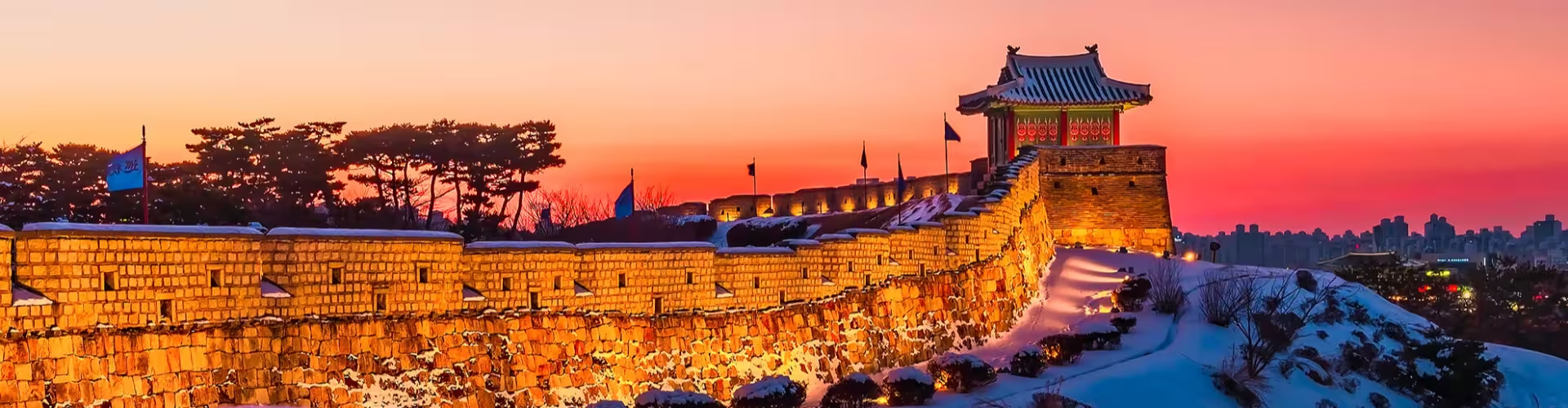
Suwon. A practical day trip for heritage architecture and fortification history. It is a good option when you want a slower cultural day outside the capital, with enough to see without feeling rushed.
Incheon coastal areas. As a gateway region, it can be more than an airport stop, with waterfront views and urban coastal vibes. It works well as a shorter day trip when you want sea air without committing to a longer transfer.
Gyeongju. Often seen as a deeper history destination, it rewards travelers who want heritage focused sightseeing beyond the main cities. It can be a long day trip depending on where you start, or better as an overnight add on if your itinerary allows.
Spring and autumn are popular for comfortable sightseeing weather and clear days for viewpoints. Summer can be hot and humid, while winter is colder but often less crowded.
Cards are widely used in cities, especially for shopping, cafes, and larger restaurants. Keeping some cash is helpful for market stalls and small purchases.
Two to three days can cover core highlights in one major city with time for markets and a cultural site. For a broader taste of South Korea, add extra days to include a second city or a nature focused day.
Fast rail is a convenient option for moving between major hubs, and it can save time compared with driving. In South Korea, it also makes day trips and multi city routes much easier to plan.
Bring comfortable walking shoes, light layers, and a small day bag for water and essentials. If you plan to hike, add basic trail ready clothing and check conditions locally when weather shifts.