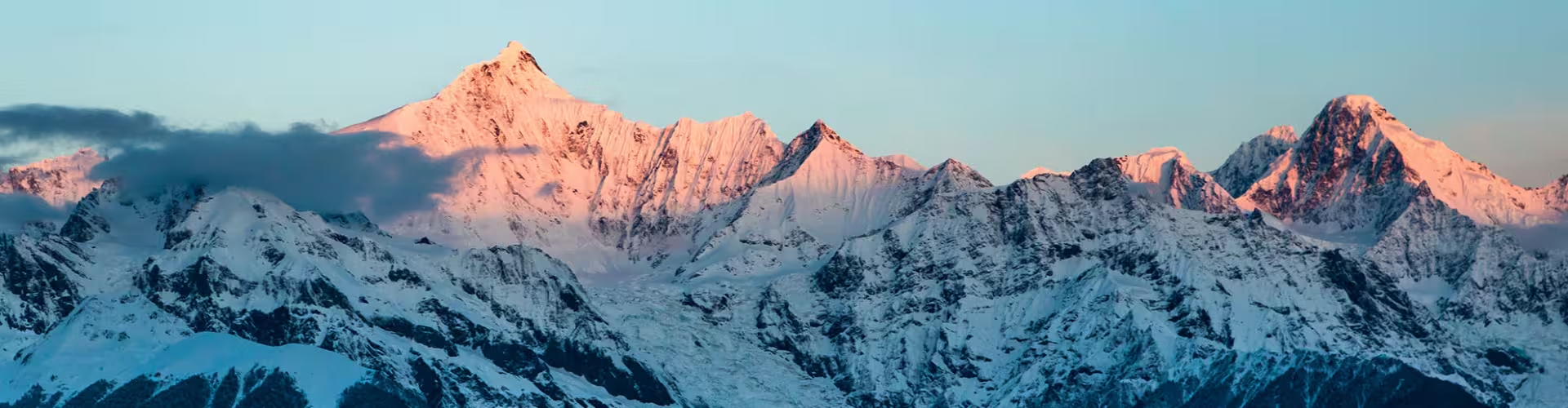

Tibet, often referred to as the “Roof of the World,” is a mystical region located in the Himalayas. Known for its stunning landscapes, rich culture, and spiritual allure, it is a compelling destination for any traveler. A Travel Guide to Tibet offers insights into its unique blend of natural beauty and religious heritage.
Situated in the southwest of China, Tibet is surrounded by majestic mountain ranges. Lhasa, the capital, is the primary gateway, accessible via flights from major Chinese cities like Chengdu and Beijing.
The best time to visit Tibet is from April to October when the weather is mild. Spring and autumn are ideal for festivals and photography, while summer offers lush landscapes.
Traveling in Tibet can be affordable. Credit cards are accepted in cities, but cash is essential in remote areas. Consider purchasing a travel pass for cultural sites.
Potala Palace: Explore this iconic landmark of Tibetan architecture and history; allow two hours for a visit.
Jokhang Temple: A pilgrimage site brimming with religious significance; visit early to avoid crowds.
Mount Everest Base Camp: Experience the thrill of the world's tallest peak; suitable for adventurous spirits.
Yamdrok Lake: Known for its turquoise waters and panoramic views; perfect for a day trip.
Norbulingka: The summer palace of the Dalai Lamas, enjoy the gardens in spring.
Barkhor Street: A hub for shopping and culture; ideal for an afternoon stroll.
Morning visit to the Potala Palace, lunch at a local Tibetan restaurant, and an afternoon exploring Jokhang Temple and Barkhor Street.
Day one covers Lhasa's highlights; day two includes a trip to Yamdrok Lake and Norbulingka.
Combine cultural sites with a day trip to the Mount Everest Base Camp for an unforgettable adventure.
Try momos (dumplings), thukpa (noodle soup), yak butter tea, and tsampa. Visit local markets for authentic flavors and dining experiences.
Public buses, taxis, and bicycle rentals are available in cities. For broader exploration, consider guided tours. Safety and accessibility are generally good.
Mount Everest Base Camp: A journey of a lifetime; allow a full day, weather permitting.
Namtso Lake: Known for its serene beauty; approximately a 4-hour drive from Lhasa.
Ganden Monastery: A spiritual retreat located about 40 kilometers from Lhasa; ideal for a morning visit.
Q: How many days do I need to explore Tibet?
A: Spending at least five days is recommended to fully enjoy Tibet’s main attractions and take a day trip.
Q: Are there any combo tickets available for attractions?
A: Yes, combo tickets for the Potala Palace and Jokhang Temple are available, offering savings on entry fees.
Q: What are the best neighborhoods to stay in Lhasa?
A: The Barkhor Street area offers cultural charm and proximity to attractions, while the newer parts of Lhasa provide modern amenities.
Q: What is the weather like in Tibet?
A: Summers are mild, ideal for outdoor activities, while spring and autumn are cooler, perfect for cultural tours.
Q: Is Tibet accessible for travelers with mobility issues?
A: Some attractions have steps and uneven terrain, but many areas are accessible with assistance. Plan ahead for specific needs.