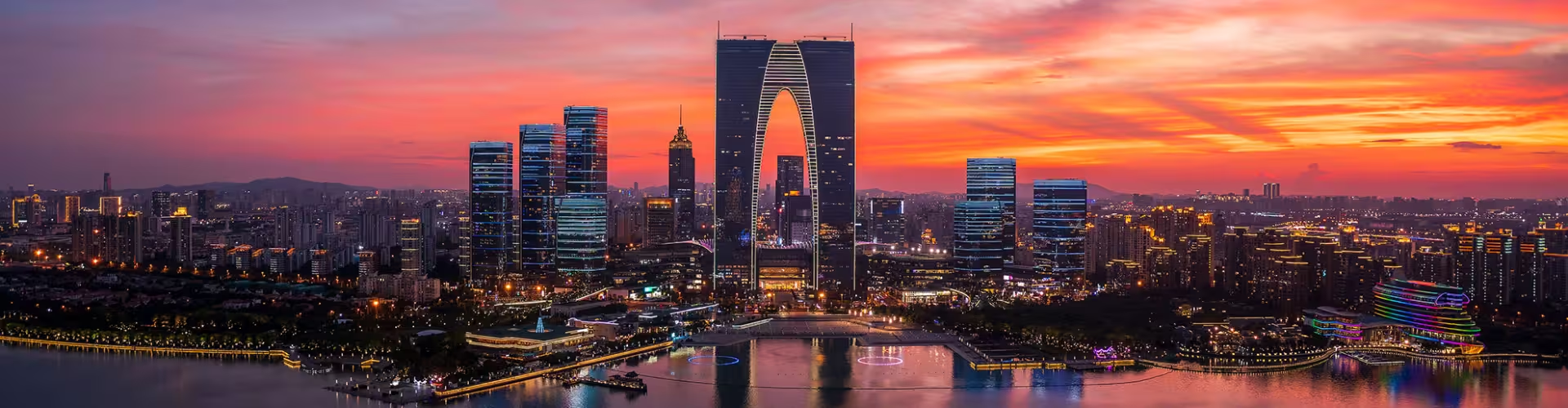
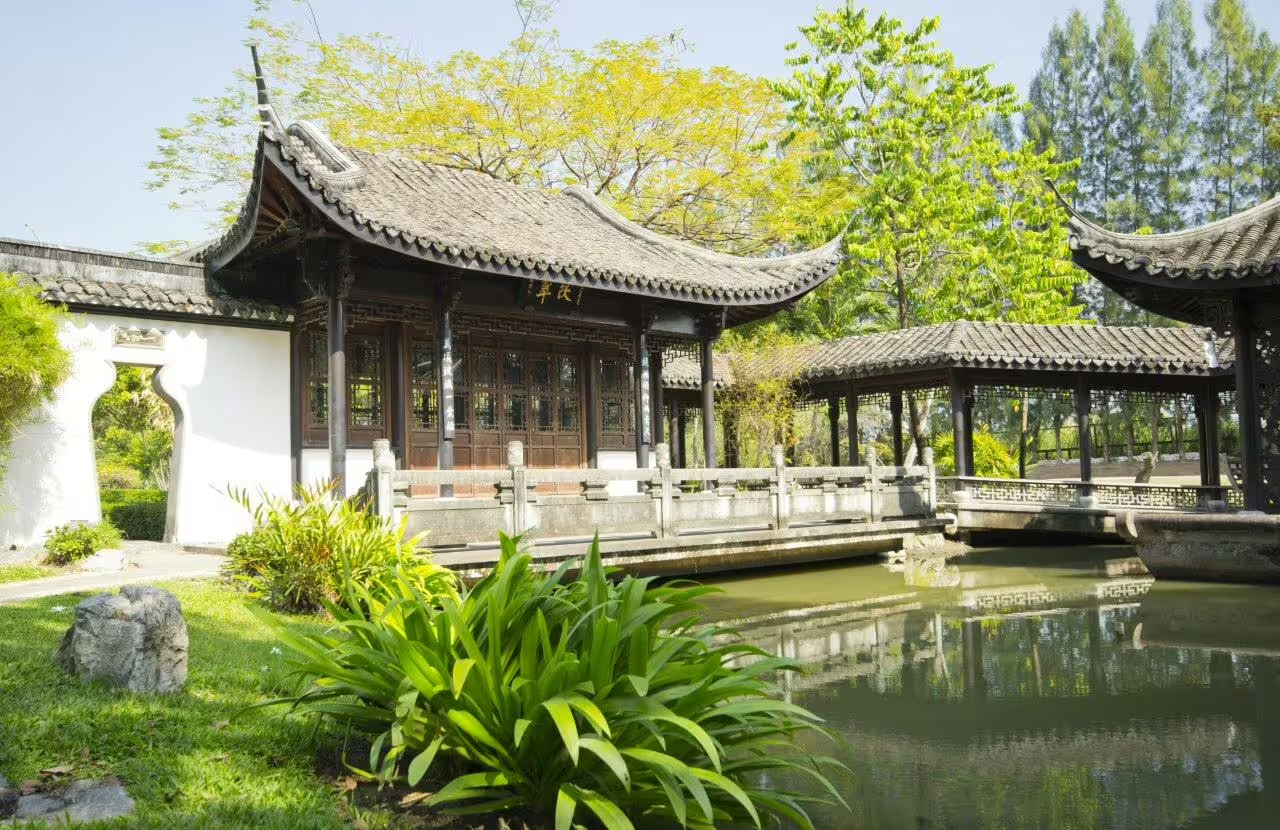
Suzhou, often referred to as the Venice of the East, is renowned for its classical gardens, picturesque canals, and silk industry. This Travel guide to Suzhou offers insights into its rich history and modern attractions, making it a compelling destination for travelers. Whether you're exploring its ancient streets or indulging in local cuisine, Suzhou promises an unforgettable experience.
Located in Jiangsu Province, China, Suzhou is easily accessible from Shanghai and Nanjing, with convenient train and bus connections.
The ideal times to visit are spring and autumn when the weather is mild, and gardens are in full bloom. Avoid the summer heat and holiday crowds.
Suzhou is affordable, with reasonable prices for food and attractions. Credit cards are widely accepted, but having cash for smaller vendors is advisable.
Humble Administrator’s Garden: A UNESCO World Heritage Site, this garden showcases classical Chinese landscaping; allow 2-3 hours for exploration.
Tiger Hill: Famous for its leaning pagoda, Tiger Hill offers panoramic views and a glimpse into Suzhou's history. Ideal for a half-day visit.
Shantang Street: Experience the charm of ancient Suzhou with a stroll along this historic canal street, lined with shops and teahouses.
Suzhou Museum: Designed by I.M. Pei, the museum houses a collection of ancient Chinese art and artifacts. Admission is free, but booking ahead is recommended.
Pingjiang Road: A well-preserved historic street perfect for an evening walk, offering local street food and boutique shops.
Silk Museum: Discover Suzhou's silk heritage through exhibits and live demonstrations; a must-visit for textile enthusiasts.
Start at the Humble Administrator’s Garden, have lunch on Shantang Street, and end the day with a visit to Pingjiang Road.
Include a morning at Tiger Hill, lunch at a local restaurant, and an afternoon in the Suzhou Museum. Spend the evening exploring the Silk Museum.
Add a day trip to the beautiful water town of Zhouzhuang, known for its ancient bridges and architecture.
Squirrel-shaped Mandarin Fish: A Suzhou specialty, crispy on the outside and tender inside, with a sweet and sour sauce.
Yangcheng Lake Hairy Crab: Best enjoyed in autumn, these crabs are celebrated for their rich roe and delicate flavor.
Suzhou Noodles: Try the local take on noodle soup, often topped with pork, eel, or shrimp.
Sweet and Sour Spare Ribs: A delightful dish combining sweetness and tang, often served as a starter.
Biluochun Tea: A fragrant green tea grown in the nearby Dongting Mountain, perfect for tea enthusiasts.
Suzhou’s public transport includes buses and a metro system, making it easy to navigate the city. Taxis and bike rentals are also available for convenience.
Zhouzhuang: A picturesque water town, just 1 hour away, known for its canals and Ming Dynasty architecture.
Tongli: Another charming water town, 30 minutes from Suzhou, famous for its stone bridges and quiet ambiance.
Hangzhou: Famous for West Lake, a 2-hour train ride offers a blend of natural beauty and cultural heritage.
Q: How many days should I spend in Suzhou?
A: Spending two to three days in Suzhou allows you to explore the main attractions and enjoy a day trip to a nearby water town.
Q: Are there any combo tickets available for Suzhou attractions?
A: Yes, combo tickets are available for several gardens and museums, offering savings on entry fees.
Q: What are the best neighborhoods to stay in Suzhou?
A: Staying near Shantang Street or Pingjiang Road provides easy access to attractions and local dining options.
Q: What is the weather like in Suzhou?
A: Suzhou has hot summers and mild winters. Spring and autumn are ideal for visits, with comfortable temperatures and blooming gardens.
Q: Is Suzhou accessible for travelers with mobility issues?
A: Many attractions, like the Suzhou Museum and Humble Administrator’s Garden, are accessible, though some areas may require assistance.