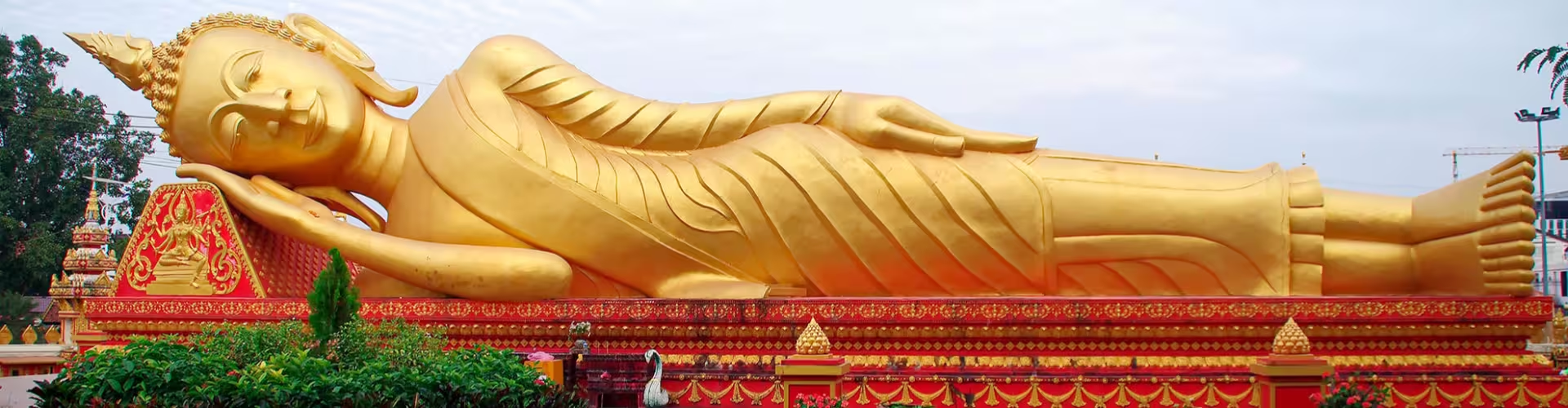


Vientiane, the laid-back capital of Laos, charms visitors with its peaceful rhythm, riverside sunsets, and a blend of traditional Buddhist temples and French colonial elegance. Nestled along the banks of the Mekong River, this small yet captivating city offers a calm alternative to the bustling capitals of Southeast Asia, making it an ideal place for travelers who appreciate both culture and relaxation.
At the heart of Vientiane stands Pha That Luang, the Great Stupa, a dazzling golden monument that is both a national symbol and the most sacred site in Laos. Originally built in the 3rd century and reconstructed in the 16th century, its shimmering tiers represent the ascent from the earthly realm to enlightenment.
Surrounded by temples and ornate structures, Pha That Luang is particularly stunning at sunset when the golden exterior glows warmly under the fading light. Visiting here offers not only a visual feast but also a chance to reflect on the deep spiritual traditions of the Lao people.
The oldest surviving temple in Vientiane, Wat Sisaket is renowned for its cloister walls filled with thousands of tiny Buddha images. Built in 1818, it has weathered centuries of change and remains a place of quiet contemplation.
Its graceful architecture, faded murals, and peaceful courtyards invite visitors to slow down and appreciate the artistry and devotion that shaped this sacred space. This temple offers an intimate glimpse into the country’s spiritual heritage.
Inspired by the Arc de Triomphe in Paris yet uniquely Laotian in design, Patuxai stands as a proud symbol of the nation’s resilience. Located in the heart of Vientiane, this grand monument commemorates those who fought for independence.
Climbing to the top rewards visitors with sweeping views of the city, the Mekong River, and the surrounding countryside. Along the way, intricate carvings and motifs reflect Buddhist and Hindu influences, making it both a cultural and architectural highlight.
As the day winds down, the Mekong riverside comes alive with locals and travelers strolling along the promenade. The Vientiane Night Market opens with rows of stalls offering handicrafts, clothing, and delicious street food.
Watching the sun sink behind the Mekong, casting golden and pink hues across the water, is one of the most memorable experiences in Vientiane. This is the perfect place to taste local snacks, meet friendly residents, and enjoy the city’s relaxed atmosphere.
For a taste of daily life, Talat Sao is an essential stop. This bustling market offers everything from fresh produce and spices to silk textiles and silver jewelry. While the main market operates in the morning, surrounding shops and stalls remain lively throughout the day, providing an authentic shopping experience.
📅 Best Time to Visit: November to February offers cooler, dry weather ideal for sightseeing.
🛵 Explore by Scooter: Renting a scooter is a convenient way to see temples and local neighborhoods.
🍜 Try Lao Cuisine: Sample laap, khao piak sen (rice noodle soup), and sticky rice with spicy dips.
🛶 Take a Mekong Cruise: Enjoy a river perspective of the city and nearby villages.
📸 Sunset Spots: Patuxai and the Mekong promenade offer some of the best evening photo opportunities.
Vientiane offers a rare blend of cultural richness and unhurried charm. From golden stupas and historic temples to evening markets and riverside strolls, it invites visitors to embrace a slower pace and savor authentic Lao life. Every moment spent here is a reminder that travel is not only about sights but also about the atmosphere and connections made along the way.
Whether you come for the temples, the river sunsets, or the warm hospitality, Vientiane will leave you with memories of peace and beauty. When you are ready to discover its treasures, Toursxplorer.com can connect you with experiences that bring the capital of Laos to life.