



Taito City

litt- Edo,

logoBlack

Build your dream
experience

dreamimg

More to know about Taito City


Taito City Travel Guide

Snapshot

Taito City is one of Tokyo's most culturally rich and historically layered districts, offering visitors an authentic window into the soul of old Edo. Nestled in the northeastern corner of central Tokyo, this compact ward packs in centuries of tradition alongside lively markets, serene temples, and world-class museums. Whether you are a first-time visitor to Japan or a seasoned traveler, Taito City delivers a depth of experience that few urban neighborhoods can match.


Geography and Logistics

Orientation

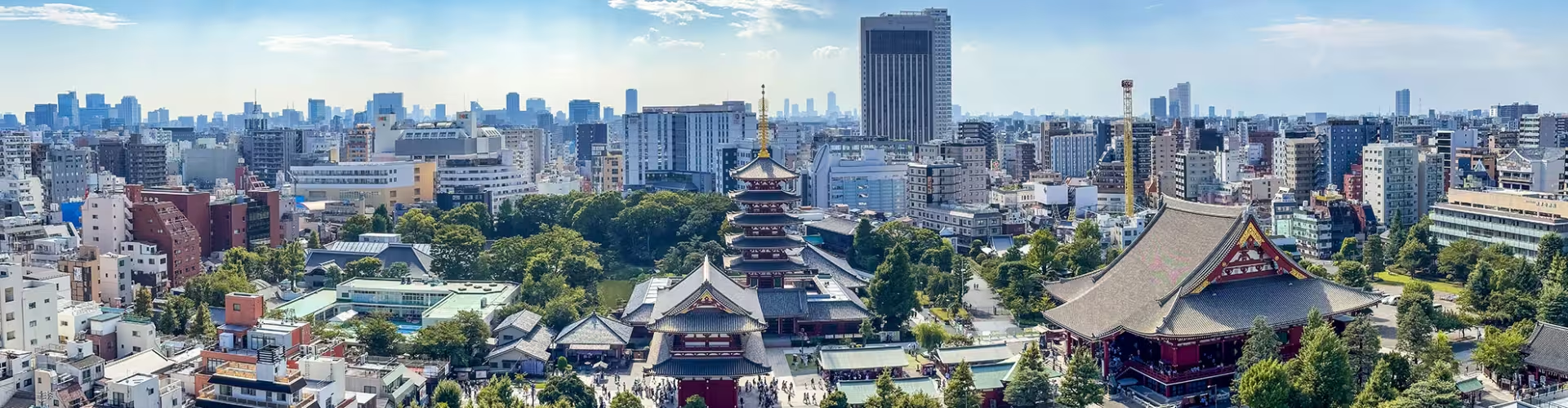
Taito City covers approximately 10.08 square kilometers in the eastern part of central Tokyo. It borders Sumida River to the east and is flanked by Chiyoda, Bunkyo, and Arakawa wards on its remaining sides. The district is home to two of Tokyo's most iconic neighborhoods: Asakusa, a historic entertainment and temple district, and Ueno, a cultural hub anchored by one of Japan's finest park-and-museum complexes.

When to Go

Spring, from late March to early May, is the most popular season thanks to the spectacular cherry blossom displays in Ueno Park. Autumn, from October to November, brings vivid foliage and comfortable temperatures ideal for walking. Summer festivals, particularly the Asakusa Samba Carnival and Sumida River Fireworks, draw enormous crowds in July and August. Winter is quieter but rewarding, with fewer tourists and crisp air that makes temple visits especially atmospheric.

Budget and Currency

Japan's official currency is the Japanese Yen (JPY). Taito City caters to a wide range of budgets, with street food and ramen bowls available from around 600 to 1,200 yen, and mid-range restaurant meals running 1,500 to 3,500 yen. Many smaller shops and older establishments are cash-only, so carrying yen is strongly recommended. ATMs at convenience stores such as 7-Eleven and Japan Post are the most reliable options for international cards.


Essential Things to Do

Senso-ji Temple
Tokyo's oldest and most visited temple is the spiritual heart of Asakusa. The iconic Kaminarimon gate, with its massive red lantern, opens onto Nakamise-dori shopping street, which leads to the main hall dedicated to the goddess Kannon. The temple grounds are open around the clock, making early morning visits particularly peaceful. Practical Tip: Arrive before 8:00 AM on weekdays to experience the temple without the midday crowds.

Ueno Park and Zoo
Ueno Park is one of Japan's first designated public parks and remains a beloved gathering space for locals and tourists alike. The park houses the Tokyo National Museum, the National Museum of Nature and Science, and the National Western Art Museum, all within easy walking distance of each other. The Ueno Zoo, Japan's oldest, is also located here and is a family favorite. Practical Tip: Purchase a combination museum pass at the park entrance for significant savings if you plan to visit multiple venues.

Tokyo National Museum
The Tokyo National Museum in Ueno is the largest art museum in Japan, with a collection spanning over 120,000 objects including samurai swords, ancient ceramics, and Buddhist sculpture. The main Honkan building is a masterpiece of imperial-era architecture. Allow at least two to three hours to explore the highlights. Practical Tip: The museum is closed on Mondays, so plan accordingly.

Nakamise-dori Shopping Street
This 250-meter pedestrian arcade connecting Kaminarimon to Senso-ji is one of Japan's oldest shopping streets. Stalls sell traditional souvenirs including ningyo dolls, folding fans, yukata fabric, and regional snacks. It is the ideal place to pick up edible gifts such as ningyoyaki cakes and agemanju fried bean-paste buns. Practical Tip: Shop early or late in the day to avoid the densest crowds and have more time to browse.

Yanaka Ginza
Located at the northern edge of the ward near Yanesen, this retro shotengai shopping street feels like a preserved slice of postwar Tokyo. Independent butchers, tofu shops, and tea houses line a short but charming stretch of road. The surrounding Yanaka neighborhood is known for its old cemetery, traditional temples, and laid-back, artsy atmosphere. Practical Tip: Visit on a weekend afternoon when local vendors are most active and the street has its liveliest energy.

Ameyoko Market
Stretching beneath the elevated JR train tracks between Ueno and Okachimachi stations, Ameyoko is a bustling open-air market with roots in the postwar black market era. Today it sells everything from fresh seafood and dried snacks to cosmetics, sportswear, and international foods. The atmosphere is fast-paced, noisy, and wonderfully chaotic. Practical Tip: Visit in the late afternoon when vendors begin to discount perishable goods, particularly seafood and fresh produce.

Sumida River Walk
The western bank of the Sumida River offers a scenic promenade with views of the Tokyo Skytree and traditional low bridges. The walk connects Asakusa to the Azumabashi bridge area and is best enjoyed at dusk when the lights begin to reflect off the water. Several river cruise operators depart from Asakusa Pier for short scenic journeys toward Odaiba. Practical Tip: Book Sumida River cruises in advance during spring and summer, as they fill quickly.

Shitamachi Museum
This small but thoughtful museum on the southern edge of Ueno Park reconstructs everyday life in the Shitamachi (downtown) districts of Tokyo during the Meiji and Taisho eras. Exhibits include full-scale recreations of merchant homes, candy shops, and copper workshops. It is an excellent introduction to the social history of old Tokyo. Practical Tip: Entry is very affordable, typically around 300 yen, making it one of the best value cultural stops in the area.


Curated Itineraries

The Highlights (1 Day)

Begin your morning at Senso-ji Temple before the crowds arrive, walking the full length of Nakamise-dori and pausing for a traditional breakfast of tamagoyaki at a nearby stall. Move on to Ameyoko Market for a mid-morning browse, then spend the bulk of your afternoon in Ueno Park. Visit the Tokyo National Museum or the National Museum of Nature and Science depending on your interests. End the day with a riverside stroll along the Sumida and dinner in Asakusa.

Deep Dive (2 to 3 Days)

On day one, follow the highlights itinerary above. On day two, dedicate the morning to Yanaka, exploring the cemetery, the Ginza shopping street, and the surrounding temple district. Spend the afternoon at the Shitamachi Museum followed by a visit to Ueno Zoo. On day three, book a morning Sumida River cruise, then explore the quieter backstreets of Asakusa including Kappabashi Kitchenware Town, where professional-grade cookware, plastic food models, and culinary supplies fill an entire district of shops.


Flavors of Taito City

Monjayaki: A savory Tokyo-style pancake cooked directly on a griddle at your table, monjayaki has a runnier consistency than Osaka's okonomiyaki and is deeply popular among locals. Look for it in casual izakayas around Asakusa.

Ramen: Several renowned ramen shops operate in the Ueno and Asakusa areas, offering rich tonkotsu broth and soy-based shoyu styles. Look for lines outside small counter-service shops as a reliable indicator of quality.

Ningyo-yaki: These small, sweet cakes molded into the shapes of traditional dolls, lanterns, and the Kaminarimon gate are the definitive Asakusa souvenir snack. They are filled with red bean paste and best eaten fresh.

Tempura: Asakusa has a long tradition of tempura restaurants dating back to the Edo period, when the dish was originally sold as street food. Several long-standing establishments offer set lunches at accessible prices.

Melonpan: A sweet, domed bread roll with a crisp cookie-like crust, melonpan is a beloved Japanese bakery staple. Several vendors along Nakamise-dori sell freshly baked versions, sometimes filled with cream or seasonal flavors.

Craft Beer and Sake: The Asakusa craft beer scene has grown considerably in recent years, with small taprooms offering locally brewed ales alongside an extensive range of Japanese sake. Ask staff for food-pairing recommendations specific to the local menu.


Navigation and Transport

The ward is exceptionally well connected by public transit. The Tokyo Metro Ginza Line serves both Asakusa and Ueno stations, while the Asakusa Line and Tsukuba Express also stop in Asakusa. The JR Yamanote Line and Keihin-Tohoku Line serve Ueno and Okachimachi stations. IC cards such as Suica or Pasmo are the most convenient payment method and work on all rail and most bus lines. Cycling is also a practical option, with several rental stations available near Asakusa. Walking between Asakusa and Ueno takes approximately 20 to 25 minutes on foot.


Beyond the Center: Day Trips

Nikko: Located about two hours north by express train, Nikko is home to the lavishly decorated Tosho-gu Shrine complex set in ancient cedar forest. It is one of Japan's most celebrated UNESCO World Heritage Sites and a natural extension of any Asakusa-area itinerary focused on historic Japanese architecture.

Kawagoe: Known as