Shibuya

logoBlack

Build your dream
experience

dreamimg

More to know about Shibuya


Shibuya Travel Guide

Shibuya is Tokyo at full volume, neon streets, fashion-forward crowds, and a nightlife pulse that keeps going long after the last shopping bag is packed. It is a district where global pop culture and everyday local routines share the same sidewalks, from landmark crossings to quiet backstreets with tiny bars. Use this guide to plan smarter, move confidently, and choose experiences that match your pace, whether you are here for a quick hit or a deeper stay.


Snapshot

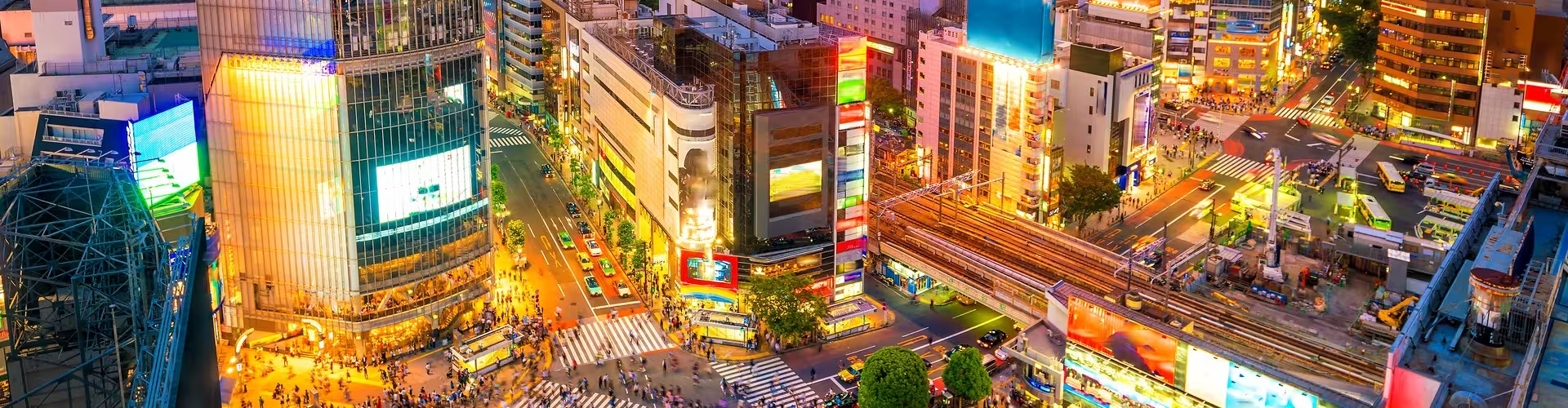
Shibuya feels like a live feed of modern Tokyo, fast, creative, and constantly changing, with a signature mix of street style, music, and late-night energy. Go now if you want a destination that is easy to navigate by train while still offering endless micro-neighborhoods to explore on foot. It is ideal for travelers who love people-watching, contemporary culture, and a good view over a sea of city lights.


🗺️ Geography and Logistics

📍 Orientation: Where is it within Tokyo and Japan?

Shibuya sits on Tokyo’s west side and works as a major hub connecting to nearby areas like Harajuku, Omotesando, and Shinjuku. The neighborhood is anchored by Shibuya Station, one of the city’s busiest rail nodes, making it a practical base for exploring the wider capital. For international arrivals, Tokyo is typically accessed via the region’s main gateway airports, then connected into the city by rail and airport transfer lines.

🕒 When to Go: Seasonal breakdown

Tokyo’s seasons strongly shape the experience here. Spring and autumn generally bring comfortable walking weather and a lively atmosphere as locals spend more time outdoors, which can mean heavier crowds around major landmarks. Summer can feel intense with heat and humidity, so plan indoor breaks in department stores, galleries, and cafes. Winter tends to be crisp and bright, with clear night views and fewer long outdoor waits if you time your visits well.

💰 Budget & Currency: Practical money tips

Japan uses the yen, and Tokyo is known for a wide range of spending levels, from budget eats to premium shopping. Cards are widely accepted in many retail and dining spots, but having cash helps for smaller eateries, quick snacks, and some late-night venues. A practical approach is to keep a small cash buffer for spontaneous stops, then use a card for larger purchases and transit top-ups.


⭐ Essential Things to Do

Shibuya Crossing
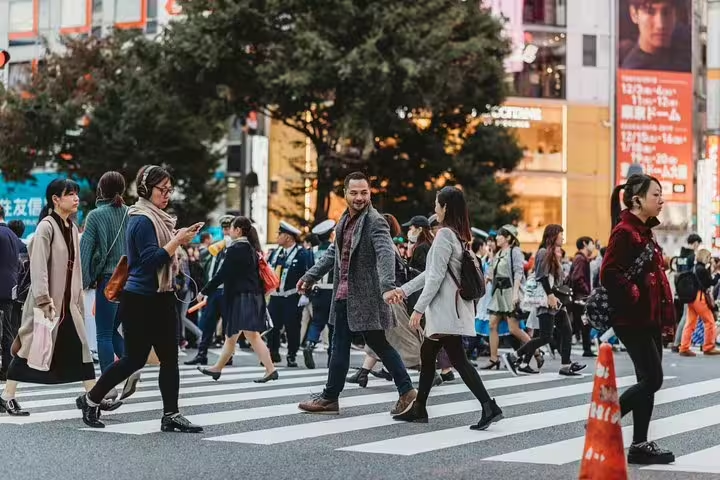
Why it matters: This is one of the most recognizable urban scenes in Japan, a choreography of pedestrians that captures the district’s high-energy identity. Watching the flow from street level is fun, but seeing it from above adds perspective on how the city moves. Practical tip: Visit once in daylight and once after dark to compare the mood and lighting for photos.

Hachiko Statue
Why it matters: The statue is a cultural touchstone tied to loyalty and local memory, and it has become a classic meeting point. It is also a useful landmark for orienting yourself right outside the station area. Practical tip: If you are meeting friends, agree on a specific side or nearby storefront to avoid confusion in the crowd.

Shibuya Sky
Why it matters: A rooftop observatory experience is one of the best ways to understand Tokyo’s scale and the way neighborhoods knit together. The appeal is not only the view, but the contrast between the calm of the sky deck and the rush of the streets below. Practical tip: Aim for late afternoon so you can catch the shift from daylight to city lights, and plan around weather for the clearest visibility.

Center Gai Street Walk
Why it matters: This is a concentrated slice of youth culture, bright signage, casual dining, and trend-driven retail. It is ideal for travelers who want to feel the district’s pulse without committing to a long itinerary. Practical tip: Go earlier in the day for easier walking, then return at night when the atmosphere becomes more electric.

Nonbei Yokocho
Why it matters: Narrow lanes and tiny bars offer a more intimate side of the area, closer to old Tokyo nightlife than the mega-club image many visitors expect. It is a great place to practice respectful bar etiquette and try small bites alongside a drink. Practical tip: Keep your group small, speak softly, and be ready to order at least one drink per person.

Shopping and Department Store Browsing
Why it matters: Retail here is not just shopping, it is a window into design, seasonal trends, and Japanese brand culture. Even if you do not buy, the food floors and pop-up events can feel like attractions on their own. Practical tip: Use department store basements for giftable snacks, then carry them in a separate bag to keep them neat.

Harajuku and Omotesando Connection
Why it matters: The walk or quick train hop between these areas gives you a curated contrast, playful street fashion in one direction and polished architecture in the other. Pairing them in one outing helps you see how Tokyo’s style spectrum changes block by block. Practical tip: Start in the quieter, design-focused streets, then finish in the busier zones once you are ready for crowds.

Live Music and Nightlife
Why it matters: The district has a strong reputation for contemporary music culture, from small venues to DJ nights, reflecting Tokyo’s creative scene. Even a single night out can add dimension beyond sightseeing. Practical tip: Check venue rules on photography and entry, and plan your last train timing if you are not staying nearby.


🚶 Curated Itineraries

⏰ The Highlights (1 Day)

Start at Shibuya Station and use the area’s landmark points to build momentum. Begin with the Hachiko meeting spot, then walk to Shibuya Crossing for street-level photos and a quick coffee break with a view. Spend midday browsing shops and food floors, then head to a skyline viewpoint for late afternoon light. End the evening with a casual dinner, then choose either a lively street stroll through Center Gai or a quieter drink in Nonbei Yokocho depending on your energy.

⏰ Deep Dive (2-3 Days)

Day one follows the highlights but adds time for slower discovery, including side streets where independent cafes and boutiques reveal a more local rhythm. Day two can connect the broader style corridor, pairing Harajuku and Omotesando with time to people-watch and explore architecture and storefront design. On day three, focus on nightlife culture and small venues, then balance it with a calmer morning, such as a late brunch and a final shopping loop for souvenirs. This pacing helps you experience both the headline sights and the subtler textures that make Shibuya feel personal.


🍽️ Flavors of Shibuya

Ramen
Taste profile: Rich broth, springy noodles, and toppings that range from delicate to deeply savory. Ordering tip: If a shop uses ticket machines, look for the most popular option on the top row to keep it simple.

Sushi
Taste profile: Clean, precise flavors where rice texture and fish freshness do the talking. Ordering tip: If you are unsure, start with a set to sample variety without overthinking.

Yakitori
Taste profile: Charcoal-grilled skewers with smoky aroma and salty-sweet glaze options. Ordering tip: Order a mix of classic cuts and seasonal vegetables, and pace your skewers with drinks.

Izakaya Small Plates
Taste profile: A social spread of savory bites, pickles, fried items, and comfort dishes designed for sharing. Ordering tip: Begin with two to three plates, then add more once you see portion sizes.

Tonkatsu
Taste profile: Crisp breaded pork cutlet with juicy interior, often paired with shredded cabbage and sauce. Ordering tip: Use sauce lightly at first so you can taste the crunch and meat quality.

Matcha Drinks and Desserts
Taste profile: Earthy green tea bitterness balanced by milk or sweetness in parfaits and soft serve. Ordering tip: If you prefer less bitterness, choose matcha latte styles rather than straight matcha desserts.


🚌 Navigation & Transport

Shibuya is designed for a mix of walking and rail, with Shibuya Station acting as the main connector to other Tokyo districts. On foot, you can cover major sights efficiently, but expect stairs, crowds, and frequent street crossings, so comfortable shoes matter. Public transit is the fastest way to hop to neighboring areas, and it also helps you avoid fatigue if you are stacking multiple neighborhoods in a day. For late nights, plan ahead for your return route, and consider licensed taxis or ride services when trains are no longer running, especially if you are traveling with luggage or prefer a direct drop-off.


🌄 Beyond the Center: Day Trips

Shinjuku
Travel time: Short rail ride. Reason to visit: Skyscraper views, major shopping, and a different nightlife layout that contrasts with Shibuya.

Harajuku
Travel time: Quick rail hop or walk depending on route. Reason to visit: Street fashion culture and a youthful, creative atmosphere.

Omotesando
Travel time: Close by via rail or walking links. Reason to visit: Design-forward storefronts and a more polished, architectural feel.

Asakusa
Travel time: Cross-city by metro. Reason to visit: A classic historical Tokyo district that balances the modern energy of Shibuya with traditional streetscapes.


✅ Insider Tips for Travelers

  • Use a clear meeting point near the station, crowds can make quick reunions harder than expected.
  • Do skyline viewpoints on a clear day, visibility is the difference between a good view and a great one.
  • Plan one indoor-heavy block each day, department stores and cafes are ideal for weather breaks.
  • Carry a small cash reserve for smaller eateries and nightlife spots.
  • Keep voices low in narrow alley bars, the vibe is intimate and locals appreciate quiet conversation.
  • Wear comfortable shoes, the district rewards wandering, but sidewalks and station corridors add up fast.

❓ Frequently Asked Questions, FAQ

What is the easiest way to get around the area?

Walking works well for nearby sights, but the station area can be crowded, so plan extra time. Use trains for quick hops to adjacent districts when your day includes multiple neighborhoods.

When is the best time of day to see the famous crossing?

Daytime shows the flow clearly and makes it easier to navigate. After dark, the lights and signage create a more dramatic city scene for photos.

How many days do I need for Shibuya?

One day covers the highlights at a brisk pace, especially if you focus on landmarks and a skyline view. Two to three days lets you explore side streets, shopping, and nightlife more comfortably in Shibuya.

Do I need cash, or can I rely on cards?

Cards are widely used in many shops and restaurants, particularly larger venues. Keep some cash for smaller eateries, quick snacks, and certain late-night spots.

Is Shibuya good for a late-night itinerary?

Yes, the area is known for nightlife and evening energy, from busy streets to small alley bars. Plan your return route in advance if you want to stay out late in Shibuya, especially if trains are no longer running.