Kyoto is Japan’s classic city of temples, gardens, and traditional neighborhoods, where quiet lanes and lantern-lit streets sit alongside a modern, easy-to-navigate urban core. This guide focuses on practical decision-making, what to prioritize, how to move around efficiently, and how to match experiences to your travel style. Use it to plan a first visit or to build a deeper return trip that balances iconic sights with slower, more atmospheric moments.
Kyoto feels refined and contemplative, with a signature vibe shaped by shrines, seasonal scenery, and the daily rituals of a living cultural capital. Go now for the city’s year-round appeal, where early mornings reward you with calmer streets and a more intimate sense of place. It is a destination that suits both fast-paced sightseeing and unhurried wandering, especially when you plan around crowds and transit.
Kyoto sits in the Kansai region of Japan, within Kyoto Prefecture, and it is closely connected to nearby Osaka and Nara. Many travelers use major Kansai transport hubs and then continue by rail into the city, which makes it straightforward to combine Kyoto with other Kansai stops. Within the city, districts feel distinct, so it helps to group sights by area to reduce backtracking.
Seasonality shapes the experience as much as the sightseeing. Spring is associated with cherry blossom scenery and higher demand, while autumn is known for crisp air and vivid foliage, which can also mean heavier crowds. Summer can feel more intense, so planning earlier starts and shaded breaks can improve comfort, while winter often brings a calmer pace and a more contemplative atmosphere at temples and gardens.
Japan uses the yen, and travel costs in Kyoto can vary widely depending on lodging style, dining choices, and how many paid attractions you include. Cards are commonly accepted in many places, but carrying some cash is still useful for smaller eateries, local shops, and simple purchases. A practical approach is to budget for a few “must-do” paid highlights, then balance them with free neighborhood walks and scenic viewpoints.
Fushimi Inari Taisha. The famous path of vermilion torii gates creates one of the most memorable walks in Kyoto, with shifting light and forested sections that feel increasingly quiet as you climb. It matters because it combines spiritual atmosphere with a rewarding, self-paced hike. Practical tip, start early for better photos and a calmer experience, and continue beyond the first dense gate area for more breathing room.
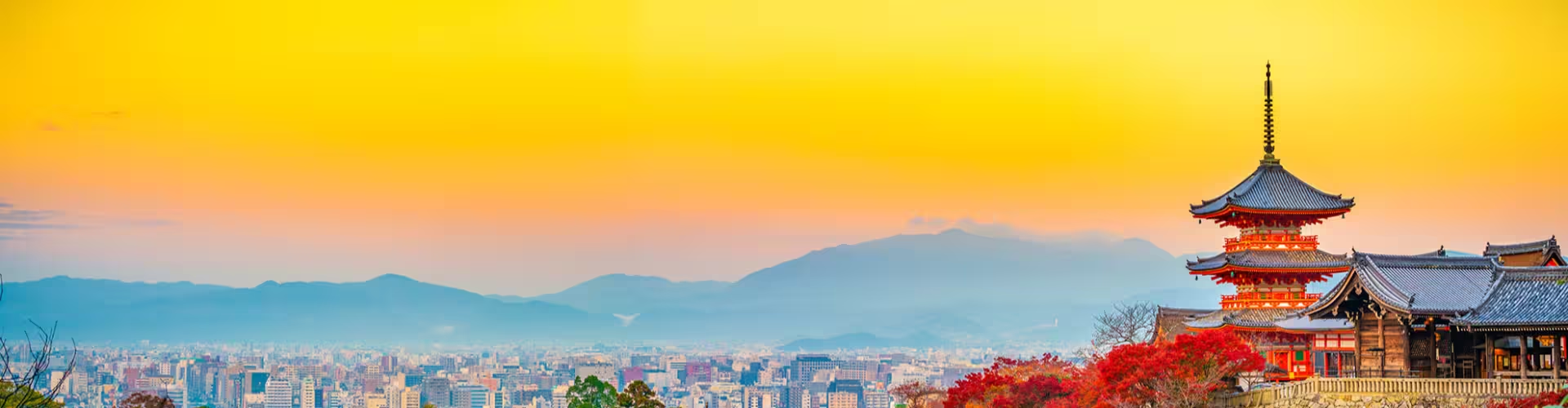
Kiyomizu-dera. This landmark temple is strongly tied to the city’s historic identity and hillside scenery. It matters because the approach streets and viewpoints help you understand how Kyoto layers sacred sites into everyday neighborhoods. Practical tip, pair it with a slow walk through nearby lanes, and aim for off-peak hours to reduce congestion on narrow streets.
Arashiyama Bamboo Grove and riverside area. Arashiyama is a classic nature-and-culture combo, known for its bamboo, river views, and relaxed strolling energy. It matters because it shows a greener, more spacious side of Kyoto that contrasts with the central city. Practical tip, arrive early to enjoy the bamboo paths before peak foot traffic, then linger by the water for a calmer reset.
Kinkaku-ji, the Golden Pavilion. This iconic sight is a powerful visual symbol, with reflective water and carefully composed garden views. It matters because it showcases the aesthetics of Japanese garden design and the city’s historical prestige. Practical tip, keep your visit efficient, then combine it with another nearby area to make the most of transit time.
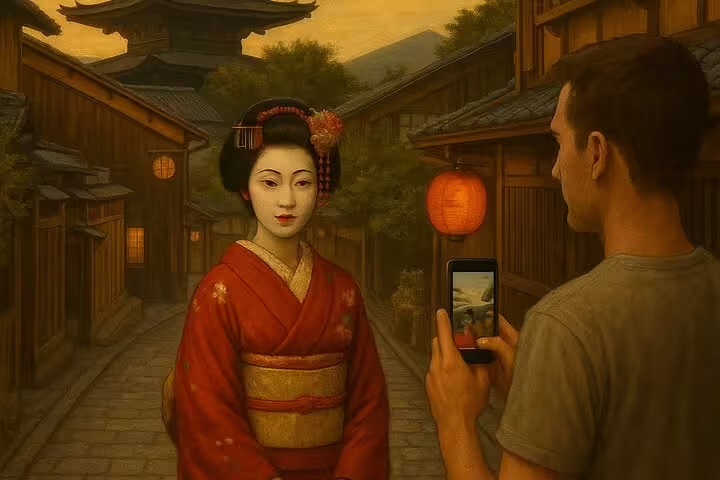
Gion district evening walk. Gion is associated with traditional architecture and the atmosphere of old entertainment quarters. It matters because it offers a sense of Kyoto after dark, when streets feel more cinematic and the pace shifts. Practical tip, keep voices low, follow local etiquette around photography, and treat it as a respectful stroll rather than a chase for sightings.
Nishiki Market. This covered market is a convenient way to sample local flavors and food culture in a short time. It matters because it connects you to everyday culinary life beyond formal restaurants. Practical tip, go hungry, pace yourself, and treat it as a tasting route rather than a single meal.
Philosopher’s Path. This canal-side walk is loved for its gentle rhythm and seasonal beauty. It matters because it encourages a slower pace, which is often the best way to experience Kyoto. Practical tip, build in time to pause at small temples and cafés nearby, and choose morning for a quieter feel.
Nijo Castle area. Visiting a castle site adds a different layer to the city’s story, shifting from temple culture to political history and design. It matters because it broadens your understanding of how power and aesthetics shaped the region. Practical tip, pair it with nearby neighborhoods for an easy, low-transit day.
Start with an early visit to Fushimi Inari Taisha to enjoy the gates before the busiest hours, then continue to the Higashiyama area for Kiyomizu-dera and a walk through historic lanes. In the afternoon, shift to a food-focused break at Nishiki Market to refuel and reset. End with an evening stroll in Gion, keeping the experience calm and respectful, and letting the atmosphere be the highlight rather than a checklist.
Day 1, focus on southern and eastern Kyoto, combining Fushimi Inari Taisha, Kiyomizu-dera, and nearby lanes at a walking pace. Day 2, dedicate a morning to Arashiyama for bamboo and riverside scenery, then return to the center for markets and neighborhood exploration. Day 3, slow down with the Philosopher’s Path and a garden-focused day, adding a castle visit for variety, and leaving space for cafés, small museums, or spontaneous detours that match your interests.
Kaiseki. A multi-course style that emphasizes seasonality, balance, and visual presentation. Ordering tip, choose a set menu that fits your schedule, since it is designed as a paced experience rather than a quick meal.
Yudofu. A gentle tofu hot pot that feels especially comforting in cooler weather. Ordering tip, pair it with simple sides and allow time to eat slowly, since the appeal is in its calm, minimal flavor profile.
Matcha and matcha sweets. Rich, slightly bitter green tea notes often balanced with sweetness in desserts. Ordering tip, if you are sensitive to bitterness, start with a matcha latte style drink before moving to stronger tea.
Soba or udon. Noodle dishes that range from light broths to more savory, hearty bowls. Ordering tip, look for seasonal toppings, which often reflect local ingredients and weather.
Tempura. Lightly battered and fried items that can be delicate when served fresh. Ordering tip, eat it soon after it arrives, since texture is a key part of the experience.
Taiyaki style snacks and market bites. Handy street-friendly options when exploring shopping streets and markets. Ordering tip, consider sharing a few items so you can taste more without getting too full too early.
Kyoto is highly walkable in many sightseeing areas, especially within historic districts where short distances reveal changing scenery and small details. Public transit is useful for connecting neighborhoods, and planning your days by zone can reduce time spent transferring. Ride-hailing or taxis can be helpful for specific hops when you are short on time, traveling with luggage, or aiming to reach a trailhead early. For comfort and safety, wear supportive shoes, keep an eye on bikes in shared spaces, and expect narrow lanes in older areas that can feel crowded at peak times.
Nara. Often paired with Kyoto, Nara is known for major temples and a park atmosphere. Travel time varies by route, and it is commonly approached by rail. Primary reason to visit, it offers a compact, high-impact cultural day that complements Kyoto’s neighborhoods.
Osaka. A nearby city that contrasts with a more energetic urban vibe and a strong food scene. Travel time varies, and rail connections make it a practical add-on. Primary reason to visit, it is an easy way to diversify your Kansai trip with a different pace.
Uji. Closely associated with tea culture and riverside scenery. Travel time varies, and it is typically reached by rail. Primary reason to visit, it is a focused half-day or day centered on matcha heritage and a calmer atmosphere.
Lake Biwa area. A nature-oriented escape with lakeside views. Travel time varies depending on your target stop. Primary reason to visit, it adds open-air scenery and a break from city walking.
One day can cover a few major sights if you start early and keep your route tight. Two to three days gives you space for neighborhoods, markets, and slower walks without feeling rushed.
Arrive in the morning and prioritize one headline sight before mid-day. Planning by neighborhood also helps, since you spend less time in transit and more time exploring quieter side streets.
Yes, Kyoto works well with walking plus public transit for longer hops. A car can be more hassle than help in busy areas, especially where streets are narrow and parking is limited.
Cards are commonly accepted, but cash is still useful for smaller eateries and local shopping streets. Keeping a small amount of yen on hand makes day-to-day purchases smoother.
Yes, Kyoto is well positioned for rail-based day trips like Nara, Osaka, and Uji. Choose one destination per day to keep travel time comfortable and maintain a relaxed pace.