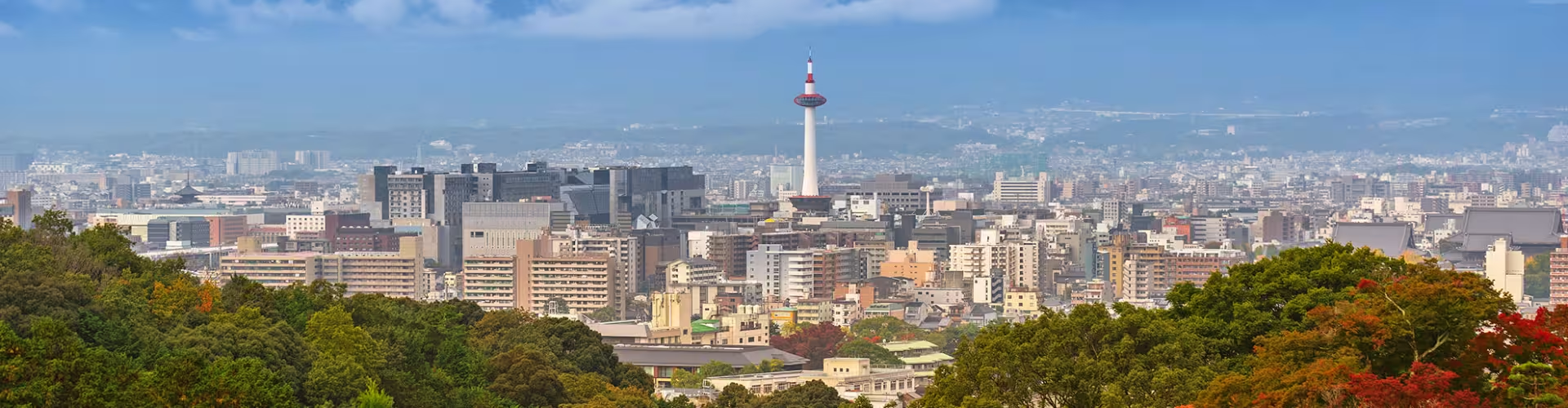
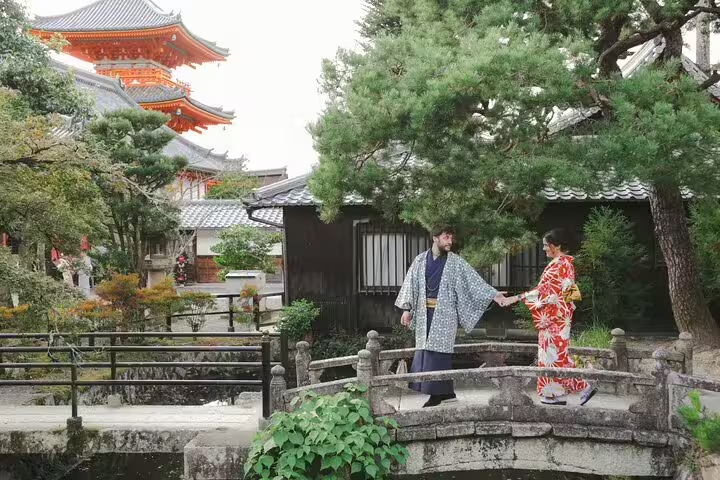
Kyoto Prefecture is where living ritual, refined craftsmanship, and nature-forward escapes come together in a way that feels both intimate and iconic. Think temple bells at dawn, lantern-lit lanes in the evening, and quiet rural scenery that starts surprisingly close to the city core. This guide focuses on practical choices, what to prioritize, how to move efficiently, and how to experience the destination with care and confidence.
Kyoto Prefecture balances timeless culture with a calm, contemplative pace, even when the most famous sights are busy. Go for the contrast between polished city neighborhoods and the soft edges of mountains, rivers, and coast. It is especially rewarding if you plan your days around early starts, seasonal scenery, and a few reservations that protect your time on the ground.
Kyoto Prefecture sits in the Kansai region, with strong rail connections to Osaka, Nara, and Kobe, making it a natural base for a multi-city Japan trip. Most travelers arrive via major Kansai transport hubs and then continue by train into Kyoto City, which acts as the main gateway for exploring the wider prefecture. Once you are in Kyoto, day trips by rail and bus can reach forested valleys, tea-growing areas, and coastal scenery without needing a car in many cases.
Spring is known for mild weather and peak interest, which often means heavier crowds around famous temples and scenic streets. Summer can be hot and humid, but it also brings evening atmosphere, festivals, and a reason to plan around shaded gardens, riverside walks, and indoor cultural stops. Autumn is a classic season for crisp air and vivid foliage, while winter tends to be quieter, with a serene feel at shrines and temples and a stronger emphasis on warm foods and indoor experiences.
Japan uses the yen, and you will find a mix of card-friendly businesses and cash-preferred small shops, especially in traditional shopping streets and local eateries. Keep some cash on hand for small purchases, transit top-ups, and market snacks, then use cards where accepted for hotels and larger restaurants. For budgeting, plan for a range of options, from quick noodle counters and takeaway sweets to higher-end kaiseki-style dining, and remember that reservable experiences can help you avoid wasting time in lines.
Fushimi Inari Taisha
Why it matters, it is one of the most recognizable shrine landscapes in Japan, and walking through the torii tunnels becomes more immersive the farther you go. The atmosphere changes quickly as the crowds thin and the forest quiets down. Practical tip, start early in the morning or visit near dusk for softer light and a calmer climb.
Kiyomizu dera and the Higashiyama lanes
Why it matters, this area captures the classic Kyoto streetscape, with sloping lanes, traditional facades, and viewpoints that make the city feel layered and historic. It is also a strong place for crafts and small sweets that are easy to sample as you explore. Practical tip, arrive early and walk downhill through the lanes afterward to keep the flow easy and photo-friendly.
Arashiyama and the riverside
Why it matters, Arashiyama blends nature and culture, with a scenic river setting and a sense of escape that still feels connected to the city. It is a good choice when you want a slower pace and more greenery. Practical tip, pair an early visit with a longer riverside stroll, then add a temple or garden stop to balance scenery with history.
Kinkaku ji, the Golden Pavilion
Why it matters, it is a visual icon that showcases the aesthetic of reflecting water, carefully framed views, and the kind of beauty that feels designed for contemplation. The experience is short but memorable, and it works well as part of a larger north Kyoto route. Practical tip, go earlier to reduce crowd pressure and keep your schedule flexible for nearby stops.
Nishiki Market
Why it matters, it is a compact way to understand local flavors, pantry staples, and seasonal snacks, all in one walkable corridor. It also helps first-time visitors learn what to order later at restaurants by seeing ingredients up close. Practical tip, visit mid-morning, share small bites, and keep moving so you can sample more without feeling rushed.
Gion and evening walks
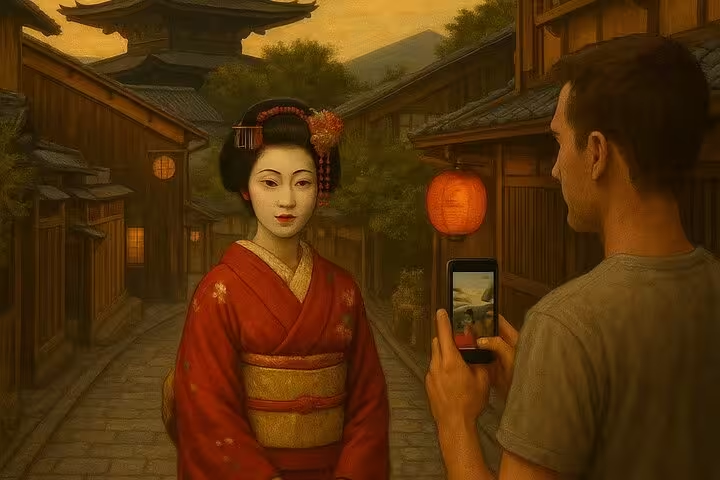
Why it matters, the atmosphere after dark highlights Kyoto’s quieter elegance, with lantern light, narrow lanes, and a sense of place that feels cinematic. It is also a good area to practice respectful travel habits, since many streets are residential or tied to traditional arts. Practical tip, keep voices low, do not block doorways, and treat photos as optional rather than the goal.
Uji tea culture
Why it matters, Uji is closely associated with Japanese green tea, and it offers a different rhythm from central Kyoto, with riverside scenery and tea-focused cafés and shops. It is an easy way to add a craft and agriculture story to your itinerary. Practical tip, try a small tasting or dessert flight, and buy tea as a practical souvenir that travels well.
Philosopher’s Path and nearby temples
Why it matters, it is a gentle walk that encourages slow travel, connecting scenic canal views with temple neighborhoods. It is especially rewarding when you want a quieter morning with fewer hard time slots. Practical tip, start earlier for a calmer walk, then choose one or two temples nearby rather than trying to see everything.
Start early at Fushimi Inari Taisha to experience the torii paths before the day warms up and the crowds build. Move next to the Higashiyama area for Kiyomizu dera and a downhill walk through traditional lanes, then take a break with a market-style lunch at Nishiki Market. In the late afternoon, shift to Gion for an evening stroll that focuses on atmosphere, small side streets, and a relaxed dinner plan.
On day one, prioritize eastern Kyoto, pairing Kiyomizu dera with a slower loop that includes the Philosopher’s Path area, so you get both iconic views and a softer, residential feel. On day two, head west to Arashiyama for nature, riverside scenery, and a temple or garden stop, then add Kinkaku ji on a north Kyoto route if timing works. On day three, use the rail network for a change of pace, such as a tea-focused half day in Uji, or choose a coastal or countryside direction depending on what you want most, scenery, food, or quiet.
Kaiseki
Taste profile, a multi-course expression of seasonality, balance, and technique, often moving from delicate to richer flavors. Ordering tip, book ahead when possible and tell the restaurant about dietary restrictions early, since the menu can be set.
Yudofu
Taste profile, warm, clean, and comforting, with tofu as the star and simple condiments that let texture shine. Ordering tip, look for it near temple areas where it is a classic choice after a morning of sightseeing.
Obanzai
Taste profile, home-style small plates that highlight vegetables and gentle seasoning, ideal for trying several local staples in one meal. Ordering tip, choose a set that includes multiple dishes so you can sample variety without over-ordering.
Matcha and Uji tea sweets
Taste profile, grassy, slightly bitter, and aromatic, often paired with sweetness in desserts for balance. Ordering tip, try a smaller portion first if you are new to matcha, then upgrade to a richer item once you know your preference.
Soba and udon
Taste profile, soothing broths, clean noodles, and customizable toppings that work well year-round. Ordering tip, pay attention to hot versus cold options, since cold noodles can be ideal in warmer months.
Tsukemono
Taste profile, crisp, tangy pickles that cut through richer foods and add texture to meals. Ordering tip, buy small assorted packs so you can taste different styles without committing to one large quantity.
Within Kyoto City, walking is often the best way to appreciate details, especially in historic neighborhoods where short distances reveal a lot of atmosphere. Public transit connects major zones, but travel times can vary, so group nearby sights into clusters rather than zigzagging across the city. Taxis can be useful for short hops when you are trying to protect a reservation time or reduce transfers, and they can be especially helpful if you are traveling with luggage or have mobility concerns.
For moving beyond the city, trains are the backbone for many routes in Kyoto Prefecture, with buses filling in the last-mile gaps to rural areas. Plan for earlier starts when you have a long day trip, and keep a buffer for transfers. In busy seasons, prioritize timed entries and pre-booked experiences, so your transport plan supports your day instead of dictating it.
Uji
Travel time, typically a short train ride from central Kyoto. Primary reason to visit, tea culture, riverside scenery, and a calmer pace that complements temple-heavy days.
Amanohashidate
Travel time, longer rail journey, often planned as a full-day outing. Primary reason to visit, one of Japan’s celebrated scenic views, with coastal air and a different landscape from the city.
Kurama and Kibune area
Travel time, reachable by local rail and short transfers depending on your route. Primary reason to visit, mountain atmosphere, forest walks, and a refreshing change from urban neighborhoods.
Arashiyama (as a half day from central Kyoto)
Travel time, straightforward by rail. Primary reason to visit, nature-forward scenery and a flexible mix of riverside views and cultural stops.
Q1: How many days do I need for Kyoto?
A: One day covers major highlights at a fast pace, but it can feel rushed. Two to three days lets you cluster sights by area and include a slower neighborhood walk.
Q2: What is the best time of day to visit Fushimi Inari Taisha?
A: Early morning is ideal for cooler temperatures and fewer people on the paths. Late afternoon into dusk can also be atmospheric if you prefer softer light.
Q3: Do I need cash in Kyoto Prefecture?
A: Yes, carrying some cash in Kyoto Prefecture is practical for small eateries, market snacks, and certain local shops. Cards are widely used in many hotels and larger businesses, so a mix works best.
Q4: Is public transport enough to get around?
A: In the city, a mix of walking and public transit is usually sufficient if you plan by neighborhood. For rural corners and some day trips, trains plus buses work well, but you should allow extra time for transfers.
Q5: Can I do day trips from Kyoto Prefecture without renting a car?
A: Many popular day trips are doable by train, sometimes paired with short bus rides. For farther coastal or countryside areas in Kyoto Prefecture, starting early helps you keep the day comfortable.