Tel Aviv is Israel’s high energy coastal city, where Mediterranean beaches, Bauhaus boulevards, and a late night food culture sit side by side. This guide focuses on practical planning, neighborhood orientation, and experience led choices so you can build a trip that matches your pace. Expect a mix of sea views, market browsing, design forward streets, and easy access to historic sites nearby.
Tel Aviv feels modern, creative, and beachy, with a rhythm that moves from café mornings to sunset promenades and lively nights. Go for the mix of urban culture and shoreline relaxation, plus the city’s reputation as one of the region’s strongest dining hubs. It is a destination that rewards travelers who like to walk, snack as they explore, and stay out later than planned.
Tel Aviv sits on Israel’s Mediterranean coast, roughly between Haifa to the north and Jerusalem inland to the east. For most international arrivals, the main gateway is Ben Gurion Airport, which serves as the country’s primary air hub and links efficiently to the Tel Aviv area. The city’s central neighborhoods are compact, with the beach on the west side and older historic areas like Jaffa to the south.
Expect a classic Mediterranean pattern, with hot, dry summers and mild, wetter winters. Summer brings peak beach weather and higher crowd levels, while shoulder seasons tend to balance pleasant temperatures with a calmer feel. Winter can be a smart choice for museums, markets, and food focused itineraries, with occasional rain that makes indoor planning useful.
Israel uses the Israeli New Shekel, and cards are widely accepted in urban areas, including most restaurants, cafés, and shops. Keep some cash for small purchases, market stalls, and tips where relevant. Tel Aviv is often perceived as one of the pricier cities in the region, so planning around free beach time, market meals, and walkable neighborhoods can help balance costs.
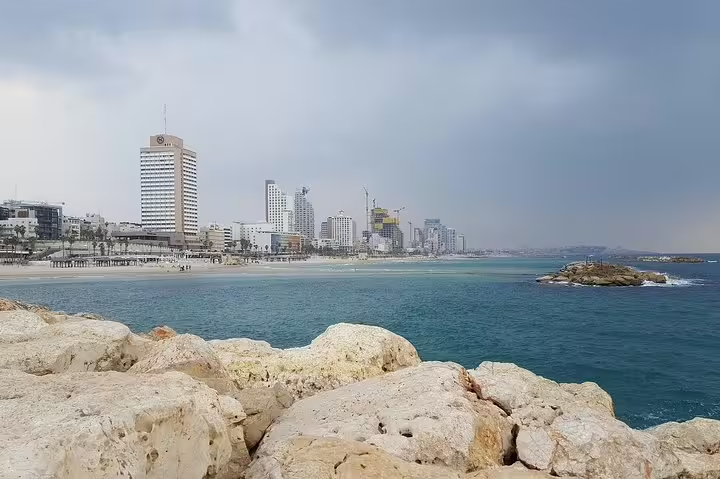
Stroll the Tel Aviv Promenade
Why it matters: The seafront walkway is where the city’s beach culture becomes visible, with runners, cyclists, and sunset watchers sharing the same golden light. It is an easy way to connect beaches, cafés, and viewpoints without over planning. Practical tip: Go near sunset for softer photos and cooler temperatures, then continue into dinner nearby.
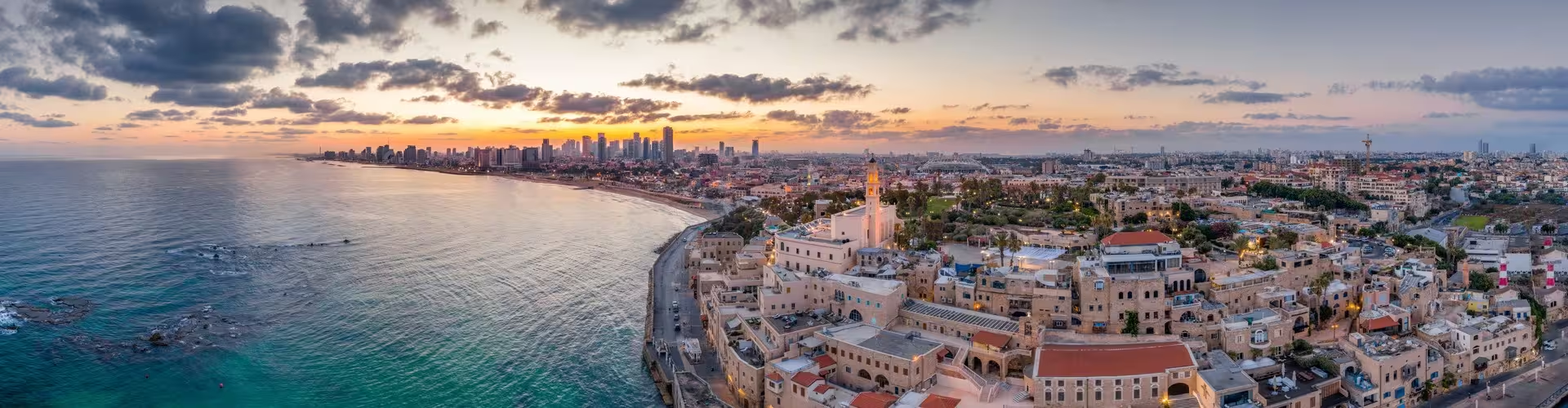
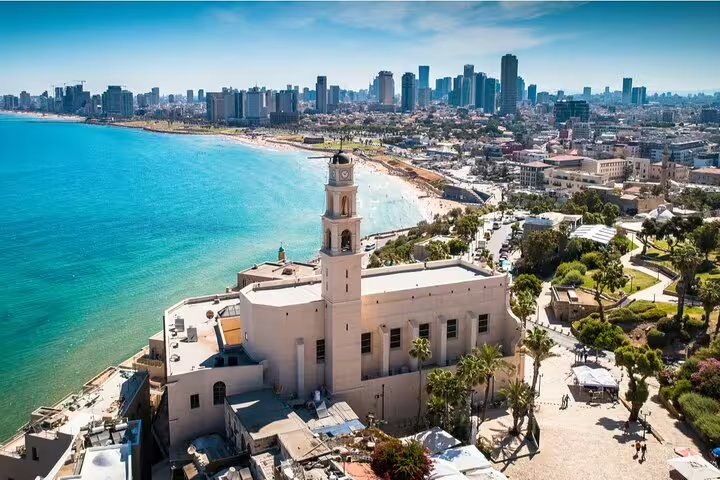
Explore Jaffa Old City
Why it matters: Jaffa adds depth to a Tel Aviv trip, with a historic port atmosphere and stone lanes that contrast with the modern city grid. It is ideal for slow wandering, galleries, and viewpoints over the Mediterranean. Practical tip: Wear comfortable shoes, the paths can be uneven, and plan to pair it with a long lunch or a market stop.
Browse Carmel Market
Why it matters: This is a sensory snapshot of local life, with produce, spices, snacks, and quick bites that make it easy to taste your way through the city. It also helps you understand everyday Israeli ingredients and food habits. Practical tip: Arrive earlier for a calmer experience, then return later for a livelier vibe and street food energy.
Walk Rothschild Boulevard and the White City
Why it matters: The boulevard is a signature urban spine, lined with cafés and shaded stretches that show off the city’s design minded identity. The surrounding White City area is known for Bauhaus architecture, adding cultural context to the city’s modern look. Practical tip: Do this walk in the morning, then pause for coffee, people watching is part of the experience.
Spend a Beach Day, Then Stay for Golden Hour
Why it matters: The beach is not just a backdrop, it is a daily ritual that shapes the city’s mood. Even a short swim or a towel break can reset your itinerary and keep the trip from feeling rushed. Practical tip: Pack sunscreen and water, then plan a simple dinner nearby so you do not need to change locations at peak evening traffic.
Visit a Local Museum or Gallery Cluster
Why it matters: Tel Aviv has a strong contemporary creative scene, and museum time adds balance to a trip built around food and walking. It is also a good option when the midday sun is intense. Practical tip: Use museums as your midday anchor, then head back out for markets and the beach later.
Take a Food Focused Evening in the City
Why it matters: Dining is one of the city’s strongest draws, and evenings are when neighborhoods feel most alive. A food plan helps you avoid spending the best hours deciding where to go. Practical tip: Make a short list of places near each other, then keep your route walkable so you can add a dessert stop without extra transport.
Shop Independent Boutiques and Concept Stores
Why it matters: The city’s style is part of its identity, and browsing local design gives you a different angle than beaches and markets. It is also a practical way to pick up travel essentials if you pack light. Practical tip: Combine shopping with a café break, and aim for late morning or late afternoon to avoid the hottest hours.
Start with a morning walk along Rothschild Boulevard to get a feel for the city’s architecture and café culture. Continue to Carmel Market for a snack style lunch, then head toward the beach for a swim or a promenade stroll. Finish the day in Jaffa for sunset views and a relaxed dinner, keeping your evening flexible for a second round of drinks or dessert back in central Tel Aviv.
Day 1 focuses on core city orientation, including the boulevard, market time, and a beach evening. Day 2 adds a museum or gallery block during midday heat, plus a longer neighborhood walk that includes boutique browsing and café stops. Day 3 can be your flexible day, either a slower beach morning followed by Jaffa exploration, or a day trip outside the center if you want contrast and historical context.
Hummus
Taste profile: Creamy, nutty, and often served with warm bread and toppings that add richness. Ordering tip: Ask what the house specialty is, some places focus on a specific style or topping combination.
Falafel
Taste profile: Crisp outside, herbaceous inside, usually tucked into pita with salads and sauces. Ordering tip: Request extra tahini or spicy sauce if you like a bolder finish.
Shakshuka
Taste profile: Eggs poached in a savory tomato and pepper sauce, comforting and filling. Ordering tip: It is often best shared, add bread for dipping and consider ordering a side salad for balance.
Sabich
Taste profile: A hearty pita stuffed with fried eggplant, egg, and fresh salads, with tangy sauces tying it together. Ordering tip: If you are sensitive to heat, ask for sauces on the side so you can control the spice level.
Fresh Market Juice
Taste profile: Bright, refreshing, and ideal after walking in warm weather. Ordering tip: Choose seasonal fruit blends, and ask for less sugar if you prefer a cleaner taste.
Israeli Salad
Taste profile: Chopped vegetables with lemony freshness, often served alongside grilled dishes and spreads. Ordering tip: Pair it with hummus and warm bread for a lighter meal that still feels complete.
Tel Aviv is highly walkable in central areas, and walking is often the best way to connect cafés, markets, and the beach without losing time. Public transit and ride sharing can help when you are moving between neighborhoods, especially in hotter weather or when you want to reach Jaffa more quickly. For comfort and safety, carry water, use sun protection in summer, and plan midday indoor breaks if heat is intense.
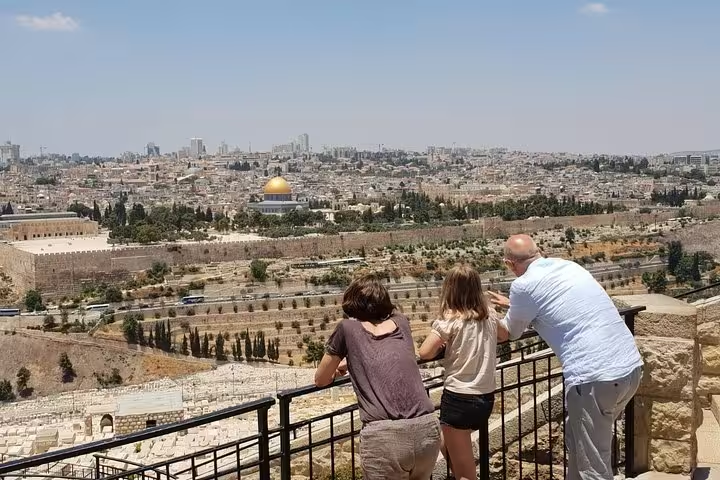
Jerusalem
Travel time: It is commonly done as a day trip from Tel Aviv. Why go: For major historic and religious sites, plus a very different atmosphere from the coast.
Haifa
Travel time: It is reachable from the Tel Aviv area for a day out. Why go: A coastal city feel with scenic viewpoints and a different pace.
Dead Sea
Travel time: Often planned as a full day due to distance. Why go: For the unique landscape and the experience of floating in mineral rich water.
Caesarea
Travel time: Commonly visited as a shorter day trip. Why go: For coastal history and archaeological interest that adds context to the region.
Is Tel Aviv a walkable city for first time visitors?
Yes, many central areas are compact and easy to explore on foot, especially between boulevards, markets, and the beach. Plan breaks during the hottest part of the day to keep walking comfortable.
What is the best time of year to visit?
Shoulder seasons usually offer a balance of pleasant weather and fewer crowds than peak summer. Winter can still be enjoyable if you focus on food, museums, and markets and plan around occasional rain.
Do I need cash, or can I pay by card?
Cards are widely accepted in cities, including restaurants and shops. It is still useful to carry some cash for market stalls and small purchases.
Can I visit Jaffa and the beach in the same day?
Yes, they pair well, since you can do beach time earlier and head to Jaffa later for sunset and dinner. Wear good shoes for Jaffa’s older streets, then switch to an easy evening plan nearby.
Is Tel Aviv a good base for day trips?
Tel Aviv works well as a base because it is a major transport hub with strong connections to other parts of the country. You can mix city days with longer excursions like the Dead Sea or a cultural day in Jerusalem.